
Useful growing hacks can help a backyard bed stay productive even after the first major harvest has already come and gone. Many gardeners enjoy the first wave of produce, then let the bed slow down because it looks tired, partly empty, or too uneven to use well again. A few simple adjustments can help that same space support another round of useful growth without starting over completely.
Garden educators, crop planners, and experienced home growers often explain that strong gardens keep working when beds are refreshed instead of abandoned too early. Second crop planting and simple recovery steps often make a small garden far more productive than it first appears. These growing hacks focus on how to refresh garden beds, support second growth, and make backyard growing ideas more useful after the first heavy picking period.
Why Growing Hacks Matter After the First Harvest
After a strong harvest, a bed often looks mixed. Some crops may still be producing, some may be finished, and some areas may seem too uneven or tired to use well. Without a plan, that patchy stage can make gardeners leave valuable space empty for longer than necessary.
Researchers who study small-scale garden productivity often note that repeated use of the same bed across a season increases output when timing and recovery are handled well. Beds do not always need complete clearing and full reset. In many cases, simple corrections and thoughtful replanting keep them productive for much longer.
Backyard growing ideas often work best when gardeners see the bed as flexible rather than finished after one harvest wave. A little follow-up care often creates a second strong season from the same space.
1. Remove Finished Crops Before They Crowd the Next Round
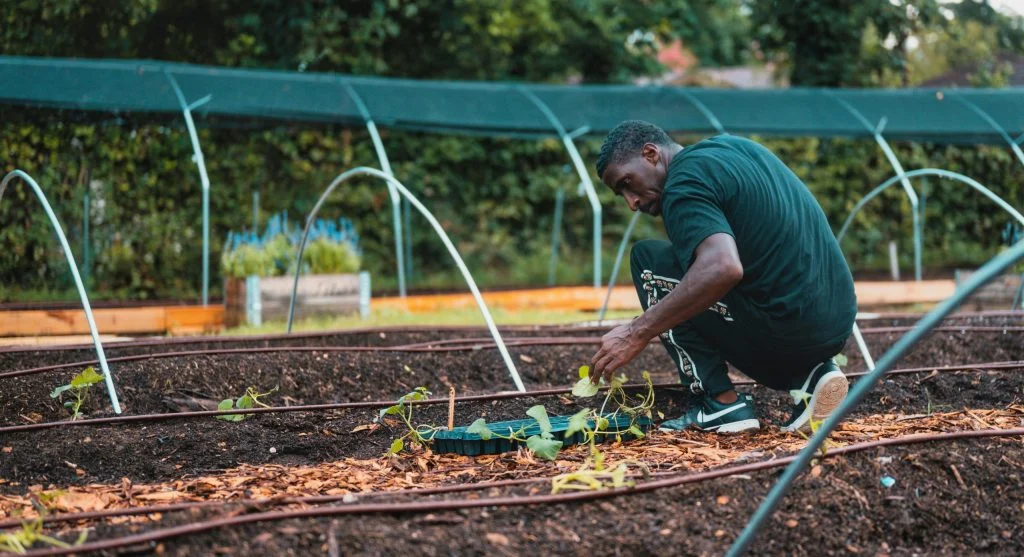
One of the strongest growing hacks after a first harvest is clearing crops that are truly finished so they do not block light, air, or space for what comes next. Old stems, yellowing growth, and non-productive plants often continue taking room even after their useful stage has passed. Removing them helps the bed feel clearer and more workable right away.
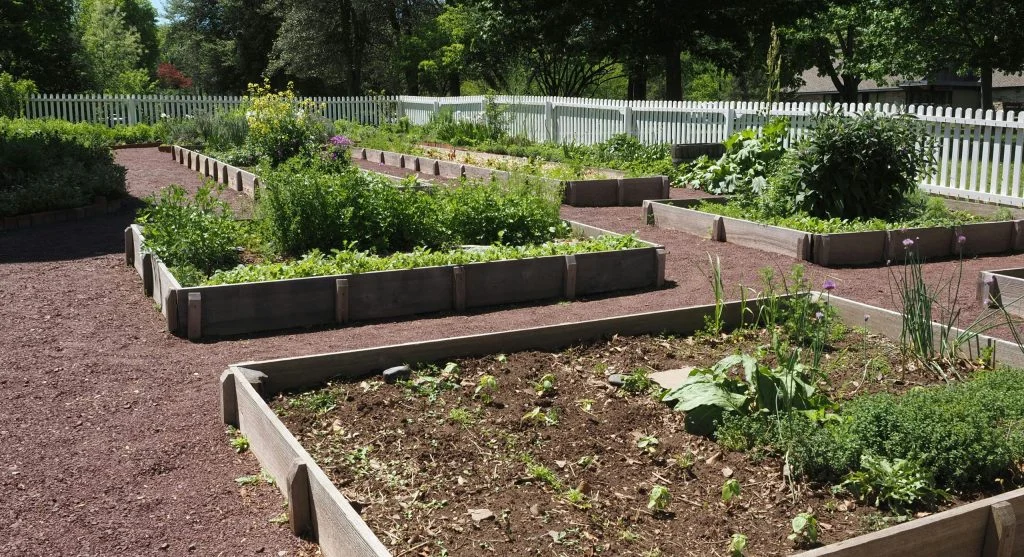
Garden educators often recommend doing this selectively rather than stripping the whole bed at once. If one crop is still healthy and producing, it can remain while finished sections are opened for new use. This keeps the bed productive while still creating room for second crop planting where needed.
Refresh garden beds by making space with purpose. A bed usually works better when the finished parts are removed before they turn into clutter or shade for the next crop.
Credit: Markus Spiske / Pexels
2. Add Compost Before Expecting New Growth to Take Off
One of the most practical growing hacks is refreshing the bed with compost after the first big harvest. Productive crops use space, water, and organic support quickly, and a bed that has already carried one crop well often benefits from a light refresh before another one begins.
Soil educators often explain that compost helps improve structure, support moisture balance, and prepare the bed for new root activity. It does not need to be heavy or deeply worked in every time. Even a steady light layer often makes second growth easier and more dependable.
Backyard growing ideas become more useful when the soil gets some support before new planting begins. Fresh growth usually responds better when the bed has been lightly renewed instead of simply reused without attention.
3. Replant Open Areas Quickly So the Bed Does Not Sit Empty
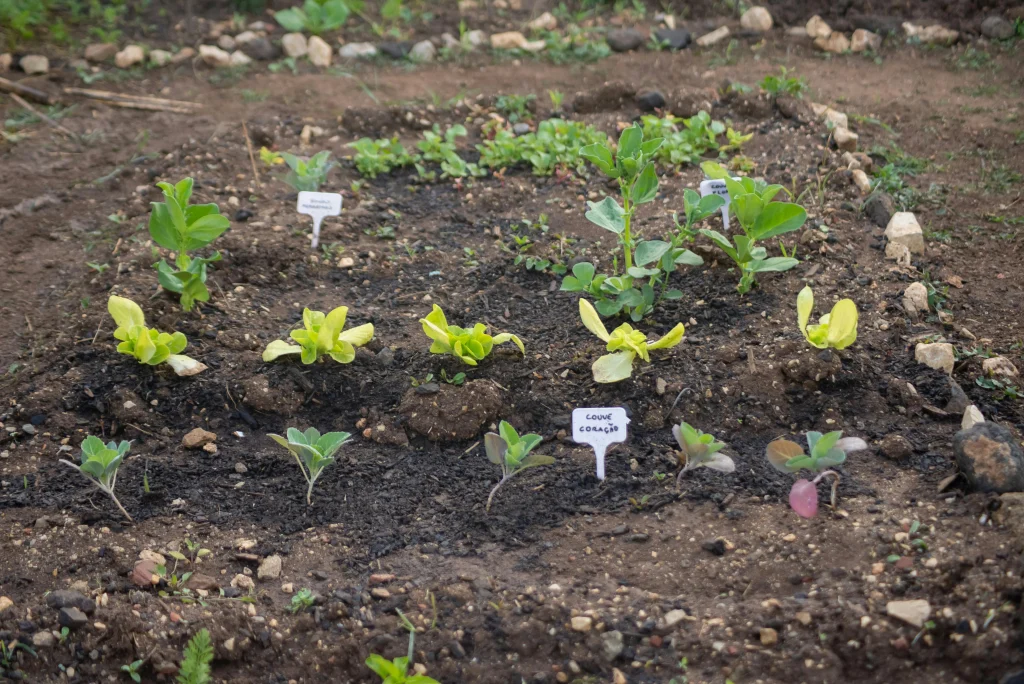
Another of the most useful growing hacks is replanting newly opened sections while the rest of the bed is still active. Empty soil may feel temporary, but several empty days can quickly become several empty weeks if there is no plan. Fast replanting helps the bed stay useful and often makes the garden feel more organized overall.
Crop planners often recommend keeping a few quick or flexible planting options ready for these moments, such as herbs, greens, radishes, beans, or other crops suited to the current season. This makes second crop planting easier because the decision has already been partly made before space opens up.
Refresh garden beds by thinking ahead. Beds stay more productive when gardeners know what might go in next before the first crop is completely done.
4. Match the Next Crop to the Remaining Season
One of the smartest growing hacks is choosing the next crop based on how much season is left, not simply on what the gardener enjoys growing most. A second planting works best when it fits the weather, light, and remaining time available in the bed. This makes success more likely and reduces later disappointment.
Garden educators often suggest choosing quicker or season-appropriate crops for second rounds. A crop that matures well in the remaining weather window often makes better use of the space than one that needs more time than the bed can realistically provide. This is especially important in smaller gardens where each bed matters more.
Backyard growing ideas become more effective when the second crop is chosen with timing in mind. The best next step is usually the crop that fits the season, not only the grower’s first preference.
5. Keep Producing Crops Supported So They Do Not Limit New Growth
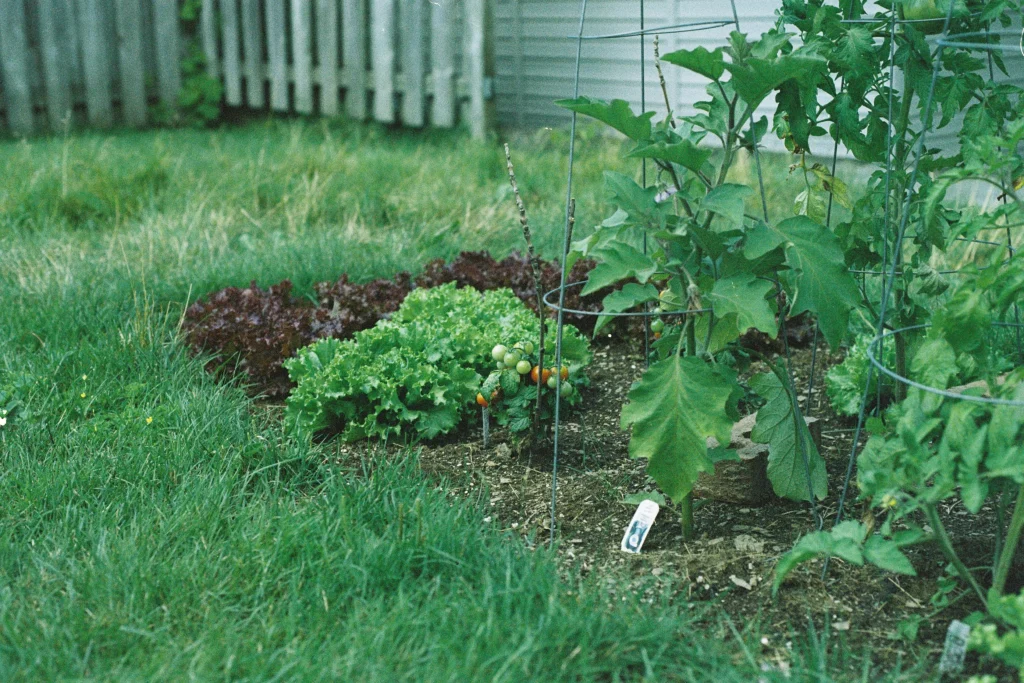
In many beds, some plants continue growing while others finish. One of the more overlooked growing hacks is making sure the crops that remain are supported and trimmed enough that they do not interfere too heavily with the new ones going in. A tangled or leaning plant can quickly block the usefulness of nearby open space.
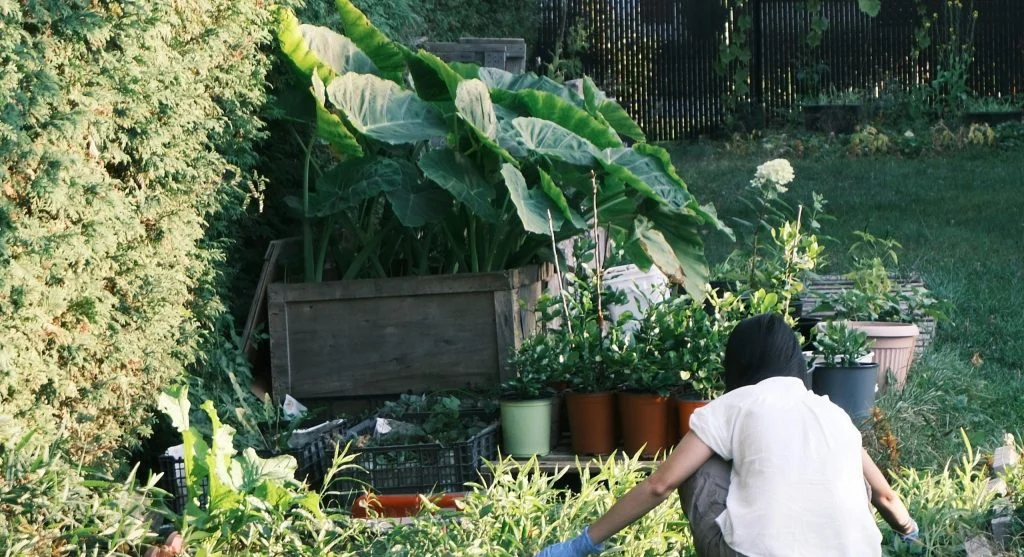
Plant support educators often note that tomatoes, beans, cucumbers, peppers, and other long-season crops usually work better when tied, trained, or contained during this transition stage. That keeps the bed easier to read and leaves more usable space for fresh planting around them.
Second crop planting often succeeds when the bed is shared more carefully. The crop that remains should still produce, but it should not take over the whole space once the bed begins its next phase.
Credit: Coline Chazot / Pexels
6. Reset Watering Habits for the Bed’s New Stage
One of the strongest growing hacks after a harvest is adjusting watering to match the bed’s new condition. A bed with fresh seedlings, open space, and one or two mature plants no longer behaves like it did when it was fully filled with one main crop. Moisture needs often shift during this transition.
Water educators often explain that open soil may dry faster, while new root zones need steadier moisture than established plants. At the same time, overwatering a partly cleared bed may waste water and reduce balance. Better watering usually comes from watching the new layout closely rather than following the old routine automatically.
Refresh garden beds fully by treating them as a new stage of growth, not only as a partly finished old one. Watering should change with the bed, not stay fixed from the previous crop cycle.
7. Use Small Notes to Improve Each Replanting Round
One of the most practical growing hacks is keeping track of what worked after the first harvest and what did not. Some beds may respond well to quick composting and replanting, while others may need more cleanup or a different follow-up crop. Without notes, those details are easy to forget by the next season.
Garden educators often recommend simple observations such as what crop came out, what crop went in next, how quickly the bed recovered, and whether the new planting filled the space well. These records help future decisions become faster and more accurate.
Backyard growing ideas often become stronger when they are shaped by real use in the same garden. Notes help each second planting become a little better than the one before it.
8. See the Bed as Productive Until the Season Truly Ends
One of the biggest mindset shifts behind these growing hacks is refusing to think a bed is finished simply because the first harvest was strong. Many backyard beds still have useful time, light, and soil life left even after the first major crop has come through. That potential often gets missed when the bed is treated as done too early.
Garden planners often explain that some of the most productive gardens are not the largest ones, but the ones where beds are used through several waves of planting. This kind of thinking helps gardeners see each opening not as a sign of ending, but as a chance for the next stage.
Refresh garden beds with intention and they often keep working much longer than expected. A small space becomes more valuable when it is used in layers rather than only once.
Frequently Asked Questions
Q: What are the best growing hacks after the first harvest?
A: Some of the best growing hacks include removing finished crops, adding compost, replanting open areas quickly, matching the next crop to the season, and adjusting watering for the bed’s new stage. These steps help the bed keep producing longer.
Q: How can gardeners refresh garden beds without starting over completely?
A: Gardeners can refresh garden beds by clearing finished plants, adding a light compost layer, supporting any remaining productive crops, and planting new crops in the open areas while the bed is still active.
Q: Why is second crop planting useful in a backyard garden?
A: Second crop planting is useful because it keeps a productive bed working longer and helps gardeners get more value from the same space. It is especially helpful in smaller gardens where every bed matters.
Q: Should watering change after the first major harvest?
A: Yes, watering often needs to change because the bed now has a different mix of open soil, new seedlings, and older plants. A new layout usually needs a new watering approach as well.
Key Takeaway
These growing hacks show that a bed does not need to stop producing after the first big harvest. Finished crops can be cleared, soil can be refreshed, second crop planting can begin quickly, and watering can be adjusted to match the new stage of growth. Supported remaining crops and simple notes also help the space work longer and better. For many gardeners, the best growing hacks are the ones that turn one good harvest into another useful round of growth.