

















When you’re running a small farm, little tricks can really help with all the work outside, particularly if you’re juggling a garden, animal care, bringing in the crops, and all the normal maintenance. What looks like a straightforward little place will get overwhelming quickly if your tools are everywhere, you are doing the same things over and over, and the tasks for each season start to accumulate. How you do things is often more important than how much land you have.
Lots of people who grow things, teach about self-sufficiency, or manage property say that being efficient starts with things you do regularly. Your small farm doesn’t have to be beautiful to work, but it will be better with habits that mean you aren’t wasting energy and that keep the most important jobs happening. The best advice for small farm living is usually about being orderly, doing things at the right time, and establishing a sensible daily pattern.
Why Small Farm Life Tips Matter for Everyday Work
When you have a small farm, the work is surprisingly exhausting if the way it’s put together doesn’t help you. Running tools back and forth, being absentminded about things you should do, or having stuff all over the place to store can turn quick tasks into a lot of work. And all that time lost eventually piles up and makes the farm less pleasant to actually be on.
Those who look at how small things are made frequently say that having better habits makes things happen more uniformly. If the chores aren’t difficult to do over and over, you’re a lot less likely to skip things like watering, looking at the fences, keeping the paths open, watching the crops, and getting the spots for harvest ready. A reliable plan of attack supports getting things done, and being relaxed about it all.
Little bits of advice for small farms are helpful because they establish some order, but not in a way that makes you feel like you’re being forced into a mold. The point isn’t to have a perfect timetable every single day. Instead, you want to arrange things so the necessary jobs are easy to both remember and finish.
Start With a Simple Farm Daily Routine
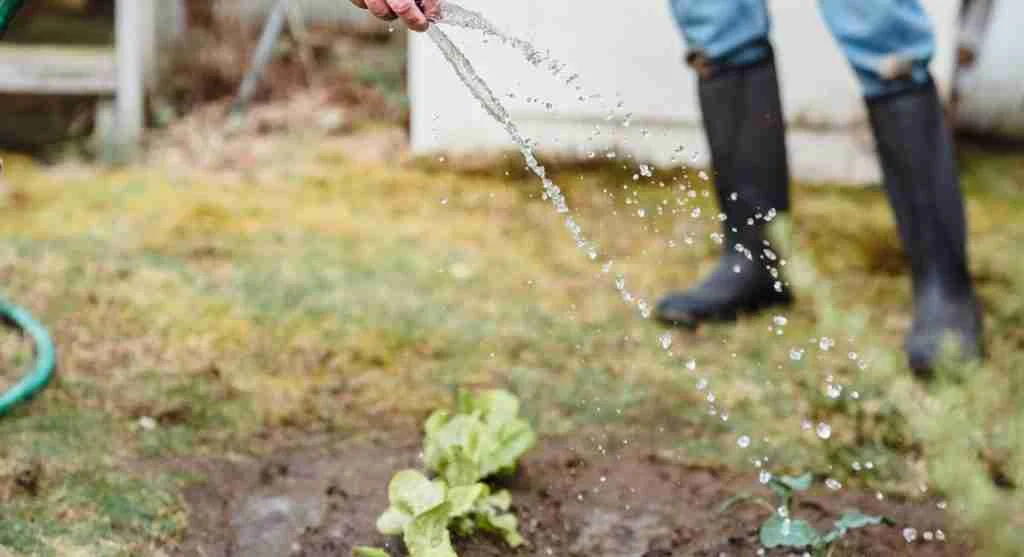
A really good way to make life on a small farm easier is to have a simple plan for what you’ll do each day. Lots of people who grow things like to start with what has to be done right away: things like checking how wet the soil is, looking over your garden rows, or inspecting spots that frequently cause problems. Getting into the same basic routine every day calms your mind and actually speeds things up.
When it comes to what you do on a daily basis, teachers of farm planning advise doing all the jobs in one location, instead of all the weeding, then all the watering, and so on. So, you might go through the garden, then the places where you keep things, and after that the fences or your working areas. This means you won’t be going back and forth constantly and each section of your land is checked regularly.
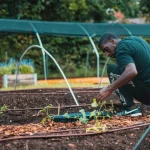
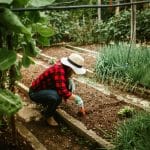
You don’t have to spend ages on a daily routine for the farm. A quick stroll in the morning or evening, done in a particular order, can show you little problems, pests, or issues before they get much worse. This leads to much better choices for the entire farm.

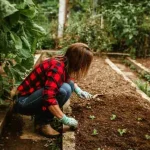
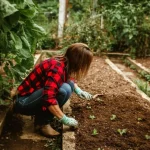
Credit: RDNE Stock project / Pexels
Keep Tools Near the Jobs They Support
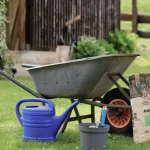
Scattered tools often slow outdoor work more than people expect. A hose nozzle left across the yard, gloves missing from the work area, or pruners stored far from the garden can add extra steps throughout the week. One of the most practical small farm life tips is to place essential tools close to the areas where they are used most.
Land care specialists often recommend small storage points instead of one large storage point for everything. A weather-safe box near the garden, a hook area for tools near the shed, or a harvest basket kept in a regular spot can help reduce wasted time. These simple systems support smoother work without major cost.
Backyard farm ideas often work best when they are based on daily movement. If a tool is used often, it should be easy to reach. This keeps the flow of work steady and reduces the chance of putting off important tasks because they feel harder to start.
Use Weekly Reset Tasks to Prevent Bigger Problems
Things you do every day keep the place going, but weekly “resets” are what really get things under control. That could be clearing the paths, topping up the mulch where it’s disappeared, looking at what you have in storage, cleaning the buckets, or putting the harvest baskets in order. It’s usually a lot less work to do a little bit each week, instead of one huge tidy up after a lot of activity.
When you plan work outside, people who know about these things say doing these regular resets makes for safer and tidier spaces to work in. Paths are easier to get around, tools are easier to see, and you won’t lose or forget materials as easily. Plus, it makes the whole place seem much more possible to deal with when you’re in the middle of lots of planting or gathering.
Those easy things you get into a routine of doing each week on the homestead are often the most helpful in the long run. They make things look better, and starting work each day is easier. And a tidy workspace means farmers can spot when they’re short of something before it’s a real emergency.
Plan Around the Season Instead of Reacting Late
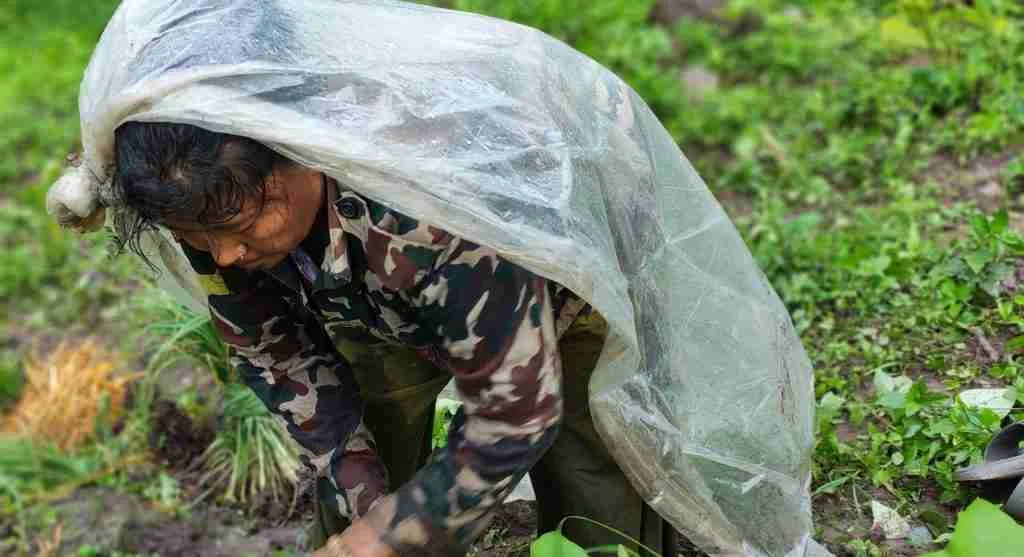
With a small farm, planning for the seasons is really important. Every season has times when things are especially demanding, so you have planting times, potentially dry spells, weeds to deal with, when to get crops out of the ground and the tidy up afterwards. If you decide on these things in advance, your place will be more organised and cause you less worry.
People who go with the flow of the seasons generally have brief lists for each month, and don’t just try to remember everything. These could be for starting seeds, turning the compost heap, getting beds ready, looking at the tools to make sure they’re okay, or altering how you water. A checklist for each season doesn’t have to be super long to be valuable. In fact, even just a quick outline will help you get things done at the right time.
If you leave things to the last minute you’ll likely find yourself doing loads of things at once in a rush. Planning by the seasons means the work is more manageable, and your place easier to look after in reality. And this is particularly good on a small farm because one person or a family are generally doing almost all of the work.

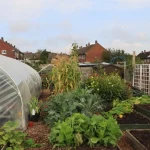
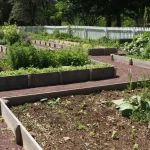
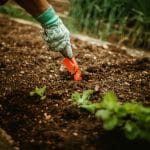
Credit: Skylar Kang / Pexels
Create Work Zones for Better Flow
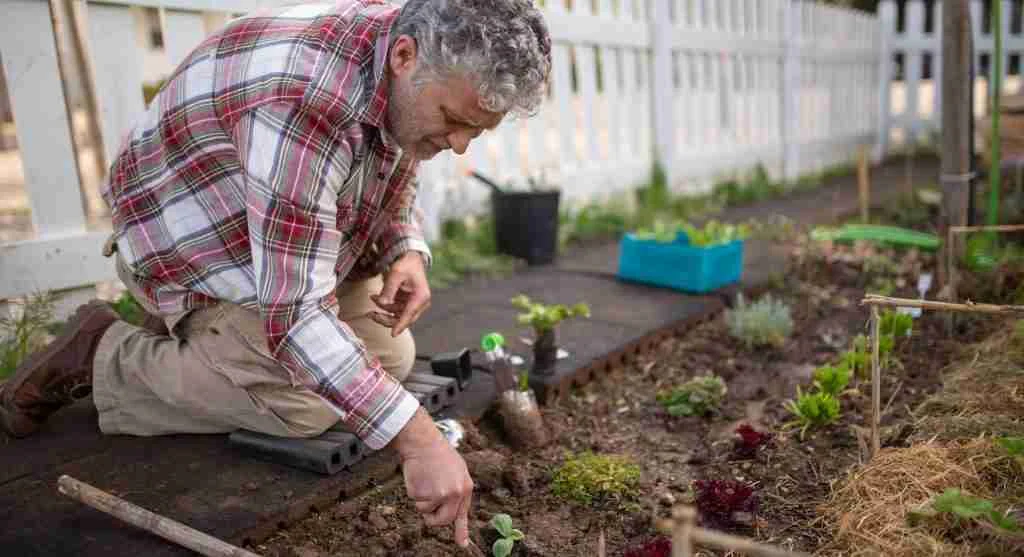
Many small properties become easier to manage when they are divided into simple work zones. A growing zone, compost zone, storage zone, tool zone, and harvest zone can help reduce confusion and improve movement. Even if the property is small, clear zones often make daily tasks feel more direct and less scattered.
Site planning specialists often explain that zone thinking helps people work with the land they have rather than wishing for more space. A small corner for potting, a clean place for sorting harvests, or a regular compost area can improve function without large construction projects.
Backyard farm ideas that focus on work zones also support better upkeep. When each area has a clear purpose, it becomes easier to notice what belongs there and what should be moved. This strengthens both organization and safety.
Keep Notes on What Saves Time and What Does Not
Each little farm creates its own way of doing things. Certain areas of garden lose moisture quickly, some trails remain soggy for ages, and some jobs are consistently bigger than you’d think. A really good trick for a small farm is to write down what actually is successful in your location, rather than simply following general tips.
Instructors at farming courses suggest keeping things written down, and for a good reason. It transforms what you’ve done into a method. Observations about when you pick things, repairs you’ve done more than once, how well plants grew, or running out of something…all of these can help in the coming week, or even the whole next season. And this doesn’t have to be a complicated system – a simple notebook, calendar or a note on your phone will do.
When your routine at the homestead is built on how things genuinely happen, those habits are much easier to maintain. With time, your notes will help you stop making the same errors and make your day to day life on the farm go a lot more easily.
Leave Space for Rest and Practical Comfort
When you have a small farm, it’s easier to keep things going if you also have a few comforts along with getting stuff done. A seat in the shade, somewhere for water, a dry spot for your boots, or a clean bench near the garden all can make a long stretch of work much easier. And being comfortable doesn’t get in the way of how much you achieve, in fact, it’s likely to help.
Safety advice for work and looking after your health when you’re outside generally say that resting frequently, drinking enough, and having things arranged well boost your stamina. A little place that is good for the person doing the work is much more likely to be looked after steadily, as opposed to one that just feels exhausting every single time you’re on it.
This is a tip for small farm life that people don’t think about much, but it’s important. The area where you work outside should help you as much as it helps the plants. Being comfortably practical is what makes daily tasks into a rhythm you can maintain for the entire season.
Frequently Asked Questions
Q: What are the best small farm life tips for beginners?
A: Some of the best small farm life tips include creating a simple routine, storing tools near work areas, using weekly reset tasks, planning by season, and keeping clear work zones. These habits make daily work easier to manage.
Q: How can a small farm feel more organized?
A: A small farm often feels more organized when tasks follow a routine and each area has a clear purpose. Tool storage, work zones, and simple notes can make the whole property easier to use.
Q: Why is a routine important on a small farm?
A: A routine helps reduce forgotten tasks and wasted time. It also supports more regular checks on crops, storage, and outdoor work areas, which can prevent bigger problems later.
Q: Do small farms need detailed planning systems?
A: Not always. Many growers do well with simple lists, a notebook, and a few repeated habits. The most useful systems are usually the ones that are easy to keep using.
Key Takeaway
When you’re doing something with a small farm every day, it’s a lot easier if your place is set up for how you do things, and if you have easy ways to get things done. Having a normal rhythm to your day, keeping your tools close to where you’ll use them, little weekly tidy-ups, thinking about what the seasons will bring, and specific areas for different tasks all mean you won’t find yourself wasting energy all over the land. Jotting things down and being reasonably comfortable will help you with a way of organising things that will get you through the busiest times. Actually, lots of people who are growing things on a small scale find the best tricks are those that make doing the same things over and over each day a little easier.
[INTERNAL LINKING SUGGESTIONS]
- Growing Hacks That Help Backyard Gardens Produce More With Less Work
- Spring Planting Tips for Backyard Gardens That Help Crops Start Strong
- Garden Tips That Help New Growers Avoid Common Mistakes