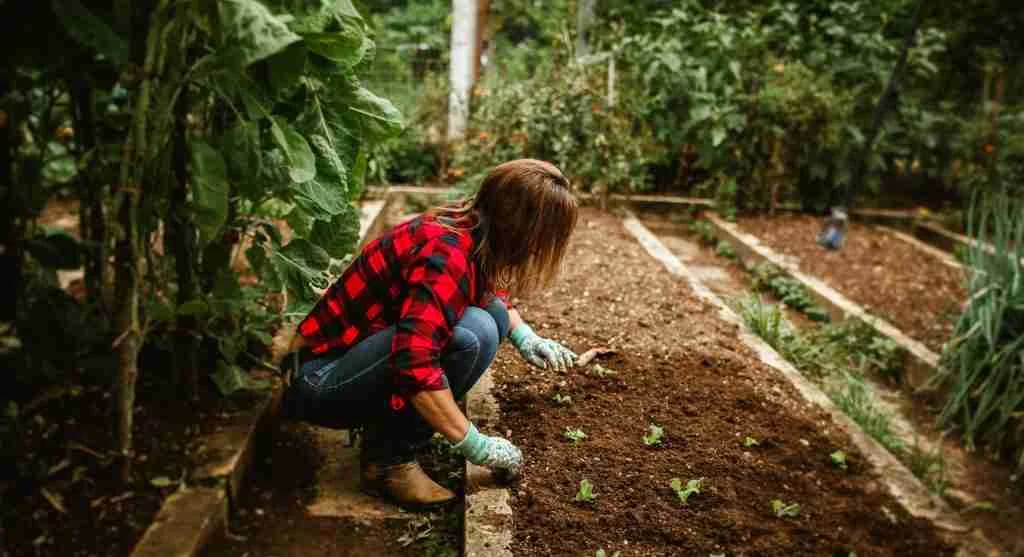
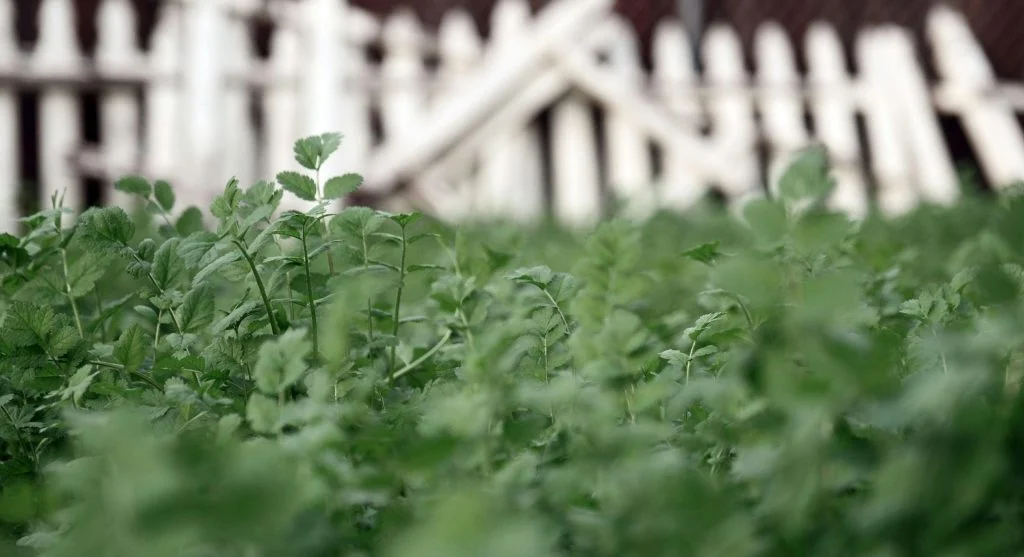

Useful planting tips can help backyard gardeners refill empty bed gaps without turning a productive growing space into a disturbed one. Many open spaces appear during the season after an early harvest, a failed transplant, or one crop that finished faster than expected. These openings can look like simple empty spots, but replanting them carelessly may disturb nearby roots, crowd remaining plants, or make watering and harvest more difficult than before.
Garden educators, crop planners, and experienced home growers often explain that midseason planting works best when the open space is treated as part of an active bed rather than as a brand-new bed. That means the new crop must fit around what is already growing. These planting tips focus on how to refill garden bed gaps, plant around existing crops, and protect established roots while keeping the bed useful and productive.
Why Planting Tips Matter When Refilling Bed Gaps
An empty space in a bed often looks like an easy opportunity, but the area around it may already be filled with roots, leaves, and watering patterns shaped by the crops still growing there. If the new planting is too large, too deep, or too disruptive, the gap may create more stress than value. A better result usually comes from treating the space with more care than a full-bed planting would need.
Researchers who study crop establishment often note that plants already rooted in a bed respond differently to nearby disturbance than freshly planted beds do. This is why planting tips matter so much when gaps are being refilled. The goal is not only to start something new. The goal is to do it without weakening what is already performing well.
To refill garden bed gaps successfully, gardeners often need to balance two jobs at once: helping a new crop begin while preserving the progress of the older crops around it.
Choose Gaps That Truly Have Useful Space Below and Above
One of the strongest planting tips is deciding whether the gap is actually plantable. Some spaces look open from above, but the surrounding plants may already be filling that area with roots, stems, and expanding leaves. Other spaces truly do have enough light, air, and soil access to support another crop well. Learning the difference is important.
Garden educators often suggest looking at both the soil surface and the canopy around the gap. If nearby plants are already leaning inward heavily, casting strong shade, or using the area as part of their spread, that opening may not stay open long enough to justify another planting. A good gap is one that has room now and is likely to stay useful long enough for the next crop to establish.
Planting around existing crops works best when the opening is real, not only temporary. A clear usable gap usually offers a better result than a crowded spot that only looks empty for a few more days.
Pick Smaller or Faster Crops for Midseason Gaps
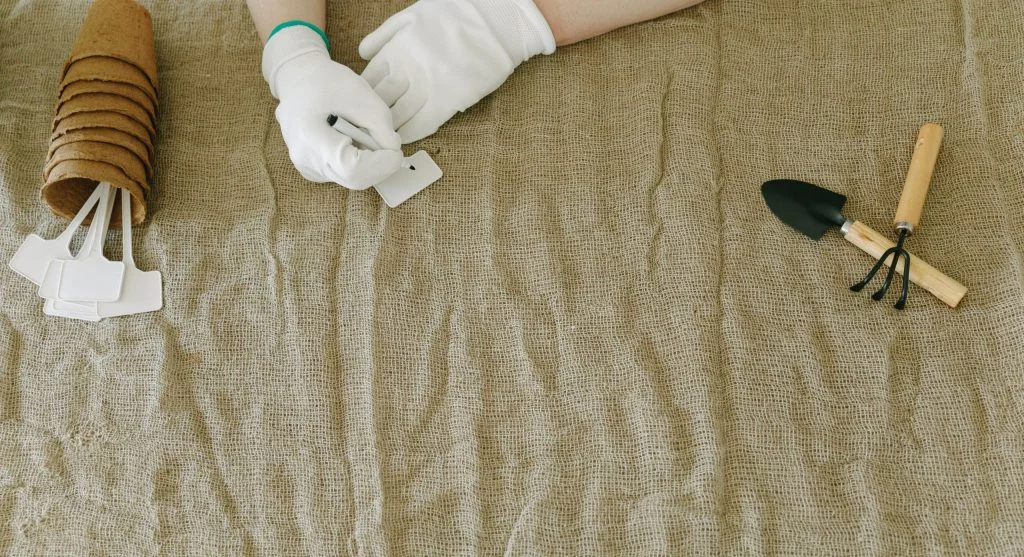
Another of the most useful planting tips is choosing crops that suit the size and timing of the opening. Large long-season plants often need too much room and too much time to work well in smaller bed gaps. A smaller or quicker crop often fits much better and causes less conflict with nearby roots and leaves.
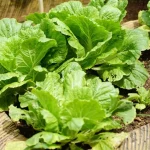
Crop planners often recommend herbs, leafy greens, quick roots, green onions, or other flexible crops for these spaces because they can establish in smaller openings and often produce before the surrounding bed changes too much. This makes the most of the space without creating a second crowding problem later.
To refill garden bed gaps wisely, it helps to choose a crop that fits the moment instead of forcing one that belongs in a full open bed. Smaller choices often lead to smoother results.
Loosen Only the Planting Spot, Not the Whole Area
One of the smarter planting tips is limiting soil disturbance to the exact area where the new crop will go. In an active bed, the surrounding soil may already contain established roots that support healthy crops nearby. Digging too broadly may disturb those roots and unsettle the watering balance around the older plants.
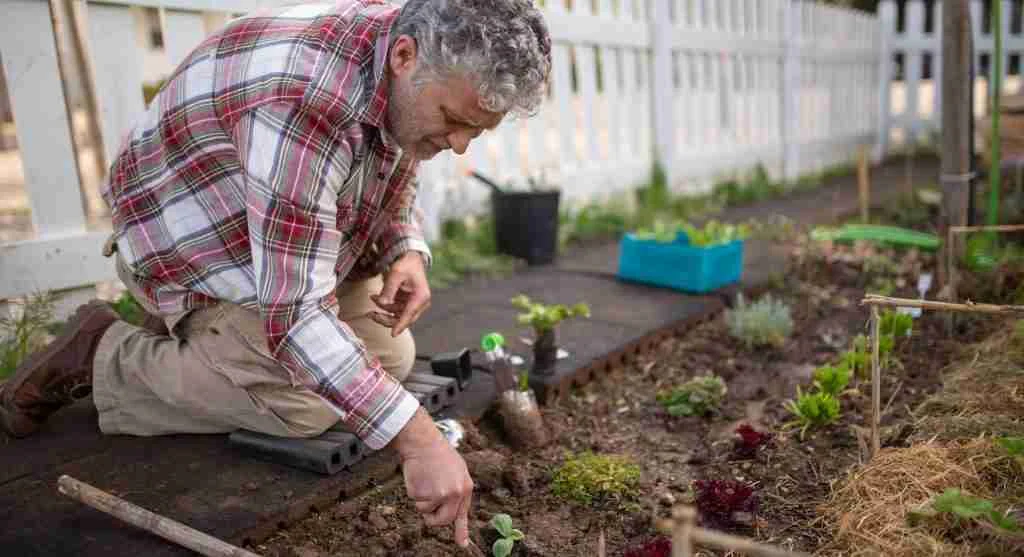
Soil educators often recommend opening only the needed planting hole or small seed strip and avoiding unnecessary turning of the surrounding soil. This helps protect established roots while still giving the new crop a workable start. If compost is needed, it can often be added more locally instead of being spread through the whole area.
To protect established roots, the gardener usually needs to think smaller and more precisely than during a full-bed planting session. Targeted work often does more good with less disruption.
Watch the Shade Pattern Before Planting Into the Gap
One of the more overlooked planting tips is checking how much light the gap really receives through the day. A space may look bright in the morning but become shaded by noon once surrounding plants cast more shadow. In that case, the crop chosen for the gap needs to match that reality rather than the first impression.
Garden educators often explain that beds change as plants grow, so midseason openings may receive less stable light than the bed did earlier. A gap between peppers, tomatoes, squash, or beans may look wide open one week and much darker the next. Choosing a crop that can handle that kind of shifting light often makes the planting more successful.
Planting around existing crops becomes easier when the grower treats nearby plants as part of the gap’s environment, not just as background. Their future shade matters as much as the open space today.
Adjust Watering for Two Growth Stages in One Bed
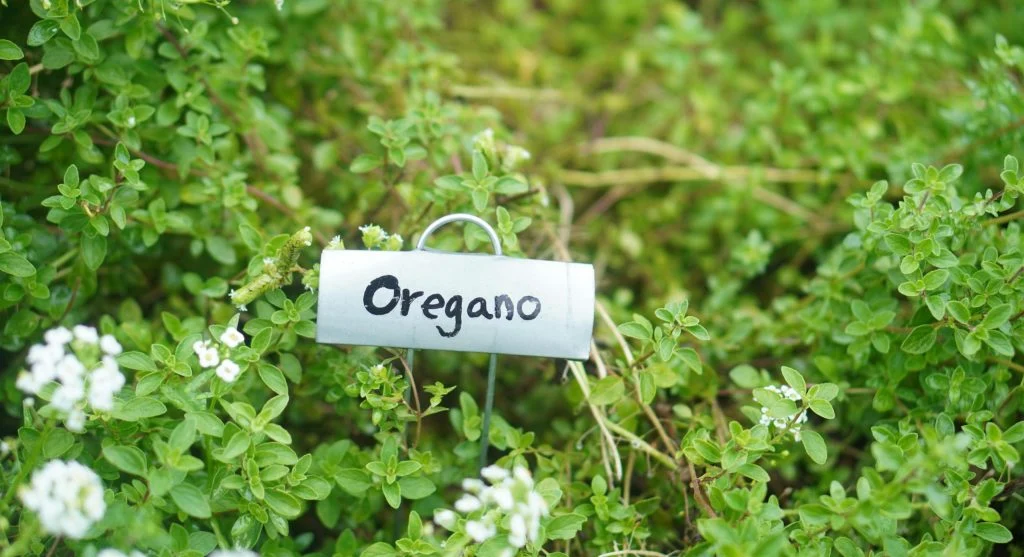
One of the best planting tips for refilled gaps is remembering that the bed now contains two very different growth stages. The established crops may already be drawing moisture from deeper in the soil, while the new planting usually needs steadier surface moisture until roots spread further. If the old watering pattern continues unchanged, the gap may not establish well.
Water educators often note that gardeners may need to target the new planting area more carefully for a short time while avoiding unnecessary extra watering over the whole bed. This helps the new crop settle without upsetting the balance for the older plants. A more precise watering pattern often makes mixed-stage beds much easier to manage.
To refill garden bed gaps successfully, the routine must change with the bed. One old watering schedule rarely fits both older plants and fresh new ones equally well.
Harvest and Thin Early if the Gap Starts Filling Too Fast
One of the more practical planting tips is watching the refilled space closely after planting. A quick crop in a small gap can become crowded sooner than expected, especially if the neighboring plants grow faster too. Early thinning or timely harvest often keeps the opening productive without letting it become a new point of pressure in the bed.
Harvest educators often recommend using the gap as a closely watched zone. If the new crop begins pressing too heavily against surrounding plants, the best response may be to harvest sooner or thin more firmly than in a more open bed. This keeps the crop useful and protects the older plants at the same time.
Planting around existing crops often works best when the new planting is managed actively rather than left to sort itself out. Small early corrections usually protect the whole bed.
Keep Notes on Which Gaps Were Worth Replanting
One of the strongest planting tips for future seasons is writing down which midseason gaps actually worked well. Some openings may prove very productive, while others may turn out too shaded, too tight, or too short-lived to justify the effort. These patterns become clearer when they are recorded.
Garden educators often suggest noting what caused the gap, what crop was planted, how well it established, and whether it interfered with nearby crops. Even short notes help future decisions become faster and more accurate. Over time, the gardener builds a better sense of which bed openings are truly useful and which are better left alone.
Better planting decisions often come from these small observations. Notes help turn one season’s gap-filling experiments into a stronger long-term system.
Frequently Asked Questions
Q: What are the best planting tips for refilling garden bed gaps?
A: Some of the best planting tips include choosing only real usable gaps, selecting smaller or faster crops, loosening only the local planting spot, watching the shade pattern, adjusting watering for mixed growth stages, and harvesting early if the gap fills too fast.
Q: How can gardeners refill garden bed gaps without causing more crowding?
A: Gardeners can refill garden bed gaps without causing more crowding by choosing crops that match the available space and time, planting only where the gap will stay open long enough, and managing the new crop actively once it starts growing.
Q: Why is planting around existing crops different from planting in an empty bed?
A: Planting around existing crops is different because nearby roots, leaves, shade, and watering patterns are already established. The new planting must fit into an active system instead of starting in a fully open space.
Q: What helps protect established roots during gap planting?
A: Established roots are best protected by disturbing only the exact planting spot, avoiding broad digging, and using more careful local soil preparation rather than reworking the whole surrounding bed.
Key Takeaway
These planting tips show that refilling open bed gaps works best when the gardener treats the opening as part of an active growing system instead of as empty unused space. Better crop choice, local soil care, shade awareness, mixed-stage watering, and early harvest or thinning all help refill garden bed gaps while protecting established roots nearby. Simple notes also improve future decisions. For many gardeners, the best planting tips are the ones that let a bed stay productive without disturbing the crops that are already doing well.