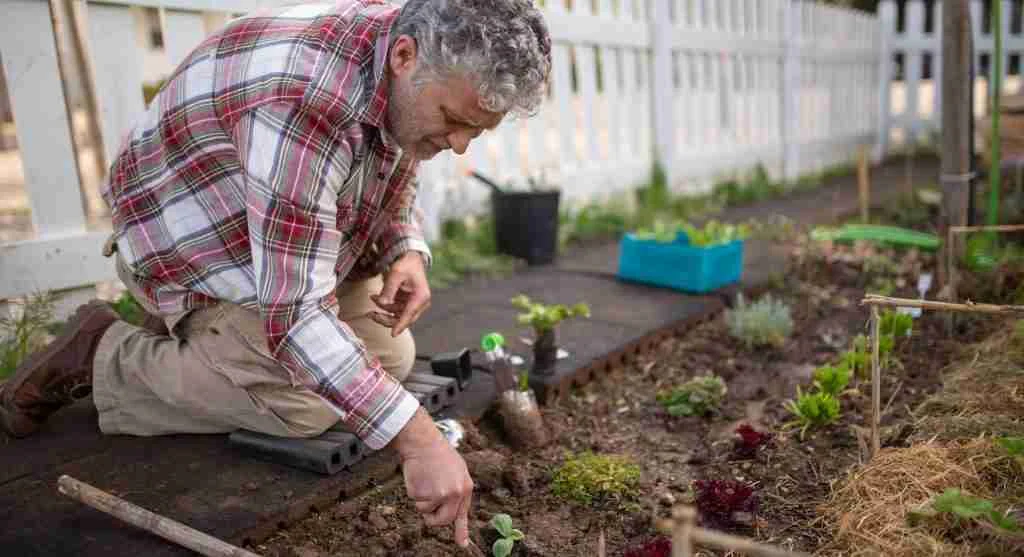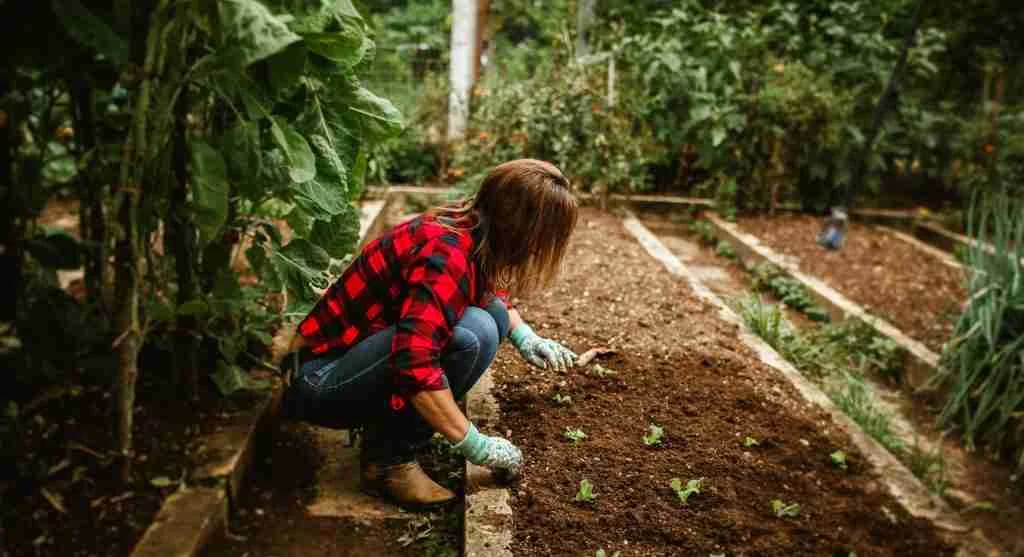

Useful planting tips can help backyard gardeners handle second-round planting more wisely after an early harvest opens space in the bed. These later plantings often seem simple because some ground is suddenly available again, but the bed is no longer in its original fresh state. Nearby crops may still be growing, roots may already occupy part of the soil, and the season may now move faster than it did the first time the area was planted.
Garden educators, crop planners, and experienced home growers often explain that later planting works best when spacing is rethought instead of repeated automatically. A second crop does not always need the same layout the first crop used. These planting tips focus on how to handle second-round planting, improve spacing later crops, and keep backyard replanting ideas productive without making the bed crowded or harder to manage.
Why Planting Tips Matter More in Second-Round Beds
A bed that has already produced one crop often behaves differently than it did at the beginning of the season. The soil may still be active, nearby plants may cast more shade, and the open area may not be as evenly shaped as a full new bed. If a gardener simply plants the second crop the same way the first crop was planted, the layout may no longer fit the current conditions.
Researchers who study crop establishment often note that later-season planting decisions should reflect current bed conditions rather than original bed design. This is why planting tips matter so much for second-round crops. The space may still be useful, but it needs a layout that matches the bed as it exists now, not as it looked weeks earlier.
Second-round planting often works best when the gardener sees the bed as partially changed ground. Better spacing begins with recognizing that change clearly.
Measure the Open Space Again Instead of Guessing From Memory
One of the strongest planting tips is checking the newly opened space carefully before planting anything back into it. A gap created by harvest may look larger than it truly is, especially if nearby plants have not yet reached their full width. If the gardener uses memory from earlier in the season, the second crop may be placed too tightly.
Garden planners often recommend looking at the gap from above and from the side. This helps show not only the width of the open soil, but also where surrounding leaves may soon lean in. A bed that seems open on planting day may become much narrower once neighboring crops continue expanding over the next few weeks.
Spacing later crops well usually begins with an honest look at the actual space that remains. A careful measurement often prevents a lot of later correction.
Choose Crops That Match the Remaining Season and Space
Another of the most useful planting tips is choosing a second-round crop that fits both the available room and the time left in the season. A large slow crop may no longer suit a smaller opening or a shortened growing window. In many cases, a quicker or more compact crop will use the bed more effectively.
Crop educators often explain that later plantings succeed more often when they match the bed’s current limits instead of repeating the gardener’s first preference. Herbs, greens, smaller root crops, and other faster options often make better use of harvested space than larger crops that need more time and wider spread.
Backyard replanting ideas usually become stronger when the second crop is chosen for the conditions that remain, not for the conditions that existed earlier in the year.
Widen the Spacing Slightly if Nearby Crops Are Still Active
One of the smarter planting tips is allowing a little extra space when the new crop is going into a bed that still contains older active plants nearby. Even if the second crop would normally be planted at one standard spacing, a slightly wider layout may work better if it must share light, airflow, and root space with crops already established in the same bed.
Garden educators often note that later crops are sometimes squeezed into leftovers too tightly because the gardener wants to use every inch. But when surrounding crops are still growing, that tight fit often becomes a later crowding problem. A little extra room may protect both the new planting and the older plants at the same time.
Spacing later crops often requires more caution than first-round planting. The bed is already partially occupied, even if the soil surface looks open.
Keep Rows Clear So the New Crop Stays Easy to Manage
One of the more practical planting tips is preserving a simple row or cluster pattern during second-round planting. When open gaps are irregular, gardeners may be tempted to place plants wherever they seem to fit. That often leads to a scattered layout that becomes harder to water, weed, thin, and harvest later.
Garden planners often recommend creating the cleanest structure possible inside the available space. Even a smaller second-round planting often benefits from straight lines, clear clusters, or another visible arrangement that helps the grower understand what belongs where. A bed that is easier to read is usually easier to care for well.
Second-round planting works better when the new crop has a clear shape in the bed. Order often matters just as much as the crop choice itself.
Adjust Watering for a Bed With Old and New Growth Together
One of the best planting tips for second-round planting is remembering that the bed now holds plants at different stages. Older crops may already reach deeper moisture, while new seedlings or transplants need more careful support near the surface while they establish. If the same full-bed watering pattern continues unchanged, the younger crop may struggle or the older crop may receive more water than needed.
Water educators often explain that mixed-stage beds usually require more targeted watering for a while. The new crop may need localized support until its roots spread, while the older crop may already be drawing from a different moisture depth. A more precise pattern often keeps both groups healthier.
Spacing later crops well is only part of successful second-round planting. Watering must also recognize that the bed is now working in two stages at once.
Watch the New Crop Quickly During the First Weeks
One of the more overlooked planting tips is treating the second-round crop as a closely watched area during its early stage. Because the bed already contains other crops, the new planting may face shade changes, quicker drying, or tighter airflow sooner than a first-round crop in an empty bed would. Early observation helps prevent those issues from getting ahead.
Plant care specialists often recommend checking how the new crop responds during its first week or two. If it begins stretching toward light, staying wetter than expected, or becoming crowded too soon, small corrections may still be easy. Waiting too long may turn a manageable issue into one that affects the whole mixed bed.
Backyard replanting ideas often succeed when the new crop is not only planted carefully, but also watched carefully while it settles into a bed that is already partly active.
Keep Notes on Which Second-Round Layouts Worked Best
One of the strongest planting tips for future seasons is writing down which second-round planting layouts actually worked well. Some crops may do well with slightly wider spacing in harvested gaps, while others may fit well in tighter neat strips. Some openings may prove too shaded, while others turn out more productive than expected.
Garden educators often suggest recording the first crop, the second crop, the spacing used, and how the bed performed after replanting. These notes help future decisions become much easier and make later-season planting feel less experimental. Over time, the gardener builds a better understanding of which spaces truly support strong second-round crops.
Second-round planting becomes more efficient when the grower remembers what each bed taught. Notes help turn one replanted gap into a stronger future pattern.
Frequently Asked Questions
Q: What are the best planting tips for second-round crops?
A: Some of the best planting tips include measuring the open space again, choosing crops that fit the remaining season, widening spacing slightly if nearby crops are still active, keeping the new crop in a clear pattern, and adjusting watering for mixed stages of growth in one bed.
Q: Why should gardeners rethink spacing later crops instead of using the original spacing plan?
A: Gardeners should rethink spacing later crops because the bed has already changed. Nearby plants may still be growing, light may be different, and the open area may be smaller or less even than it was earlier in the season.
Q: How can backyard replanting ideas stay productive without making beds crowded?
A: Backyard replanting ideas stay productive when the new crop matches the space and season, the layout stays simple, and the gardener gives enough room for both the new crop and the older nearby crops to keep performing well.
Q: What helps second-round planting succeed in mixed beds?
A: Success often comes from good crop choice, careful spacing, clear row structure, more targeted watering, and close early observation while the new crop settles beside already established plants.
Key Takeaway
These planting tips show that second-round crops usually perform better when gardeners rethink spacing instead of copying the first planting plan. Measuring the real open space, choosing crops that fit the remaining season, allowing room around nearby active plants, and adjusting watering for mixed growth stages all help later plantings succeed. Clear structure and good notes make future replanting even stronger. For many gardeners, the best planting tips are the ones that treat a second-round bed like a changed space that needs a smarter layout.