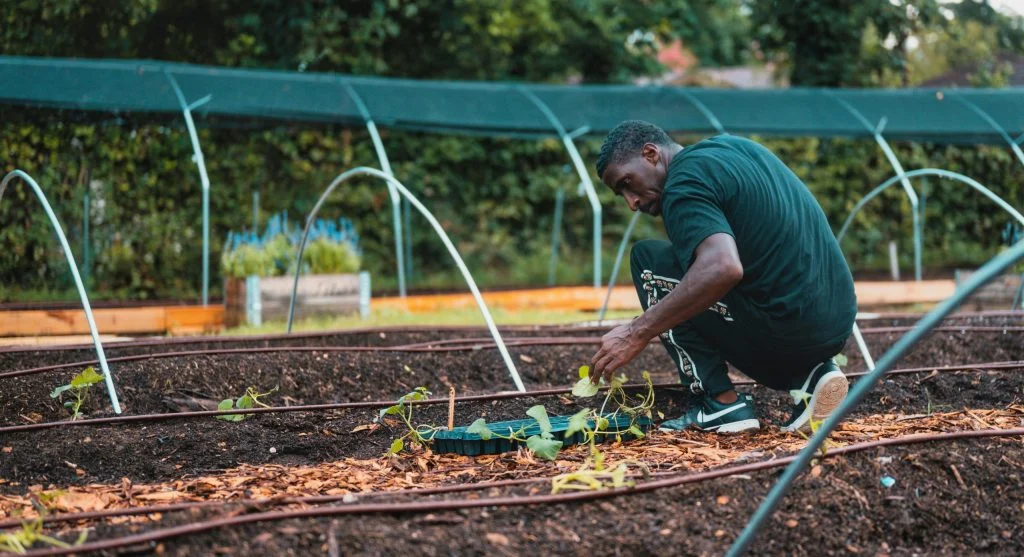

Useful growing hacks can help backyard gardeners keep edge rows productive without letting those exposed spaces become the weakest part of the bed. Outer rows often face slightly different conditions than the center. They may dry more quickly, receive more foot traffic nearby, or deal with stronger heat and wind because they sit closer to the path and further from the shelter created by neighboring plants. That extra exposure can quietly affect growth over time.
Garden educators, crop planners, and experienced home growers often explain that edge row gardening works best when the border of the bed is treated as its own growing zone instead of just another row. Small changes in exposure often call for small adjustments in care. These growing hacks focus on how to manage exposed bed edges, protect crops along the border, and keep productive backyard rows stronger from one side of the bed to the other.
Why Growing Hacks Matter More for Edge Rows
The outer edge of a garden bed often behaves differently than the center. Moisture may leave faster, mulch may shift more easily, and one side may face stronger sunlight or more open airflow. Even if the difference looks minor, the crops in that row may respond sooner than the rest of the bed. That is why some beds show slower outer growth even when the center still looks balanced.
Researchers who study small-scale growing systems often note that border conditions can shape plant performance because edge crops experience a different mix of light, heat, and moisture loss. This is why growing hacks matter so much for border rows. The edge is part of the bed, but it is not always the same environment as the middle.
To keep productive backyard rows consistent, gardeners often need to understand that the outside row may need slightly different care than the protected inner rows beside it.
Choose Tougher or More Flexible Crops for the Most Exposed Edges
One of the strongest growing hacks is being thoughtful about which crops are placed along the most exposed side of the bed. Tender leafy crops may struggle more in a row that dries quickly or faces stronger heat, while sturdier herbs, roots, or well-suited vegetables may handle that edge more comfortably.
Garden planners often explain that crop placement matters just as much as crop care. If one edge is known to be hotter, drier, or more open to airflow, the plants there should match those conditions as closely as possible. This does not mean the edge cannot be productive. It means the edge should not be expected to behave exactly like the center.
Edge row gardening often becomes easier when crop choice reflects exposure. The right crop in the right border space usually performs more steadily with less correction later.
Use Mulch More Carefully Along the Bed Border
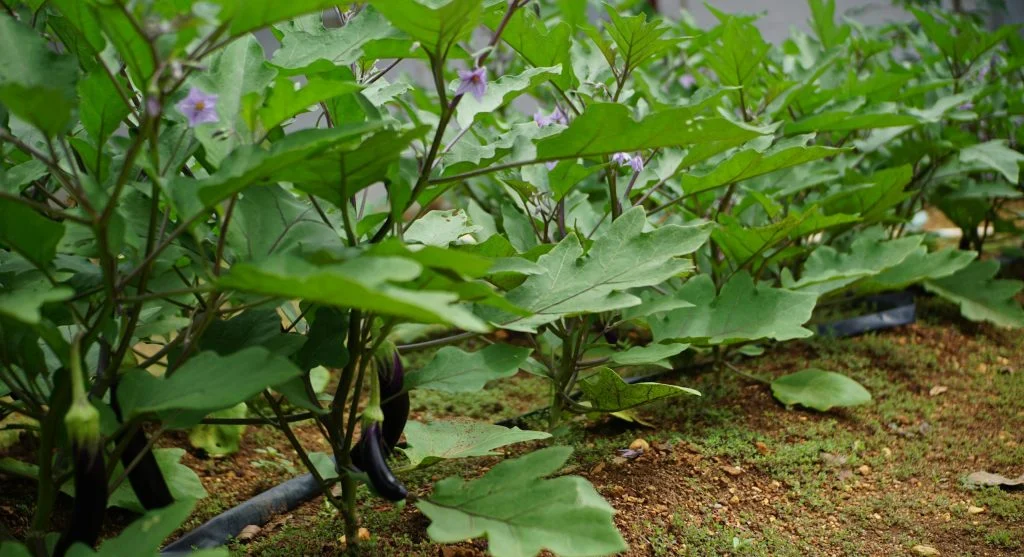
Another of the most useful growing hacks is paying closer attention to mulch along the outside edge. This area often loses mulch faster because of wind, watering, and repeated movement nearby. Once the mulch thins, the soil surface may dry and heat more quickly, which can affect the crops planted there.
Soil and water educators often note that edge mulch may need more frequent checking than mulch in the center of the bed. A border row often stays more balanced when the protective cover remains in place and at a useful depth. Even a small thinning along the edge can change how quickly the row dries compared with the rest of the bed.
Exposed bed edges usually stay more productive when the mulch is treated as active protection instead of something spread once and forgotten. That border often needs the closest watch.
Protect the Edge From Extra Foot Pressure
One of the smarter growing hacks is recognizing how much path traffic can affect the outer row. Even when gardeners stay technically out of the bed, repeated foot pressure close to the edge may tighten the soil nearby or make the border feel more stressed over time. Tools, baskets, and watering habits may also concentrate movement there more than in the center.
Garden planners often recommend keeping the path clear enough that gardeners are not forced to lean or step awkwardly against the edge while working. Simple habits like cleaner paths, better tool placement, and easier access points often reduce this repeated pressure. The less stress the edge receives, the more evenly that row can perform.
To keep productive backyard rows strong, it helps to treat the area beside the bed as part of the growing system too. The path often influences the border more than many growers realize.
Watch Whether the Edge Row Dries Faster Than the Middle
One of the more practical growing hacks is comparing the edge row to the center after warm days or watering sessions. In many beds, the border dries faster because it has more exposure and less shelter from nearby growth. If that difference goes unnoticed, the edge row may quietly begin lagging while the middle still appears healthy.
Water educators often suggest checking a little below the surface in both places rather than relying on appearance alone. If the edge repeatedly feels drier sooner, the gardener may need more targeted watering, better mulch coverage, or a crop better suited to that row. A small difference in moisture often explains a larger difference in plant performance later.
Exposed bed edges often tell their story through water movement. The sooner that pattern is seen, the easier it becomes to correct without overwatering the whole bed.
Allow a Little More Space if Border Plants Need More Air and Room
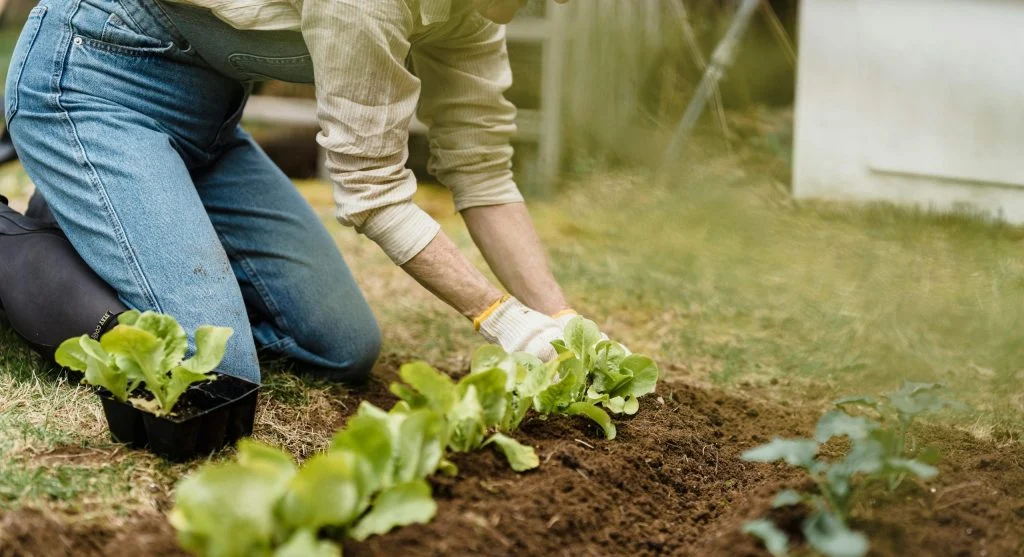
One of the best growing hacks for some beds is slightly adjusting spacing along the edge instead of copying the exact spacing used in the middle. If the border row faces stronger drying, more path heat, or heavier light, giving plants a little more room may help reduce competition and make watering and harvest easier.
Garden educators often explain that exact sameness is not always the goal. A bed can stay more balanced when small spacing changes reflect real conditions instead of treating every row identically. The edge row may benefit from a little extra airflow and access if it regularly faces more stress than the center.
Edge row gardening often works better when the layout fits the exposure. Small spacing changes may help the row stay stronger without changing the whole bed design.
Use Border Rows as Quick-Check Zones During Daily Walks
One of the more overlooked growing hacks is using the edge row as a fast signal area during regular garden checks. Because the border often responds sooner to dryness, crowding, or stress, it can act as an early warning part of the bed. If the edge still looks balanced, the rest of the bed may also be doing well. If the edge begins struggling, it may be time to look more closely at the whole space.
Outdoor planners often note that quick-check zones save time because they help growers focus attention where change appears earliest. The edge row is often ideal for this because it is easy to reach and often reacts first. That makes it useful not only as a crop row, but also as a reading tool for the entire bed.
To manage exposed bed edges well, gardeners often need to see them as both productive rows and practical signal zones. They often reveal what the bed is moving toward.
Keep Notes on Which Bed Sides Perform Best
One of the strongest growing hacks for future improvement is recording which side of each bed performs best and which side always seems to struggle more. One border may get harsher afternoon sun, another may stay cooler near a fence, and another may dry faster because of nearby paths or airflow. These differences matter when deciding where to place certain crops next season.
Garden educators often suggest noting crop type, bed side, mulch condition, watering pattern, and how the border row performed compared with the center. These notes help later planning become much more accurate. Over time, the gardener begins to understand not only which bed works best, but which side of each bed works best too.
Backyard growing usually becomes more efficient when the border is no longer treated as an afterthought. Notes help turn those small outer differences into useful long-term planning.
Frequently Asked Questions
Q: What are the best growing hacks for edge row gardening?
A: Some of the best growing hacks include choosing crops suited to more exposed conditions, keeping mulch stronger along the border, protecting the edge from path pressure, comparing edge-row moisture to the center, allowing slightly better spacing when needed, and using the border row as a quick-check area.
Q: Why do exposed bed edges often perform differently from the middle?
A: Exposed bed edges may perform differently because they often receive stronger sun, more airflow, faster moisture loss, and more nearby traffic from the path. These small differences can affect crop growth over time.
Q: How can gardeners keep productive backyard rows stronger along the border?
A: Gardeners can keep border rows stronger by matching crops to exposure, maintaining mulch more carefully, reducing repeated stress near the edge, and watching moisture and spacing more closely than they do in the center of the bed.
Q: What helps make edge rows useful beyond just growing crops?
A: Edge rows are also helpful as quick-check zones because they often respond first to dryness and stress. This makes them useful for reading the condition of the whole bed during daily garden checks.
Key Takeaway
These growing hacks show that edge rows usually stay more productive when gardeners treat them as slightly different spaces instead of assuming every row behaves the same way. Crop choice, mulch, path pressure, moisture checks, spacing, and better observation all help exposed bed edges stay stronger through the season. Simple notes also make future bed planning much more accurate. For many growers, the best growing hacks are the ones that turn the outer row from the weakest part of the bed into one of the most useful parts to read and manage.