
Useful growing hacks can help backyard gardeners make good use of a space that opens unexpectedly in midseason. One crop finishes early, a small section is harvested out, and suddenly the bed has room again. This feels like a bonus. The soil is there, the season is still moving, and it seems wasteful to leave that opening unused. But late-opening space is not the same as a fresh empty bed at the start of the season.
That newly cleared patch sits inside an already active growing system. Nearby crops may still be large, roots may already fill the surrounding soil, and the daily routine of watering, harvest, and access has already been established. These growing hacks focus on how to reuse garden space after early crops finish, how to choose follow-up planting ideas that fit the moment, and how to keep the bed’s main rhythm from turning into a crowded patchwork later in the season.
Late-Opening Space Is Part of a Working Bed, Not a Blank Start
One of the most useful ways to think about midseason openings is to stop treating them like brand-new opportunities with no limits. The space may look free, but it is still shaped by everything happening around it. Taller crops may already cast shade. Water may already move through the bed in a certain pattern. The easiest path for harvest or inspection may already pass right beside that opening.
This is why the best growing hacks for reused space begin with context. The opening matters, but the bed around it matters just as much. A smart follow-up planting supports what is already working instead of forcing the bed into a second unrelated plan.
What Just Finished Often Helps Decide What Should Come Next
Another strong clue comes from the crop that just left. If the early crop was small, shallow, and quick, the bed may still have enough flexibility for another compact planting. If it was dense, hungry, or heavily rooted, the follow-up choice may need to be simpler and lighter. Good reuse is not only about the size of the opening. It is also about what the space has already been through.
This helps prevent a common mistake: planting the most exciting possibility instead of the most sensible one. The best follow-up planting ideas usually grow out of the condition the previous crop leaves behind, not from whatever seed packet happens to sound good that day.
Compact Follow-Up Crops Usually Fit Better Than Ambitious Ones
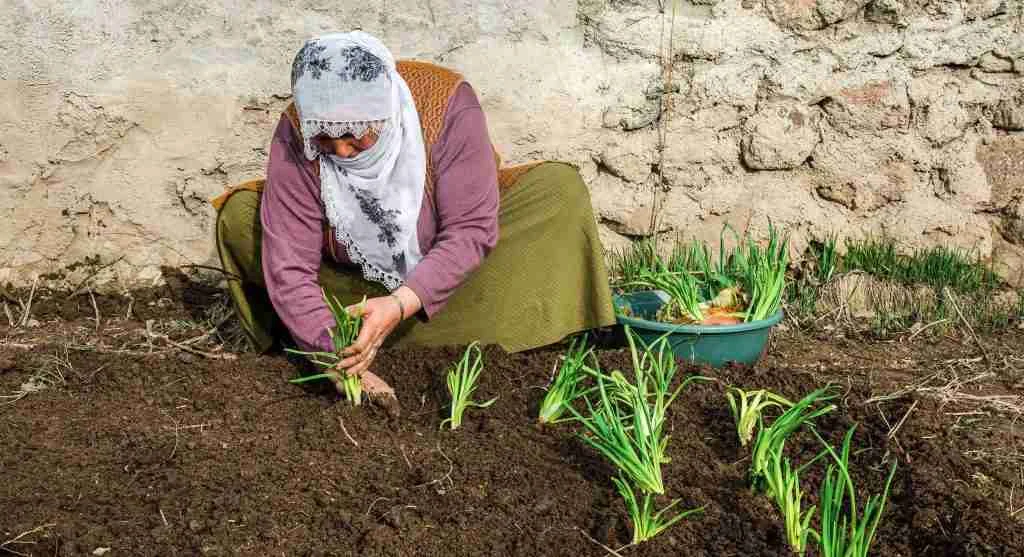
Midseason openings often reward modest choices. Small greens, herbs, radishes, green onions, or other tidy quick crops usually fit better than plants that expect to dominate the space for a long stretch. A late-opening section often works best when the replacement crop understands that it is joining an already busy bed instead of claiming one all to itself.
This is one of the most reliable growing hacks for keeping a bed organized. A compact crop can use the opening productively without changing the whole balance of the planting. A large sprawling crop often asks for more room, more time, and more attention than the reopened space can realistically offer.
Follow-Up Planting Should Not Break the Bed’s Access Pattern
Every active bed develops a working rhythm. The gardener learns where to stand, where to reach, where to water, and how to move around the planting without disturbing it too much. A poor second planting often breaks that rhythm. It sits in the wrong place, crowds the route to a main crop, or forces water to be delivered from awkward angles.
That is why keep garden bed organized is not just about how the bed looks. It is about whether the space still functions well after the new crop goes in. A useful refill planting should feel like it belongs there, not like it cut across the logic of the whole bed.
Late Light and Late Shade Matter More Than Spring Assumptions
One of the easiest mistakes in reused garden space is forgetting how much the light has changed since planting season began. By midsummer or late summer, taller crops have expanded, neighboring beds may cast more shade, and the angle of the sun can affect certain strips very differently than it did earlier. A space that once looked bright and open may now spend much more time protected or blocked.
This matters because a good second planting should be chosen for the light the bed has now, not the light it had at the beginning of the season. Many follow-up planting ideas fail not because the crop was bad, but because the gardener reused spring logic in a summer space that had already changed.
Sometimes the Best Use of the Opening Is Simpler Soil Support
Not every cleared patch needs a new crop right away. In some cases, the best move is lighter care rather than immediate replanting. A little soil support, mulch adjustment, or simple rest may be more valuable than forcing another crop into a spot that is not really ready for it. This is especially true when the surrounding planting is already busy enough to need steadiness more than extra production.
One of the smartest growing hacks is knowing that using space does not always mean planting space. Sometimes the best use of an opening is to make the rest of the bed easier to maintain through the next stretch of the season.
Short-Window Spaces Need Short-Window Thinking
Late-opening patches often have a shorter useful life than gardeners first expect. Nearby plants may soon widen. Shade may deepen. The weather window may narrow. This means the follow-up crop should usually match that shorter timeline. A quick useful harvest often makes more sense than a slow ambitious crop that will still be struggling for room when the rest of the bed closes around it.
This way of thinking keeps reuse practical. The gardener stops asking, “What can I squeeze in?” and starts asking, “What can succeed cleanly before this opening disappears again?”
Keep Notes on Which Openings Were Worth Reusing
Some midseason openings turn into excellent second opportunities. Others only create awkward mixed-age sections that are harder to water and harvest. One of the best habits a backyard grower can build is noting which reused spaces actually helped the bed and which ones felt like more trouble than value.
Those notes make future follow-up planting ideas much stronger. Over time, the gardener learns which beds welcome second crops gracefully and which beds are better left stable after the first round finishes.
Frequently Asked Questions
Q: What are the best growing hacks for garden space that opens after an early crop finishes?
A: The best growing hacks include treating the opening as part of an active bed, choosing compact follow-up crops, protecting watering and harvest access, checking current light conditions, and remembering that some openings are better stabilized than replanted.
Q: Should gardeners always replant a bed section after harvesting an early crop?
A: No. Some openings are worth reusing, but others may be too shaded, too crowded, or too short-lived to support a useful second planting without making the bed harder to manage.
Q: What crops usually work best in late-opening garden space?
A: Small greens, herbs, radishes, green onions, and other tidy quick crops often work best because they fit a shorter window and do not compete too heavily with the rest of the bed.
Q: How can gardeners keep a reused bed section from turning messy later?
A: Gardeners can keep it manageable by choosing modest crops, respecting the bed’s existing access pattern, thinking about current light instead of early-season light, and avoiding second plantings that expect too much time or space.
Key Takeaway
These growing hacks show that a late-opening patch can be useful, but it should never be treated like a fresh empty bed with no limits. The most successful follow-up plantings are usually compact, quick, and respectful of the bed’s existing rhythm. Backyard gardeners who reuse space with that mindset often keep both productivity and order, instead of trading one for the other.