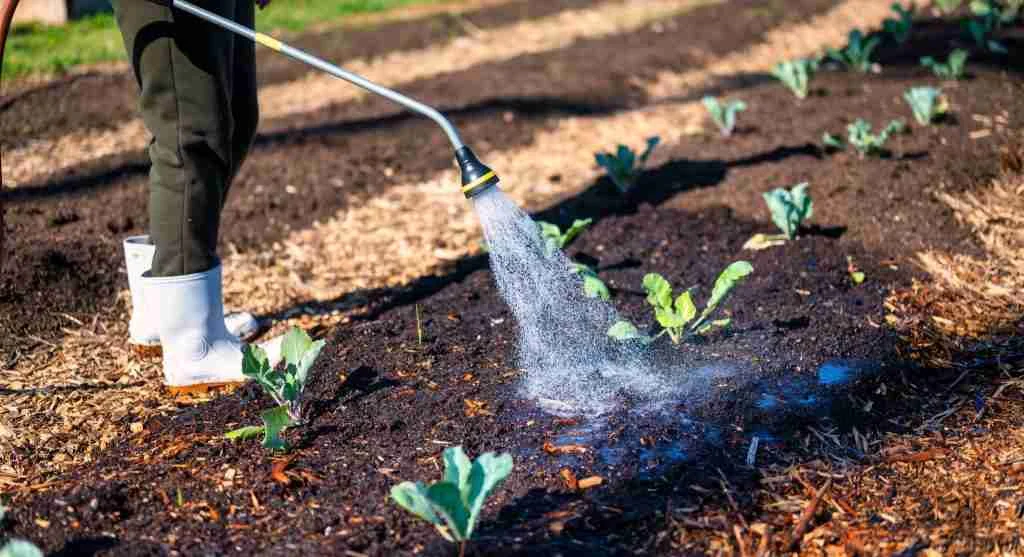
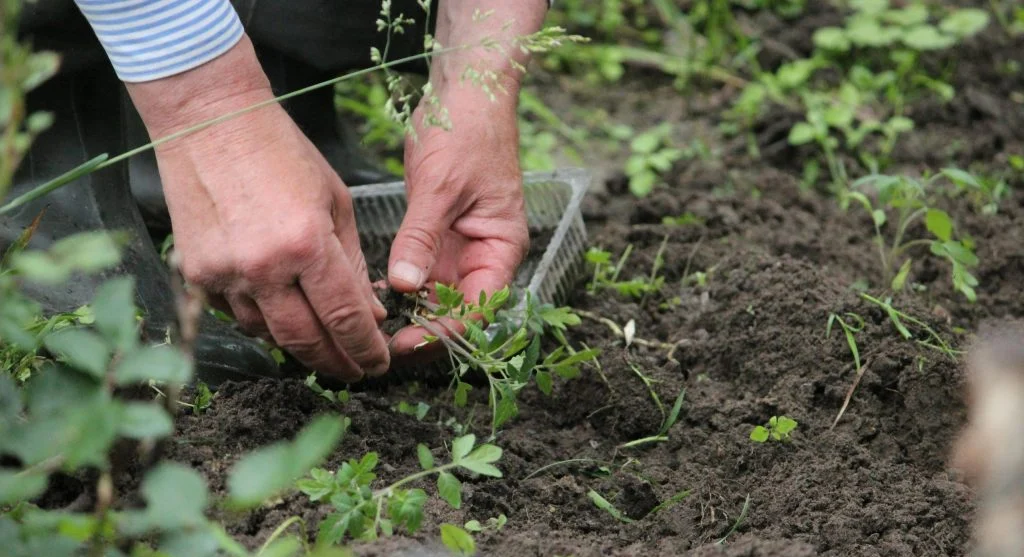

Useful soil tips can help backyard gardeners notice surface crusting before a bed becomes harder to water, harder for seedlings to emerge through, and less balanced overall. Soil crusting often begins quietly. The top layer dries, tightens, and turns into a thin firm surface after sun, wind, watering, or rain. At first, the bed may still look mostly healthy, but the upper layer may already be starting to work against the next stage of growth.
Soil educators, seed-starting specialists, and experienced home growers often explain that the top layer of soil matters more than many gardeners expect. Even when deeper soil still holds moisture, a hardened surface may interfere with seedling emergence, water entry, and the general ease of bed care. These soil tips focus on how to spot soil surface crusting early, protect seedling emergence, and improve topsoil condition before the whole bed begins to feel more difficult to manage.
Why Soil Tips Matter When the Surface Starts Hardening
The top layer of a bed acts like the garden’s front door. It is where water first lands, where new seedlings first rise, and where the grower often reads the condition of the soil. If that surface begins sealing or tightening too much, the rest of the bed may still function for a while, but the first signs of stress often start there.
Researchers who study soil structure often note that thin surface crusts can affect how water enters the soil and how easily young plants push upward through the upper layer. This is why soil tips matter so much when surface change begins. What looks like a small top-layer issue may shape several later problems if it is ignored too long.
To improve topsoil condition, gardeners often need to pay attention before the bed looks truly damaged. Early surface changes usually offer the easiest time to respond well.
Notice When Water Starts Sitting on Top for Longer Than Before
One of the strongest soil tips is watching how water behaves when it first touches the bed. If the surface has begun tightening, water may sit longer, move more slowly inward, or start running toward the side before soaking in as expected. This often happens before the bed looks badly crusted from a distance.
Water educators often explain that slower entry can signal that the top layer is becoming denser than it was earlier in the season. The deeper soil may still be usable, but the surface has become less welcoming to water. That change often affects later watering accuracy because the grower may respond by watering more, even when the real issue is how the top layer is receiving the water.
Soil surface crusting often shows itself through water behavior first. The way the bed accepts water is often the clearest early signal a gardener can read.
Check the Top Layer by Hand Instead of Only by Appearance
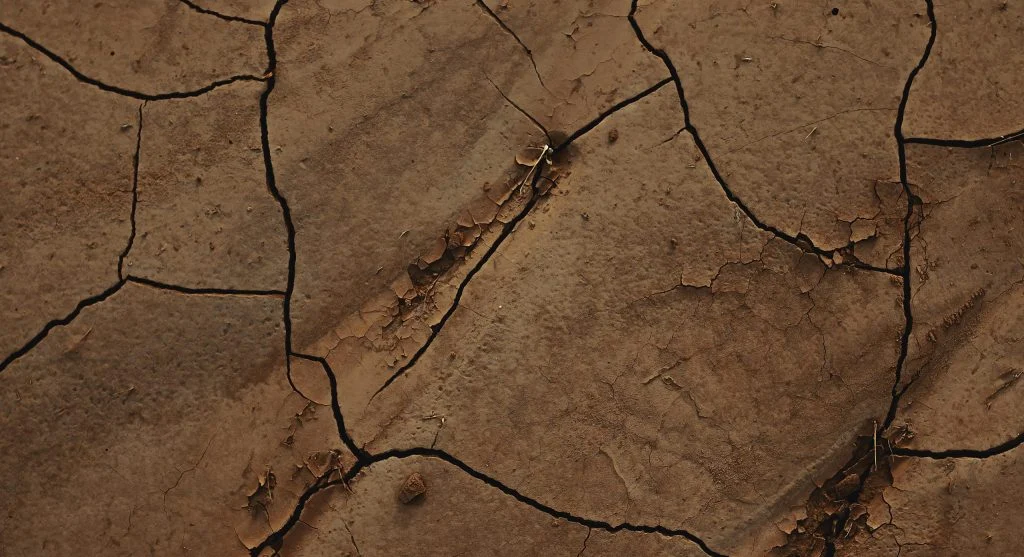
Another of the most useful soil tips is touching the topsoil instead of relying only on how it looks. A bed may appear dry, dark, or even fairly normal from above while the top layer has already formed a thin firm skin. A quick hand check often reveals whether the surface breaks gently or resists more than it should.
Soil educators often suggest lightly pressing or crumbling a small section between the fingers. If the upper layer breaks apart easily, the surface may still be in workable condition. If it feels thin, dense, or harder than expected before the soil below is reached, the bed may be moving toward crusting. That difference can matter a lot for seedlings and watering.
To protect seedling emergence, gardeners often need to understand how the top layer feels, not only how the bed looks. Texture often tells the truth earlier than color does.
Watch Newly Seeded Areas More Closely Than Established Rows
One of the smarter soil tips is giving extra attention to beds or strips where seeds were recently sown. Established plants may still tolerate a firmer surface nearby, but emerging seedlings often face much greater difficulty if the upper layer hardens too much. This is especially important in warm weather when topsoil can dry quickly after watering.
Seed-starting educators often explain that young seedlings need a surface that stays open enough for small stems to push through. A crusted top layer may delay emergence, create weaker early growth, or leave some parts of a row noticeably behind. Because of this, newly seeded sections often deserve the closest top-layer checks of all.
Soil surface crusting can quietly change the whole success of a direct-sown bed. Young rows often reveal this problem before older crops do.
Protect the Surface From Repeated Bare Exposure
One of the more practical soil tips is reducing how much bare surface stays exposed to strong sun, wind, and repeated drying. A fully open top layer often hardens faster because nothing protects it from quick moisture loss and repeated impact from water or weather. This may be especially noticeable in open paths within the bed or recently cleared sections.
Soil care specialists often note that light surface protection, thoughtful watering, or gentle organic cover in the right situations may help the upper layer stay more balanced. The exact method may differ depending on whether the bed is already planted, newly seeded, or between crops, but the goal stays the same: reduce the stress that turns a loose surface into a tight one.
To improve topsoil condition, it often helps to think about what the upper layer faces every day. Exposure often explains why the crust appears where it does.
Use Gentle Watering When the Surface Is Vulnerable
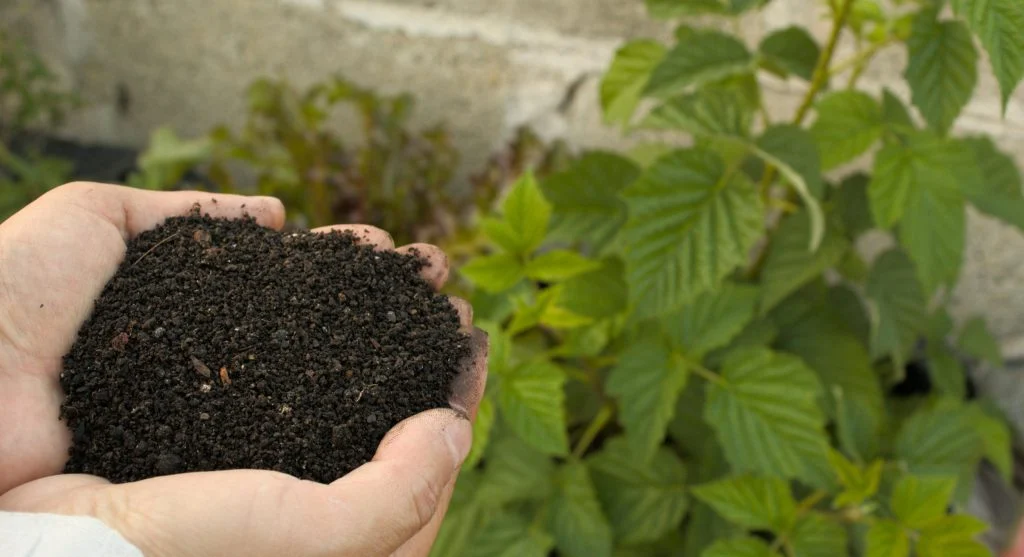
One of the best soil tips is avoiding watering that hits the surface harder than necessary when the top layer is already tending toward firmness. A strong flow may seem helpful, but it can sometimes make the upper layer more vulnerable to sealing once it dries again. Gentle watering often supports better entry and reduces extra stress on the topsoil.
Water specialists often explain that a slower more even application gives the surface a better chance to absorb moisture without being pounded into a tighter layer. This is especially important in beds with direct-sown seeds, young seedlings, or recently refreshed soil. The goal is not only adding water, but helping the surface stay workable afterward.
To protect seedling emergence and improve topsoil condition, gardeners often need to think about how water lands, not just how much is used. Gentle watering often supports both goals at once.
Read Crusting as a Local Problem Before Treating the Whole Bed the Same
One of the more overlooked soil tips is noticing that crusting may appear in one part of the bed more than another. One row may harden faster because it gets stronger afternoon sun. Another may seal after repeated watering near the same path edge. If the whole bed is treated the same way without checking these differences, the real cause may stay hidden.
Garden planners often recommend comparing several small sections of the bed. Where is the surface hardest? Where do seedlings struggle most? Where does water start pooling first? These comparisons help the gardener understand whether the issue is a whole-bed pattern or a weaker top layer in one repeated zone.
Improve topsoil condition more accurately by reading the bed in sections. A local surface problem often calls for a local response first.
Keep Notes on When and Where Crusting Appears
One of the strongest soil tips for long-term improvement is recording when crusting begins, what the weather had been like, and which parts of the bed showed it first. Some beds may crust more after hot dry stretches, while others may tighten after heavy watering or rain followed by quick sun. These patterns help later prevention become much easier.
Garden educators often suggest simple notes about crop stage, watering method, weather, and the specific row or section affected. These records do not need to be detailed to help. Over time, they reveal which beds need gentler watering, which rows need closer early checks, and which seasonal conditions tend to trigger the problem most often.
Soil surface crusting becomes much easier to manage once it stops feeling random. Notes help turn a repeating frustration into a more readable pattern.
Frequently Asked Questions
Q: What are the best soil tips for early surface crusting?
A: Some of the best soil tips include watching how water enters the surface, checking the top layer by hand, giving newly seeded areas extra attention, protecting bare topsoil from repeated exposure, using gentler watering, and comparing different bed sections instead of treating the whole bed exactly the same.
Q: Why does soil surface crusting matter so much for seedlings?
A: Soil surface crusting matters because a hardened top layer may slow or block seedling emergence, reduce even watering entry, and make the early growth stage much harder for young plants in direct-sown beds.
Q: How can gardeners improve topsoil condition when crusting starts?
A: Gardeners can improve topsoil condition by identifying where crusting is forming, reducing repeated exposure, adjusting watering style, and watching local sections of the bed more closely so the surface stays more workable.
Q: What usually reveals soil surface crusting first?
A: Early signs often include water sitting on the surface longer, a firmer feel in the top layer, slower seedling emergence, and repeated hardening in the same exposed or heavily watered sections of the bed.
Key Takeaway
These soil tips show that surface crusting is easiest to manage when gardeners notice it early through water behavior, top-layer texture, and the condition of newly seeded rows. Gentle watering, closer checks of exposed spots, and better awareness of where the topsoil is tightening all help improve topsoil condition and protect seedling emergence before the whole bed begins to struggle. Short notes make later prevention much easier too. For many gardeners, the best soil tips are the ones that protect the thin upper layer that everything else must pass through first.