

Useful soil tips can help backyard gardeners catch a problem that often stays hidden longer than expected: the top of the bed still looks acceptable, but the part of the soil that matters most to the roots is no longer behaving well. This is one of the easiest garden issues to miss because the surface can remain neat, workable, and even visually healthy while the lower growing zone begins losing balance.
Many growers judge a bed mainly by what they can see first. If the surface looks loose enough, mulch seems fine, and the crop is still standing, the bed may appear to be in good shape. But roots do not live at the surface. They respond to what happens underneath it. These soil tips focus on how to read hidden root-zone trouble, how to recognize when surface appearance is giving false confidence, and how to improve bed conditions before the crop begins showing more obvious decline.
The Surface Does Not Always Tell the Whole Story
A tidy-looking surface can be reassuring, but it is only the top layer of the garden’s real working system. The part of the bed that actually supports steady growth lies deeper, where moisture, structure, air, and root movement need to stay balanced over time. If that zone slips out of balance, the crop may begin struggling even though the bed still looks respectable from above.
This is why some of the most useful soil tips ask the gardener to read more than appearances. A bed may look calm while the root zone below becomes too tight, too uneven, too quick to dry, or too irregular in how it holds moisture from one section to another.
Crops Often Show Root-Zone Trouble Indirectly
When the root zone is no longer working smoothly, plants do not always send dramatic signals right away. More often, they become less consistent. One area grows a little slower. Another part of the bed needs water sooner than expected. A crop that used to recover quickly after heat begins staying duller for longer. These small changes are often easier to notice in plant rhythm than in plant color at first.
This matters because gardeners sometimes wait for obvious distress before rethinking the soil below. In reality, weaker rhythm is often one of the earliest clues. A bed with hidden root-zone problems may still produce, but it begins doing so with less steadiness and less confidence.

Moisture Trouble Often Starts Below Before It Shows Above
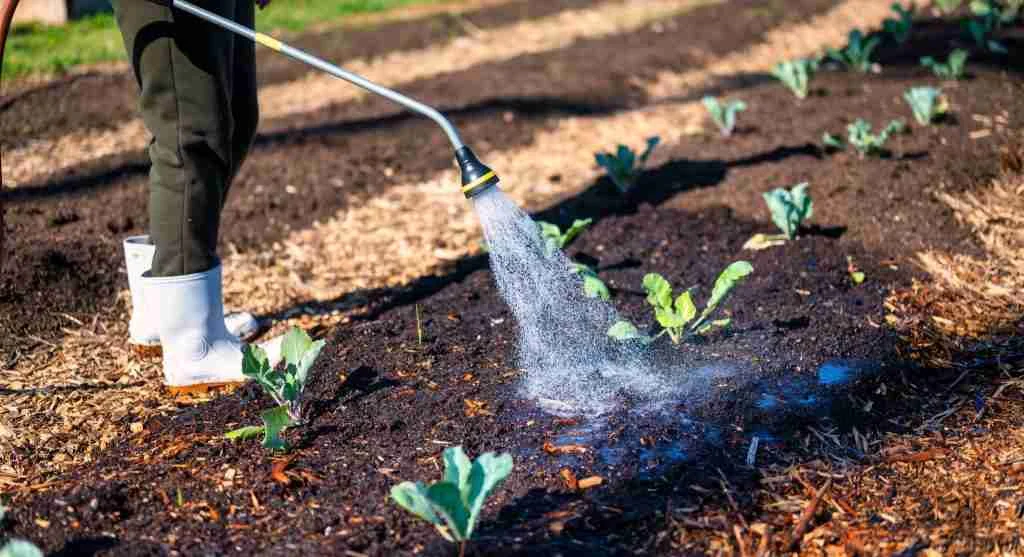
One of the most practical soil tips is to stop assuming that water behavior can be judged by the surface alone. A bed may look evenly damp on top while the root zone below holds water unevenly, dries too fast in some sections, or stays less supportive than it did earlier in the season. This often creates mixed crop response that seems confusing unless the gardener thinks below the top layer.
That is one reason root-zone problems often feel mysterious at first. The bed does not look clearly wrong after watering. Yet the plants behave as if they are not receiving the same quality of support. The answer is often buried just below the place where the eye naturally stops checking.
A Bed Can Feel Easy to Work Yet Still Be Unsteady for Roots
Many growers love a bed that feels easy to dig, easy to plant, and easy to touch. That softness is pleasant, but it does not automatically mean the deeper soil is performing well. A bed can feel comfortable at the surface while still being too inconsistent, too dry in pockets, or too loose in a way that makes root support less dependable over time.
Good soil tips help separate ease of handling from quality of structure. The bed should be workable, but it should also remain steady enough that roots can rely on it from one weather change to the next. When that steadiness weakens, the crop usually notices it before the surface does.
Repeated Small Water Corrections Can Be a Warning Sign
One quiet clue that the root zone is no longer smooth is that the gardener keeps needing small correction waterings more often than before. A section dries out early. Another section seems fine. One row needs attention again even though the bed was watered recently. These repeated adjustments often point to a bed that is not holding balance below the surface very well.
This does not always mean the gardener is watering poorly. Sometimes it means the bed itself has become harder to support evenly. The grower is compensating for a deeper inconsistency that has not yet become obvious from above.
Root-Zone Trouble Often Shows Up as Uneven Energy Across the Bed
When the lower soil is working smoothly, a bed often feels more unified. Growth may not be identical in every inch, but the crop generally moves with shared energy. When the root zone becomes inconsistent, the bed can start splitting into small zones of strong and weak performance. The garden no longer behaves like one bed. It behaves like several separate conditions sharing the same frame.
This is one of the clearest early warning signs. A grower may notice that one side keeps pulling ahead, one patch keeps lagging, or one crop in the bed keeps reacting faster to weather than the rest. These differences often deserve a below-surface explanation, not just a surface one.
Careful Support Usually Helps More Than Dramatic Disturbance
Once gardeners suspect hidden root-zone trouble, the instinct is sometimes to rework the bed aggressively. That is not always the best move. In many cases, the smarter answer is steadier support: thoughtful organic matter, better moisture management, protection of the surface, and fewer unnecessary disturbances that prevent the bed from regaining a more dependable structure.
The goal is not to chase perfect soil in one afternoon. It is to help the bed behave more evenly again. Many of the best soil tips work through consistency rather than force.
Keep Notes on Which Beds “Look Fine” but Keep Acting Difficult
One of the strongest long-term habits a gardener can build is to record which beds repeatedly appear acceptable on the surface but behave unpredictably underneath. Some beds may always need more correction watering. Others may repeatedly show slower zones without obvious surface clues. These patterns become much easier to manage once they are written down.
Over time, those notes turn vague frustration into usable knowledge. The gardener stops saying, “This bed is strange,” and starts understanding exactly how that bed tends to drift below the surface. That is where the most practical soil tips become real skill.
Frequently Asked Questions
Q: What are the best soil tips for checking hidden root-zone problems?
A: The best soil tips include watching crop rhythm, noticing repeated small watering corrections, comparing sections of the same bed, and remembering that a good-looking surface does not always mean the lower soil is still balanced.
Q: Why can a bed look fine on top but still struggle below?
A: The surface may remain tidy and workable while the root zone below becomes too uneven, too quick to dry, or less able to support roots steadily. Plants often respond to that hidden change before the surface shows anything obvious.
Q: How do gardeners know if the root zone is becoming inconsistent?
A: Common signs include mixed plant energy across one bed, sections that repeatedly need extra watering, and crops that no longer respond evenly after normal care.
Q: Should gardeners completely rework a bed when hidden root-zone issues appear?
A: Not always. Often the better response is steadier support through better organic balance, surface protection, and careful moisture management rather than major disturbance.
Key Takeaway
These soil tips show that a bed can remain visually calm while the working zone below begins drifting out of balance. Gardeners who look beyond the surface, notice uneven crop rhythm, and respond to repeated small warning signs usually catch root-zone trouble early enough to correct it with lighter, steadier care. In many gardens, the most important soil changes happen where the eye does not naturally stop.