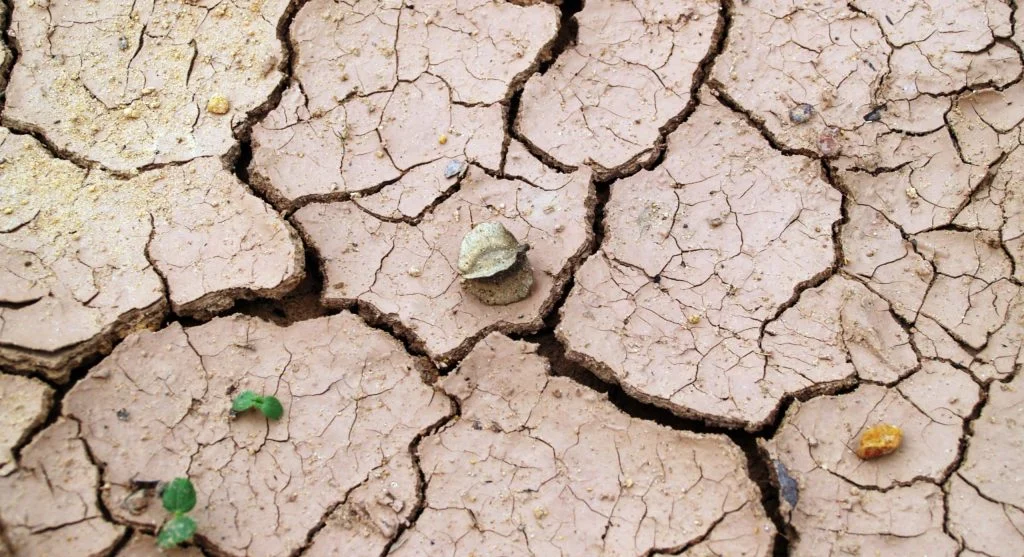

That early stage matters. A bed rarely becomes weak overnight. Instead, it slowly loses some of its energy, balance, and structure. Crops may need more effort to produce the same result. Water may not behave quite the same way. New growth may look less strong than it did in earlier weeks. These soil tips focus on how to read those early warning signs, understand what a tired garden bed often looks like, and refresh backyard soil before weaker growth becomes the new normal.
A Bed Can Be Alive and Still Be Losing Strength
One of the most helpful things a gardener can understand is that weak soil does not always look dead. A bed may still have green plants, flowers, and harvests while quietly falling behind. This is why tired soil is so easy to miss. The garden is still doing something, so it feels like everything is fine. But once that bed is compared with a stronger one, the difference often becomes clear.
Some beds stop pushing crops with the same force they had earlier in the season. Plants may hold on, but they do not move forward with the same energy. Leaves may stay smaller. Growth may slow after warm weather. A crop that should feel strong may feel only acceptable. This is often the point where smart soil tips make the biggest difference, because the problem is still manageable.
Smaller Plants Than Expected Are Often One of the First Clues
Many gardeners notice a tired bed when they realize plants simply are not reaching the size they expected. The crop may not look sick. It may just look undersized. The leaves may be shorter, the stems may stay thinner, and the overall shape of the plant may feel less impressive than it should for that stage of the season.
This clue is especially useful when the same crop is growing somewhere else in the yard under better conditions. A side-by-side comparison often reveals what memory alone misses. If one bed consistently produces smaller versions of the same plant, the soil below may be part of the reason.
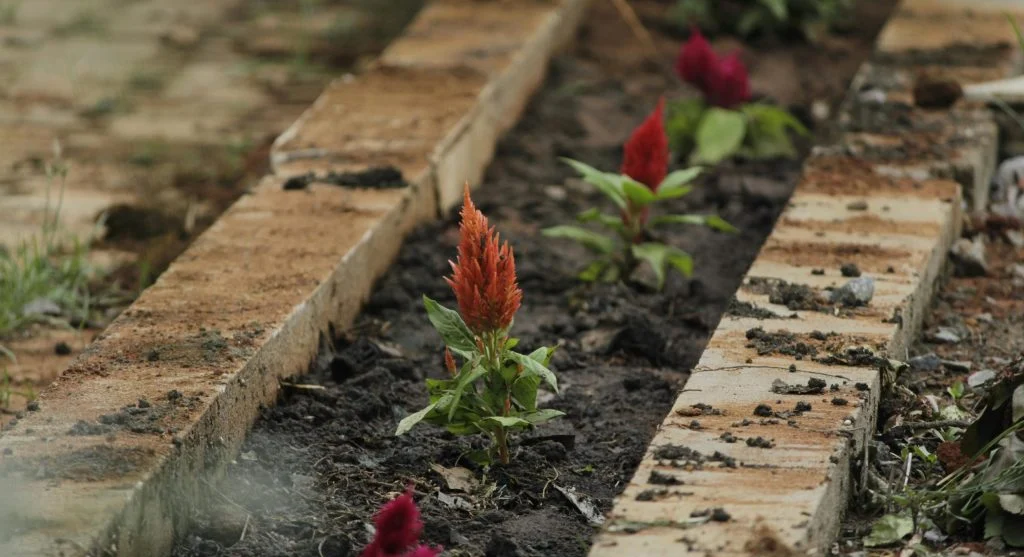
Growth That Starts Well but Fades Too Soon Deserves Attention
Another useful sign is a bed that begins the season reasonably well and then loses momentum sooner than expected. Early leaves may look healthy, but later growth becomes less impressive. The bed may seem to run out of energy before the crop should be slowing down. This often makes the gardener think the weather is to blame, when the soil may also be part of the problem.
A strong bed usually supports not only early growth but continued growth. A tired bed often struggles to carry that progress forward. This is one reason why regular observation matters so much. Soil tips are most valuable when they help the grower notice not just how the bed starts, but how long it stays strong.
Uneven Color Can Matter Even Without Clear Disease
Color changes do not always mean a plant is badly unhealthy, but subtle unevenness can still be a clue. If leaves appear a little duller, slightly less rich in color, or less vibrant than the same crop elsewhere, the bed may not be supporting steady growth as well as it should. The plant may still function, but it does not look fully confident.
This kind of color difference is easy to ignore because it often develops gradually. But when it appears together with smaller size and slower growth, it can point toward a bed that needs extra attention. Soil tips are often about reading several moderate signs together instead of waiting for one dramatic problem.
Water That Feels Less Effective Than It Used To Can Signal a Tired Bed
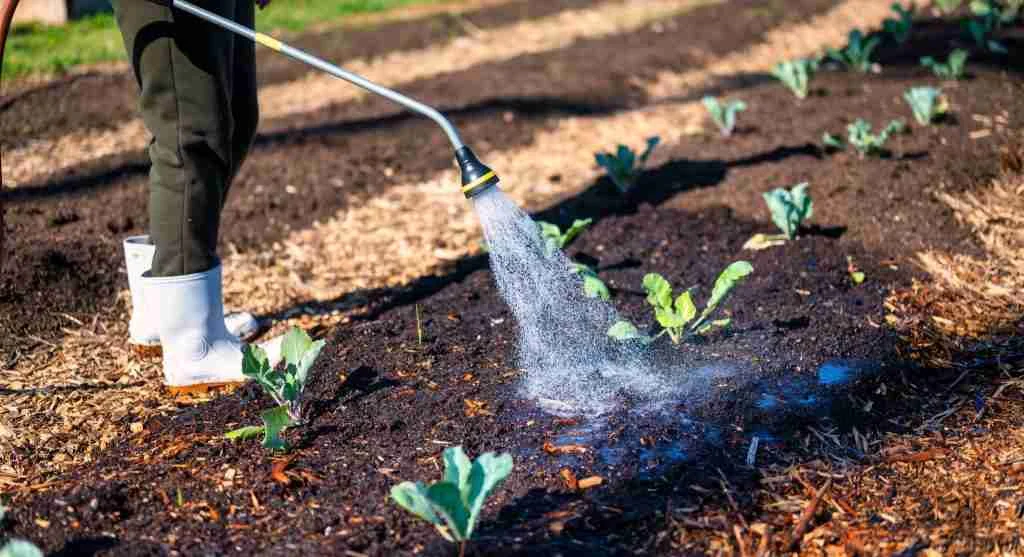
Sometimes the clue comes from the routine itself. A gardener may water carefully, yet the bed does not seem to respond with the same freshness as before. The soil may dry in an uneven way, or the plants may not seem to benefit as much from regular support. This does not always mean the bed needs more water. It may mean the soil is no longer holding or using moisture in a balanced way.
A refreshed healthy bed often responds more predictably. A tired one may behave inconsistently. Some sections may dry faster, while others stay heavier. That uneven response often creates smaller, weaker growth because the roots are not getting the same stable conditions they need.

Credit: Ylanite Koppens / Pexels
Repeated Cropping Without Enough Recovery Often Shows Up Eventually
Backyard beds are often expected to do a lot. They may grow one crop after another with very little pause. That can work well for a time, but eventually the soil may need more support if the bed is going to keep producing strongly. A tired garden bed often reflects not one mistake, but many seasons of steady use without enough rebuilding.
This does not mean the bed has failed. It usually means the bed is asking for attention. Refreshing organic matter, improving surface care, and observing which sections are falling behind can help restore balance. The earlier this happens, the easier it is to bring the bed back into a stronger rhythm.
The Surface Often Tells Part of the Story
The top layer of the bed can reveal a lot. If the surface looks flat, lifeless, hard, or less crumbly than it once did, that may reflect deeper loss of balance below. A healthy soil surface usually looks like it belongs to an active growing system. A tired surface often looks more passive, more compacted, or less responsive.
Mulch may disappear quickly. Water may not enter as smoothly. The upper layer may dry out in an unhelpful way. These surface changes do not prove everything on their own, but they often support what the plants are already showing above ground.
Refreshing a Bed Does Not Always Mean Starting Over
Many gardeners think a tired bed needs a complete rebuild, but that is not always true. In many cases, the bed simply needs thoughtful support. Organic matter, gentler surface protection, better watering awareness, and more careful attention to weak areas can gradually restore a better pattern. Small improvements often matter more than dramatic changes done once.
The goal is not perfection. The goal is to help the bed behave like an active growing space again. Soil tips work best when they help gardeners respond early, before the bed becomes so weak that every crop feels like a struggle.
Keep Notes on Which Beds Lose Energy First
One of the smartest habits a gardener can build is keeping track of which beds tend to lose strength sooner than others. Some spaces may handle repeated planting well. Others may begin showing smaller crops, weaker color, or slower growth more quickly. Notes help reveal these patterns clearly.
That record becomes valuable over time. It shows which beds need extra organic support, which areas dry unevenly, and which crop sequences seem to leave the bed more tired than expected. Refresh backyard soil more effectively by learning exactly where the weakness usually starts.
Frequently Asked Questions
Q: What are the early signs of a tired garden bed?
A: Early signs often include smaller plant size, slower later growth, slightly weaker leaf color, less even water response, and a bed surface that looks harder or less active than usual.
Q: Why do plants grow smaller in one bed than another?
A: Plants may grow smaller when one bed is losing strength through repeated cropping, weaker soil structure, uneven moisture behavior, or lower organic support. Comparing similar crops across beds often reveals this early.
Q: How can gardeners refresh backyard soil without rebuilding the whole bed?
A: Gardeners can refresh backyard soil by adding organic matter, protecting the surface better, observing weak zones more carefully, and making smaller steady improvements instead of waiting for a major decline.
Q: When should gardeners act on weak soil signs?
A: The best time is early, when the bed still grows crops but no longer performs as strongly as it should. Early action usually leads to easier recovery and better future harvests.
Key Takeaway
These soil tips show that a tired bed often reveals itself through smaller plant size, fading momentum, less reliable moisture response, and a surface that no longer looks fully active. The sooner those signs are noticed, the easier it is to refresh backyard soil and bring the bed back into stronger balance. Small steady support usually matters more than waiting for the bed to fail completely. For many gardeners, the best soil tips are the ones that catch weakness while the bed still has time to recover well.