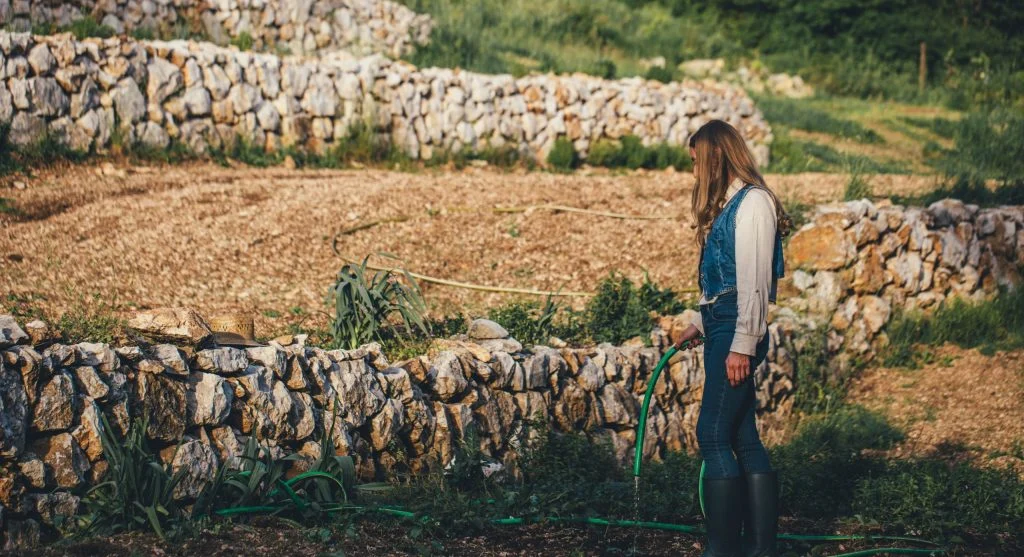

Useful water saving tips can help backyard gardeners realize that a lot of watering waste does not come from watering too often alone. It often comes from watering the wrong parts of the bed. In many home gardens, water lands across the whole surface even when only certain parts truly need it. Bare patches, unused corners, open strips between plants, and wide spaces between rows may end up getting almost as much water as the crops themselves.
That habit is easy to understand. Watering the whole bed feels simple, quick, and complete. But plants do not use moisture evenly across every inch of soil. Roots are concentrated in certain zones, and those are the areas where water matters most. These water saving tips focus on how to water more efficiently, how to reduce waste on empty soil, and how to make target root zone watering a more natural part of daily backyard care.
Not Every Part of the Bed Uses Water the Same Way
One of the biggest watering mistakes happens when the whole bed is treated like one uniform surface. In reality, some parts of a bed are actively feeding plants while other parts are only open space. Even when the soil looks connected from edge to edge, the true need is often uneven. The crop root zone usually matters far more than the empty areas around it.
This does not mean bare soil should never receive moisture. It means the gardener should notice the difference between supportive watering and wasteful watering. Water that lands where roots are not actively using it may disappear through evaporation or simply soak space that is not helping the crop very much.
Wide Open Spaces Between Plants Often Get More Water Than They Deserve
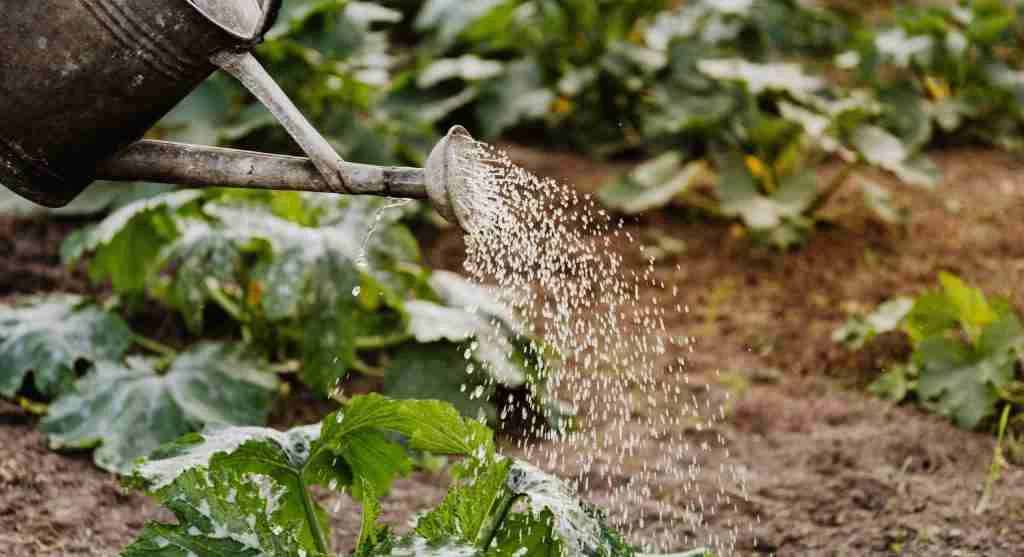
Many gardeners are surprised when they realize how much water lands in the open areas between plants. This often happens with hoses, cans, and general bed-wide watering habits. The hand moves across the surface evenly, but the bed itself is not asking evenly. One plant may need careful root support while the open area beside it receives nearly the same amount.
Efficient garden watering begins when the grower starts noticing where the water actually lands. If the open soil keeps getting soaked while the crop still seems inconsistent, the watering method may need to become more targeted rather than simply more frequent.
The Root Zone Should Lead the Watering Pattern
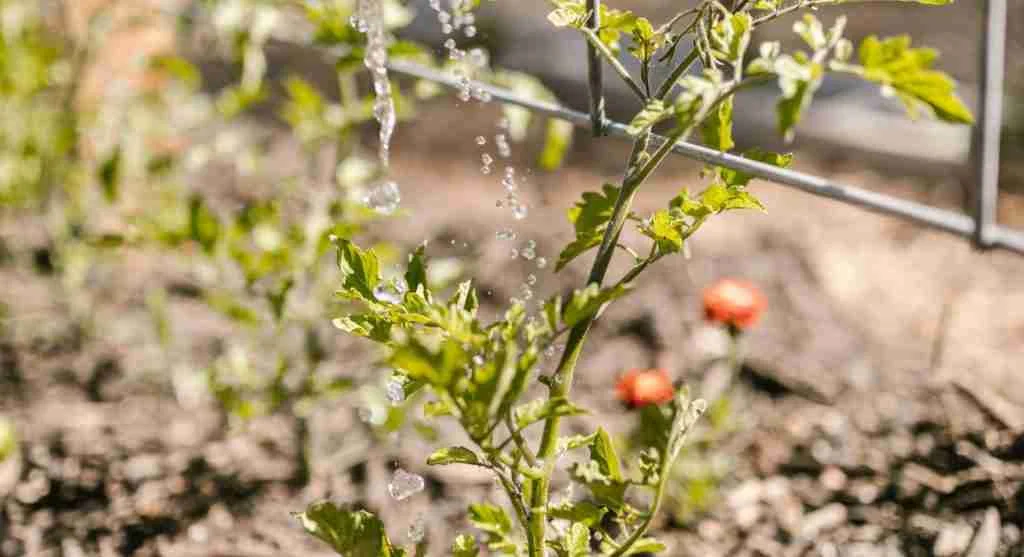
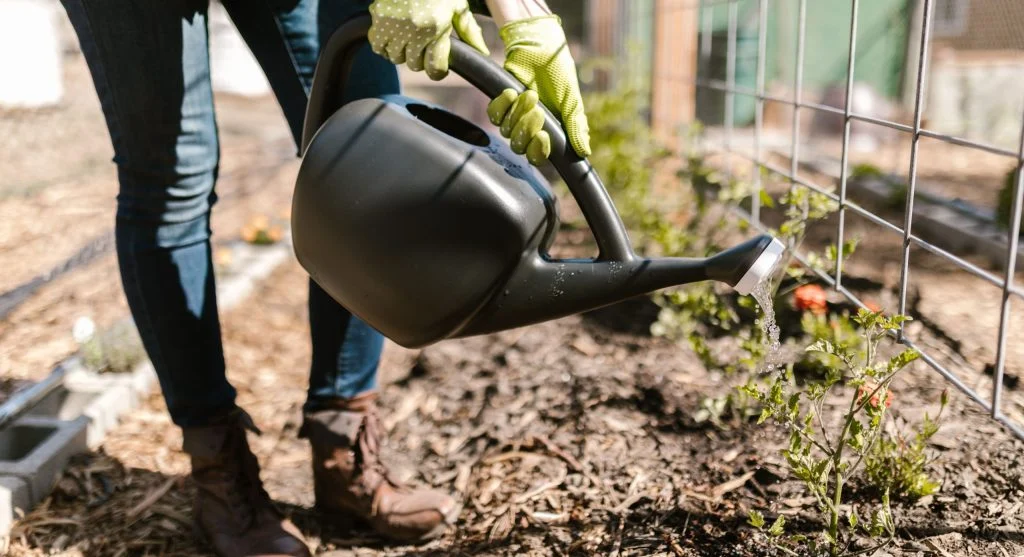
A smarter routine often begins with one simple question: where are the roots doing the most work right now? Once that is clear, watering becomes easier to shape. Instead of treating the whole bed equally, the grower can focus on the soil that actually supports the crop. This often means watering closer to stems, around the base area, or along the most active feeding zone instead of soaking everything in sight.
Target root zone watering usually saves water because it reduces the amount spent on spaces that are not helping the crop much. It also helps the gardener read the bed more accurately, because the results are easier to observe when the water is going where it matters most.
Young Plants and Mature Plants Rarely Need the Same Watering Footprint
Another reason bed-wide watering can waste water is that plants change over time. A young transplant may only need a smaller area supported at first, while a mature plant may use a much wider root zone later. If the watering pattern stays fixed while the crop changes, one stage usually receives more than it needs and another stage may receive less than it should.
This is why water saving tips are often really about observation. Good watering is not only about volume. It is about matching the shape of the watering to the current shape of the plant’s real needs. A bed full of mixed-size crops often benefits from more thoughtful watering than a uniform spray across the whole surface.
Mulch Can Make Waste More Obvious if You Watch Carefully
Mulch helps beds hold moisture, but it also reveals where water is being used loosely. If mulch is being soaked across large empty patches while the main crop areas still need close checking, the watering pattern may be too broad. Mulch does not remove the need for precision. In some cases, it makes the need for precision more visible.
Reduce water waste in beds by noticing which mulched areas are actually serving roots and which are simply receiving water because they happen to be nearby. A mulched bed often works best when the protected soil around the crop gets the main attention, not every inch of covered ground.
Paths and Bed Edges Often Receive Extra Water Without Helping Production
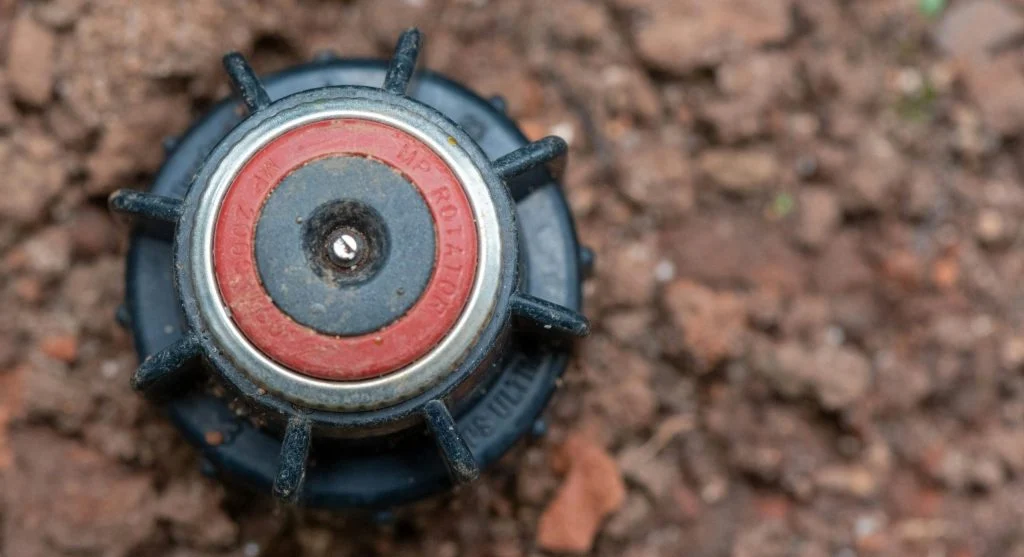
In many gardens, the edges of beds and the nearby walking space receive extra water simply because they sit close to the crop. A wide swing of the watering can or hose may catch these areas again and again. Over time, the grower may be spending a noticeable amount of water on places that are not growing much at all.
That does not mean edges should stay completely dry. It means the main effort should remain connected to crop need. Once the gardener starts noticing how much water drifts toward nonproductive space, efficient garden watering often improves very quickly.
Smaller, Slower Passes Often Save More Water Than Bigger Faster Ones
Many people try to water quickly by covering the full surface in broad motions. This feels efficient, but it often leads to more waste on empty areas. A slower pass around active root zones usually uses water more intelligently. It may look less dramatic, but it often does more real good.
This is especially true in mixed beds where some crops are well spaced. A focused routine helps the gardener notice which plants truly need support and which open spaces do not need the same attention that day.
Empty Soil Today May Not Stay Empty Forever, but It Still Does Not Need Equal Water Now
Some gardeners worry that reducing water on open areas means ignoring future root spread. But there is a difference between supporting future growth and overwatering current emptiness. Beds change over time, and the watering pattern can change with them. The best routine is not fixed forever. It adapts as the crop fills in.
This is why target root zone watering works so well. It is flexible. The gardener can widen the watering pattern as the plant expands instead of starting with a full-bed soak long before the roots need that much support.
Keep Notes on Which Beds Waste the Most Water on Open Ground
One of the most useful habits is writing down which beds have the widest open spaces and which ones are easiest to overwater. Some layouts naturally encourage waste because the crops are spaced widely or mature unevenly. A short record of where water tends to be spread too broadly can help the next watering routine become much sharper.
Those notes also help later planting decisions. Over time, the gardener learns which bed shapes, row patterns, and crop combinations lead to the most efficient garden watering and which ones make waste more likely.
Frequently Asked Questions
Q: What are the best water saving tips for garden beds with open spaces?
A: The best tips include watering near active root zones, avoiding broad full-bed soaking when crops are widely spaced, checking where water lands, and adjusting the pattern as plants grow instead of watering every inch equally.
Q: Why is watering empty soil a problem?
A: Watering empty soil becomes a problem when it takes moisture away from the parts of the bed that actually feed the crop. It can increase waste without improving plant performance.
Q: How can gardeners improve efficient garden watering?
A: Gardeners can improve efficient garden watering by slowing down, focusing on the base of the plants, watching how much water reaches nonproductive spaces, and matching the watering pattern to current root needs.
Q: What is target root zone watering?
A: Target root zone watering means focusing water where crop roots are actively using it most, instead of spreading the same amount across the whole bed regardless of plant size, spacing, or stage.
Key Takeaway
These water saving tips show that many gardens lose water not because plants need too much, but because empty soil gets watered almost like the crop itself. By focusing on the root zone, slowing down broad watering habits, and adjusting the pattern as plants grow, gardeners can reduce waste and make each watering session more useful. For many growers, the best water saving tips are the ones that stop treating the whole surface equally and start treating the crop as the true target.