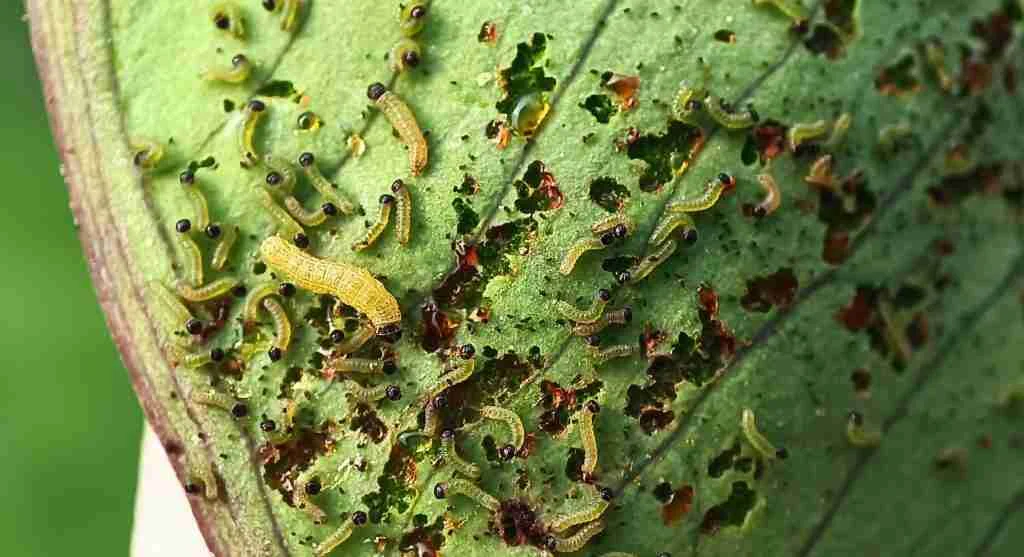
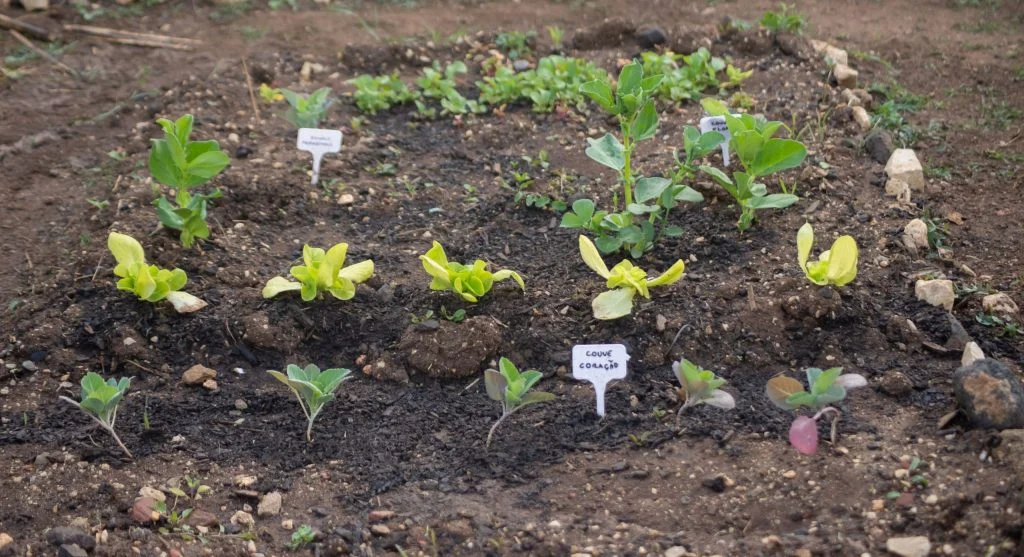

Useful pest control tips can help backyard gardeners catch a problem while it is still limited to one corner of the bed instead of waiting until the whole planting looks rough and stressed. Many pest issues do not appear everywhere at once. They often begin in one specific spot. A corner near a fence, a shaded edge, a mulched patch, or a bed side close to overgrowth may become the first place where chewing, weakening, or leaf damage starts to build.
That pattern matters because early local damage is often easier to manage than full-bed damage. If one section is showing the first signs, the rest of the bed may still be protected with quicker observation and calmer action. These pest control tips focus on how to read corner garden damage, understand why pests often start in one bed section first, and stop pest spread early before the rest of the crop begins showing the same trouble.
Problems Often Begin at the Edges, Not the Middle
Gardeners often look toward the center of the bed because it feels like the main growing area. But pests do not always begin there. The first signs often appear where conditions are quieter, more sheltered, or easier to hide in. Corners can offer protection from wind, steadier moisture, partial shade, or nearby cover from boards, grass, walls, or denser plants.
This makes corners especially important during regular checks. A bed can still look healthy overall while one corner is already showing the early stage of a larger problem. Once the grower learns to read the corners first, pest control often becomes more timely and much less reactive.
A Single Damaged Patch Can Be More Useful Than a Whole-Bed Glance
One of the best pest control tips is to treat a small damaged patch as useful information instead of random bad luck. If a few leaves in one corner are chewed, weakened, curled, or rough while the rest of the bed still looks fine, that contrast is worth studying. It may show where the problem is beginning and where the next check should focus tomorrow.
Many gardeners miss this stage because the full bed still looks productive. But early pest pressure often appears as a local pattern first. That small patch can give the grower time to respond before the damage becomes harder to track.
Corner Conditions Often Explain Why Trouble Starts There
When one section of a bed gets hit first, the grower should ask what makes that section different. A corner may stay wetter, hold mulch more heavily, receive less airflow, or sit closer to nearby cover. It may also be the least inspected part of the bed simply because it feels harder to reach or less important during quick garden walks.
This is why early pest control is often tied to reading the bed, not only identifying the pest. The first step is understanding why this part of the bed became inviting. Once that is clear, the gardener often improves not only the current problem, but also the conditions that made it easier to begin there.
Check Nearby Cover, Not Just the Plant Itself
Another strong pest control habit is looking around the damaged corner, not only at the crop. Nearby boards, thick mulch, stacked pots, fence lines, tall weeds, low weeds, or damp shaded areas may all help explain why that corner became the first weak spot. A plant may be showing the damage, but the surrounding area may be helping the problem settle in.
This wider look often leads to better decisions. It shifts the focus from simply reacting to leaf marks toward understanding the small environment around them. The more clearly the corner is read, the easier it becomes to protect the rest of the bed.
Compare the Affected Corner With the Opposite Corner
One useful way to understand a local problem is to compare the damaged corner with the opposite side of the same bed. Does the healthier corner get more light? Better airflow? Less mulch buildup? Fewer weeds? Easier access for regular checks? That comparison often reveals why one section stayed stronger while the other became vulnerable.
This side-to-side reading helps the gardener move beyond guesswork. Instead of seeing the bed as one single space, the grower starts seeing it as a set of smaller conditions that affect crop health differently.
Small Early Action Usually Protects the Rest of the Bed Better
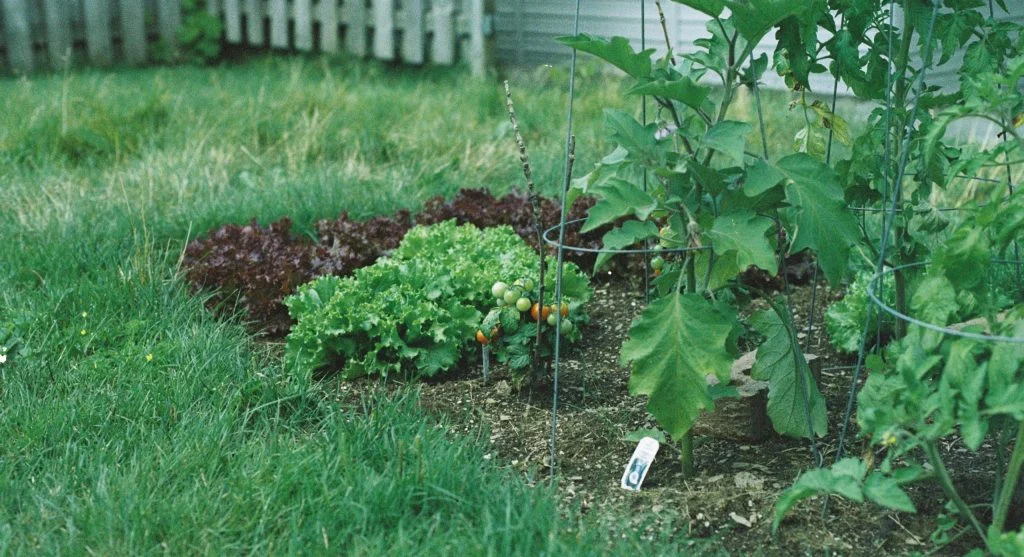
Once a local pattern is noticed, the most helpful response is often a small, focused one rather than a broad full-bed reaction. Closer follow-up checks, cleaning up the immediate corner, removing badly affected material when appropriate, and improving visibility in that section can often make a real difference while the issue is still local.
Early corner-stage problems are usually the easiest stage to manage because the rest of the bed still has strength. The gardener is working ahead of the spread instead of behind it. That shift usually saves time, effort, and crop quality.
The “Hard-to-Reach” Part of the Bed Usually Needs Extra Attention
Many corner problems begin in places the gardener does not inspect as often. A cramped edge, awkward corner, or tucked-away section may get fewer close looks than the center. That does not make the corner unimportant. It usually makes it more important.
One of the smartest pest control habits is giving those neglected spaces extra attention during weekly and morning checks. The areas that feel easiest to overlook are often the first ones that reveal the bed’s hidden stress.
Track Which Bed Corners Repeatedly Become Trouble Spots
One of the best long-term habits is writing down which corners of which beds tend to show trouble first. Some corners may always hold more moisture. Some may always sit beside heavy cover. Some may simply be harder to inspect because of path layout or nearby plants. These repeated patterns become valuable once they are recorded.
Over time, those notes make the garden easier to read. Instead of being surprised by the same weak spot again, the gardener begins checking it sooner, managing it better, and protecting the rest of the bed more effectively.
Frequently Asked Questions
Q: Why do pests often start in one corner of a garden bed?
A: Corners often provide slightly different conditions than the center of the bed. They may have more shade, heavier mulch, nearby cover, less airflow, or fewer regular inspections, which can make them easier starting points for pest pressure.
Q: What are the best pest control tips for early corner damage?
A: The best tips include checking corners first, comparing the damaged section with healthier parts of the bed, studying nearby cover, improving visibility, and taking small focused action before the issue spreads further.
Q: How can gardeners stop pest spread early in a backyard bed?
A: Gardeners can stop pest spread early by treating local damage as an early warning sign, following up on the same section regularly, and correcting the corner conditions that may be helping the problem begin there.
Q: Should one damaged patch be taken seriously even if the rest of the bed looks healthy?
A: Yes. A small damaged patch can be the earliest sign of a larger problem. Catching it while the rest of the bed is still healthy often gives the gardener the best chance to respond before the issue grows.