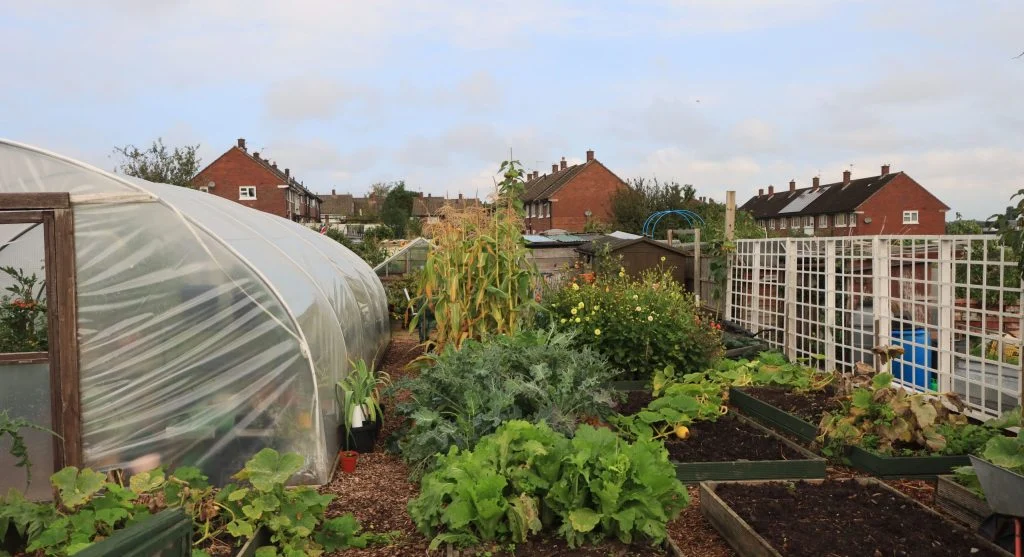

Useful garden tips can help backyard growers answer a question that comes up in almost every productive season: is this bed beautifully full, or is it starting to become too crowded to care for properly? At first, a packed bed often feels rewarding. The plants look healthy, the leaves look rich, and the space appears productive. But fullness and crowding are not the same thing. One supports easier harvests and better growth. The other slowly turns daily garden care into a struggle.
This difference matters because many beds do not become difficult all at once. They slowly shift from attractive abundance into tight, awkward, hard-to-read spaces. Once that happens, watering takes longer, harvest-ready produce becomes harder to find, and small problems stay hidden until they become bigger ones. These garden tips focus on how to tell the difference between a full garden bed and a crowded vegetable bed, and how to keep easier backyard garden care in place before the bed begins working against the grower.
A Full Bed Still Lets the Gardener Work Calmly
A healthy full bed may look busy, but it still allows the gardener to move through normal tasks without frustration. Water can reach the root zone. Leaves can be lifted without tangling everything nearby. Harvest-ready produce can still be seen. The bed feels active, but it does not feel blocked.
This is one of the easiest ways to understand the difference. A full bed supports the routine. A crowded bed interrupts it. The plants may look equally green in both situations, yet only one still works smoothly during daily care.
A Crowded Bed Begins Hiding Important Information
One of the earliest warning signs of a bed becoming too crowded is that it starts hiding the things the gardener most needs to see. Lower leaves disappear from view. Soil becomes harder to inspect. Ripening produce slips out of sight. Stem problems, chewing damage, and overripe crops may stay concealed until they have already become more serious.
When a bed stops revealing itself clearly, daily care becomes less accurate. The grower begins guessing instead of observing. That shift usually means the bed is no longer simply full. It is beginning to interfere with good management.
Watering Is Often the First Task to Feel Harder
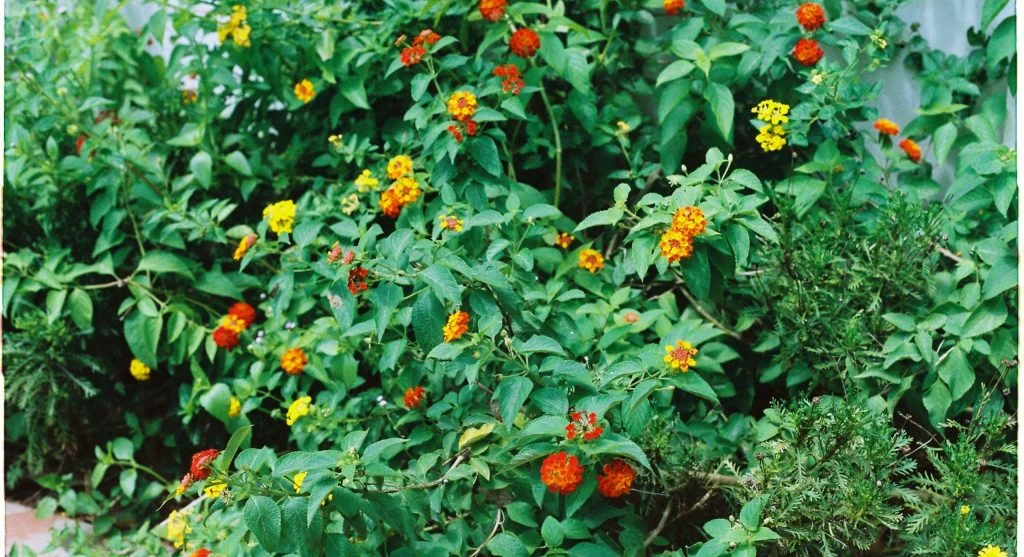
Many gardeners first notice trouble not by looking at the bed, but by trying to water it. In a pleasantly full bed, water can still be directed where it is needed. In a crowded one, leaves block access, stems tangle the path, and moisture ends up landing where it is easiest to pour rather than where it is most useful. This often creates uneven results even when the gardener is trying to be careful.
If a bed now requires awkward angles, repeated reaching, or extra passes just to water properly, that is often a sign that the growth has moved beyond healthy fullness into something less workable.
Harvest Should Still Feel Like Picking, Not Searching
A productive bed naturally takes time to harvest, but it should not feel like a search mission every time the gardener enters it. When harvest becomes slow because ripe produce is buried, blocked, or hidden beneath layers of growth, the bed has usually crossed an important line. A plant can be generous and still stay readable. Once it becomes too secretive, harvest timing often begins slipping.
This matters because delayed harvest creates even more density. Overmature produce stays in place, weighs down stems, and makes the bed even harder to manage. A crowded bed often keeps feeding its own crowding problem in this way.
Path Edges and Bed Borders Reveal the Change Early
Another useful sign appears at the edges. A bed that is becoming too crowded often starts pushing into the parts of the garden meant for movement. Mulch spills into paths, leaves press outward, and the clean line between growing area and walking area begins to disappear. These border changes often show up before the gardener fully realizes how tight the bed has become.
Watching the edges is helpful because they are easy to compare from one week to the next. If those lines are disappearing quickly, the bed may already be telling the grower that its balance needs attention.
The Bed Should Still Let Air and Light Reach More Than the Top Layer
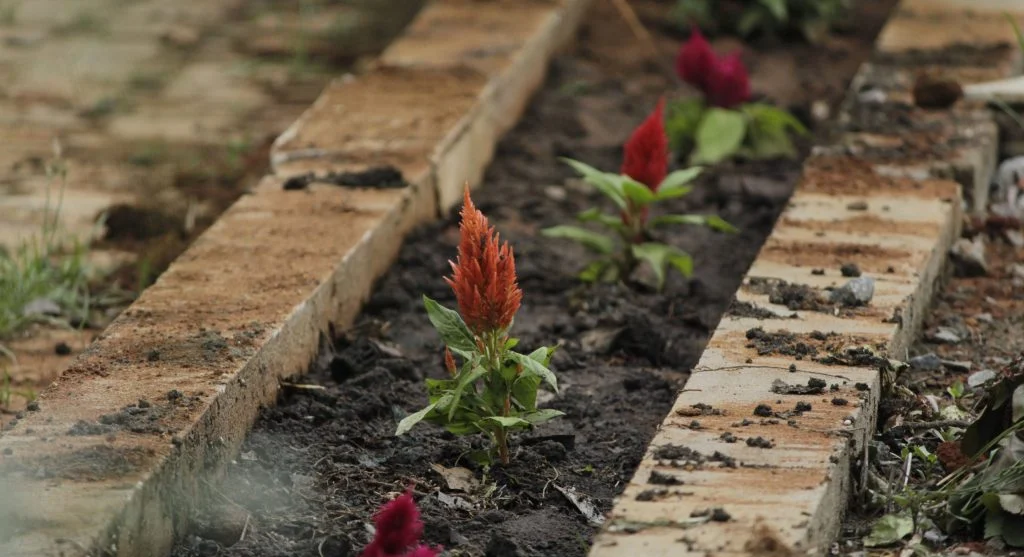
Good-looking fullness still allows some movement of air and some access to light beyond the very top of the crop. A bed that is too dense often becomes layered in a way that favors only the uppermost growth. Lower leaves stay damp too long, inner stems become harder to read, and the whole center of the planting becomes less active and less visible.
The goal is not to create empty-looking beds. It is to keep the crop open enough that more than one layer of the planting can still function well. When only the outer shell looks strong, the bed is often less healthy than it seems at first glance.
Small Corrections Work Better Than Late Big Fixes
One of the most practical garden tips is responding while the bed still feels almost manageable instead of waiting until it becomes truly frustrating. A timely harvest, a guided stem, the removal of spent material, or a cleared border can often restore order without changing the whole character of the bed. These are small adjustments, but they often preserve the bed’s usefulness.
Late heavy cleanup is sometimes necessary, but most gardeners get better results from lighter repeated corrections. The bed stays productive, and the work never becomes one major repair session.
Each Bed Has Its Own Fullness Limit
Not every bed reaches crowding in the same way. Some crops naturally tolerate more density. Some bed locations allow better airflow and light. Some layouts stay readable longer because the planting pattern is clearer. This is why the best test is not simply how full the bed looks, but how well it still works.
A smart gardener learns the personality of each bed. One may stay manageable even when it looks lush and heavy. Another may begin becoming awkward much sooner. Paying attention to these differences makes future planting and spacing decisions much more accurate.
Keep Notes on When “Pleasantly Full” Becomes “Too Much”
One of the best habits a gardener can build is noting the moment a bed stops feeling easy and starts feeling crowded. It may happen at the same stage each year with certain crops. It may begin when a path narrows, when harvest slows, or when watering becomes less precise. Those small details help reveal the bed’s true working limit.
Once those patterns are written down, the next season becomes easier to guide. The grower starts recognizing the change earlier and can respond before the bed loses its balance again.
Frequently Asked Questions
Q: What is the difference between a full garden bed and a crowded one?
A: A full garden bed still allows easy watering, harvesting, and inspection. A crowded one begins hiding problems, slowing routine care, and making normal garden work more difficult than it should be.
Q: How can gardeners tell if a vegetable bed is too crowded?
A: Common signs include harder watering, hidden produce, disappearing bed edges, poor visibility into the planting, and routine tasks that suddenly take much longer than before.
Q: What helps keep easier backyard garden care in a full bed?
A: Timely harvests, small repeated corrections, guided growth, clear borders, and attention to airflow and visibility all help keep a productive bed manageable.
Q: Should gardeners thin or cut back every full-looking bed?
A: No. A bed does not need to look sparse to work well. The key question is whether the bed still supports calm, accurate daily care. If it does, fullness may be healthy rather than problematic.
Key Takeaway
These garden tips show that a full bed is not automatically a crowded bed. The real difference is whether the space still supports easy watering, clear visibility, timely harvests, and calm daily care. Once a bed begins hiding problems and slowing routine work, it is often starting to work against the grower. For many gardeners, the best garden tips are the ones that preserve the usefulness of abundance without letting abundance turn into disorder.