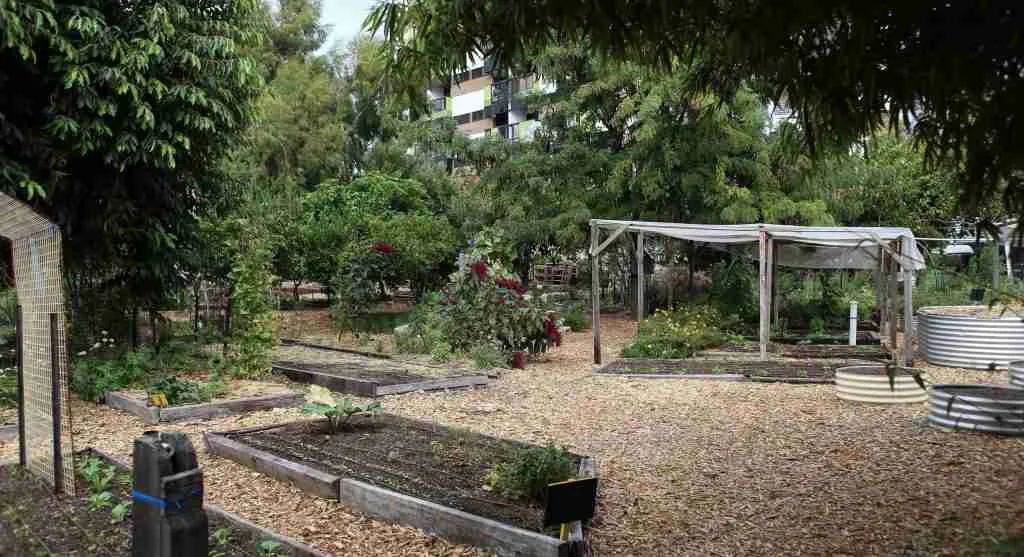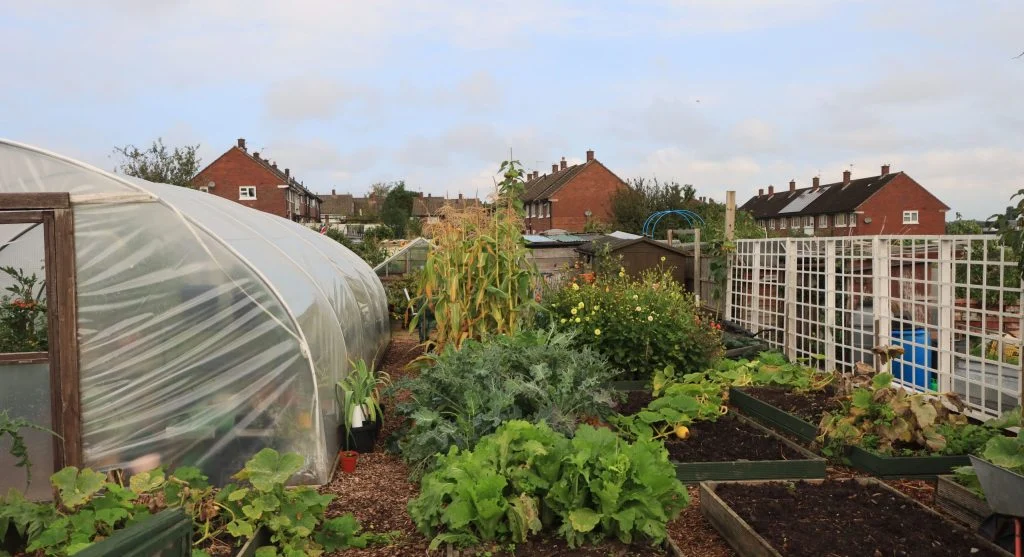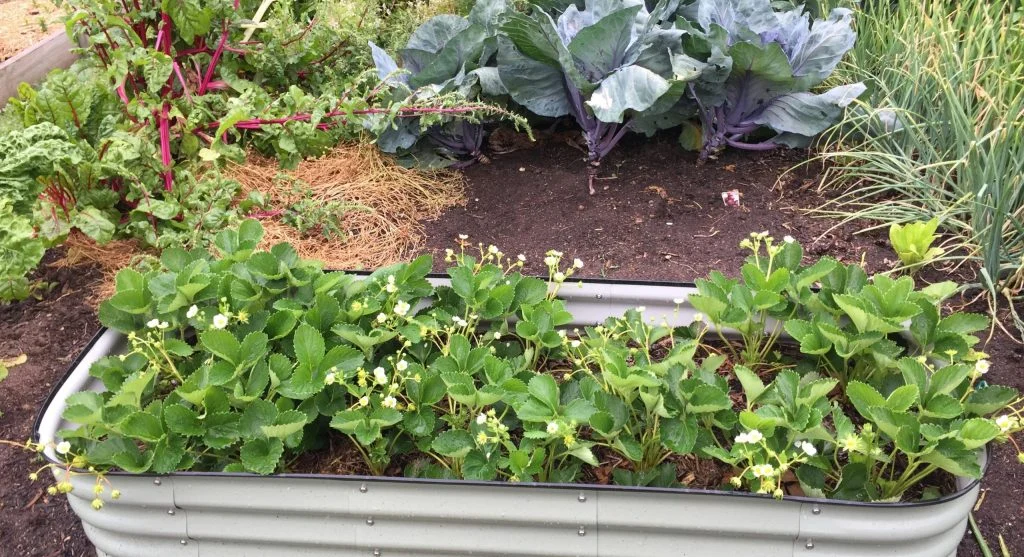


Useful garden tips can help backyard growers answer a question that becomes more important as the season fills in: is this bed lively because it is thriving, or does it only look lively because the growth has started drifting out of control? Both situations can look similar at first. The bed is full. The leaves are broad. The space feels active. But one kind of fullness supports the routine, and the other makes the routine steadily harder.
This matters because many gardeners do not run into trouble when the bed first gets full. They run into trouble when they stop noticing whether the fullness still has purpose. A productive bed keeps showing the gardener what needs to happen next. A bed that is losing direction begins hiding that information. These garden tips focus on how to read that difference clearly, how to tell productive fullness from disorganized growth, and how to keep backyard maintenance easier before the bed becomes harder to steer.
A Productive Bed Still Feels Readable
A bed can be very full and still remain easy to understand. That is often the simplest sign that the growth is healthy rather than chaotic. The gardener can still tell where the main crop is, where the harvest-ready produce sits, where water needs to go, and where small corrections should happen. Even when the bed is dense, it still makes visual sense.
Good garden tips often begin with this idea of readability. If the grower can still step up to the bed and understand what is happening without confusion, the fullness is usually serving a useful purpose. The bed may be busy, but it is not lost.
A Bed Losing Direction Starts Creating Visual Noise
Disorganized growth often feels different before it looks dramatically worse. The bed begins to create visual noise instead of visual structure. Too many stems overlap without clear order. Leaves lean into places where they do not belong. The eye no longer lands easily on what matters first. Everything competes for attention at once.
This kind of visual clutter is more than a style issue. It often signals that the bed is becoming harder to manage honestly. Once the gardener has to search for the real condition of the planting, maintenance becomes slower and less accurate.
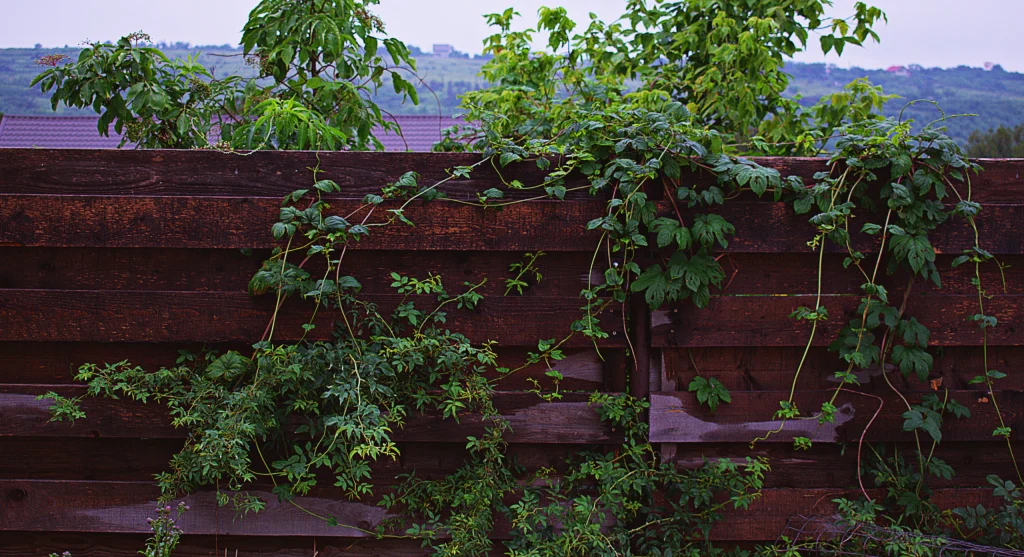
When Work Starts Taking Detours, the Bed Is Usually Telling the Truth
One of the most practical ways to judge a bed is not by appearance alone, but by what happens when a job begins. A productive bed usually lets the gardener move directly into the task. A bed that is losing direction creates detours. Harvest becomes move-this-then-reach-there. Watering becomes bend-around-this-then-lift-that. Inspection becomes clear-one-thing-before-seeing-another.
Those little detours are useful signals. They often appear before the gardener is ready to admit the bed is slipping. If simple jobs now require extra steps just to begin, the bed may be asking for guidance rather than more time.
Productive Fullness Supports the Main Crop Instead of Competing With It
Healthy fullness usually grows around the main purpose of the bed. The key crops still hold the visual center. Their leaves, fruit, and support needs still make sense within the layout. Even companion growth or extra seasonal fill does not take over the story. Everything still points back to what the bed was meant to produce.
When a bed starts losing direction, secondary growth often begins competing with the primary crop for attention, room, or access. The bed no longer feels like one plan. It feels like several unfinished plans happening in the same place.
The Best Beds Still Make Harvest Decisions Easy
One of the clearest garden tips for judging fullness is to ask whether the bed still helps the gardener notice what is ready. In a productive bed, harvest decisions remain fairly obvious even during busy weeks. Ready produce can still be found without major searching. Repeated-pick crops still show their best stage. The layout still supports timing.
When growth loses direction, harvest becomes slower and less certain. Some produce stays hidden too long. Some gets noticed only after it has passed its best stage. The bed may still be giving, but it is no longer helping the gardener receive well.

Direction Usually Disappears at the Edges First
Many beds first show loss of structure around their borders. Side growth begins leaning into walking space. One row starts merging visually with another. Bed edges stop looking intentional. This usually happens because the edges are where discipline fades first. The gardener accepts a little spill one week, then a little more the next.
That is why edges are such strong clues. They often tell the truth earlier than the center. If the outer lines of the bed are beginning to disappear, the internal order of the planting may not be far behind.
A Bed That Needs Small Guidance Is Not a Failure
One mistake gardeners make is assuming that any loss of order means they did something wrong. Usually it just means the bed has reached a stage where it needs light steering. A stem may need redirecting. A path edge may need opening. Spent growth may need removal. A harvest pass may need to happen sooner than planned.
These are not signs of failure. They are signs that the bed is alive and moving. The goal is not to stop fullness. The goal is to keep fullness aligned with purpose. That is where the best garden tips usually lead.
Keep Notes on Which Beds Stay Organized Longest
Some beds naturally hold structure better than others. Some crop combinations stay readable deep into the season. Others begin losing direction early. One of the smartest habits a grower can build is noting which layouts stay useful longest and which ones become noisy fastest.
Those notes help future planting decisions become stronger. They reveal which spacing plans, crop mixes, and maintenance habits create true productivity and which only create the appearance of abundance for a short time.
Frequently Asked Questions
Q: How can gardeners tell if a bed is productively full or just disorganized?
A: A productively full bed still feels readable, supports easy harvest and watering, and keeps the main crop visually clear. A disorganized bed creates visual noise, hides tasks, and makes simple work take extra steps.
Q: What are the best garden tips for beds that look too busy?
A: The best garden tips include judging the bed by readability, watching whether routine work now requires detours, checking whether harvest targets remain easy to see, and using small corrections before the bed becomes harder to steer.
Q: Why do some full garden beds still work well while others do not?
A: Some beds keep structure because the growth still supports the main crop and routine, while others lose direction when overlapping stems, hidden produce, and weak edges make the space harder to manage honestly.
Q: Should gardeners cut back any bed that feels visually busy?
A: Not automatically. The better question is whether the bed still supports clear, accurate care. If it does, the fullness may be productive. If it does not, the bed may need light guidance rather than heavy cutting.
Key Takeaway
These garden tips show that a busy bed is not always a problem, but a bed that has lost direction usually is. The difference is not how full the planting looks. The difference is whether the fullness still supports readable, accurate, and useful daily care. Backyard growers who learn to notice that line early usually keep their beds productive without letting abundance drift into confusion.