
Useful garden tips can help backyard growers catch a problem that often appears before obvious plant decline: the bed becomes harder to understand. It may still look green. The crops may still be producing. Nothing seems clearly wrong from across the yard. Yet something has changed. The grower has to look longer to figure out what needs water, what is ready to harvest, where the weak area is, or which section has started slipping behind.
That change matters because a garden usually becomes difficult before it becomes unhealthy. Once a bed stops communicating clearly, daily care becomes slower and less accurate. Small issues remain hidden longer, and routine tasks begin depending more on guesswork than observation. These garden tips focus on how to recognize when a bed is becoming harder to read, why readability matters so much in a productive growing space, and how to keep easier garden management in place before visible decline begins.
A Good Bed Usually Tells the Gardener What It Needs
One of the simplest ways to understand a strong bed is this: it reveals useful information quickly. The gardener can usually tell where growth is strongest, which plants are ready, where moisture looks uneven, and what deserves attention first. This does not mean the bed is perfect or sparse. It means the bed still speaks clearly.
When that clarity starts fading, the routine changes. The grower now needs extra time just to understand the bed before acting. That extra uncertainty is often an early signal that structure, timing, or growth balance is shifting in a way that deserves attention.
Confusion Often Appears Before Decline
Many gardeners wait for yellow leaves, obvious wilt, or missed harvests before deciding a bed needs intervention. But a quieter sign often shows up first. The bed becomes confusing. One section feels harder to interpret. A crop that used to be easy to check now requires searching. A once-clear layout starts blending into itself.
This is why some of the best garden tips focus on reading difficulty rather than visible damage. A bed that has become confusing is often only a step or two away from becoming less productive. The gardener who notices confusion early usually gets a better chance to respond calmly.
When One Quick Check Turns Into Several, the Bed Is Telling the Truth
A very practical way to judge a bed is by how many extra checks a simple task now requires. If harvesting one crop means first moving leaves, checking behind stems, and then comparing several parts of the row, the bed may no longer be giving clear information easily. The same is true for moisture checks, spotting pest damage, or deciding where to tie a stem.
Those extra steps are useful signals. They do not mean the bed has failed. They usually mean the bed is moving into a stage where guidance matters more than it did earlier. The smartest garden tips often come from listening to that added effort instead of ignoring it.
Visual Weight Can Hide Practical Imbalance
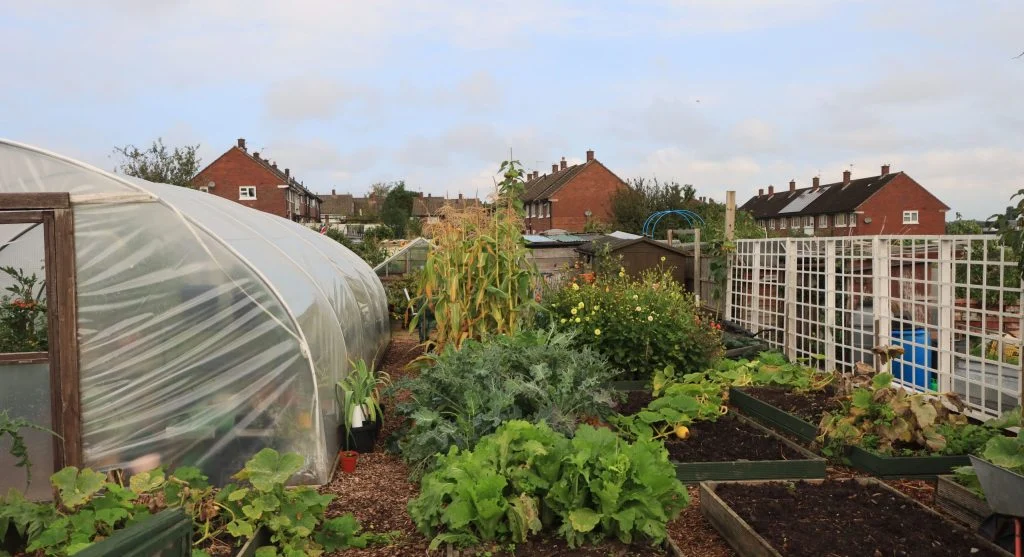
Sometimes a bed looks rich and full simply because one part of it has become visually dominant. Taller growth, heavier leaves, or one especially active crop may take over the eye. That can make the bed feel successful while hiding the fact that another section is struggling quietly or becoming harder to access.
This is one reason early bed warning signs are easy to miss. The bed is not empty or weak-looking. It is just uneven in a way that masks smaller truths. A gardener who looks past visual weight and asks what is becoming less clear usually reads the bed more accurately.
Readable Beds Make Harvest Timing Easier
One of the strongest advantages of a readable bed is that it supports better timing. The grower can spot kitchen-ready produce, repeated-pick crops, and slower sections more naturally. Once the bed becomes harder to read, harvest usually begins slipping. Produce hides longer, some items stay on the plant too long, and others are picked later than their best stage.
That makes readability more than a visual preference. It affects actual crop quality. In many gardens, better harvest timing begins not with better picking skill, but with a bed that still shows what is ready without making the gardener search for it.
Moisture Problems Become Harder to Catch in Unreadable Beds
Watering usually depends on noticing differences. One section may need more support, another may already hold enough moisture, and a third may be changing because shade or crop cover has shifted. A bed that is easy to read makes those patterns easier to notice. A bed that is visually confusing often hides them until the differences become stronger than they needed to be.
This is why easier garden management often begins with visibility and structure. The more clearly the bed presents its moisture story, the less often the gardener needs to correct preventable imbalances later.
Small Structure Fixes Usually Restore Clarity Faster Than Big Cleanup Sessions
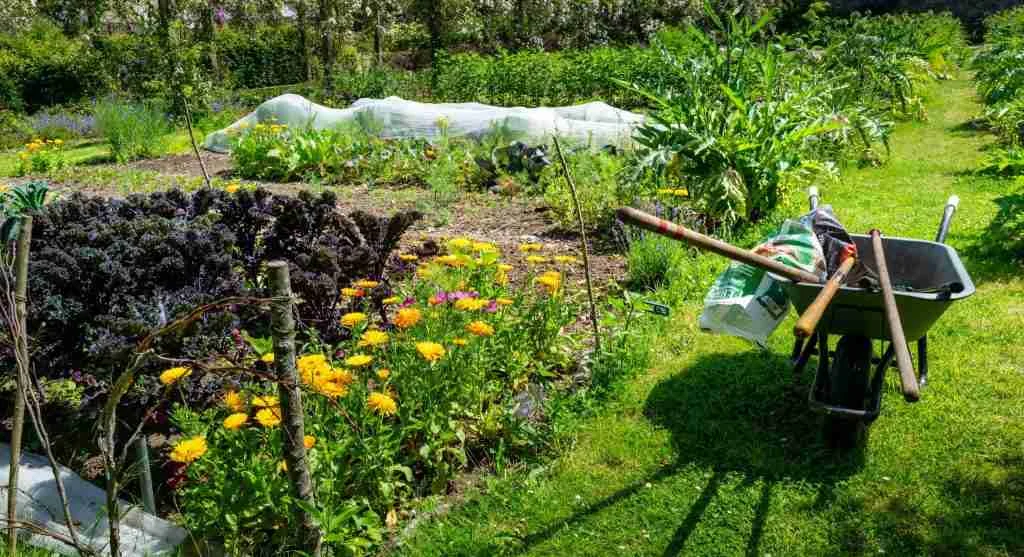
When a bed becomes harder to read, the answer is rarely to strip it down dramatically. More often, the best response is a small structure fix. A path edge gets reopened. One leaning stem is redirected. Spent material is cleared. A harvest pass removes what no longer needs to stay. These changes do not reduce productivity. They help the bed communicate again.
That is one of the most useful garden tips for busy seasons. Clarity often returns through light repeated steering, not heavy reaction. The goal is not to make the bed look empty. It is to make the bed easier to understand while it remains full and productive.
Keep Notes on Which Beds Stay Clear and Which Ones Get Murky
Some beds remain easy to read deep into the season. Others become visually murky much earlier. One of the smartest habits a backyard grower can build is to note which crop combinations, bed widths, and maintenance patterns preserve clarity longest. Those notes help reveal what keeps the garden communicative instead of just crowded.
Over time, that record improves more than appearances. It improves watering, harvest timing, and the ease of entering the garden without feeling uncertain about where to begin.
Frequently Asked Questions
Q: What does it mean when a garden bed becomes hard to read?
A: It means the bed no longer reveals its needs clearly. The gardener may need extra time to find ripe produce, judge moisture, inspect for problems, or understand which section needs attention first.
Q: What are the best garden tips for a bed that still looks healthy but feels confusing?
A: The best garden tips include paying attention to added effort in routine tasks, reopening visibility with small structural fixes, noticing when one crop dominates the bed visually, and treating confusion as an early warning sign rather than waiting for visible decline.
Q: Why does readability matter in a productive garden?
A: Readability matters because it supports timely watering, easier harvests, quicker inspections, and better daily decisions. A bed that is hard to interpret often causes small issues to stay hidden longer.
Q: Should gardeners do a major cleanup every time a bed feels hard to read?
A: Not usually. In many cases, small fixes like clearing spent growth, redirecting stems, and harvesting what is already ready are enough to restore clarity without overcorrecting the bed.
Key Takeaway
These garden tips show that a bed often becomes difficult before it becomes visibly unhealthy. When the space stops giving clear information, everyday care becomes slower and less accurate. Backyard growers who treat confusion as an early warning sign usually make better small corrections, keep harvest timing stronger, and preserve easier garden management through the busiest part of the season.