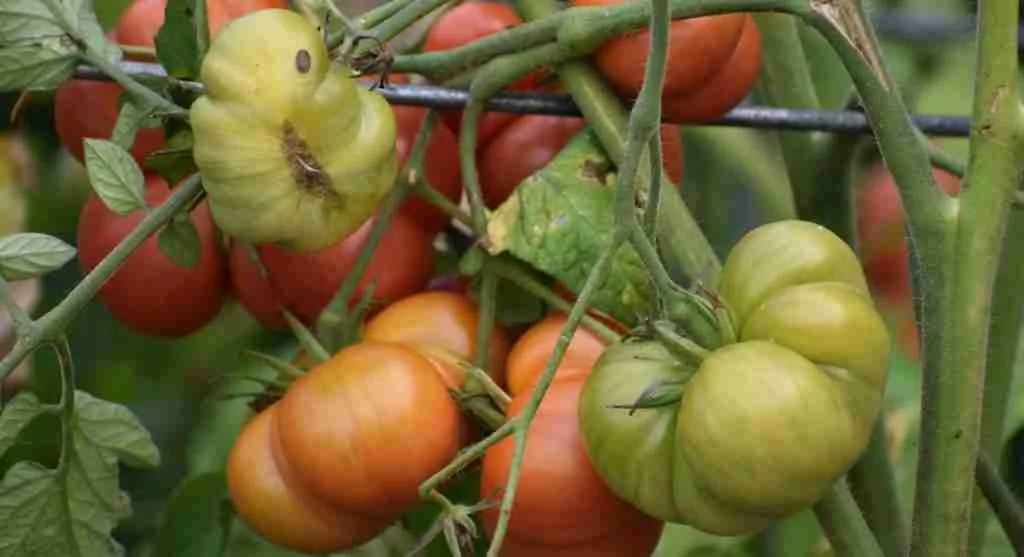
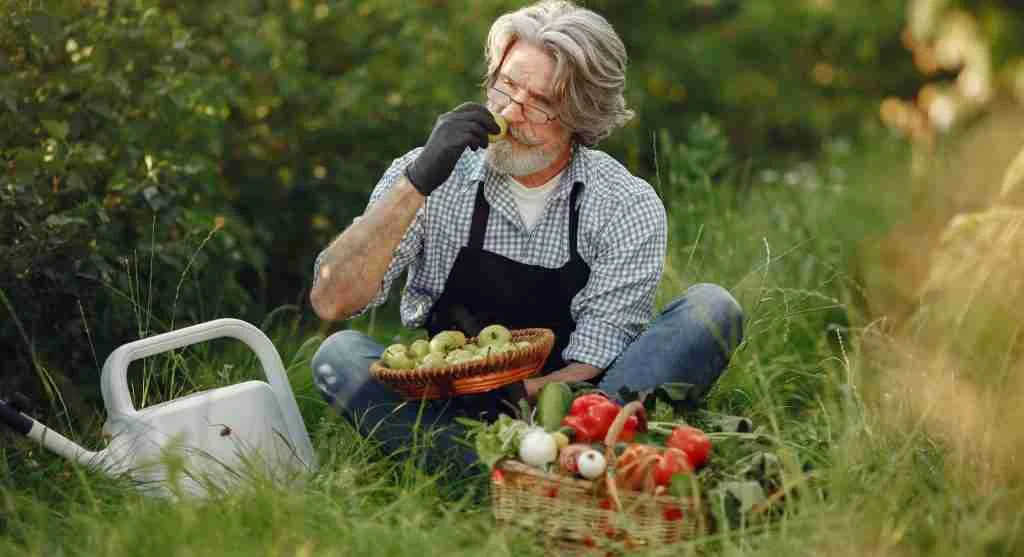

Useful harvest tips can help backyard gardeners handle one of the busiest and most rewarding moments of the season: several crops become ready at the same time. The bed is full, the basket fills quickly, and the garden looks generous from every direction. But abundance creates a new question. When everything seems harvest-ready, what should leave the garden first?
That choice matters more than many growers expect. Some crops lose tenderness faster. Some are harder to spot once the bed gets busy. Some benefit the plant immediately when they are removed. Others can wait a little longer without much loss. These harvest tips focus on how to create a smarter harvest order, how to decide what to pick first when the garden becomes busy, and how to keep big harvest days productive without turning them into rushed, uneven, or wasteful picking sessions.
Readiness Is Not the Same as Priority
One of the most important harvest ideas a gardener can learn is that several crops can be ready at once without carrying the same urgency. A bed full of produce may look like one big harvest moment, but it is actually many smaller timing windows overlapping. The grower who treats them all the same often loses some quality without realizing it.
This is why good harvest tips go beyond noticing that something is ripe. They also ask what happens if it stays in the garden another day. Some produce holds well. Some changes quickly. Knowing that difference helps create a much better picking order.
Start With the Crops That Lose Quality Fastest
When several crops are ready together, the first priority usually belongs to the produce that declines most quickly. Tender beans, delicate greens, soft herbs, thin-skinned cucumbers, and similar fast-changing crops often deserve earlier attention than sturdier vegetables that remain useful for a little longer.
This is one of the simplest ways to improve organized garden harvest habits. Instead of being guided only by what is easiest to see first, the grower begins with what is easiest to lose first. That one change often protects more quality than any other harvest adjustment.
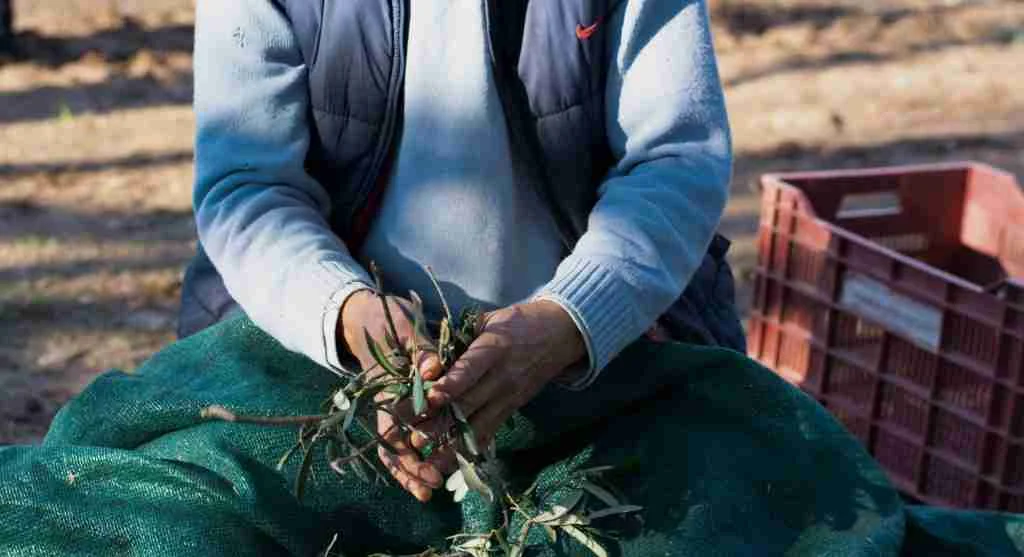
Pick What the Plant Needs Removed Most Urgently
Some harvest-ready crops matter because of what happens to the plant if they stay too long. Heavy fruit, oversized squash, old pods, and mature produce that weighs down stems often deserve faster removal because keeping them on the plant affects more than appearance. They can make the bed harder to read and the plant harder to manage.
That makes these crops important even when they are not the most delicate in the kitchen sense. One of the smartest harvest tips is noticing which produce is slowing the plant down simply by remaining attached. Those items often belong near the front of the harvest order.
Hidden Produce Often Deserves Earlier Attention Than Visible Produce
What is easy to see often gets harvested first, but that is not always the smartest order. Produce hidden beneath leaves or tucked deep inside a full bed often gets missed longest. If the gardener always starts with the obvious pieces, the concealed harvest may stay behind until it becomes oversized, rougher, or less useful.
This is why a good harvest order sometimes includes a specific hidden-crop pass. Looking under foliage early in the session often prevents later surprises and reduces the chance that the easiest-to-miss crops become the most overmature ones in the bed.
Kitchen Plans Can Help Decide What Should Come Out First
One of the most practical harvest tips is linking the garden to the meal plan. If a salad is being made tonight, greens, herbs, cucumbers, and tomatoes that are perfect now may deserve first place even if other crops are technically ready too. If preserving or cooking happens today, produce suited to that use often becomes the most valuable first harvest.
This approach keeps the picking order practical instead of purely visual. A crop’s urgency is not only about ripeness. It is also about how useful it will be once it comes inside. Gardeners who think this way often waste less and enjoy the harvest more.

Harvest in Rounds Instead of Trying to Finish One Crop Completely
When the garden is full, one useful strategy is to work in rounds rather than trying to completely finish one crop before checking another. A fast first round can collect the most urgent produce from several crops. A second slower round can then gather sturdier or less time-sensitive items. This often protects quality much better than spending too long in one section while another crop quietly passes its best stage.
This is one of the most practical ways to manage harvest order in a busy backyard. It lets the gardener respond to urgency first and completeness second.
Use Separate Containers for Different Levels of Urgency
Some gardeners find it easier to stay organized by using separate baskets or zones in one basket. Very delicate produce, immediate-use harvests, and sturdier crops can be separated as they are picked. That small habit keeps the order clearer and reduces the chance that soft produce gets buried beneath heavier items.
Organized garden harvest usually gets easier when the picking order continues after the crop leaves the plant. A good basket system supports a good harvest system.
Keep Notes on Which Crops Create the Most Crowded Harvest Days
Some crops predictably pile up at the same time. Others overlap less than expected. One of the best long-term harvest habits is recording which combinations create the busiest picking days and which crops usually deserve first priority when that overlap happens. These notes make the next season calmer.
Over time, the gardener learns not only what grows well together, but what becomes hard to harvest together. That understanding helps shape better planting order, better harvest timing, and a much smoother routine once abundance arrives.
Frequently Asked Questions
Q: What are the best harvest tips when several crops are ready at once?
A: The best harvest tips include starting with crops that lose quality fastest, removing produce that is weighing plants down, checking hidden crops early, linking the harvest to kitchen use, and working in quick rounds instead of finishing one crop completely before checking others.
Q: How can gardeners decide what to pick first in a busy garden?
A: Gardeners can decide by asking which crop will lose the most if left longer, which produce the plant most needs removed, and what the kitchen will use immediately. These three questions usually create a strong harvest order.
Q: Why is harvest order important?
A: Harvest order matters because readiness does not equal urgency. Some produce changes quickly, some becomes harder to manage on the plant, and some stays useful longer. Picking in the wrong order can reduce quality even during a productive harvest day.
Q: Should gardeners always pick the easiest visible produce first?
A: Not always. Easy-to-see produce is often gathered naturally, but hidden crops and more delicate harvests may deserve earlier attention to prevent them from being missed or left too long.
Key Takeaway
These harvest tips show that when several crops are ready together, the smartest order is not always the most obvious one. Backyard gardeners usually get the best results when they start with delicate produce, remove what the plant needs relieved first, and connect harvest timing to real kitchen use. A good picking order protects both crop quality and the bed’s ongoing productivity.