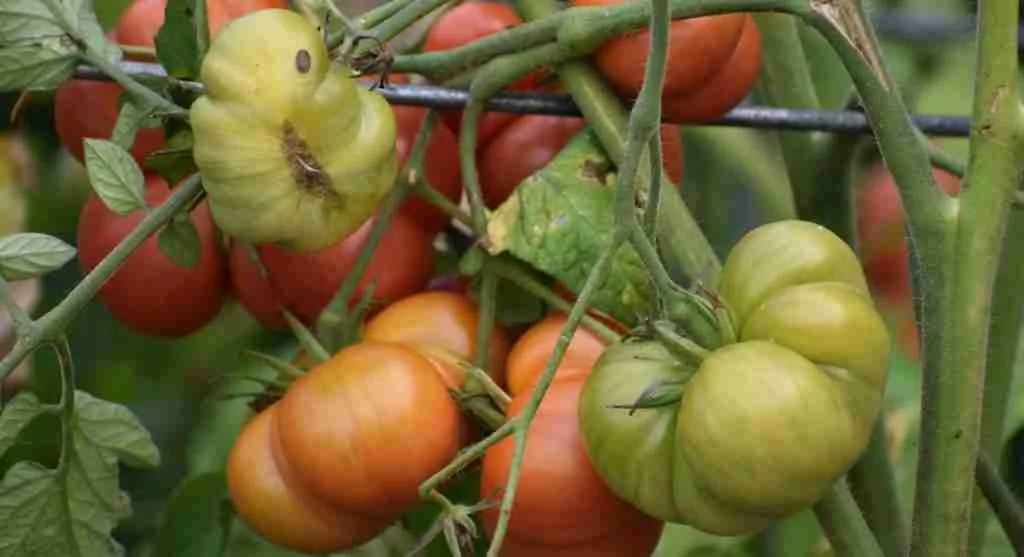

Useful harvest tips can help backyard gardeners solve a surprisingly common problem: sometimes produce stays on the plant because it looks good in the garden, even though it would be more useful in the kitchen right now. A bed full of colorful fruit, large pods, or perfect-looking vegetables can feel rewarding to leave untouched for one more day. The garden looks abundant. The crop looks strong. The harvest feels safe where it is.
But many crops reach a point where their greatest value is no longer visual. It becomes practical. That tomato is ready to slice. That basil is ready to use before the leaves toughen. That squash is ready while it is still tender. These harvest tips focus on how to decide when produce should leave the garden for the kitchen, how to recognize the best picking stage for real use, and how to keep beds productive without letting attractive harvests stay attached longer than they should.
The Garden and the Kitchen Do Not Always Want the Same Thing
A crop can look wonderful on the plant and still be ready to leave it. This is one of the most important things a gardener can learn. The garden often rewards abundance, color, and fullness. The kitchen often rewards tenderness, freshness, balance, and timing. Those two goals overlap, but not always for long.
This is why harvest tips are not only about ripeness. They are also about usefulness. A vegetable may still be visually impressive tomorrow, but the best moment for cooking, preserving, or eating may be today. When gardeners learn to notice that difference, harvest timing becomes much more intentional.
Good Produce Can Be Held Too Long Simply Because It Looks Beautiful
Many backyard growers delay picking not because the crop is unready, but because it still looks too good to remove. The bed appears full and satisfying with the produce in place. A basket feels less urgent than the pleasure of seeing everything thriving outdoors. That feeling makes sense, but it can quietly lower quality.
A bean left longer for the look of a fuller row may toughen. A cucumber admired for size may become less useful than it was a day earlier. A pepper kept for color display may still be good, but not at its most flexible stage for the meal already being planned. These are not major failures. They are small missed windows, and they matter more than many gardeners expect.
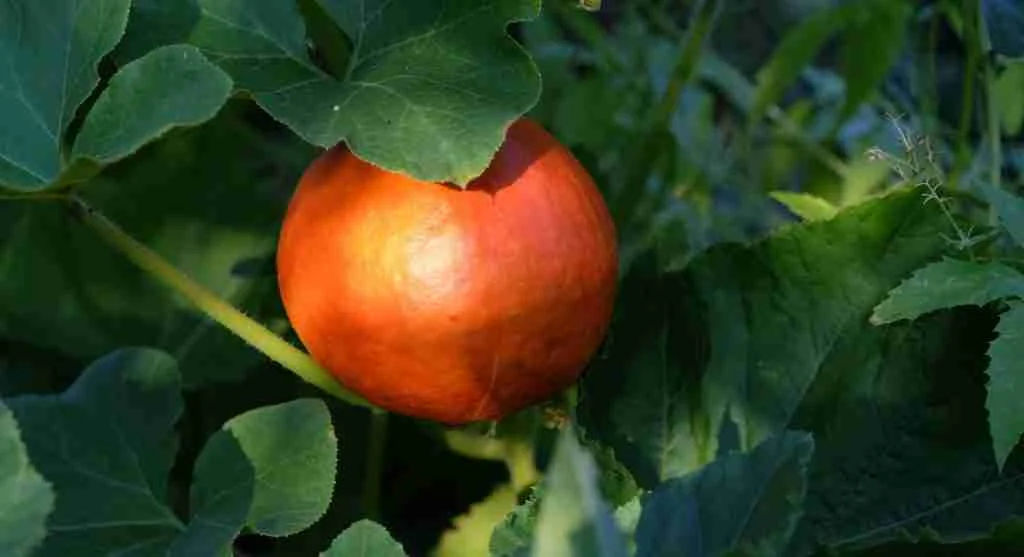
Kitchen Value Often Peaks Before Maximum Size
One of the most practical harvest ideas a gardener can keep in mind is that kitchen value often arrives before the crop reaches its largest possible size. Many vegetables are easiest to cook, store, slice, roast, or use fresh while they are still balanced rather than oversized. The ideal stage is often the stage that fits a meal well, not the stage that makes the plant look most dramatic.
This matters because many gardeners unconsciously treat size as success. But bigger is not always better. Sometimes bigger only means older. The best picking stage is often the one that gives the cook the most flexibility, not the one that adds the most garden weight.
Picking for Use Helps the Plant Stay Active Too
When produce leaves the plant at the right time, the crop often stays easier to manage and more likely to keep moving forward. A plant carrying too many mature items can feel heavier, slower, and harder to read. Harvesting for use is not just about the food that comes inside. It is also about what remains outside.
One of the smartest harvest tips is remembering that kitchen-ready picking often supports future production. The gardener is not taking something away too early. In many cases, the gardener is helping the bed stay open, clear, and more productive.
Meals and Harvests Should Inform Each Other
Gardeners sometimes separate the garden from the kitchen too much. They inspect the bed without thinking about how the produce will actually be used, or they plan meals without noticing what is already at its best outdoors. A more useful routine lets those two spaces speak to each other.
If pasta is planned tonight, the basil that is perfect today has more value in the kitchen than on the stem. If a salad is coming together, those greens and cucumbers are more useful harvested fresh now than admired until tomorrow. Picking at the best stage often becomes easier when the grower thinks about meals, not only maturity.
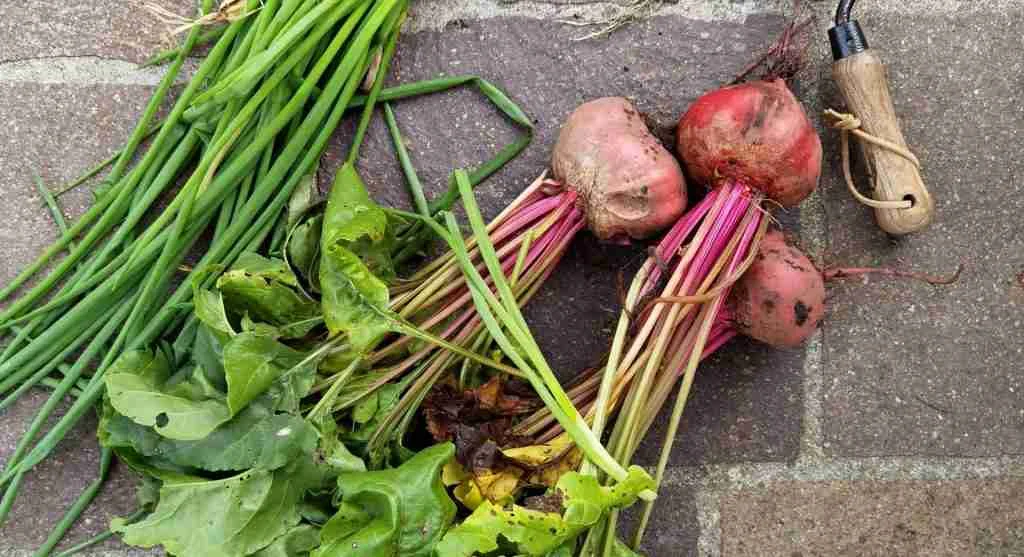
Some Crops Need to Be Judged by Use, Not by Calendar
Even when gardeners know rough harvest timelines, the final decision often belongs to texture, feel, and intended use rather than a date alone. A crop that is technically mature may still be too early for one use and exactly right for another. This is especially true with fruiting vegetables, herbs, greens, and repeated-pick crops.
That is why the best harvest timing is often practical rather than purely scheduled. The gardener does better by asking, “Would this be excellent in the kitchen now?” instead of relying only on how many days have passed or how large the produce looks from a few steps away.
Leaving Produce for Appearance Can Quietly Create Delay Everywhere Else
When ready produce remains in place, it often changes the pace of the whole bed. The gardener begins seeing the bed as “not urgent” because the crop is still technically there and still visually appealing. That slows the next harvest, delays the next meal use, and sometimes reduces how quickly new growth is noticed or encouraged.
In this way, a beautiful unpicked bed can sometimes create less useful rhythm than a harvested one. A picked bed may look slightly emptier for a moment, but it is often more active, more honest, and more productive in what comes next.
Keep Notes on What the Kitchen Liked Best
One of the most useful harvest habits is keeping short notes on which stage made each crop most useful in real cooking. Did the family prefer the smaller squash? Were the beans best before they thickened? Did the tomatoes work best just before full softness? These details make future harvests much easier to judge.
Over time, those notes help the gardener stop harvesting for image alone and start harvesting for actual value. That shift often improves both the food and the bed.
Frequently Asked Questions
Q: What are the best harvest tips for kitchen-ready produce?
A: The best harvest tips include judging produce by usefulness, not just size or appearance, picking when the crop fits the intended meal or storage use, and not leaving ready harvests on the plant simply because they still look attractive in the bed.
Q: Why should gardeners think about kitchen use when harvesting?
A: Kitchen use helps identify the most practical harvest stage. Many crops are at their best for texture, flavor, and flexibility before they become larger or stay on the plant longer for appearance alone.
Q: Can leaving ripe produce on the plant too long reduce quality?
A: Yes. Many vegetables lose tenderness, balance, or ease of use when they stay attached beyond their most useful stage, even if they still look beautiful in the garden.
Q: How can gardeners improve harvest timing for real use?
A: Gardeners can improve timing by linking harvest checks with meal planning, noticing the stage each crop works best in the kitchen, and recording which size and texture were most useful after harvest.
Key Takeaway
These harvest tips show that a crop’s best moment is often the moment when it becomes most useful indoors, not the moment when it looks best outdoors. Gardeners who pick for kitchen value instead of garden appearance alone usually get better meals, cleaner timing, and more active beds. In many cases, the smartest harvest is the one that leaves the plant at exactly the moment it becomes most worth using.