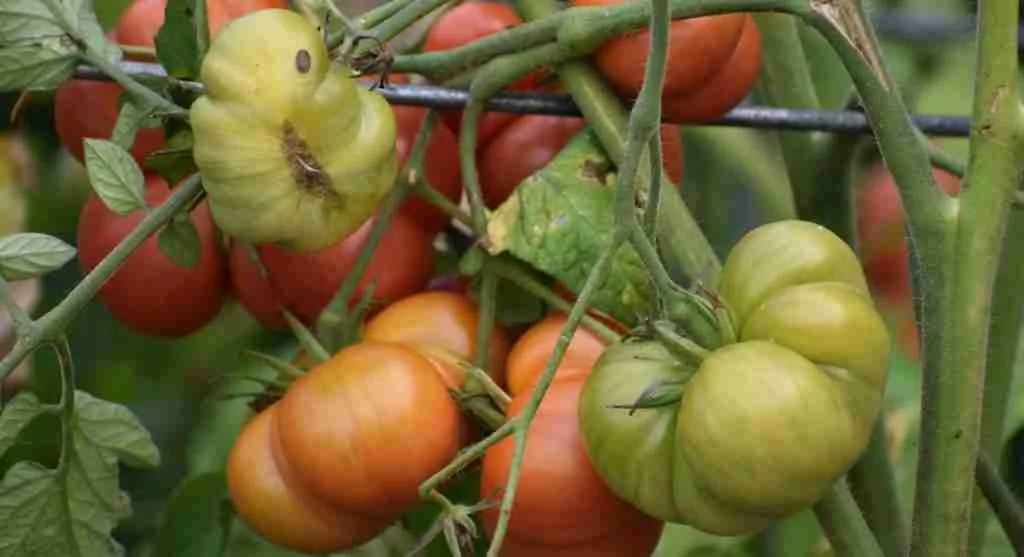

Useful harvest tips can help backyard gardeners avoid a very common timing mistake: waiting for an entire plant, row, or patch to look fully ready before beginning to pick. In many gardens, crops do not ripen or size up all at once. They move in stages. One section of the plant reaches its best moment while another part still needs time. One cluster is ready for the kitchen while smaller fruit or leaves are still developing nearby.
This staggered pattern is completely normal, but it can still confuse growers. A gardener may delay harvest because the whole plant does not look complete yet. By the time the plant finally gives that “finished” feeling, the earliest produce may already be past its best stage. These harvest tips focus on how to recognize staged harvest patterns, how to pick what is ready without disturbing what is not, and how to keep a bed productive by treating harvest as a series of well-timed passes instead of one big final event.
Many Crops Are Designed to Be Gathered Gradually
One of the most helpful things a gardener can understand is that some crops are naturally meant to be harvested in pieces over time. The plant is not failing when everything is not ready together. It is often doing exactly what it should. Leaves expand in layers. Fruit sizes up in waves. Pods or vegetables mature unevenly because the plant is still actively producing more.
That is why some of the best harvest tips begin by changing expectations. If the gardener stops waiting for one perfect all-at-once moment, the whole harvest rhythm often becomes easier and far more rewarding.
The First Ready Produce Often Has the Highest Quality Window
When a crop ripens in stages, the earliest ready items often have the shortest margin for delay. They are the first ones to reach peak tenderness, kitchen usefulness, or best texture. If the gardener ignores them while waiting for later fruit or leaves to catch up, that early quality window may quietly close.
This matters because a staged plant can still be generous while asking for precision. Picking the first ready portion on time often protects both food quality and the plant’s ongoing momentum. Delaying just because the rest of the plant is behind can turn a strong staged harvest into a less useful one.
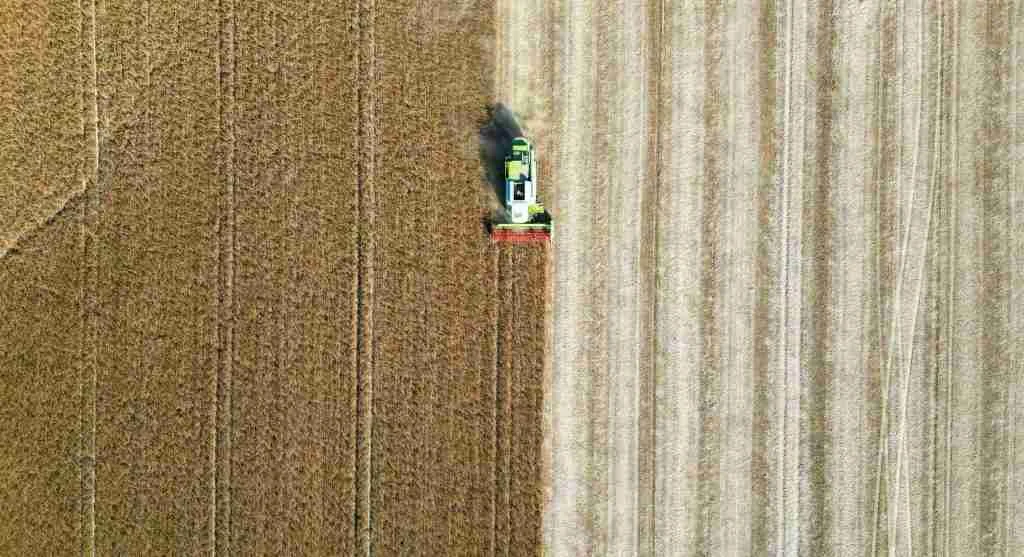
Looking for Uniformity Can Delay the Right Harvest Moment
Backyard gardeners often love rows and plants that look even. That makes sense visually, but harvest does not always reward visual uniformity. A plant can be highly productive while still being uneven. One side may be ahead. One upper section may be further along. One set of leaves may be ready while inner growth still needs time. Waiting for visual sameness often creates unnecessary delay.
One of the smartest harvest tips is learning to trust readiness over symmetry. The crop does not need to look balanced to be worth picking well. It only needs the gardener to notice which part has reached its best stage first.
Stage Harvesting Keeps Plants Easier to Read
When ready produce is removed in rounds, the plant often becomes easier to inspect afterward. Hidden younger fruit becomes more visible. New leaves are easier to see. The grower can better understand what should be left and what may be close behind. This makes each harvest pass more informative than the last.
That is one reason staged garden harvest helps more than food quality alone. It also improves visibility inside the plant. A crop that is picked in portions often stays easier to manage than one carrying too many mature items at the same time.
Picking in Stages Often Supports Continued Production
For many crops, harvesting in stages is not just allowed. It is useful. A plant that has its mature produce removed on time often stays more active and more open to the next wave of growth. Produce left too long can weigh down stems, hide new development, or slow the bed’s rhythm in a way that makes later picking less clear.
This is why harvest tips often connect timing with productivity. Picking what is ready now does not take away from the rest of the plant. In many cases, it helps the next stage happen more smoothly.
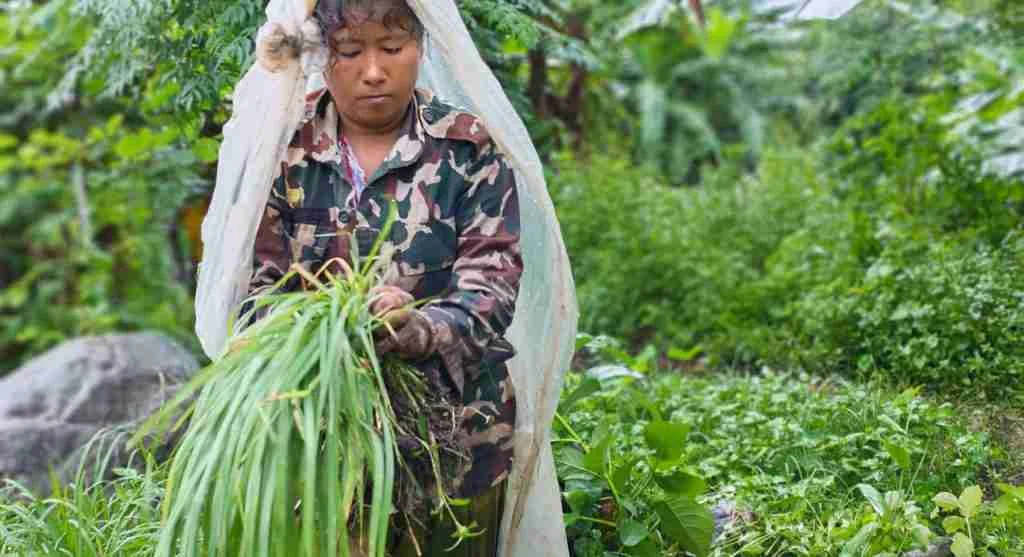
A Quick Harvest Pass Is Often Better Than Waiting for a Big One
Many growers wait for the garden to feel “worth harvesting” before bringing out a basket. But staged crops usually respond better to quick frequent passes than to long delayed ones. A short visit that collects only what is truly ready often protects more quality than a larger session that happens too late.
This does not mean the gardener must spend hours in the garden every day. It means the routine should make room for selective picking. A smaller timely harvest often outperforms a larger late one.
Different Parts of the Same Plant Can Belong to Different Timelines
One of the strongest harvest habits a gardener can build is the ability to see one plant as several readiness zones. The upper growth may be on one timeline, the interior fruit on another, and the shaded outer side on a third. Once the plant is read this way, harvest becomes much more accurate.
That kind of reading reduces the urge to treat the whole plant with one yes-or-no decision. Instead, the gardener begins asking a better question: which part of this plant is ready now? That question usually leads to stronger staged picking decisions.
Keep Notes on Which Crops Reward Frequent Stage Harvests Most
Some crops truly thrive under repeated picking. Others hold their quality a little longer. One of the most practical long-term harvest habits is noting which plantings gave the best results when they were harvested in stages and which ones became disappointing when the gardener waited too long for the whole plant to feel finished.
Those notes help future timing improve quickly. Over time, the gardener learns which crops demand regular staged attention and which ones allow a slightly wider window. That knowledge makes harvest much calmer and more exact.
Frequently Asked Questions
Q: What are the best harvest tips for crops that ripen in stages?
A: The best harvest tips include picking the first ready items on time, not waiting for the whole plant to look finished, using quick repeat harvest passes, and reading different parts of the plant as separate readiness zones.
Q: Why should gardeners pick some produce before the rest of the plant is ready?
A: Many crops mature unevenly, and the first ready produce often reaches peak quality before later produce catches up. Waiting for the whole plant can reduce tenderness, flavor, or usefulness in the earliest harvest.
Q: Does stage harvesting help the plant keep producing?
A: Often, yes. Removing mature produce on time can help the plant stay more open, easier to read, and better able to support the next wave of growth and harvest.
Q: How can gardeners tell if a crop should be harvested in stages?
A: A crop often needs staged harvesting if fruit, pods, or leaves reach usable size at different times, or if one part of the plant is clearly ahead of the rest while new growth is still actively developing.
Key Takeaway
These harvest tips show that many garden crops should be picked in stages instead of being left to wait for one final all-at-once moment. Backyard gardeners who recognize staggered readiness usually protect more quality, keep plants easier to manage, and support better future harvests. In many beds, the smartest harvest begins with accepting that the plant is ready in parts before it is ready in full.