

Useful pest control tips can help backyard gardeners focus on one of the most revealing stages in the life of a plant: the moment fresh tender growth appears. New leaves often look hopeful, clean, and full of energy. They signal that the crop is pushing forward well. But that same softness also makes them one of the first places where small feeding problems show up. By the time the older leaves start looking rough, the earliest warning may already have come and gone on the newest growth.
This makes fresh growth especially important during regular checks. Many pest issues are easiest to catch when damage is still small, local, and limited to soft new tissue. These pest control tips focus on how to inspect tender growth more effectively, how to notice early feeding signs before they spread into bigger visible problems, and how to protect crops at the stage when the clearest clues often appear first.
Fresh Growth Often Gets Hit Before the Rest of the Plant
New leaves are usually softer, thinner, and easier to disturb than older ones. That makes them useful to the gardener in two different ways. They are more vulnerable, but they are also more honest. If trouble is beginning, these young leaves often show it before the heavier outer parts of the plant do. A crop may still look healthy from a few steps away while its newest growth is already carrying the first warning signs.
That is why good pest control tips often begin with the question: what is happening at the very newest part of the plant? The answer there is often more revealing than the answer on older leaves that have already lived through more weather, more handling, and more normal wear.
Small Feeding Marks on Tender Leaves Usually Matter More Than Similar Marks on Older Leaves
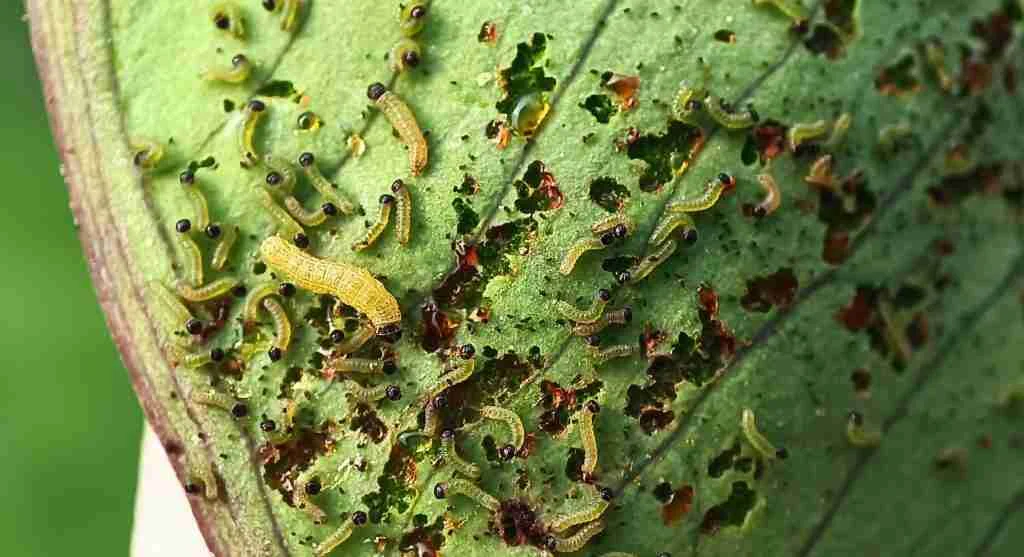
One rough spot on an old outer leaf may not tell the gardener much. The same kind of mark on a newly opened leaf often deserves more attention. Tender growth has had less time to collect harmless wear, so fresh injury there is usually clearer and more immediate in meaning. It often points to something active rather than something left over from earlier days.
This is one reason early feeding signs can be easier to trust on the newest growth. They often reflect what is happening now, not what happened last week. That makes them especially useful during active warm periods when pest pressure can build quickly if it is not noticed early.
Color and Shape Changes Can Matter Before Obvious Chewing Appears
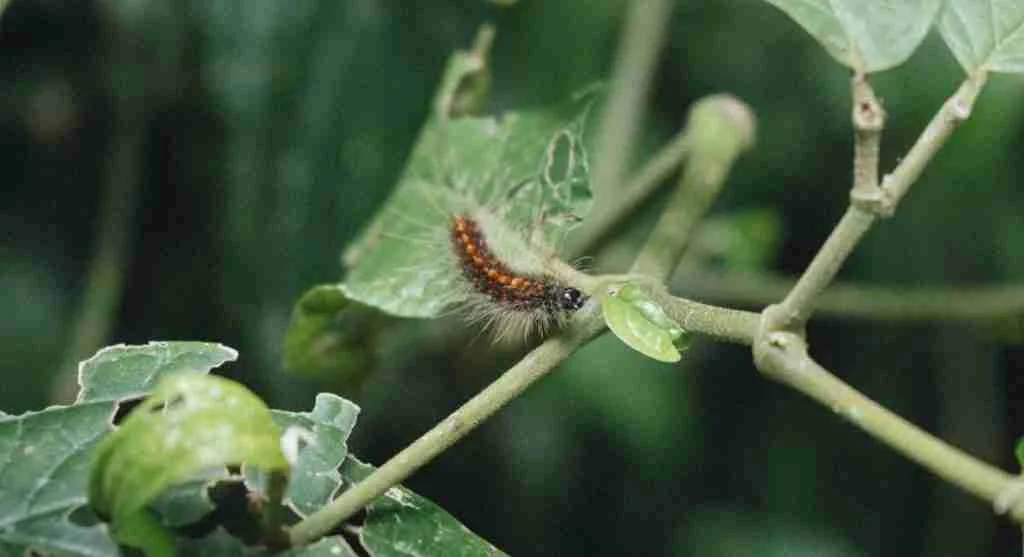
New growth does not always show trouble through holes first. Sometimes the first clues are more subtle. A leaf may look slightly uneven, slightly twisted, lightly roughened, or less balanced than the leaves beside it. Because tender growth is supposed to look clean and confident, even mild distortion can be meaningful when it appears repeatedly.
This is where careful comparison helps. Looking at several new leaves on the same plant or across the same crop often reveals whether one unusual leaf is random or whether a pattern is building. Protect tender new leaves by comparing them with healthy examples nearby, not by judging them in isolation.
The Fastest-Growing Crops Usually Need the Fastest Checks
Crops that push new leaves quickly often deserve more frequent inspection because the warning window can be short. A plant may look fine on one day, produce a flush of fresh growth, and show the first real signs of trouble soon afterward. If the grower waits for the whole plant to signal distress, the clearest moment for early action may already be past.
This is why some of the best pest control tips are really timing tips. The more quickly a crop replaces old leaves with new ones, the more useful those fresh inspections become. Fast-growing plants tend to reveal new problems quickly, but only if someone is looking at the right part of the plant.
Morning Checks Often Make Tender Growth Easier to Read
Soft new leaves are often easiest to inspect when the bed is quieter and the plants still hold their fresher early-day shape. By later afternoon, heat and daily movement may make the leaves feel looser, more folded, or slightly more stressed for reasons unrelated to pests. Morning inspection often gives a cleaner reading of what the newest growth actually looks like.
This does not mean later checks are useless. It means early checks often give the gardener better visual information. Fresh growth is delicate enough that reading it during the calmer part of the day can make a real difference.
Repeated Trouble on New Growth Is Often a Stronger Warning Than Isolated Damage on Mature Growth
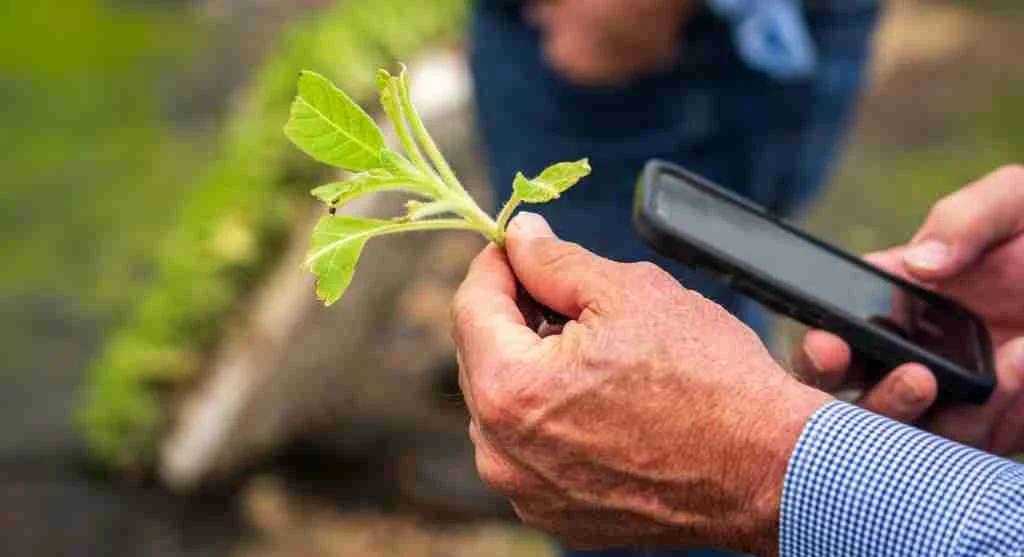
If mature leaves show one or two old-looking marks, the issue may already be finished. If fresh new growth keeps showing new roughness, the pattern is probably still active. That is why repeated small problems on the newest leaves often deserve more respect than older, larger damage elsewhere on the plant.
This kind of pattern helps the gardener respond sooner and more intelligently. The bed may still look mostly healthy, but if each new wave of leaves arrives already marked, the crop is telling the truth clearly enough. The problem is not fading. It is continuing.
Harvest and Tender-Growth Inspection Work Well Together
One of the easiest ways to build this habit without extra time is to combine it with harvest. Whenever the gardener reaches into the crop to gather produce, that same movement can include a quick look at the newest leaves. This is especially useful for repeated-pick crops where the hands are already close to the freshest growing points.
That routine makes pest observation much more realistic. Instead of scheduling a separate detailed check every time, the gardener lets normal harvest work create regular chances to see fresh growth while it is still telling the earliest truth.
Keep Notes on Which Crops Reveal Trouble First Through New Growth
Some crops make their warnings obvious on tender new leaves. Others show problems first in different ways. One of the smartest long-term pest control habits is to note which plantings repeatedly signal early trouble through fresh growth. That memory helps the gardener know where to look first during active weeks.
Over time, those notes build a more targeted inspection habit. The grower stops treating all crops as though they reveal trouble the same way and begins reading each planting by the clues it gives most honestly.
Frequently Asked Questions
Q: What are the best pest control tips for protecting tender new leaves?
A: The best pest control tips include checking fresh growth regularly, paying close attention to small new feeding marks, comparing several young leaves for pattern, and combining tender-growth inspection with routine harvest or morning garden checks.
Q: Why does pest trouble often show on new growth first?
A: Tender new growth is softer and more vulnerable than older leaves, so fresh feeding or distortion often appears there sooner and more clearly than it does on mature parts of the plant.
Q: What should gardeners look for on fresh new growth?
A: Gardeners should look for small feeding marks, rough edges, twisting, uneven shape, repeated texture changes, and anything that makes the newest leaves look less clean or balanced than nearby healthy growth.
Q: When is the best time to inspect tender leaves for early pest signs?
A: Morning is often especially useful because the bed is calmer and the leaves are easier to read clearly, but regular checks during harvest can also help catch patterns before they spread.
Key Takeaway
These pest control tips show that the newest leaves often tell the earliest truth about what is starting to happen in the bed. Backyard gardeners who pay attention to tender fresh growth can often catch small feeding patterns before they become bigger crop problems. In many gardens, the softest growth provides the sharpest warning.