
Useful pest control tips can help backyard gardeners notice a pattern that often slips past because it looks like bad timing instead of useful information. A bed is watered, the plants freshen up, and then during the next check the gardener suddenly notices new rough spots, bite marks, missing tissue, or weakened leaves that somehow seemed invisible before. It can feel as though the damage appeared out of nowhere. Often, it did not. The watering simply made the pattern easier to see.
This matters because many small pest problems are easiest to detect right after the bed has been disturbed gently by normal care. Leaves shift, lower growth becomes more visible, and the grower stays in the space longer than during a passing glance. These pest control tips focus on how to read post-watering garden checks more carefully, why damage often seems to “appear” after irrigation, and how to use that moment to catch hidden pest activity before it spreads into a larger problem.
Watering Often Reveals What a Quick Visual Pass Misses
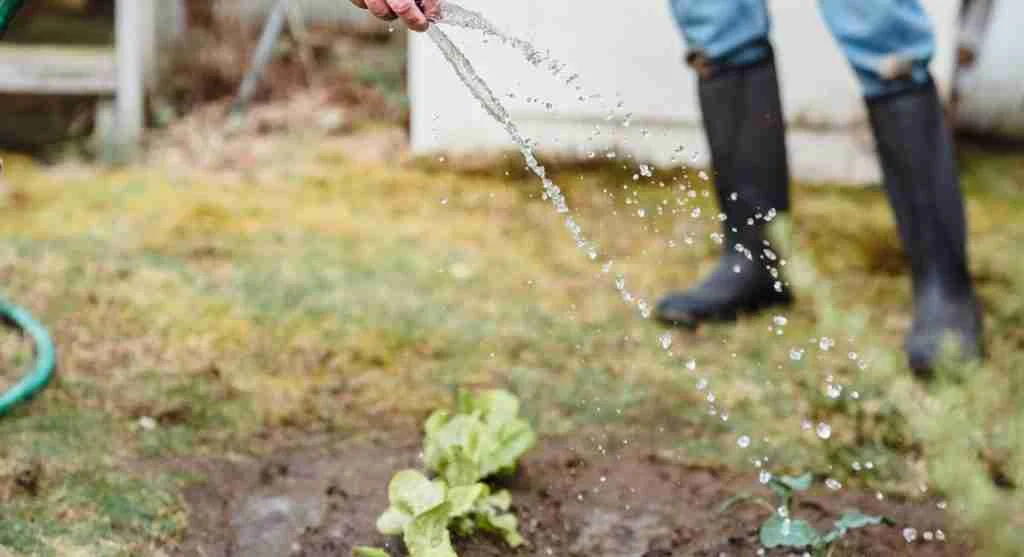
A fast walk past the bed rarely shows the whole story. Watering slows the gardener down. It changes viewing angles, moves foliage, and draws attention closer to the base of plants and the undersides of leaves. Because of that, damage that existed earlier may finally become obvious during or after the watering session.
This is why some of the best pest control tips are tied to routine care instead of separate inspections alone. The gardener is already present, already looking closely, and already moving through the bed with purpose. Watering creates a natural inspection opportunity that many people do not fully use.
Leaves Look Different After Water and That Can Make Damage Easier to Read
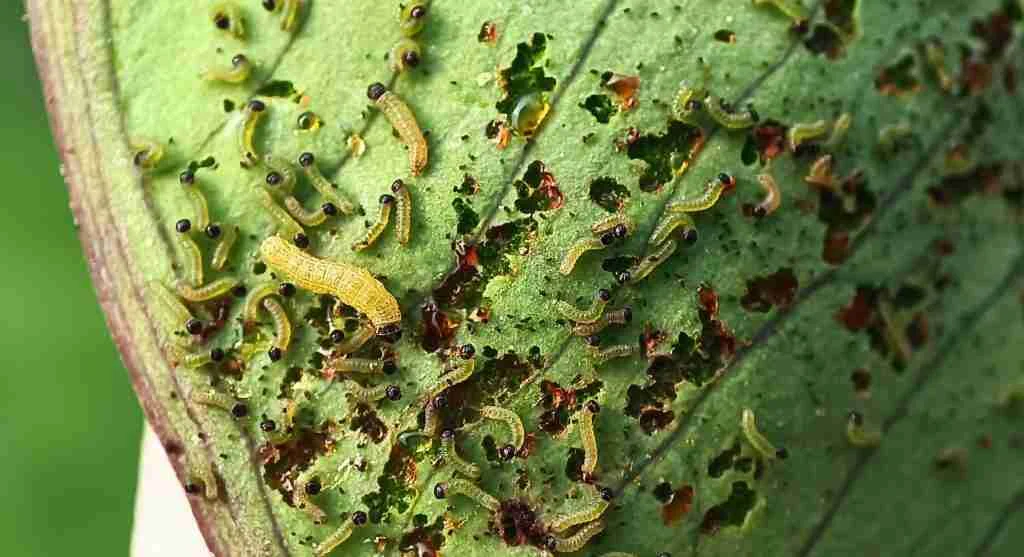
Freshly watered plants often hold light differently. Dampened surfaces, shifted leaf positions, and cleaner-looking contrast between healthy and damaged tissue can make small trouble stand out more clearly. A thin chewed edge or a pale rough patch may seem much more visible after the plant has been watered than it did in the dustier, flatter look of a dry afternoon.
That does not mean watering caused the damage. It means watering changed the readability of the plant. One of the most practical pest control tips is understanding the difference between new damage and newly visible damage.
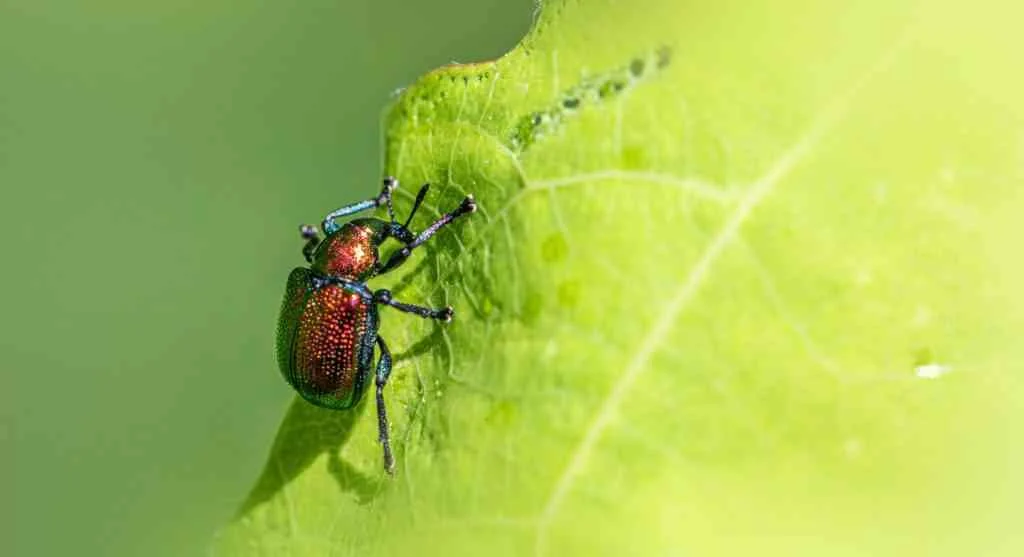
Watering Time Often Opens the Lower Parts of the Bed to Inspection
Many hidden pest problems build low in the planting. The gardener bends down, lifts leaves out of the way to water the root zone, and suddenly sees what the upper canopy had been hiding. Lower stems, shaded fruit, and older leaves often reveal useful clues only when normal watering motions briefly open those areas.
This is especially important in fuller summer beds where a standing glance mostly shows the top layer. A post-watering check helps the gardener read the quieter lower zones where small damage often begins first.
Repeated Post-Watering Signs Usually Mean the Problem Is Real, Not Random
If the same kind of damage keeps being noticed after different watering sessions, that repetition deserves respect. The pattern may not be that pests are active because of watering itself. The pattern may simply be that watering is the one time the gardener is seeing the bed closely enough to catch what has been building all along. Repeated post-watering discoveries often point to a real issue that was already there between visits.
This is one reason post-watering damage checks are so useful. They help turn vague suspicion into a clearer pattern. When the same crop or bed section keeps revealing trouble after watering, the gardener is no longer dealing with coincidence alone.
Soft New Growth Often Shows the Clearest Post-Watering Clues
Fresh tender leaves often stand out more clearly after irrigation because they lift, unfold, or separate slightly from surrounding growth. That makes new feeding marks easier to catch. A crop may have looked healthy at first glance, but once the newest leaves are seen more clearly, the first real signs of damage begin to show.
One of the strongest pest control tips is to use watering time to study the newest growth on each plant, not only the oldest visible leaves. Tender growth often reveals the most current truth about what is happening in the bed.
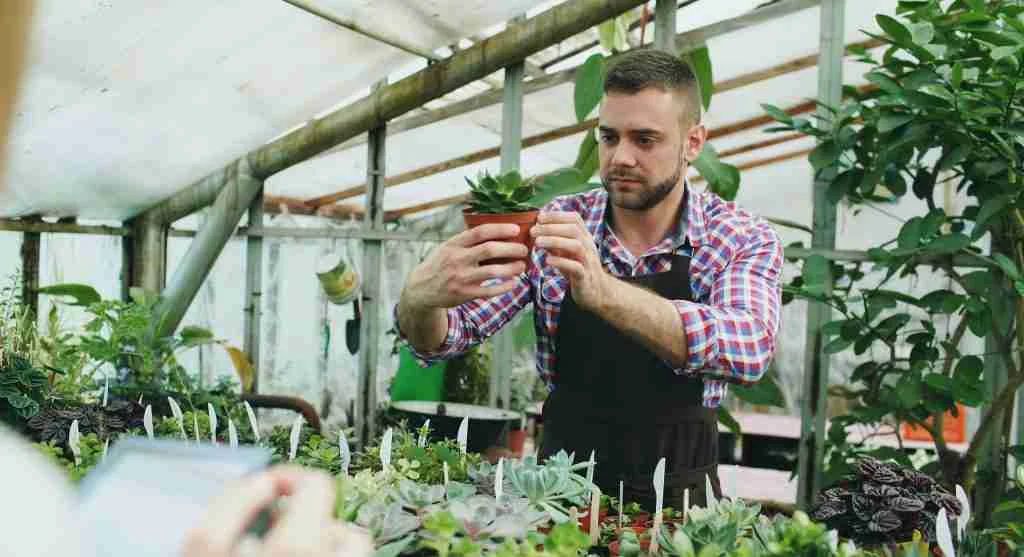
Post-Watering Checks Are Better for Patterns Than for Panic
Because damage can look more dramatic once it is finally seen clearly, some gardeners overreact in the moment. The better use of the post-watering check is not panic. It is pattern reading. What kind of mark is appearing? Where on the plant is it showing up? Is it on new growth, lower growth, or one side of the bed? Does the same crop keep showing it?
These questions turn watering-time discovery into useful garden knowledge. The goal is not to be startled by the first mark. The goal is to understand what the mark is trying to tell the grower before it becomes more widespread.
Regular Watering Sessions Can Double as Built-In Pest Monitoring
One of the easiest ways to make pest observation more consistent is to stop treating it as a totally separate task. Watering already places the gardener in the right position to notice plant condition carefully. If each session includes a short habit of checking lower leaves, new growth, and recently hidden areas, pest monitoring becomes much more regular without requiring an extra trip.
This is especially useful for busy growers. The garden does not always need more separate chores. Sometimes it needs better use of the chores already happening. That is where practical pest control tips tend to be strongest.
Keep Notes on What the Bed Reveals Right After Watering
Some beds consistently reveal more useful pest clues after watering than others. Some crops show the pattern more clearly. One of the best long-term habits a gardener can build is noting which signs appear during those sessions, which sections keep revealing trouble, and what kinds of damage become visible only when the plants are inspected at close range after irrigation.
Over time, those notes help the gardener stop being surprised by post-watering discoveries. Instead, watering becomes one of the most reliable times to catch the bed telling the truth.
Frequently Asked Questions
Q: What are the best pest control tips for checking a garden after watering?
A: The best pest control tips include using watering as a built-in inspection time, looking at lower leaves and new growth, noticing repeated damage patterns that appear during these checks, and distinguishing between truly new damage and damage that was simply easier to see after watering.
Q: Why does pest damage seem more visible after watering?
A: Watering changes leaf position, slows the gardener down, improves close visibility, and often opens the lower parts of the bed. That makes existing damage easier to notice even if the pests did not cause it at that exact moment.
Q: Should gardeners worry if they keep noticing damage after watering?
A: Yes, repeated post-watering discoveries usually deserve attention because they often mean the same damage pattern has been present and is only being seen clearly during close watering-time checks.
Q: Can watering sessions really help with pest monitoring?
A: Absolutely. Watering already puts the gardener near the plants, which makes it one of the best natural times to inspect tender growth, lower leaves, and hidden sections without creating a separate extra task.
Key Takeaway
Key Takeaway: These pest control tips show that watering does more than support the crop. It also creates one of the best chances to see what the bed has been hiding. Backyard gardeners who treat post-watering time as inspection time usually catch damage earlier, read patterns more clearly, and respond before small problems become much harder to manage.