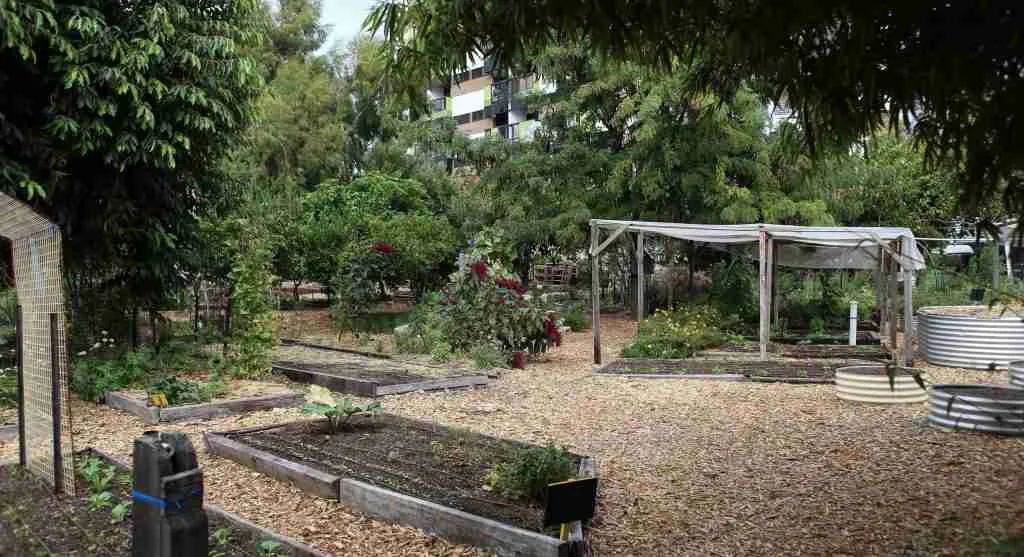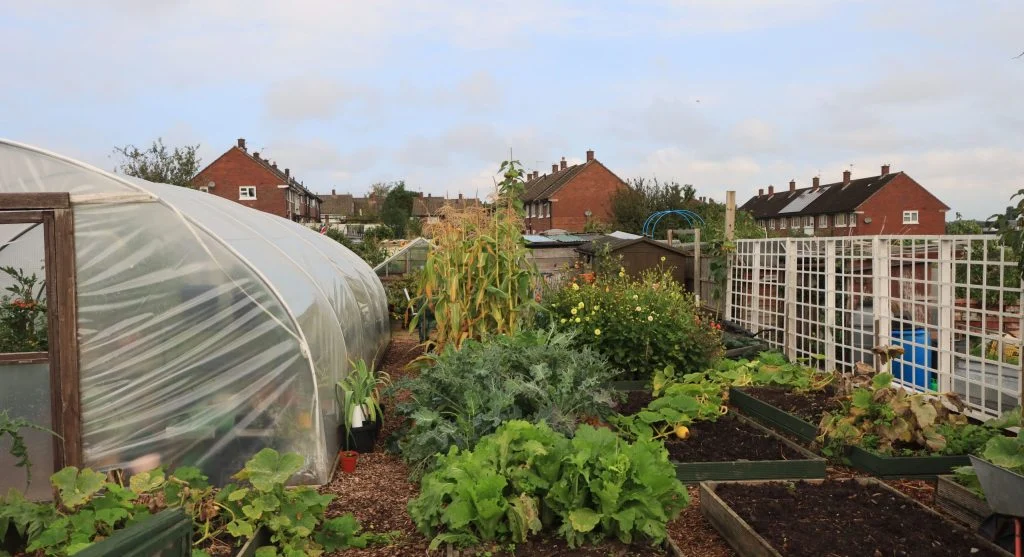


Useful garden tips can help backyard growers notice small seasonal changes before those changes quietly slow down the whole bed. Many gardens do not lose momentum because of one big problem. They slow down because the season shifts little by little. A bed begins drying faster, one crop leans more heavily, another starts shading too much, and harvest timing changes without the grower fully realizing how much the garden has moved into a new phase.
Garden educators, crop planners, and experienced home growers often explain that successful backyard bed care depends on reading these small transitions early. A garden that is cared for the same way every week, even when conditions are changing, often becomes harder to manage than it needs to be. These garden tips focus on how to notice seasonal garden changes, respond to them sooner, and keep steady garden growth moving through active weeks instead of letting the bed drift into avoidable slowdown.
Why Garden Tips Matter During Small Seasonal Shifts
Most beds do not change all at once. They change in layers. The sun angle may feel stronger, crop size may increase, watering rhythm may shift, and certain sections may become harder to reach or read. None of these changes alone may seem serious. Together, they can make a bed feel less productive and more difficult within only a short time.
Researchers who study home garden performance often note that timing and responsiveness strongly affect crop quality and bed management. This is why garden tips matter so much during seasonal transitions. Small changes often need small adjustments, but those adjustments work best when they happen before the bed starts falling behind.
Backyard bed care usually becomes easier when the grower learns to read the season as it moves rather than reacting only after the garden already feels off balance.
Watch What Changed Since Last Week, Not Only What Looks Wrong Today
One of the strongest garden tips is comparing the bed to its recent past instead of only looking for obvious problems. A crop may still look healthy but clearly be occupying more space, drying faster, or producing at a different pace than it was a week earlier. These differences often matter more than one dramatic warning sign.
Garden educators often recommend asking a few simple questions during each walk through the space. Which bed feels fuller than last week? Which crop now needs harvesting more often? Which area is becoming harder to inspect? These comparisons help the gardener notice change earlier, while the bed is still easy to guide.
Seasonal garden changes are often easiest to catch when the grower pays attention to movement over time. Yesterday’s normal may not still be today’s normal.

Notice When a Routine Task Starts Taking Longer
Another of the most useful garden tips is using daily work as a signal. If watering, harvesting, tying, or checking plants suddenly takes longer than it did recently, the bed may already be entering a new stage. A slower task often means the garden layout, crop size, or bed density has changed enough to affect the routine.
Outdoor work educators often explain that practical friction is one of the clearest signs of seasonal change. A path may be tighter, a crop may be hiding fruit more deeply, or one area may now need extra attention. These are not just work annoyances. They are clues that the garden has shifted and the care pattern should shift too.
Steady garden growth often depends on noticing when the work itself begins to feel different. The routine is often one of the best measuring tools a grower has.
Use Paths and Bed Edges as Early Warning Signs
One of the smarter garden tips is watching the spaces around the crops, not only the crops themselves. Paths narrowing, bed edges disappearing, and mulch or leaves spilling outward often show that growth is entering a new phase. These signs may appear before the plants themselves seem like a problem.
Garden planners often note that movement areas usually reveal seasonal shifts early because they are where expanding growth starts interfering with daily access. Once the path feels tighter, the bed often already needs a small adjustment. This could mean harvesting sooner, guiding growth better, or doing light cleanup before the space becomes frustrating.
Backyard bed care usually stays easier when the grower treats paths and edges like part of the garden’s health. They often speak sooner than the crop does.
Watch the Soil Surface for Signs the Season Has Shifted
One of the more practical garden tips is noticing when the soil surface begins behaving differently. Mulch may dry faster, one bed may crust more quickly, or watering may seem to disappear at a different pace than before. These changes often show that temperature, crop demand, or root activity has shifted enough to affect the bed’s balance.
Soil educators often explain that surface behavior reflects deeper garden changes. When the top layer begins responding differently, it often means the routine below should be checked too. A bed that once stayed balanced for several days may now need more attention, or a mulched bed may now be holding moisture better than expected because crop shade has increased.
Seasonal garden changes often become visible through the soil before the crop looks clearly stressed. The bed surface is often an early message from the season itself.
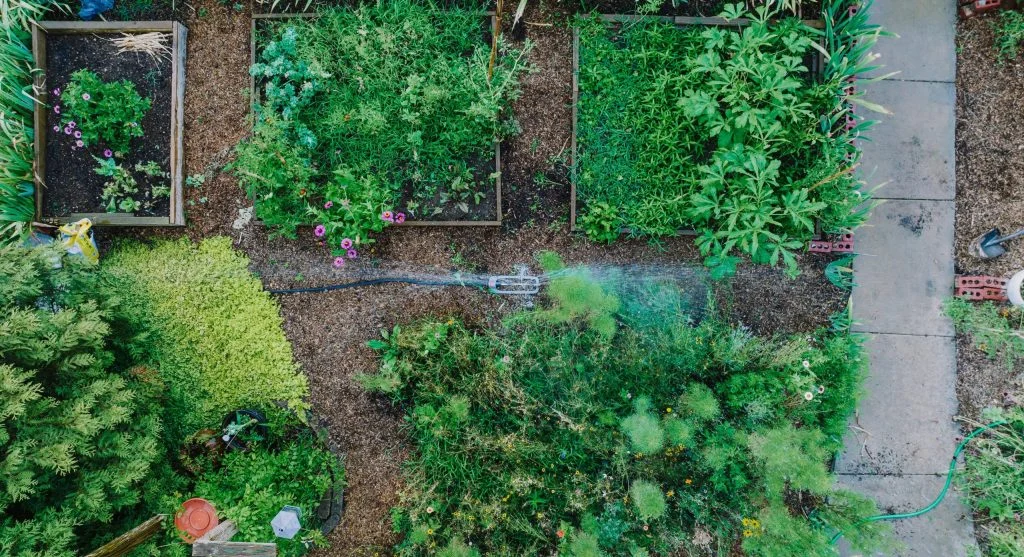
Adjust One Small Habit at a Time Instead of Changing Everything
One of the best garden tips for seasonal change is making smaller adjustments instead of trying to overhaul the whole garden routine at once. If the bed is becoming fuller, one harvest change may help. If the soil is drying faster, one watering adjustment may be enough. If paths are tightening, one cleanup round may restore order. Small seasonal shifts usually respond well to small corrections.
Garden educators often explain that big reactions may create extra work and confusion when the actual problem is still relatively small. A little more frequent checking, earlier harvesting, slightly better guidance of stems, or a modest change in watering order often protects momentum without disrupting the whole system.
To keep steady garden growth, gardeners often do best when they treat seasonal change as something to steer, not something to fight all at once. Smaller changes are often more repeatable and more accurate.
Use Short Notes to Build a Seasonal Memory
One of the strongest garden tips for long-term improvement is keeping simple notes on what the beds begin doing at different points in the season. One crop may always start crowding the path in midseason, one bed may always dry faster after a certain point, and one area may always need more frequent harvest once temperatures rise. These patterns become much more useful when they are written down.
Garden educators often suggest brief notes about timing, crop behavior, watering changes, and work patterns that begin to shift. These records do not need to be detailed to help. Over time, they give the gardener a much clearer sense of what seasonal transitions usually look like in that specific yard.
Backyard bed care often becomes more confident when the grower has a seasonal memory to work from instead of depending on guesswork every time the garden changes pace.
Trust Repeated Small Signs More Than One Big Surprise
One of the more overlooked garden tips is understanding that the garden often gives repeated small warnings before it gives one major visible setback. A crop that needs slightly more water, a path that feels just a little tighter, or a harvest that now needs an extra basket may seem minor on its own. Together, these signs often show exactly where the season is moving.
Garden planners often explain that growers who respond to these repeated small signs usually stay ahead of problems more easily than growers who wait for one dramatic sign to force a change. The garden usually speaks in patterns first and surprises later. Better observation often turns those patterns into easier care instead of bigger recovery work.
Seasonal garden changes are usually kindest to the gardener who notices them early. Small signs are often the most helpful signs.
Frequently Asked Questions
Q: What are the best garden tips for tracking seasonal bed changes?
A: Some of the best garden tips include comparing the bed to how it looked last week, noticing when routine tasks take longer, watching paths and bed edges, checking soil surface behavior, making one small adjustment at a time, and keeping notes on recurring seasonal patterns.
Q: Why do small seasonal garden changes matter so much?
A: Small seasonal changes matter because they often affect harvest timing, watering, access, and plant spacing before any large visible problem appears. Catching them early usually keeps the bed easier to manage.
Q: How can gardeners keep steady garden growth through changing weeks?
A: Gardeners can keep steady garden growth by noticing early shifts in crop size, soil behavior, and routine difficulty, then making small timely adjustments instead of waiting until the bed clearly falls behind.
Q: What helps improve backyard bed care over a full season?
A: Better backyard bed care usually comes from observation, short notes, and timely small corrections. These habits help the grower understand how the garden changes and what each bed needs as the season moves forward.
Key Takeaway
These garden tips show that beds often keep their momentum best when small seasonal changes are noticed before they become larger setbacks. Watching the recent pace of growth, the feel of routine tasks, the behavior of paths and soil, and the repeated small signs across the bed all help keep backyard bed care more accurate. Small timely adjustments and short notes make the process even stronger. For many growers, the best garden tips are the ones that help them read the season while it is still easy to guide.