
Useful harvest tips can help backyard gardeners manage beds where produce ripens at different speeds instead of all at once. This is common in home gardens. One tomato cluster may be ready today, another may need two more days, and a third may still be much earlier in development. Cucumbers, beans, peppers, squash, and many other crops often behave the same way. When the harvest routine does not adjust to that mix, good produce can be missed, overripe items may stay on the plant too long, and immature crops may be picked before they reach their best stage.
Harvest educators, crop specialists, and experienced home growers often explain that mixed-ripeness beds reward careful observation more than fast picking. A steady harvest routine usually protects quality better than a rushed one. These harvest tips focus on how to manage mixed-ripeness harvests, pick vegetables at different stages more wisely, and protect garden produce quality when one bed holds crops that are all moving at different speeds.
Why Harvest Tips Matter in Mixed-Ripeness Beds
A mixed-ripeness bed asks the gardener to make more decisions than a bed where everything is ready at the same time. It is easy to grab the first ripe produce you see, miss something hidden behind leaves, or accidentally pick items that would have improved if left a little longer. At the same time, waiting too long can reduce the quality of crops that were already ready.
Researchers who study produce quality often note that ripeness timing affects flavor, texture, storage life, and continued plant productivity. This is why harvest tips matter so much in beds where crops are not evenly ready. Better timing often protects both the produce being picked today and the produce that still needs a little more time.
To protect garden produce quality, the gardener often needs to treat harvesting as a selective process rather than one broad sweep across the whole bed. That careful approach usually leads to better results.
Look for Stages, Not Only for “Ready” or “Not Ready”
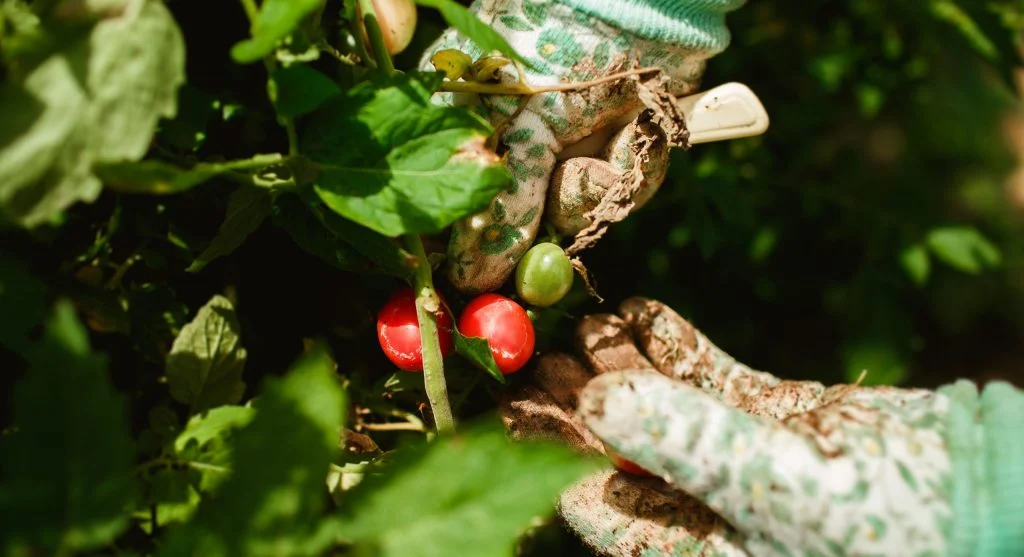
One of the strongest harvest tips is learning to recognize several ripeness stages at once instead of only two categories. In many beds, crops are not simply ready or unready. They may be fully ready, nearly ready, still filling out, or still very early. Once the gardener starts reading these stages more clearly, the bed becomes much easier to manage.
Harvest educators often recommend scanning the bed once before picking anything. This first look helps separate what must come off today, what may be ready soon, and what clearly needs more time. That small pause often prevents rushed decisions and helps the whole harvest move in a better order.
Mixed-ripeness harvests often become more successful when the gardener thinks in stages rather than making one quick yes-or-no decision for every crop.
Pick the Most Time-Sensitive Produce First
Another useful harvest tip is starting with the produce most likely to lose quality if left longer. Soft tomatoes, tender beans, delicate herbs, and quickly maturing cucumbers often deserve earlier attention than crops that can hold their stage a little longer. If the gardener picks sturdier items first, the most time-sensitive produce may be forgotten or left too long in the heat.
Produce handling specialists often explain that some crops move past their best stage quickly, especially during warm weather. Starting with them helps protect both freshness and flavor. It also lowers the chance that delicate produce gets buried under later harvests from sturdier crops.
To protect garden produce quality in a mixed-ripeness bed, gardeners usually do best when they let urgency guide the order. The crop that changes fastest often belongs first in the basket.
Harvest in One Direction So Nothing Ready Gets Missed
One of the smarter harvest tips is moving through the bed in a consistent direction instead of picking randomly wherever the eye lands. When crops are ripening unevenly, random picking often leads to missed produce hidden behind leaves or lower in the bed. A more organized path helps reduce that problem.
Garden educators often suggest starting at one side or one row and moving steadily across the bed. This helps the grower check both the visible outer produce and the less obvious inner fruits or stems that may also be ready. It also makes the harvest feel calmer and easier to repeat during the next picking session.
Pick vegetables at different stages more accurately by giving the harvest a clear path. A steady direction often reveals what a rushed glance misses.
Use Separate Containers for “Use Soon” and “Can Wait” Produce
One of the more practical harvest tips for mixed-ripeness beds is sorting produce by how soon it should be used, not only by crop type. Some items may be at peak ripeness and need quick use, while others may still be firm enough to hold a little longer. If those are mixed together without much thought, the most delicate produce often gets overlooked indoors.
Harvest specialists often recommend using one container for highly ripe or tender items and another for sturdier or slightly earlier produce. This makes kitchen handling easier and helps the gardener remember which crops need the fastest attention. A small sorting step outdoors can protect a lot of value later.
Mixed-ripeness harvests often stay more useful when the grower plans for what happens after picking, not only during it. Better sorting usually makes better use of the whole harvest.
Be Careful Not to Damage the Produce That Still Needs Time
One of the best harvest tips in uneven beds is protecting the crops that remain. A harvest that removes ripe produce too roughly may break stems, shift vines, or knock immature fruits before they are ready. In mixed beds, the gardener is often harvesting around tomorrow’s produce at the same time.
Crop specialists often explain that careful hand placement and steady movement matter a great deal in these situations. The goal is to remove what is ready without weakening the part of the plant that is still developing later produce. This helps the bed keep producing instead of slowing down because of rough picking.
Pick vegetables at different stages more wisely by remembering that each harvest pass affects the next one. Protecting what stays behind is part of protecting the overall crop.
Return Soon Instead of Trying to Finish the Whole Bed in One Pass
One of the more overlooked harvest tips is accepting that a mixed-ripeness bed often needs repeated shorter harvests instead of one large final sweep. Trying to force a full harvest from a partly ready bed often leads to picking too early or leaving too much overripe produce in place by the next visit.
Harvest educators often note that smaller repeated picking sessions work better for many backyard gardens because they match how home crops actually ripen. A second short visit a day or two later often protects far more quality than one overextended attempt to finish everything at once.
To manage mixed-ripeness harvests well, gardeners often need to work with the bed’s timing rather than against it. Repeated careful passes usually lead to better produce and steadier output.
Keep Notes on Which Crops Ripen Unevenly Most Often
One of the strongest harvest tips for long-term improvement is writing down which crops in the garden most often create mixed-ripeness picking conditions. Some varieties may ripen over long stretches, while others come in more evenly. Some beds may hide later produce better than others. These patterns become easier to plan for once they are recorded.
Garden educators often suggest noting crop type, variety, harvest timing, and how many repeat passes were needed. These simple notes help the next season’s routine become more accurate and less surprising. Over time, the gardener builds a better sense of which beds need frequent checks and which can be harvested more all at once.
Protect garden produce quality over time by turning each mixed-ripeness bed into a lesson for the next one. Notes help the whole routine become more intentional and less reactive.
Frequently Asked Questions
Q: What are the best harvest tips for mixed-ripeness beds?
A: Some of the best harvest tips include reading several ripeness stages at once, picking the most time-sensitive produce first, moving through the bed in one direction, sorting by use timing, protecting the produce that remains on the plant, and returning for repeated shorter harvests.
Q: Why do mixed-ripeness harvests happen so often in backyard gardens?
A: Mixed-ripeness harvests happen often because home garden crops do not always ripen evenly. Differences in sun exposure, plant position, temperature, and natural crop timing often cause one part of the bed to mature sooner than another.
Q: How can gardeners pick vegetables at different stages without wasting quality?
A: Gardeners can protect quality by choosing only what is truly ready, starting with the most time-sensitive produce, sorting harvests more carefully, and returning soon for the items that are nearly ready but not yet at their best stage.
Q: What helps protect garden produce quality during selective harvests?
A: Careful hand movement, organized picking order, separate baskets for different stages, and avoiding damage to the produce still left on the plant all help protect garden produce quality during selective harvests.