
Useful farm life tips can help backyard growers end each day in a way that makes the next day’s garden work much easier. Many small problems in outdoor spaces do not begin with the plants. They begin when tools are left in the wrong place, baskets stay full, paths get blocked, and the work area is left half-finished at the end of a busy session. By the next morning, even simple jobs may feel harder than they should.
Homestead educators, outdoor planners, and experienced backyard growers often explain that a good end of day garden routine saves time long after the work session itself is over. A short reset can reduce delays, protect tools, and help the growing space stay practical through busy weeks. These farm life tips focus on building a better backyard work reset, keeping an organized growing space, and making daily outdoor chores easier to start and easier to finish.
Why Farm Life Tips Matter at the End of the Day
Many growers think of the end of the day as the point where work simply stops. But in a productive yard, that final part of the routine often shapes how the next day will begin. A few minutes of order can protect hours of later effort, while a messy stop can make tomorrow’s tasks slower from the first moment.
Researchers who study small-scale work systems often note that repeated resets improve consistency because they reduce the number of small decisions needed the next time the work begins. This is why farm life tips matter so much at the close of a garden day. A good reset does not only clean the space. It also prepares the mind and the routine for what comes next.
An organized growing space usually stays useful because it is restored again and again in small ways. The end of the day is often where that process matters most.
Start the Reset With the Tools Used Most Often
One of the strongest farm life tips is beginning the evening reset with the tools that tend to disappear most often. Gloves, pruners, harvest scissors, hand trowels, markers, and ties are easy to leave behind because they move from bed to bed during the day. If they are not returned first, they often become the next morning’s first frustration.
Outdoor work educators often recommend returning these small everyday tools before touching the bigger cleanup jobs. This protects the items most likely to be misplaced and gives the gardener an early sense that the reset has already begun well. A small basket, hook board, or weather-safe bin often helps these items stay together consistently.
Backyard work reset routines usually become stronger when they start with the tools that create the most repeated delays. Those small items often matter more than they seem.
Clear the Main Path Before Anything Else Feels Finished
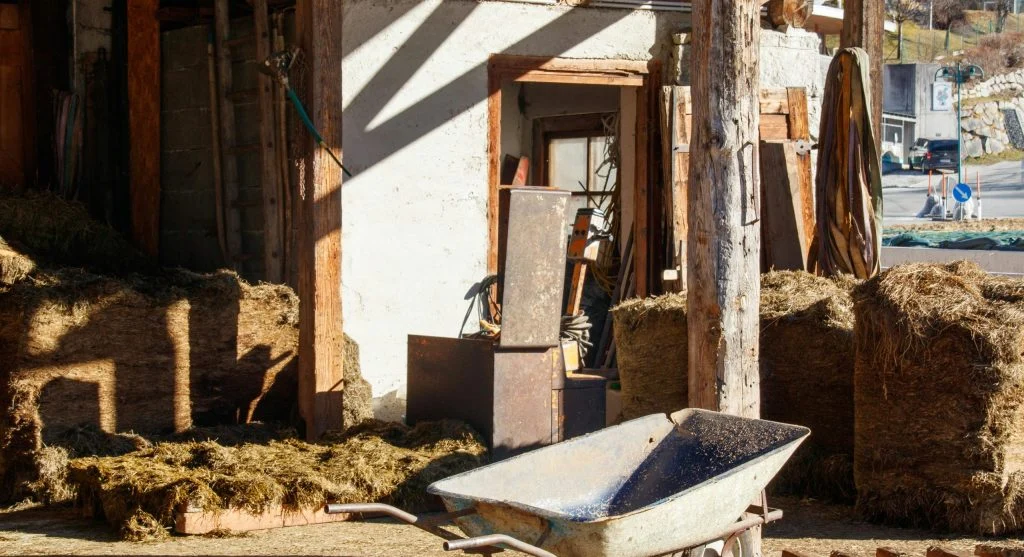
Another of the most useful farm life tips is making sure the main path or entry route is clear before the day ends. A tidy work table means less if baskets, hoses, trays, or tools are still blocking the way into the beds. Open movement matters because tomorrow’s first job often begins with a quick check, watering trip, or small harvest.
Garden planners often explain that a blocked path makes a small garden feel more crowded than it really is. Clearing it takes only a little time, but it changes how the whole space feels when the next visit begins. Even a narrow path becomes much more useful when it is kept easy to walk through at all times.
An end of day garden routine often works best when movement comes first. A clear path makes every later task easier to begin without resistance.
Empty or Sort Harvest Baskets Before Stopping
One of the smarter farm life tips is not leaving harvest baskets until the next day unless there is a very good reason. Even sturdy produce can become harder to sort if it sits mixed too long, and tender crops may lose quality more quickly if they stay in a basket overnight. A short sorting step often protects the value of the day’s work.
Harvest educators often explain that an evening sort does not need to mean full kitchen processing every time. It may simply mean separating delicate crops, removing muddy outer material, and making sure baskets are empty and ready again. This creates a cleaner starting point for the next harvest session and helps protect produce quality.
Backyard work reset routines usually become more useful when harvest handling is included, not treated as a separate problem for later. The basket itself often tells the gardener whether the day is really finished.
Leave One Work Surface Ready for Tomorrow
One of the most practical farm life tips is protecting one flat work area before ending the day. That may be a bench, a table, or a section of a potting space, but it should not be left fully covered by old trays, dirty tools, broken ties, or mixed containers. A ready surface helps tomorrow’s first task begin without extra cleanup.
Outdoor organization specialists often note that many small outdoor delays happen because there is nowhere clear to set anything down. A basket cannot be sorted, a label cannot be written, and a plant cannot be trimmed without first creating working room. One prepared surface often solves many of these repeated problems at once.
An organized growing space feels more usable when one clear work zone is always available. That surface often becomes the center of the next day’s momentum.
Check Water Supplies and Small Essentials Before Walking Away
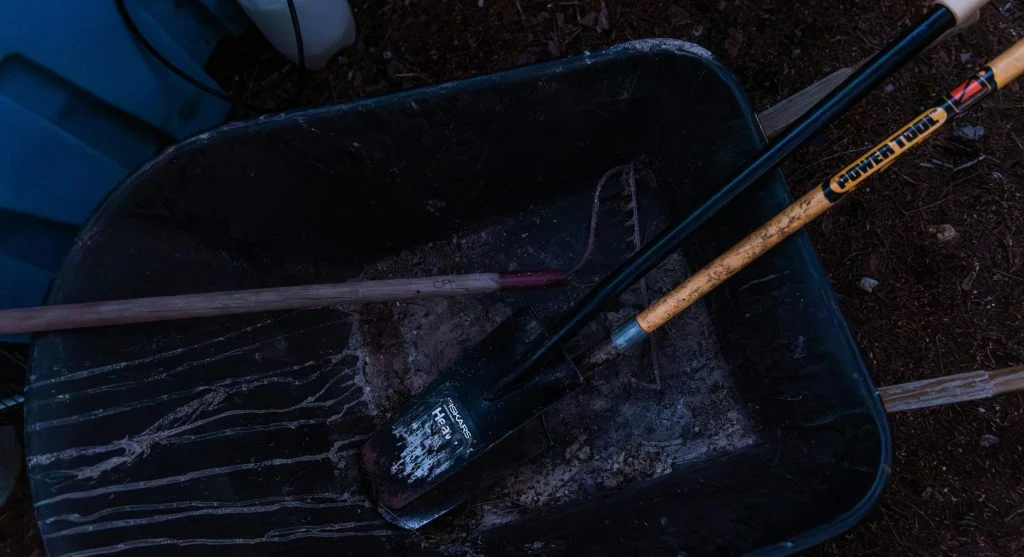
One of the more overlooked farm life tips is ending the day with a quick look at the basic supplies that are most likely to be needed first thing later. Watering cans, hose position, ties, labels, baskets, and simple hand tools often matter more at the next visit than larger occasional equipment. If those small essentials are missing or scattered, the next session begins with searching instead of growing.
Outdoor planners often suggest treating this check as a short readiness scan rather than a full inventory. The goal is to notice whether tomorrow’s most likely basic tools are easy to reach. This works especially well in small gardens where a little preparation can keep short weekday visits practical and efficient.
Backyard work reset routines often become stronger when they include the little things that are needed most often. Those details usually shape the next day more than the larger tools do.
Use the Final Walk as a Quiet Observation Round
One of the best farm life tips is using the last few minutes of the day not only for cleanup, but also for a calm final look at the beds. This is often when growers notice a leaning support, a crop ready by morning, a dry patch forming, or a small issue that can be solved in seconds before the day ends. A quiet closing walk often catches what the busy part of the work may have missed.
Garden educators often explain that closing observation helps the grower leave with a better sense of what tomorrow may need. It can reduce uncertainty and make the next day’s first priority feel clearer. That final look is not about starting more work. It is about ending the day with better awareness.
An end of day garden routine often feels complete when the space has been seen one more time with calm attention instead of only busy movement.
Keep Notes on What the Reset Keeps Solving
One of the strongest farm life tips for long-term improvement is writing down which evening reset steps keep helping the most. Some growers may realize the path check saves time every morning, while others may notice that emptying baskets or resetting the work surface prevents the most frustration. These small lessons are useful because they help the routine stay focused on what matters most.
Outdoor work educators often recommend simple notes about what caused delays, what solved them, and which parts of the reset feel most valuable. These short records help the grower refine the routine instead of repeating extra tasks that do not make much difference. Over time, the evening reset becomes more personal and more efficient.
Good farm routines often improve because small repeated actions are noticed and adjusted. Notes make that improvement easier to keep.
Frequently Asked Questions
Q: What are the best farm life tips for an end-of-day garden reset?
A: Some of the best farm life tips include returning small tools first, clearing the main path, sorting harvest baskets, leaving one work surface ready, checking small supplies, and doing a final quiet observation walk before ending the day.
Q: Why does an end of day garden routine matter so much?
A: An end of day garden routine matters because it prepares the garden for the next work session, reduces repeated delays, protects tools and produce, and helps the grower begin tomorrow’s tasks with less stress and better focus.
Q: How can growers create a better backyard work reset without spending too much extra time?
A: Growers can create a better backyard work reset by focusing on the few tasks that matter most every day, such as clearing paths, returning tools, sorting harvest baskets, and keeping one work surface ready. A short consistent reset usually helps more than an occasional large cleanup.
Q: What makes an organized growing space easier to maintain?
A: An organized growing space is easier to maintain when small items have clear places, paths stay open, work areas are reset often, and the garden is observed calmly at the end of each work session before problems grow larger.
Key Takeaway
These farm life tips show that a short evening reset can make a backyard growing space much easier to manage the next day. Returning small tools, clearing paths, sorting harvest baskets, preparing one work surface, checking simple supplies, and taking a final quiet walk all help create a stronger end of day garden routine. Notes also make the reset sharper over time. For many growers, the best farm life tips are the ones that make tomorrow’s work easier before today’s work truly ends.