
Useful soil tips can help backyard gardeners notice when one part of a bed is performing differently from the rest before crops start falling behind in a more obvious way. Many home garden beds do not behave evenly from one end to the other. One section may hold moisture longer, another may dry too fast, and another may support slower or smaller plants even when the same crop is growing nearby. These small differences often begin in the soil long before the whole bed looks like a problem.
Soil educators, crop specialists, and experienced home growers often explain that garden soil should be watched not only as one full bed, but also as a collection of smaller zones. A bed can look mostly healthy overall while one weak section quietly struggles underneath. These soil tips focus on how to spot uneven garden soil, understand weak bed sections, and improve garden bed balance before the differences turn into larger crop setbacks.
Why Soil Tips Matter for Uneven Bed Performance
When one part of a bed lags behind, the first reaction is often to blame the crop itself. But if the same crop is doing well in one section and poorly in another, the soil may be telling the more important story. Uneven moisture, tighter texture, lower organic matter, or repeated foot pressure may all shape how different parts of the bed perform.
Researchers who study soil systems often note that small differences in structure, compaction, and moisture movement can create visible crop differences even inside one short garden bed. This is why soil tips matter so much when growth looks uneven. The gardener often has a chance to correct the weaker section before the whole bed loses balance.
To improve garden bed balance, it helps to stop seeing the bed as one uniform surface. Most beds have stronger and weaker zones, and those zones often respond better once they are identified clearly.
Compare Crops Growing Side by Side, Not Just the Bed as a Whole
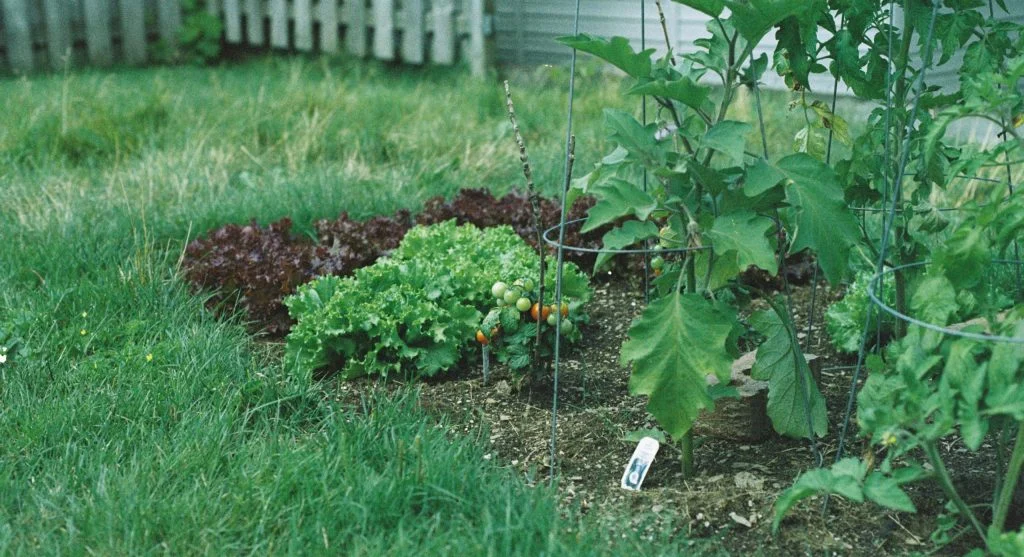
One of the strongest soil tips is comparing similar plants that are growing near each other. If one row or one patch of the same crop is shorter, paler, slower, or less full than the rest, that difference often matters more than the overall look of the bed. Side-by-side comparison makes hidden soil problems easier to notice.
Garden educators often recommend looking for repeated patterns rather than one isolated weak plant. A single slow plant may simply be an individual problem, but a whole small section showing the same lag often points to conditions below the surface. This can help the gardener decide where closer soil attention is most needed.
Uneven garden soil often reveals itself through these comparisons. The bed may only look uneven once the grower stops viewing it from a distance and starts reading it section by section.
Notice Where Water Disappears Faster or Stays Longer
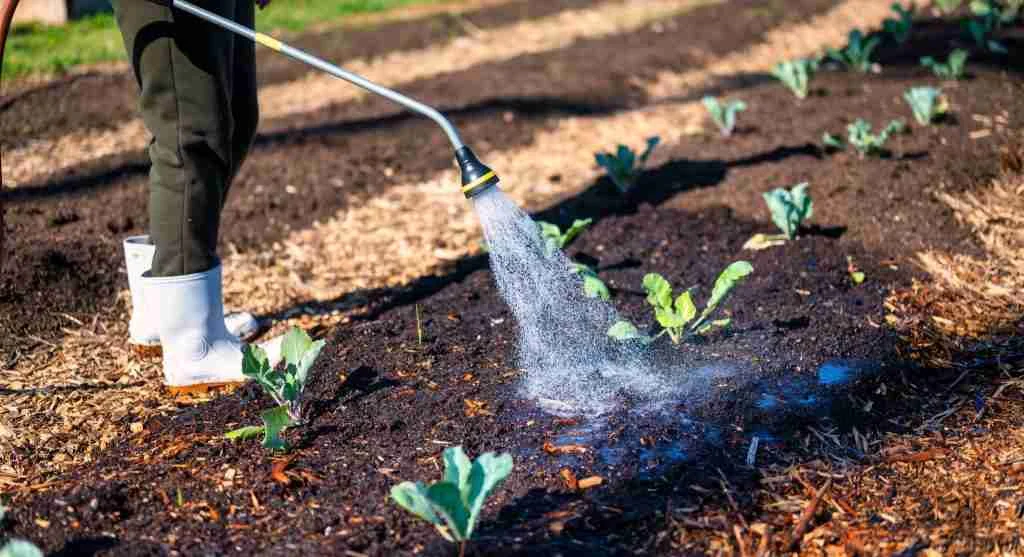
Another of the most useful soil tips is paying attention to how water behaves in different parts of the same bed. One end may seem dry again by the next morning, while another still feels cool and damp below the surface. These differences often explain why crop growth does not look even across the full space.
Water educators often explain that moisture pattern is one of the easiest ways to identify weak bed sections. Fast-drying spots may need more organic support or better surface protection, while slower wetter spots may point to denser soil or poorer movement below. These patterns are often much more valuable than a single guess about what the whole bed needs.
To improve garden bed balance, gardeners often need to understand how water moves through each section, not only how much water the bed receives overall. Moisture usually reveals what the soil is doing underneath.
Check the Soil Feel in More Than One Spot
One of the smarter soil tips is using the hand as a comparison tool. A bed may look similar across the surface, but the soil may feel quite different from one area to another. One section may crumble easily, another may feel tighter, and another may form a heavier mass after watering or rain. Those changes often matter to roots even before they become easy to see from above.
Soil educators often suggest checking several parts of a bed instead of only one central spot. This helps reveal whether a weak area feels more compacted, drier, wetter, or lower in organic softness than the surrounding sections. These simple hand checks often provide the first clear sign that the bed is not behaving evenly.
Weak bed sections often feel different before they look dramatically different. That is why touch can be one of the most useful early tools a gardener has.
Watch for Repeated Trouble in the Same Section Over Time
One of the more practical soil tips is noticing whether the same area always seems to struggle. A spot that dries out faster every week, produces smaller plants each season, or stays tight after rain may not be having a random bad day. It may be a part of the bed that consistently needs a different kind of support.
Garden planners often explain that repeated trouble spots are valuable clues because they show the difference between a one-time weather issue and a real pattern in the soil. That kind of pattern may come from foot traffic, runoff, poor bed shape, weaker soil structure, or repeated neglect of one corner while the rest of the bed gets more attention.
Uneven garden soil often becomes easier to manage once the gardener recognizes that the same section keeps asking for help. Patterns are often easier to improve than surprises.
Use Local Soil Support Instead of Treating the Whole Bed the Same
One of the best soil tips is matching the response to the weak section instead of assuming the whole bed needs the same treatment. If one part of the bed feels poorer, drier, or tighter than the rest, a local compost addition, thicker mulch, gentler watering focus, or other small adjustment may help more than broad whole-bed changes.
Soil specialists often explain that targeted support can be especially useful in active beds where the stronger sections are already performing well. A local response protects what is working while still improving what is lagging. This often makes correction simpler and more efficient than changing the entire system when only one area is struggling.
To improve garden bed balance, gardeners often do better with a precise response than with a broad one. The weaker section usually benefits most when it is treated as its own small zone.
Protect Weak Areas From Extra Pressure
One of the more overlooked soil tips is reducing stress on the weakest area while it improves. If that section also receives extra foot traffic, poor path runoff, or heavier tool use, it may keep falling behind no matter how much compost or water is added. Sometimes the first improvement is simply stopping the extra pressure.
Garden planners often recommend checking whether the weak section lies near a stepping point, a path edge, a hose drag line, or another place that receives repeated movement. Protecting the area from that pressure often helps the soil respond better to any later correction. A weak section usually cannot improve if the same stress keeps repeating over it.
Weak bed sections often recover best when gardeners remove the cause of the pressure, not only the result of it. Protection is often part of soil care too.
Keep Notes on Which Parts of the Bed Need Extra Help
One of the strongest soil tips for long-term improvement is writing down which parts of the bed regularly need more attention and what kinds of support actually help. Some sections may improve with compost, while others respond more clearly to mulch, changed watering, or less traffic. These details are easy to lose if they are not recorded.
Garden educators often recommend simple notes about crop growth, soil feel, moisture behavior, and any correction made to the weaker section. These notes help future planning become much more accurate because the gardener begins the next season already knowing where the likely trouble spots are.
To improve garden bed balance over time, gardeners often need memory they can trust. Notes help turn one season of uneven performance into a much stronger plan for the next one.
Frequently Asked Questions
Q: What are the best soil tips for uneven garden beds?
A: Some of the best soil tips include comparing similar crops side by side, watching where water dries faster or stays longer, checking soil feel in several spots, noticing repeated trouble areas, and using local support instead of treating the whole bed exactly the same.
Q: Why do weak bed sections happen in one part of a garden bed?
A: Weak bed sections often happen because soil conditions are not perfectly even across the bed. Differences in compaction, moisture movement, organic matter, runoff, and repeated foot traffic may all affect one area more than another.
Q: How can gardeners improve garden bed balance without rebuilding the whole bed?
A: Gardeners can improve garden bed balance by identifying the weaker section clearly and giving that part more targeted support, such as local compost, better mulch, adjusted watering, or protection from repeated pressure.
Q: What helps reveal uneven garden soil early?
A: Uneven garden soil is often revealed early through crop comparisons, different moisture behavior, changes in soil feel, and repeated weak growth in the same section over time.
Key Takeaway
These soil tips show that uneven bed performance is often easiest to improve when it is noticed before the weaker section becomes a major crop problem. Side-by-side crop comparison, moisture checks, soil feel, local support, and protection from repeated pressure all help reveal uneven garden soil and strengthen weak bed sections. Simple notes make those improvements easier to repeat next season. For many gardeners, the best soil tips are the ones that help the whole bed become more balanced by fixing the small areas that fall behind first.