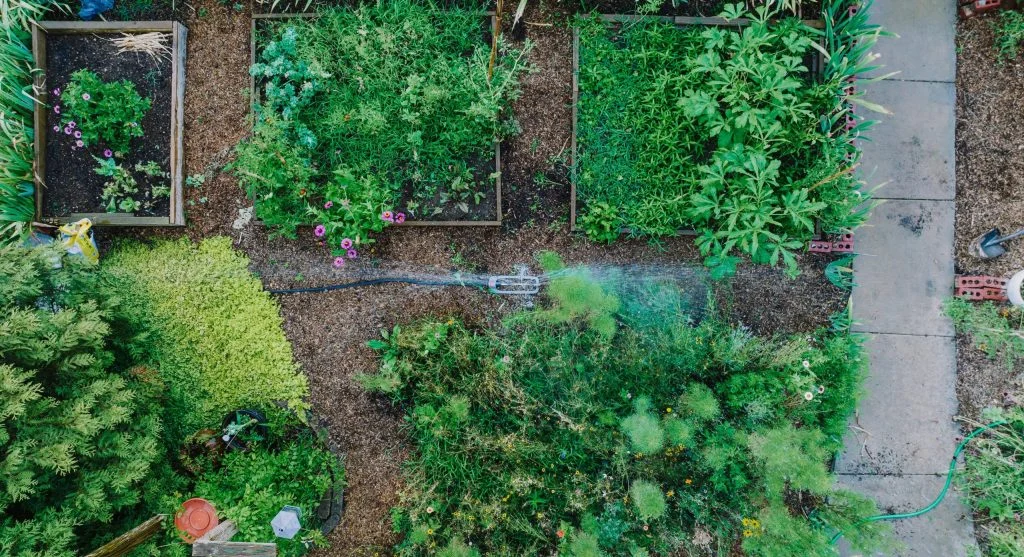

Useful farm life tips can help backyard growers build a better morning routine before the day becomes busy and small outdoor problems become easier to miss. Many home gardens look different at the start of the day than they do by afternoon. Leaves may still show overnight stress, ripe produce may stand out more clearly, and soil conditions often reveal themselves better before heat and traffic change the bed. A few careful habits in the morning can help the whole day run more smoothly. Farm life tips for checking bed surface conditions early, before daytime heat changes them
Homestead educators, outdoor planners, and experienced backyard growers often explain that a strong morning garden routine is less about doing a lot of work early and more about seeing the garden clearly before the day speeds up. These farm life tips focus on how to improve daily backyard checks, spot early outdoor problems faster, and make the first few minutes in the garden more useful than rushed.
Why Farm Life Tips Matter Most Early in the Day
A garden often gives its clearest signals in the morning. Overnight pest activity may still be visible, ripe crops may be easier to spot, and moisture patterns often make more sense before the strongest sun changes the surface. Later in the day, some of those signs may become harder to read because heat, wind, and regular work begin changing the space quickly.
Researchers who study small-scale outdoor systems often note that early observation improves response time because problems are often easier to identify before they blend into the rest of the day’s activity. This is why farm life tips matter so much in the morning. A few useful checks at the right time often prevent a bigger cleanup or missed harvest later.
Daily backyard checks usually become more powerful when they happen before the routine turns busy. Morning often gives the grower the best chance to read the garden honestly.
Start With a Full Walk Before Touching Any Tools
One of the strongest farm life tips is beginning the morning with a full walk through the space before starting work. It is tempting to grab a hose, basket, or pruners right away, but starting too quickly can make the grower miss the larger picture. A full walk helps show what changed overnight and what deserves attention first.
Outdoor planners often recommend using this first walk as observation only. The goal is to notice harvest-ready produce, drooping growth, path issues, fallen supports, and any fresh signs of damage or stress. Once the full space has been seen, the next tasks usually become easier to prioritize in the right order.
A morning garden routine often works best when it begins with calm observation instead of immediate action. The garden usually explains the day more clearly when it is seen whole first.
Look for What Changed Since Yesterday, Not Just What Looks Wrong
Another of the most useful farm life tips is comparing the bed to how it looked yesterday or during the last check. A problem does not always begin as something dramatic. A row may look slightly drier, one path may seem tighter, or one plant may be leaning more than before. These small shifts often matter most when they are noticed early.
Garden educators often explain that growers who watch for change usually stay ahead of problems better than growers who wait for something to look obviously bad. Morning is a good time for these comparisons because the bed is still quiet enough to read carefully. The eye often catches change more easily before the rest of the day fills the space with movement.
Early outdoor problem spotting often depends on memory as much as sight. A garden that is changing quietly usually tells the truth through small differences first.
Check the Fastest-Changing Crops First
One of the smarter farm life tips is learning which crops in the yard change the fastest between one day and the next. Tender herbs, cucumbers, beans, summer squash, leafy greens, and ripe tomatoes often deserve earlier attention than slower-moving crops. If these beds are left until last, the best harvest window may already be closing.
Harvest educators often note that the fastest crops usually benefit most from short morning attention. A quick check may reveal produce that should be picked, leaves that need support, or a section that is already asking for the next task. Starting with those quicker crops often protects both quality and routine flow.
A better morning garden routine often begins with the beds that do not wait patiently. Fast crops tend to reward early attention the most.
Notice Soil and Surface Conditions Before the Heat Changes Them
One of the more practical farm life tips is checking the soil and bed surface before the strongest sun starts affecting them. Moisture, mulch position, crusting, and wet or dry patches often show up more honestly at this time of day. Later, the surface may look very different, which can make watering decisions less accurate.
Soil and water educators often explain that morning checks give a clearer picture of what the root zone may still be experiencing from the night and the day before. This is especially useful in warm weather, when a bed can shift quickly once the sun rises higher. A short early check often helps avoid guess-based watering later.
Daily backyard checks often become more accurate when the grower pays attention to the bed before the weather has already changed its signals.
Use the Morning Check to Set the Day’s Order
One of the best farm life tips is turning the morning check into a simple priority list. Once the whole space has been seen, the grower can decide what needs harvesting first, what needs water most, what can wait, and which issue would become harder if left until later. This keeps the day from becoming a series of random reactions.
Outdoor work educators often explain that a garden feels much easier to manage when the order of work is based on real morning conditions. This reduces wasted time and helps the most time-sensitive tasks get done before energy or daylight shifts. Even a short mental list often improves the whole rhythm of outdoor work.
A morning garden routine becomes much more valuable when it leads directly into a better plan. Observation is most useful when it shapes the next steps clearly.
Keep the First Tools Ready for the First Problems
One of the more overlooked farm life tips is preparing for what the morning check most often reveals. If early walks usually lead to quick harvests, minor ties, gentle watering, or simple cleanup, those tools should be easy to reach. This helps the grower move smoothly from observation into action without losing the benefit of the early check.
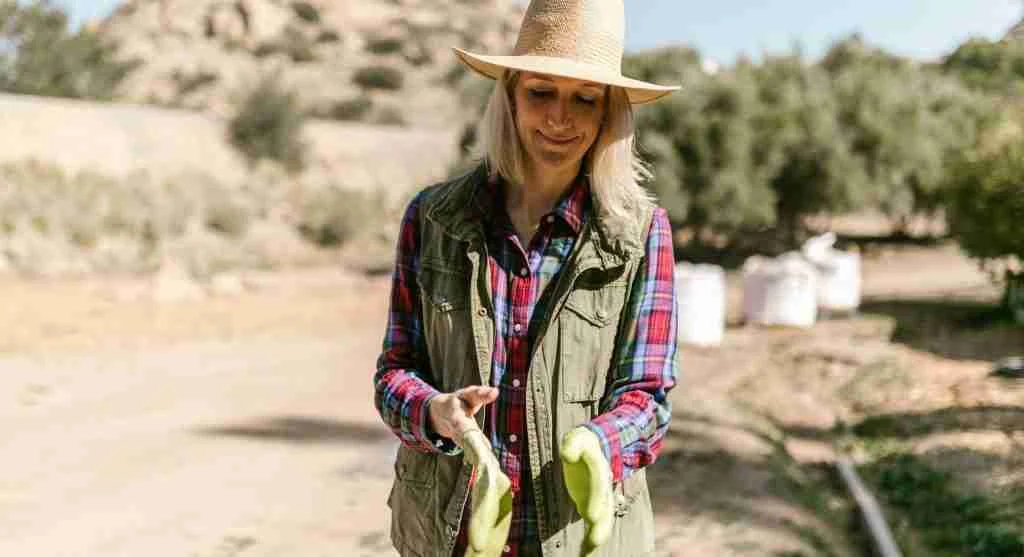
Outdoor planners often suggest keeping a small morning kit nearby with a basket, gloves, ties, pruners, and one or two other frequently used items. A ready kit makes it easier to handle the first useful tasks before the day gets interrupted. This is especially helpful in small backyard gardens where short focused work often matters more than long delayed sessions.
Daily backyard checks usually work best when they connect naturally to the tools needed most often. Good flow keeps the early routine productive instead of fragmented.
Keep Notes on What the Morning Keeps Revealing
One of the strongest farm life tips for long-term improvement is writing down what morning checks reveal most often. Some gardens may show fresh pest signs early, others may reveal harvest-ready crops most clearly at sunrise, and others may consistently show water stress in one bed before the rest of the yard. These repeated patterns help the routine become smarter over time.
Garden educators often recommend simple notes about which beds changed most, what tasks moved to the top of the list, and which problems were easiest to catch before midday. These observations help future morning checks become more focused and more efficient. Over time, the grower learns exactly what the yard tends to show first each day.
A strong morning garden routine usually gets better because it is learned, not guessed. Notes help the grower build that early-day understanding one check at a time.
Frequently Asked Questions
Q: What are the best farm life tips for morning garden checks?
A: Some of the best farm life tips include starting with a full walk, comparing the bed to yesterday, checking fast-changing crops first, noticing soil conditions early, using the check to set the day’s order, and keeping the first needed tools ready nearby.
Q: Why is a morning garden routine better than waiting until later?
A: A morning garden routine is often better because many signs are easier to read early, before heat, foot traffic, and regular work change how the bed looks and feels. This makes small problems and timely harvests easier to spot.
Q: How can daily backyard checks help prevent bigger problems?
A: Daily backyard checks help prevent bigger problems by catching changes early, such as fresh damage, ripening produce, tightening paths, or shifting soil conditions. Early action usually keeps those issues smaller and easier to manage.
Q: What helps with early outdoor problem spotting most?
A: Early outdoor problem spotting improves when growers walk the whole space first, look for change instead of only obvious damage, and pay close attention to the crops and bed areas that tend to shift fastest from day to day.
Key Takeaway
These farm life tips show that a strong morning routine can make the whole garden easier to manage before the day fully begins. A full early walk, better comparisons, closer checks of fast-changing crops, clearer reading of surface conditions, and a simple work order all help daily backyard checks become more useful. Ready tools and short notes make that routine even stronger over time. For many growers, the best farm life tips are the ones that help the first minutes of the day prevent bigger problems by the end of it.