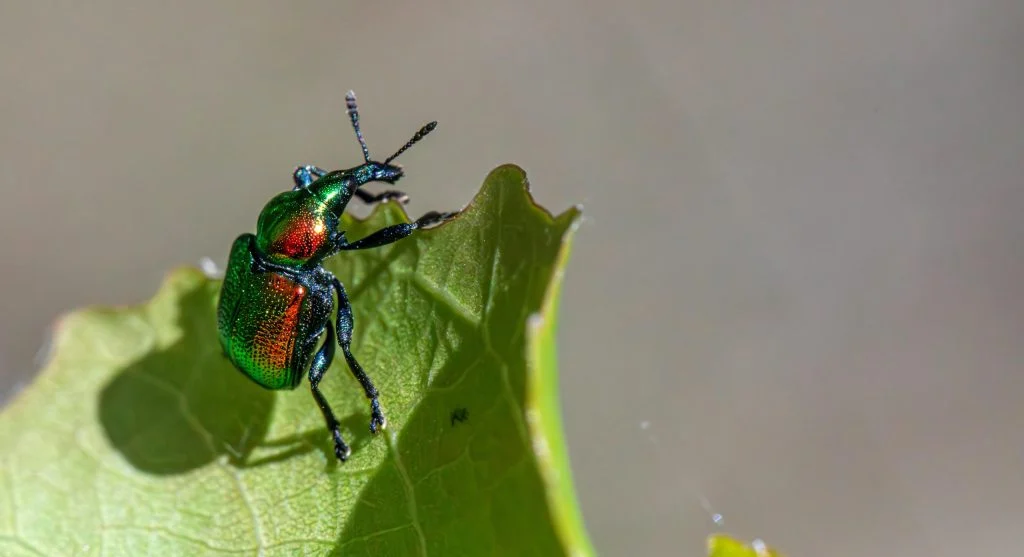

Useful pest control tips can help backyard gardeners catch small edge damage on leaves before a healthy bed starts looking rough, uneven, and harder to manage. Many pest problems do not begin with major holes or collapsed plants. They begin with a few small bites along the outer edge of leaves, especially on tender crops and younger growth. At first, the plant may still look mostly fine from a distance. A few days later, the same bed may seem much more stressed and much less tidy.
Plant health educators, crop specialists, and experienced home growers often explain that edge chewing is one of the easiest early signals to miss because it looks minor. But repeated chewing along many leaf margins often shows where pest pressure is beginning to build. These pest control tips focus on how to read leaf edge damage in garden beds, notice early chewing signs, and protect healthy vegetable beds before the problem spreads through a larger section of the yard.
Why Pest Control Tips Matter When Damage Starts at the Leaf Edge
The outer edge of the leaf is often where early chewing first becomes visible. That makes it an important place to watch. A plant may still stand upright, keep its color, and continue growing while the first feeding marks quietly increase along the margins. Because the crop still looks alive and mostly full, the gardener may delay a closer inspection until the damage is already easier to see across several plants.
Researchers who study crop injury often note that mild-looking feeding can become more important when it repeats across many leaves or keeps returning to the same plant zone. This is why pest control tips matter so much at the beginning of edge damage. Small repeated signs often show the bed is shifting from calm to pressure even before the crop appears badly affected.
To protect healthy vegetable beds, it helps to treat early edge chewing as useful information instead of waiting for dramatic holes or missing leaves. The first signs are often the easiest stage to manage well.
Check the Newest and Softest Leaves First
One of the strongest pest control tips is starting with the newest and softest leaves during regular checks. Tender new growth often shows feeding faster than older tougher leaves because it is easier for pests to damage and easier for the gardener to read clearly. If edge damage is beginning, this part of the plant often reveals it first.
Garden educators often recommend lifting the upper canopy slightly and looking at the fresh leaves that formed most recently. Small bites, uneven leaf margins, and fresh roughness along those outer edges may point to a growing issue earlier than older leaves lower in the bed. This is especially helpful in crops with fast soft leaf growth during warm weather.
Early chewing signs are often easiest to spot where the plant is newest. The youngest leaves usually give the clearest early warning when the bed is starting to change.
Compare One Damaged Leaf to Several Nearby Leaves
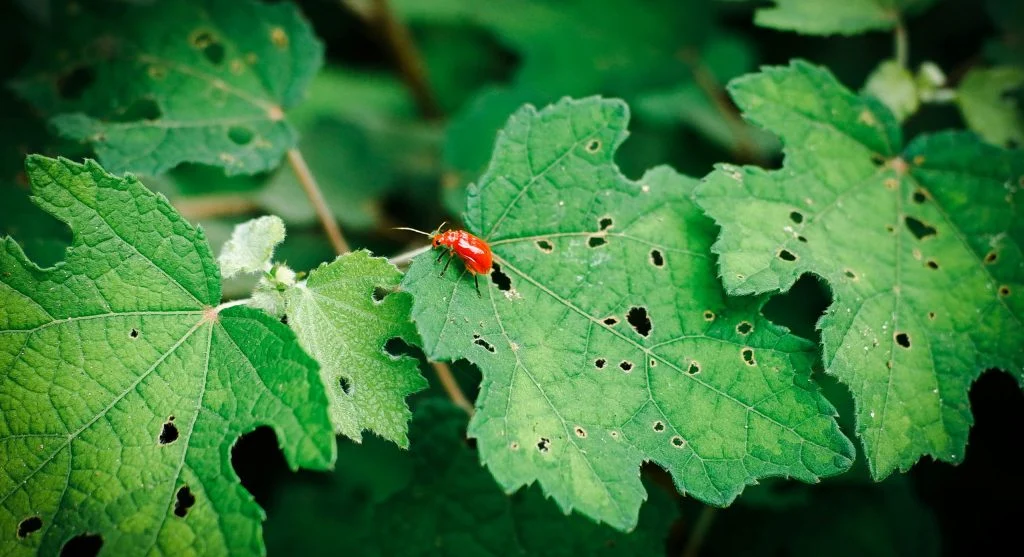
Another of the most useful pest control tips is checking whether the damage is isolated or repeating. One damaged leaf may not mean much on its own. But if several nearby leaves show similar edge chewing, especially in one section of the bed, the pattern often matters more than any single leaf does.
Plant health specialists often explain that repeated light damage across several leaves usually tells a better story than one dramatic-looking leaf alone. The goal is to see whether a feeding pattern is forming and whether it is staying local or beginning to widen. This comparison helps the gardener respond more accurately instead of reacting to one leaf without context.
Leaf edge damage in garden beds often becomes most useful when it is read as a pattern. Nearby comparison usually reveals whether the issue is starting small or already becoming established.
Check the Underside of Leaves After the Edges Show Damage
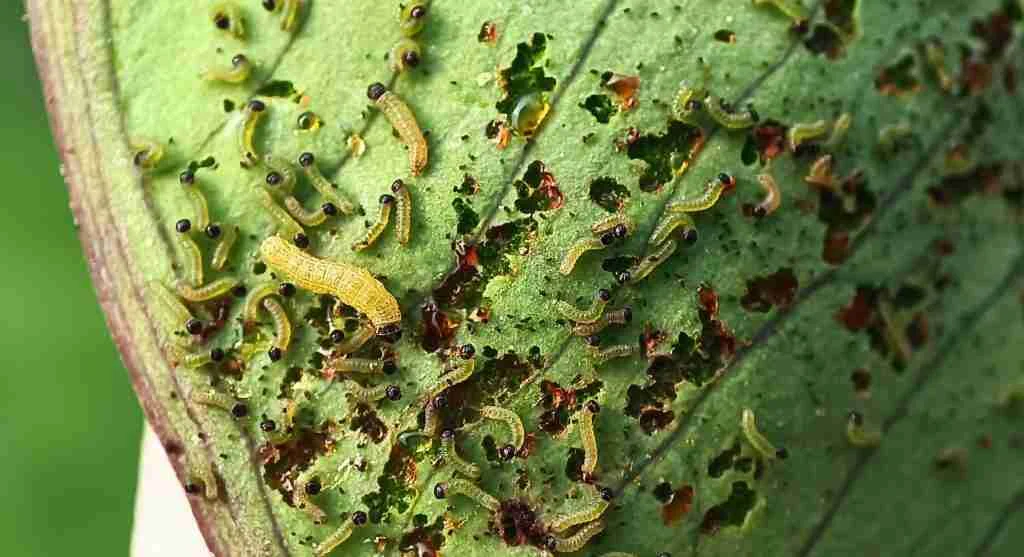
One of the smarter pest control tips is turning over the leaves once edge chewing is noticed. Many gardeners stop after seeing the damage itself, but the underside often gives better clues about what is happening. This is where hidden feeding signs, residue, eggs, or other stress patterns may be easier to find while the damage is still early.
Garden educators often explain that the visible leaf edge may only show the result, not the location of the cause. A careful underside check adds much more information and often helps the grower decide whether the issue is still beginning or has already been active for longer than expected. This small step often improves the whole inspection.
To protect healthy vegetable beds, it often helps to follow the clue from the margin to the hidden side of the leaf. That extra check usually reveals more than the first glance did.
Notice Whether Edge Damage Is Strongest in One Bed Layer
One of the more practical pest control tips is asking where in the bed the chewing appears most often. Some early damage may cluster on the lower outer leaves, while other problems may appear more often in the upper tender layer. That location often helps the grower understand where to keep looking and how the problem is developing.
Crop specialists often note that the height and position of damage matter because pests do not always feed in the same place. If the chewing is concentrated in one layer of the plant or one section of the row, that pattern may guide the next check much better than a general whole-bed search. This often saves time and improves accuracy.
Early chewing signs often become easier to manage once the gardener identifies not only what is damaged, but where the damage is strongest. Position is often part of the message.
Use Small Early Corrections Before the Bed Looks Ragged
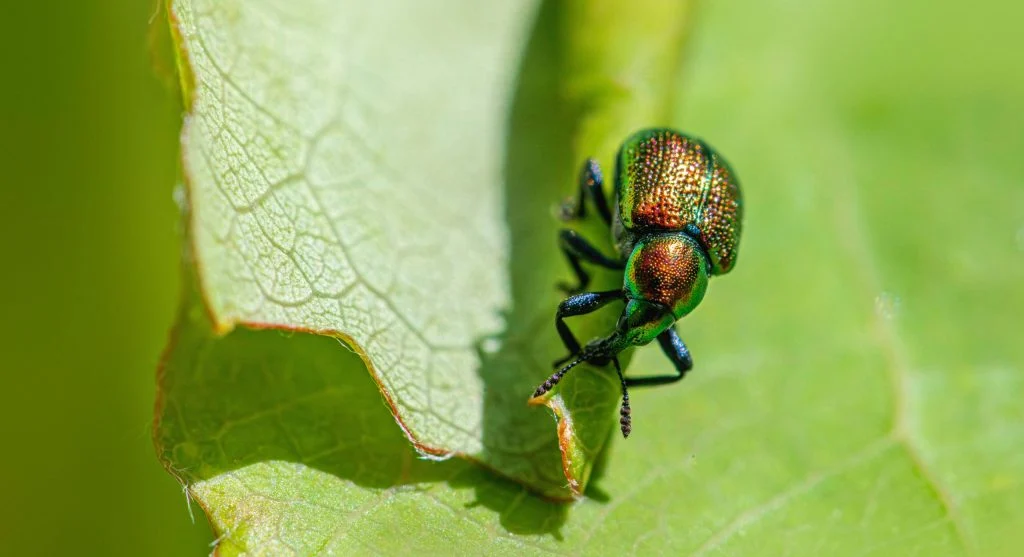
One of the best pest control tips is responding while the bed still looks mostly healthy. If the chewing is still light and local, careful observation, removing the most affected material when appropriate, checking nearby hiding places, and increasing the frequency of follow-up checks may be enough to stop the situation from becoming a larger visible problem.
Garden educators often explain that smaller responses usually work best when the issue is still early. Once the bed begins looking rough across many plants, the options may become more disruptive and the crop may already be under more stress. Early action protects both the appearance and the function of the bed.
To protect healthy vegetable beds, gardeners often do best when they respond during the quiet stage of the problem, not the dramatic stage. Calm early attention often prevents rough later cleanup.
Keep Harvest and Inspection Together in Fast Beds
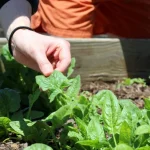
One of the more overlooked pest control tips is using routine harvest time as a natural leaf inspection moment. When the gardener is already touching the crop, moving leaves, and checking for ready produce, it becomes much easier to notice new chewing along leaf edges before it spreads widely. This works especially well in active summer beds where crops are visited often.
Harvest educators often suggest combining these tasks because it saves time and strengthens observation. The same hand movement used to gather beans, greens, or herbs can also reveal whether the leaves still look clean and balanced. A bed checked this way often stays ahead of problems more easily than one visited only for harvest alone.
Early chewing signs are often easiest to catch when inspection becomes part of work already happening. Harvest often provides the perfect chance.
Keep Notes on Which Crops Show Leaf-Edge Damage First
One of the strongest pest control tips for long-term improvement is writing down which crops, rows, or bed sections show early edge damage first. Some leafy vegetables may reveal the problem faster than others, and some beds may repeatedly show chewing in the same warmer or more sheltered area. These patterns become easier to use once they are recorded.
Garden educators often recommend noting the crop, bed location, type of chewing, and whether the damage stayed local or spread. Even short notes help future checks become faster and more focused. Over time, the gardener learns exactly where the earliest useful clues usually appear in that yard.
Leaf edge damage becomes much less frustrating once it stops feeling random. Notes help turn recurring small clues into a stronger inspection system for the next round of growth.
Frequently Asked Questions
Q: What are the best pest control tips for leaf-edge damage?
A: Some of the best pest control tips include checking the newest leaves first, comparing several nearby leaves, inspecting the underside after edge damage appears, noticing which bed layer is most affected, using small early corrections, and combining inspections with routine harvest checks.
Q: Why does leaf edge damage matter if the bed still looks healthy?
A: Leaf edge damage matters because it is often an early warning sign. Even when the bed still looks healthy overall, repeated chewing may show that pest pressure is starting to build across the crop.
Q: How can gardeners protect healthy vegetable beds from early chewing?
A: Gardeners can protect healthy vegetable beds by checking young growth often, reading patterns across several leaves, following the signs to the underside of the leaf, and responding before the damage becomes obvious across a whole section of the bed.
Q: What helps reveal early chewing signs fastest?
A: Early chewing signs are often revealed fastest through close morning checks of tender new leaves, comparisons across nearby plants, and harvest-time inspections when leaves are already being handled and moved.
Key Takeaway
These pest control tips show that leaf-edge damage is often one of the earliest useful signs a backyard gardener can catch before a healthy bed begins looking rough and stressed. Close checks of tender leaves, pattern comparisons, underside inspections, and small early responses all help keep chewing local instead of widespread. Harvest-time checks and simple notes make that protection even stronger. For many gardeners, the best pest control tips are the ones that catch the problem while it still looks small enough to stop easily.