
Useful planting tips can help backyard seeds start more evenly when warm soil and rising temperatures speed up the growing season. Many gardeners expect warm weather to make planting easier, but direct sowing can still go wrong if rows dry too quickly, seeds are placed unevenly, or the bed is not prepared consistently across the whole area. A few careful steps can help seeds emerge more uniformly and make the bed easier to manage later.
Garden educators, seed-starting specialists, and experienced home growers often explain that warm soil planting works best when gardeners pay attention to timing, depth, spacing, and moisture from the first day. These planting tips focus on how to support even seed germination, improve direct sowing seeds in backyard beds, and create a steadier start for the next round of growth.
Why Planting Tips Matter in Warm Soil
Warm soil can help some crops sprout faster, but it can also create new problems. The surface may dry more quickly, uneven watering may affect one side of the bed more than the other, and seeds that are too shallow may lose moisture before they fully germinate. These issues often lead to patchy growth that becomes harder to correct later.
Researchers who study crop establishment often note that even seed germination supports better spacing decisions, simpler watering, and more uniform growth through the next stages of the season. When seeds emerge at different times, the whole bed becomes harder to manage. This is why planting tips matter so much during warm-weather sowing. A more even start often leads to a more manageable bed.
Direct sowing seeds successfully often depends on treating the whole bed carefully instead of assuming warm weather will solve every part of the process on its own.
Prepare the Bed Fully Before Making Any Seed Rows
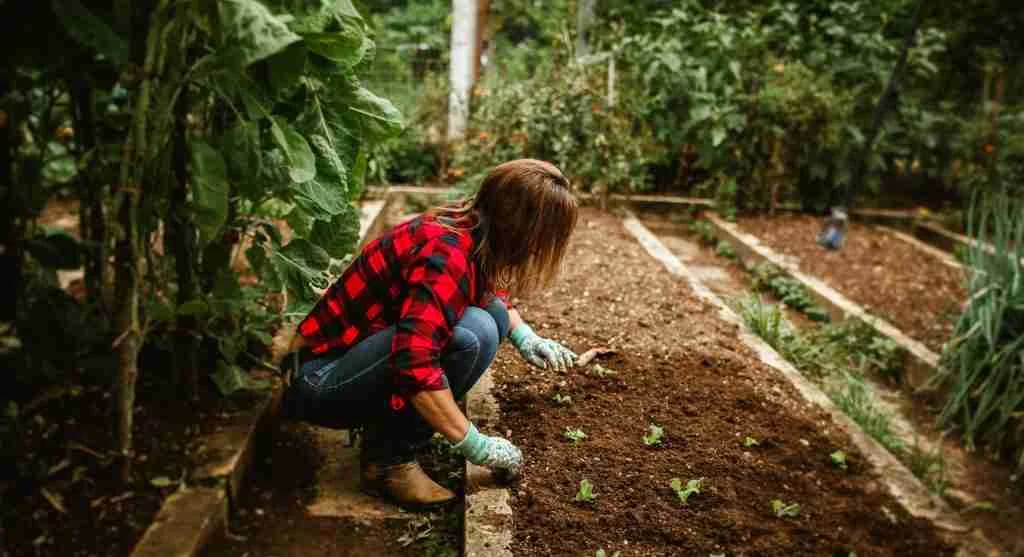
One of the strongest planting tips is preparing the full bed before any sowing begins. If one section is loose, another is clumpy, and another is dry or compacted, seeds may germinate at different speeds even if they are the same crop. A smoother, more balanced bed helps create more equal conditions from one end to the other.
Soil educators often recommend loosening the surface gently, removing large clumps, and mixing in compost where needed before marking rows. This creates a finer planting surface for seed contact and helps moisture move more evenly across the bed. It also makes row spacing easier to see and follow.
Warm soil planting usually works best when seeds are entering a bed that is already ready for them. Early preparation often solves problems before they appear.
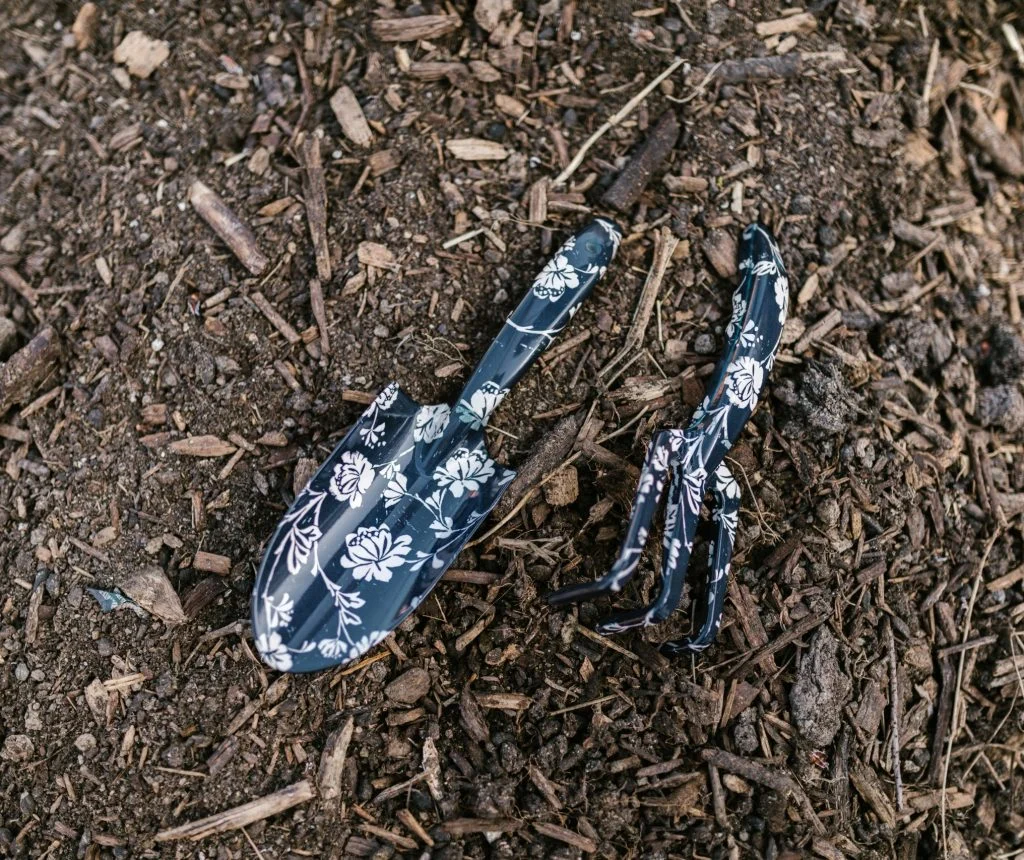
Credit: RDNE Stock project / Pexels
Use Clear Rows So Seeds Stay Easier to Manage
Another of the most useful planting tips is making clear, visible rows before planting. Seeds scattered without guidance often create crowding, confusion, and uneven use of space. Clear rows help gardeners keep spacing more consistent and make later thinning much easier.
Garden planners often suggest using a straight edge, stick, or line to mark rows in advance. This simple step improves the structure of the bed and makes it easier to tell where germination is happening well and where the row may need closer attention. It also helps during weeding because crop rows are easier to recognize early.
Direct sowing seeds becomes more effective when the planting pattern is easy to read from the very beginning. Better row structure often leads to steadier bed management later.
Keep Seed Depth Consistent Across the Whole Row
One of the most practical planting tips for even seed germination is keeping seed depth as consistent as possible. Seeds buried too deeply may rise slowly or fail, while seeds left too close to the surface may dry out quickly in warm conditions. Uneven depth is a common cause of uneven emergence.
Seed educators often explain that each crop has its own ideal planting depth, but consistency matters just as much as the depth itself. A row where seeds all face similar moisture and soil conditions usually emerges more uniformly than a row planted quickly without enough care. Even light coverage often works better than heavy pressure that packs the soil too tightly.
Warm soil planting gives seeds a stronger chance when the depth stays steady. Small differences in sowing often create large differences later in growth.
Water Newly Sown Beds Gently So Seeds Stay in Place
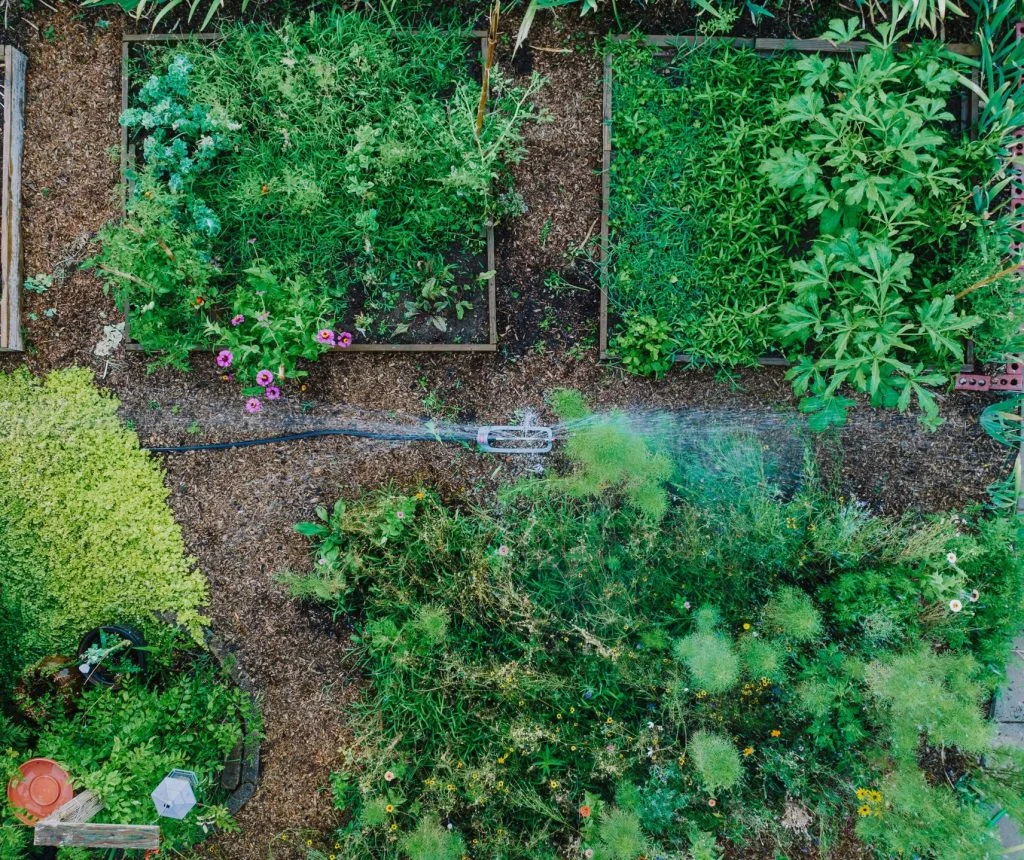
One of the smarter planting tips is using gentle watering right after direct sowing. Strong watering can wash small seeds out of place, create low spots, or uncover one section of the row while burying another more deeply. This often leads to patchy germination even when the sowing itself was done well.
Water educators often recommend a softer spray or fine watering pattern at this stage. The goal is to moisten the full seed zone without disturbing it. This becomes especially important in warm weather, when gardeners may feel tempted to water more heavily right away because the surface looks dry.
Even seed germination depends not only on where the seeds were placed, but on how well they stay there in the first days after sowing.
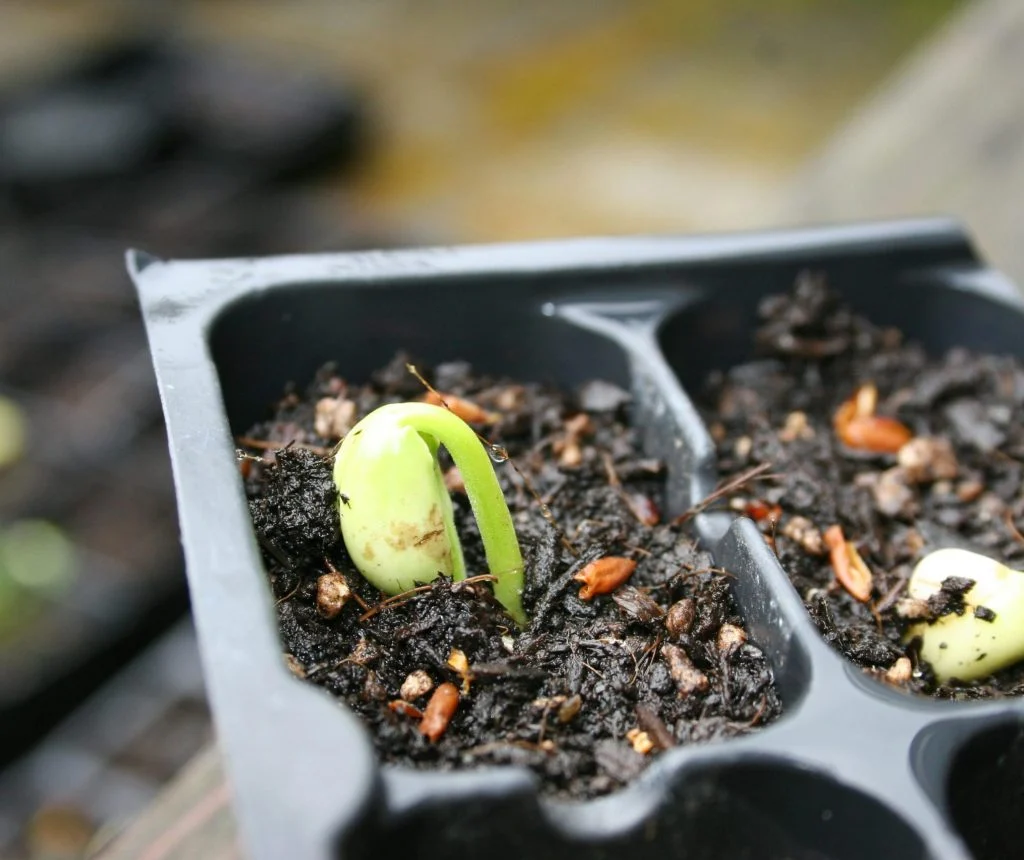
Credit: Dendron Chamberlain / Pexels
Watch the Surface Closely Until Germination Begins
One of the more overlooked planting tips is closely watching the bed surface in the first few days after sowing. Warm conditions may speed germination for some crops, but they can also dry the top layer quickly. If the upper seed zone dries out too often, emergence may become uneven or delayed.
Seed-starting specialists often explain that the first stage is about keeping the seed zone steadily moist, not soaked. A dry crust on the surface may slow emergence, while repeated heavy watering may shift seeds or create other problems. Better observation often supports better timing for light follow-up watering.
Warm soil planting usually requires a little more surface attention than cooler-season sowing. That early attention often protects the whole row.
Thin Seedlings Early So the Bed Fills In Better
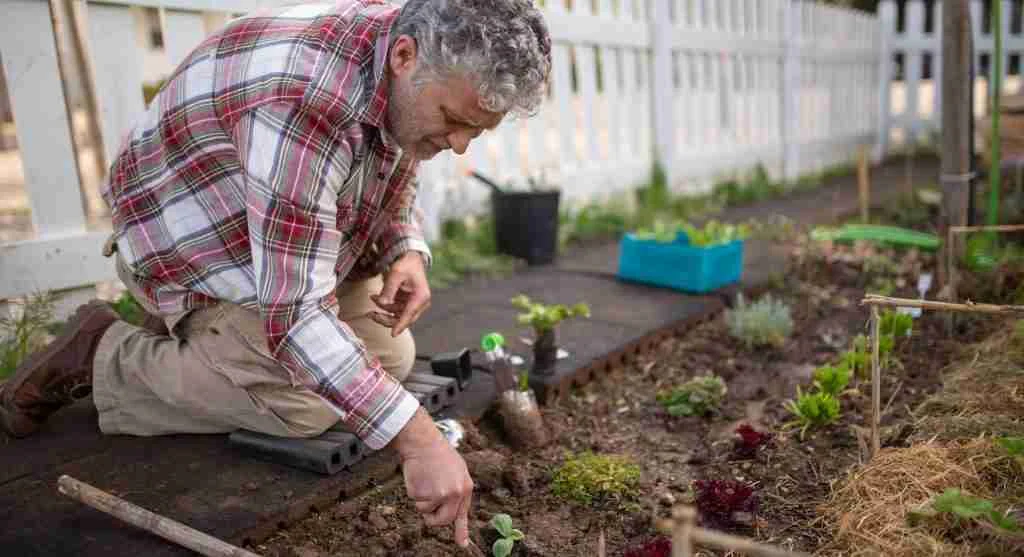
Even a well-sown row may emerge too thick in places. One of the strongest planting tips after germination is thinning seedlings before crowding starts to weaken them. Many gardeners hesitate because removing healthy seedlings feels wasteful, but overcrowding often creates weaker plants and less even bed development overall.
Plant educators often note that early thinning supports better airflow, stronger root space, and easier watering later in the season. The seedlings left behind often grow much better when they are not competing too hard with their closest neighbors. This creates a more balanced bed from row to row and from plant to plant.
Even seed germination is only part of a good start. Better early spacing helps that even start turn into stronger later growth.
Keep Notes on Which Warm-Weather Sowing Worked Best
One of the most useful planting tips for future success is keeping short notes on which rows germinated best and why. Some crops may respond better to one sowing depth, one watering pattern, or one part of the bed more than another. Without notes, those details are easy to forget by the next planting round.
Garden educators often suggest simple records such as crop type, date, weather, germination timing, and how even the row looked. These notes help gardeners improve direct sowing seeds over time and make future planting in warm soil more accurate. Small observations often become very helpful by the next cycle.
Backyard planting gets stronger when each sowing teaches the next one. Notes help turn one planting session into a better system instead of a one-time effort.
Frequently Asked Questions
Q: What are the best planting tips for warm soil seed starts?
A: Some of the best planting tips include preparing the full bed evenly, using clear rows, keeping seed depth consistent, watering gently, watching the surface closely, and thinning seedlings on time. These steps help seeds start more evenly in warm soil.
Q: Why does warm soil planting sometimes still lead to uneven germination?
A: Warm soil planting may still lead to uneven germination because the surface can dry quickly, seeds may be placed at different depths, or watering may shift the row. Warm weather helps only when the setup is steady as well.
Q: How can gardeners improve direct sowing seeds in backyard beds?
A: Gardeners can improve direct sowing seeds by preparing the soil fully, marking rows clearly, planting at even depth, watering carefully, and watching moisture near the surface until seedlings emerge.
Q: What helps even seed germination the most?
A: Even seed germination is usually helped most by a consistent planting depth, even bed preparation, steady surface moisture, and early thinning that reduces crowding once seedlings appear.
Key Takeaway
These planting tips show that warm-soil sowing works best when the whole bed is prepared carefully and seeds are given even starting conditions. Clear rows, steady depth, gentle watering, close surface checks, and early thinning all help direct sowing seeds lead to stronger and more even seed germination. Simple notes also improve the next planting round. For many gardeners, the best planting tips are the ones that help warm soil become an advantage instead of a source of patchy growth.