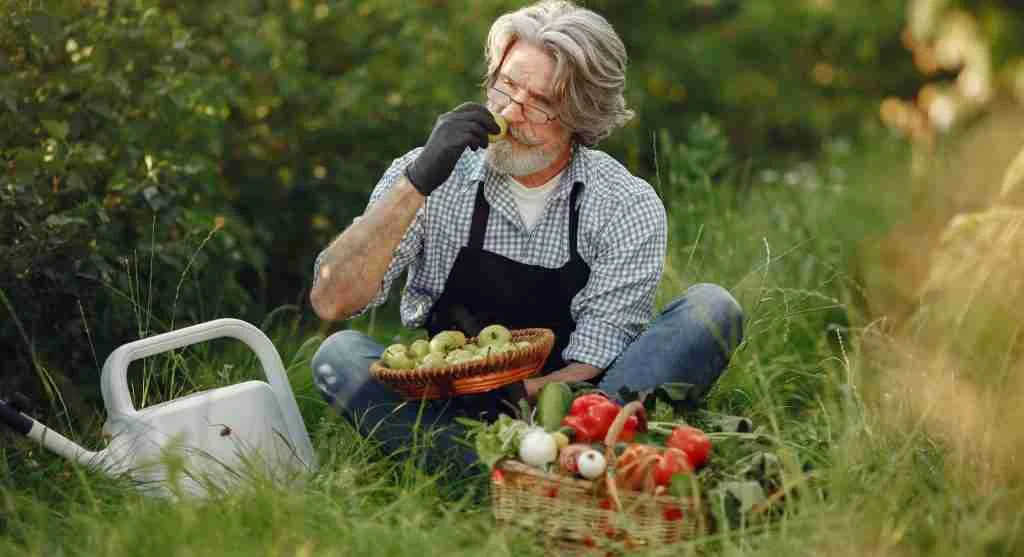
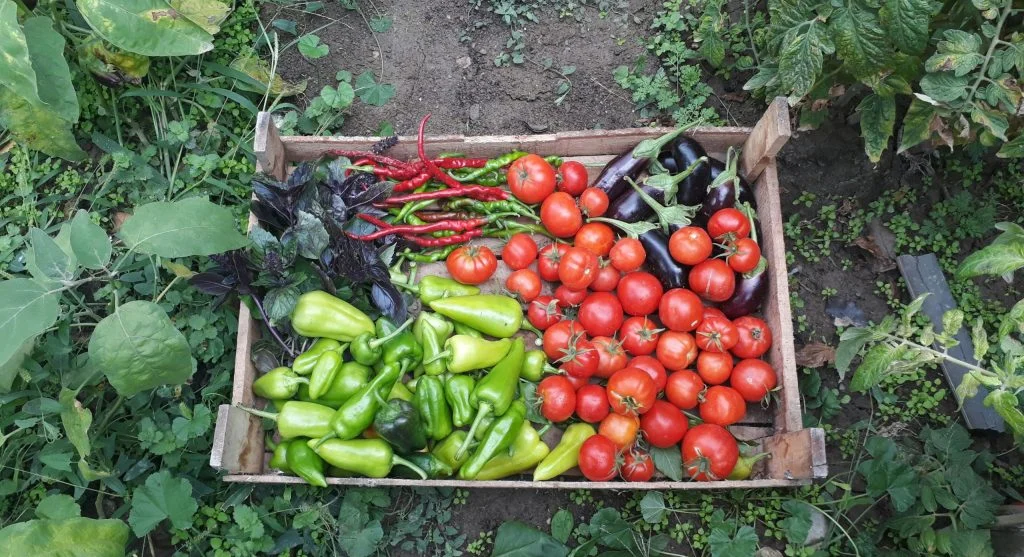

Useful harvest tips can help backyard crops stay in better condition after picking, especially during peak summer when produce comes in quickly and warm weather can affect quality fast. A good harvest does not end the moment a vegetable is removed from the plant. What happens in the next few minutes often determines whether that crop stays firm, clean, and easy to use or becomes soft, bruised, and harder to handle.
Harvest educators, produce handling specialists, and experienced home growers often point out that summer garden harvest success depends on good timing, proper sorting, shade, and gentle handling. These harvest tips are meant to help gardeners protect fresh picked vegetables, reduce waste, and make produce handling tips part of a smarter routine during the busiest part of the season.
Why Harvest Tips Matter So Much in Peak Summer
Summer produce can change quickly after harvest. Leafy greens may wilt, herbs can lose freshness, tomatoes can bruise, and cucumbers can heat up fast if they are left sitting in the sun. Even strong, healthy crops can lose some of their value if they are picked well but handled poorly afterward.
Researchers who study produce quality often explain that warm-weather harvests need quicker and gentler handling because heat speeds up moisture loss and softening. This is why harvest tips are so important during peak summer. Good handling helps protect the quality the garden has already produced.
Fresh picked vegetables usually stay more useful when the gardener thinks about what happens after harvest, not just the act of picking.
1. Pick in the Coolest Part of the Day When Possible
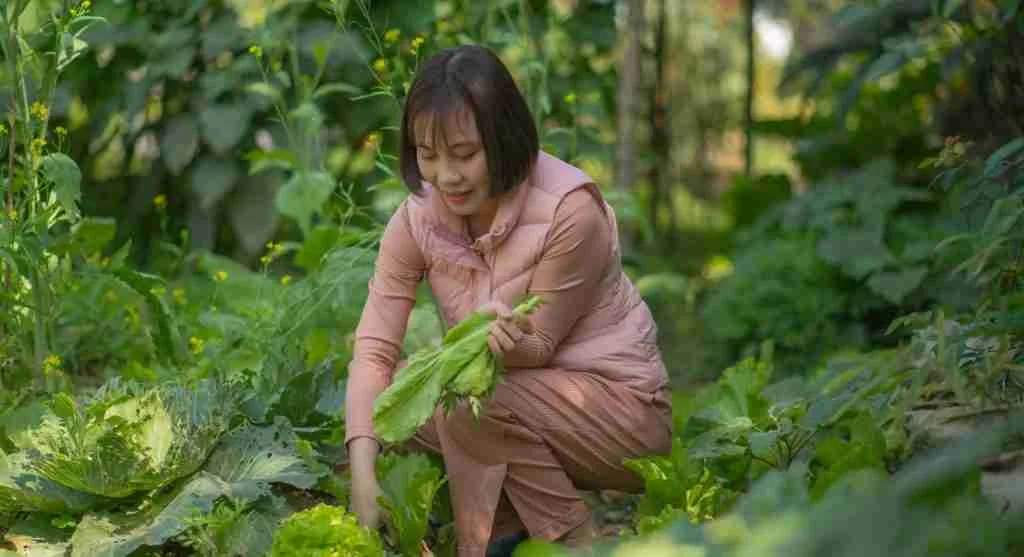
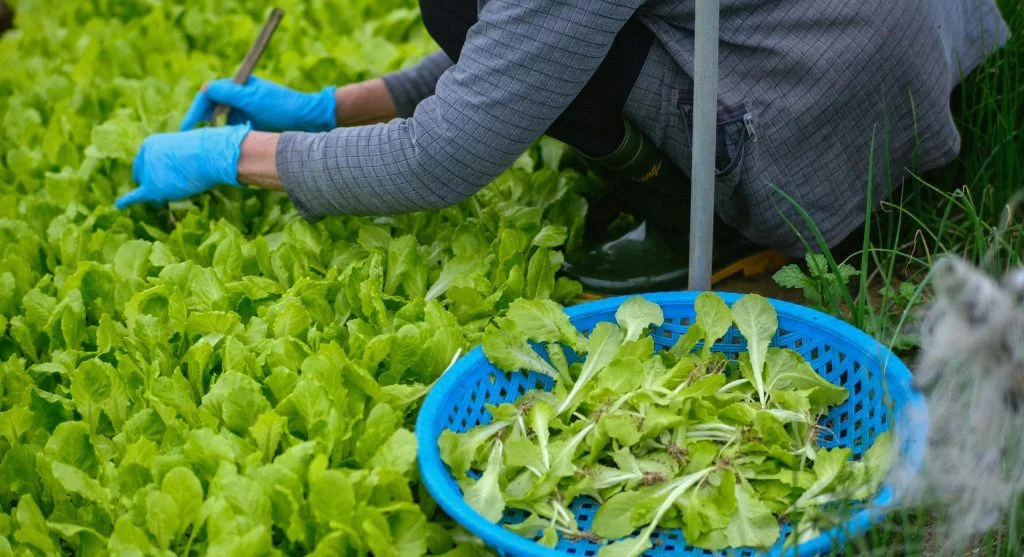
One of the most effective harvest tips is choosing a cooler time to pick. Morning is often the best option because vegetables and herbs usually have more moisture and firmness before the day becomes hot. This is especially helpful for beans, greens, herbs, cucumbers, peppers, and other tender crops.
Produce handling specialists often explain that crops picked in cooler air usually have a better start. They are less likely to wilt right away and are often easier to sort and carry. During busy harvest weeks, this simple timing choice can protect a surprising amount of quality.
Summer garden harvest often becomes easier when crops are gathered before the weather begins pulling freshness away.
Credit: Đan / Pexels
2. Use Clean Shallow Containers Instead of Deep Buckets
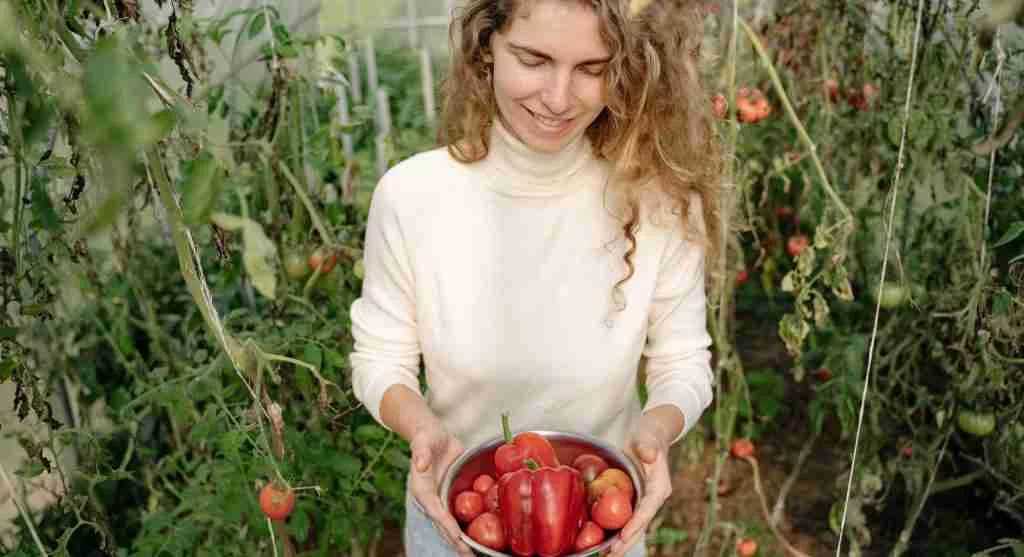
Another very practical harvest tip is choosing the right containers. Deep buckets may seem convenient, but they can cause produce to pile up too heavily and bruise under its own weight. Shallow baskets or trays usually protect summer crops much better.
Food handling experts often recommend clean, wide containers because they allow crops to sit in thinner layers and make sorting by type easier. This reduces pressure on softer vegetables and keeps the harvest in better shape while the gardener continues picking.
Fresh picked vegetables often stay more useful when the container protects them instead of causing damage before they even reach the house.
3. Separate Tender Produce From Heavier Crops Right Away
One of the smarter harvest tips is sorting crops during harvest instead of waiting until later. Herbs, greens, ripe tomatoes, and soft vegetables usually should not be placed with heavier produce such as squash, onions, potatoes, or firm root crops.
Harvest educators often explain that early separation protects tender crops and reduces confusion later in the kitchen. It also helps the gardener decide which crops need quick shade, which ones can be washed gently later, and which are sturdy enough to wait a little longer.
Produce handling tips often work best when they begin outside, not after everything has already been mixed together indoors.
4. Move Harvested Produce Into Shade Quickly
One of the most important harvest tips in summer is moving crops out of direct sunlight as soon as possible. Even a short time in the sun can soften herbs, wilt greens, and warm delicate vegetables faster than many gardeners expect. This is especially true on bright, windy days.
Harvest specialists often suggest using a shaded bench, porch, or covered work area as a temporary holding spot while the rest of the produce is being picked. This helps preserve freshness and keeps the first basket from losing quality while the gardener finishes the bed.
Summer garden harvest usually stays more useful when shade becomes part of the routine, not something added afterward.
5. Harvest Only What Can Be Handled Well That Day
One of the more overlooked harvest tips is matching the harvest size to what can realistically be handled that day. It may feel satisfying to pick everything that looks ready, but a very large harvest can become difficult to sort, wash, store, or use before quality starts to decline. In many cases, a careful moderate harvest is better than a rushed oversized one.
Garden educators often explain that quality usually holds better when the grower picks only what can be managed well. If needed, the rest can often be gathered in another round later. This helps reduce waste and protects the value of what has already been harvested.
Fresh picked vegetables stay more useful when the gardener works at a pace the routine can actually support.
Credit: Elizabeth Celestino / Pexels
6. Remove Obvious Damaged Parts Early
One of the best harvest tips is removing damaged leaves, split produce, or muddy outer material before it sits too long with better crops. Even a small amount of rough material in a basket can affect the rest by spreading dirt, moisture, or bruising.
Food quality educators often note that quick sorting saves work later and helps stronger produce stay cleaner. This step does not have to be slow or perfect. It only needs to remove anything that clearly will not help the rest of the basket stay in good condition.
Produce handling tips often work because gardeners make small early choices that protect the rest of the harvest.
7. Keep Quick-Use Crops Easy to Reach First
Some summer crops need to be used sooner than others. Herbs, tender greens, soft tomatoes, and delicate beans often need quicker attention than sturdier produce. One of the more practical harvest tips is placing quick-use crops where they can be unloaded and handled first once indoors.
Harvest educators often explain that produce loses value fastest when the most delicate crops get buried under heavier or slower-to-process harvests. A simple system that keeps tender crops first makes kitchen work easier and helps protect freshness without adding much extra effort.
Summer garden harvest stays more useful when the most delicate produce is treated as a priority instead of being hidden under the rest.
8. Keep Notes on Which Crops Lose Quality Fastest
One of the strongest harvest tips for long-term improvement is keeping notes on which crops soften, wilt, or bruise fastest after picking. Every garden and routine is a little different, and these notes often show where extra care matters most. Over time, they help the gardener handle each crop more wisely.
Garden educators often suggest writing simple notes about harvest time, weather, crop type, and how well the produce held up after picking. These observations do not need to be detailed to be useful. Even short records can greatly improve future harvest timing and handling.
Fresh picked vegetables usually stay more useful throughout the season when the gardener keeps learning which harvests need the most protection and the quickest follow-up.
Frequently Asked Questions
Q: What are the best harvest tips for peak summer picking?
A: Some of the best harvest tips include harvesting early, using clean shallow containers, sorting tender crops separately, moving produce into shade quickly, keeping harvest size manageable, and giving delicate crops faster attention after picking.
Q: Why do fresh picked vegetables lose quality faster in summer?
A: Fresh picked vegetables often lose quality faster in summer because heat speeds moisture loss, softening, and bruising. That is why timing, shade, and gentle handling matter more during hot weather.
Q: How do produce handling tips help reduce waste?
A: Produce handling tips help reduce waste by preventing bruising, separating damaged items early, protecting delicate crops from heat, and helping the gardener use or store produce before it declines in quality.
Q: Should all summer harvests be picked at once?
A: Not always. It is often better to pick only what can be handled, sorted, and stored well that day. A smaller careful harvest may protect quality better than one oversized rushed session.
Key Takeaway
These harvest tips show that summer crops usually stay fresher and more useful when gardeners protect quality immediately after picking. Harvesting early, using shallow containers, sorting carefully, providing quick shade, limiting basket weight, and handling delicate crops gently all help keep freshly picked vegetables in better condition.
Small observations and notes can also improve future harvesting routines. For many gardeners, the most effective harvest tips are the ones that protect the crop from the moment it leaves the plant.