
Useful pest control tips can help backyard gardens stay more manageable during the long middle stretch of summer, when thick growth, warm weather, and frequent harvesting create more chances for small problems to spread. At this point in the season, garden beds may look full and healthy from a distance, while early signs of trouble are already hiding under leaves, along stems, or around crowded areas. A few steady habits can help gardeners spot those signs sooner and keep the bed more balanced.
Plant health educators, crop specialists, and experienced home growers often explain that summer pest care works best when gardeners focus on observation, plant strength, and simple early action. Strong beds are usually easier to protect than stressed ones. These pest control tips focus on reducing summer garden pests, protecting backyard vegetables, and making early pest checks more useful during long, active weeks of growth.
Why Pest Control Tips Matter During Long Summer Growth
Summer changes the pace of the garden. Plants grow quickly, leaves begin to overlap, crops stay in the bed longer, and insects often have more time and better conditions to multiply. A bed that was simple to inspect in spring can become much denser by midsummer, which means early problems may stay hidden for longer.
Researchers who study crop health often note that warm, active beds usually need more frequent observation because plant stress and pest pressure often build at the same time. A crop dealing with heat or moisture stress may recover more slowly from feeding damage than a stronger crop. That is why pest control tips matter so much during long summer growth. The bed needs steady attention before trouble gets too far ahead.
To protect backyard vegetables well, gardeners often need a system that makes the bed easier to read, even when the season is at its fullest and busiest.
Check the Most Crowded Growth First
One of the strongest pest control tips is to start inspections where the bed is thickest. Dense leaves, shaded lower growth, and crowded stems often create the quiet spaces where pests begin to build up. If those areas are skipped because the top of the bed looks healthy, early damage may go unnoticed for too long.
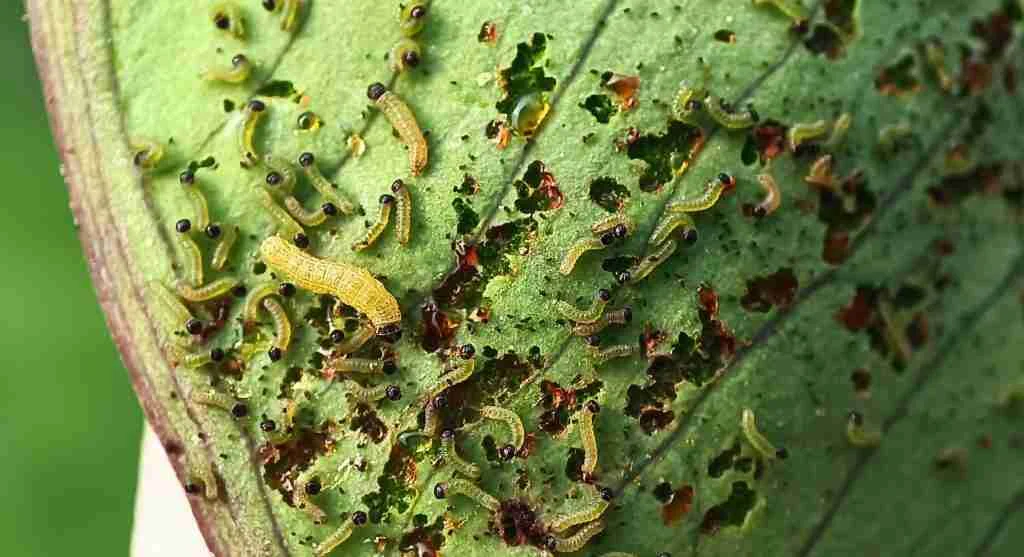
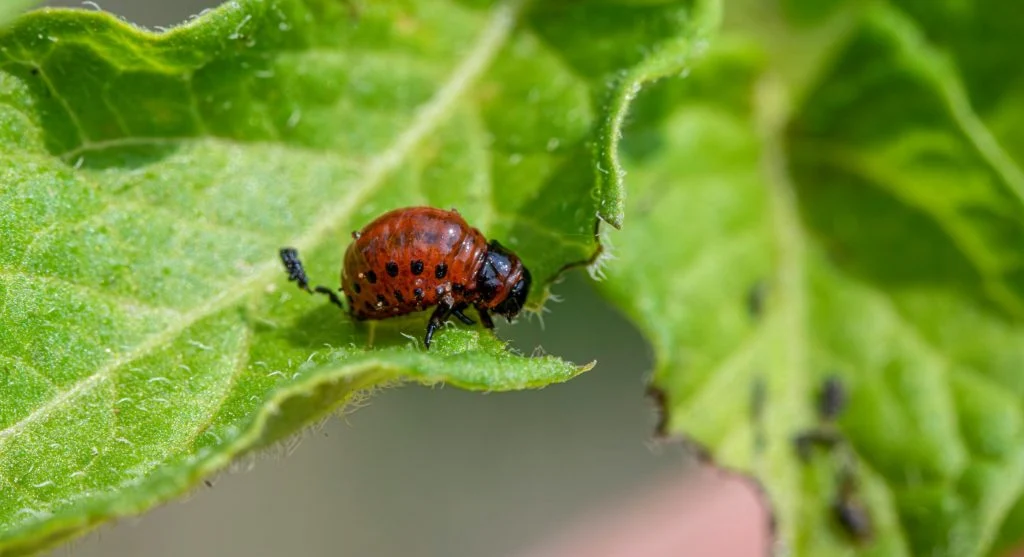
Garden educators often recommend lifting leaves and checking the most crowded spots before doing a quick scan of the whole bed. These areas may show chewing, sticky patches, pale spotting, eggs, or small insects before the rest of the crop gives a clearer warning. This is especially useful in beds full of leafy vegetables, beans, tomatoes, and cucumbers during active summer growth.
Summer garden pests often use crowding as cover. When inspections begin where the bed is hardest to read, the gardener usually gets better answers much sooner.
Credit: Erik Karits / Pexels
Watch for Small Changes in Leaf Texture and Color
Another one of the most useful pest control tips is looking beyond obvious holes or large chewing marks. Some pests leave smaller clues first, such as pale stippling, curled edges, slight yellowing, sticky residue, or a duller leaf surface. These changes often appear before the plant looks seriously damaged.
Plant health specialists often explain that shifts in texture and color may point to feeding activity, even when insects are not easy to see right away. A bed that is checked often becomes easier to understand because the gardener starts to recognize what looks normal and what has changed since the last visit. This makes early pest checks more reliable over time.
To protect backyard vegetables early, it helps to notice the quiet signs as well as the dramatic ones. Small differences are often where the first real warning begins.
Keep the Bed Open Enough for Air and Visibility
One of the more practical pest control tips is keeping the bed open enough for light and air to move through it. During long summer growth, plants may lean into each other, old leaves may gather near the base, and one overgrown area can make it hard to see what is happening underneath. That kind of crowding often makes pest checks less accurate.
Garden planners often suggest removing clearly spent lower growth, tying up plants that have spread too far, and keeping paths usable enough so each section can still be reached. This does not mean cutting back healthy growth heavily. It simply means keeping the bed workable so pest pressure does not stay hidden in the most crowded spaces.
Summer pest care becomes easier when the bed stays visible. Order often helps just as much as direct action.
Support Plant Health So Minor Feeding Causes Less Stress
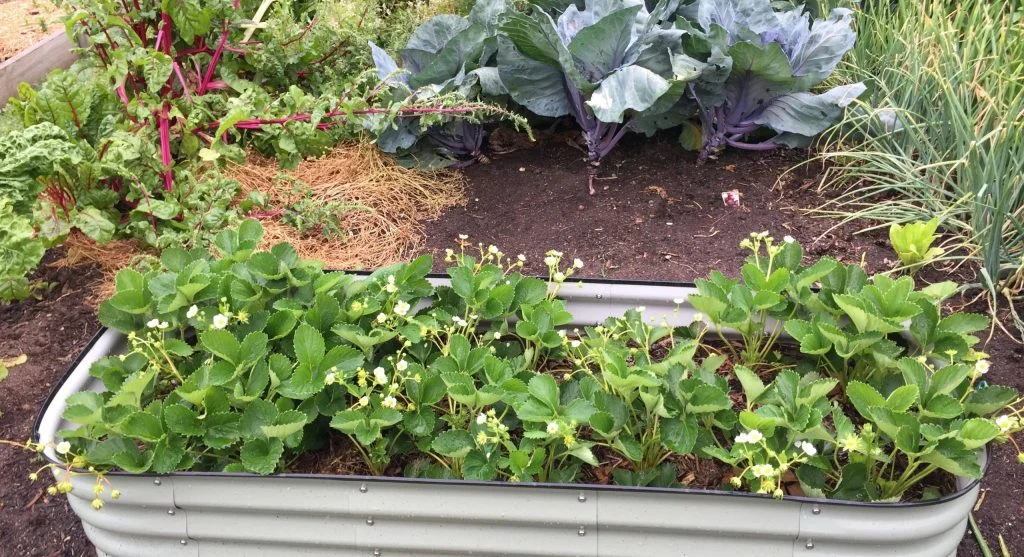
Some of the best pest control tips are really plant-care habits. A crop with steady moisture, mulch, workable soil, and enough space often handles light feeding better than a weak or stressed crop. This does not remove pests, but it can reduce how quickly a small problem turns into a larger setback.
Soil and crop educators often explain that healthy plants recover faster from minor damage and continue producing more steadily. When summer beds are already dealing with heat and harvest pressure, that resilience matters even more. Good watering, mulch, and balanced soil care often support pest management without being labeled as pest control at all.
To protect backyard vegetables over long growing weeks, gardeners usually need to support the whole plant system, not only respond to insects after the fact.
Credit: Erik Karits / Pexels
Use Harvest Time as Part of Pest Monitoring
One of the smartest pest control tips is using harvest time as a built-in inspection moment. During summer, many beds are picked often, which means the gardener is already touching stems, lifting leaves, and moving closely through the crop. That makes harvest one of the best times to notice damage before it spreads.
Harvest educators often explain that regular picking gives a closer view than simply walking past the bed. While gathering beans, herbs, peppers, cucumbers, or tomatoes, the gardener can also look for chewing, leaf curl, sticky patches, or other signs of stress. This saves time because one task supports another.
Early pest checks often become stronger when they are worked into jobs that already happen. Harvest is one of the easiest places to do that.
Start With Small Corrections Before Bigger Responses
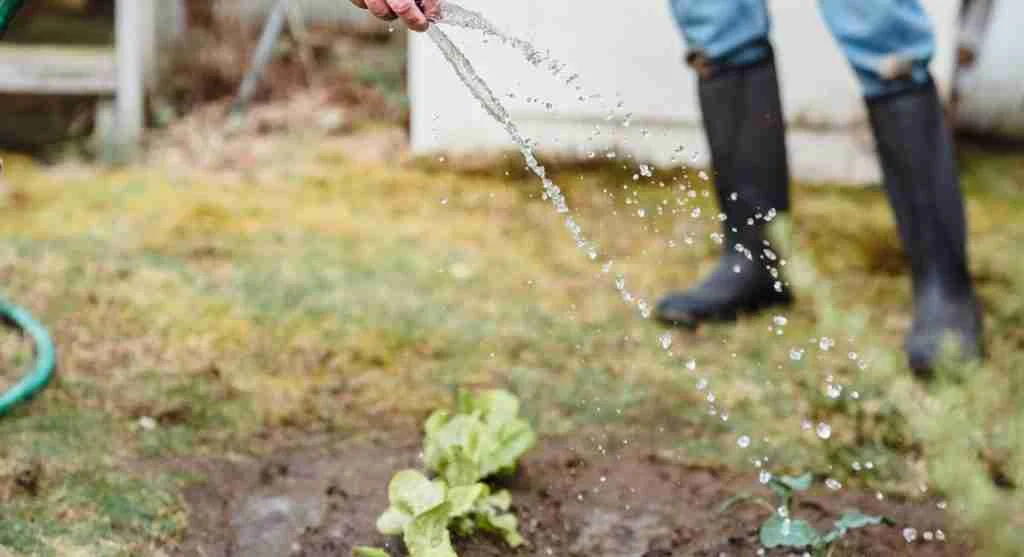
One of the strongest pest control tips for summer is to avoid overreacting at the first sign of trouble. If damage is still limited, small responses such as hand removal, taking off a badly affected leaf, or washing certain pests away with water may be enough to slow the problem while the bed is watched more closely.
Crop educators often recommend matching the response to the actual spread of the issue. One damaged plant in one corner does not need the same reaction as a fast-moving problem across several beds. Smaller steps often protect the rest of the garden from unnecessary disturbance while still giving the gardener useful control.
Summer pest care usually works best when the first response is calm, accurate, and easy to repeat if needed. Bigger action is not always better when the problem is still young.
Keep Notes on Which Beds Show Trouble First
Every garden has patterns. One bed may always show early chewing on beans, while another may attract more insects near dense herbs or lower tomato growth. One of the most practical pest control tips is writing those patterns down so future checks become more focused and more useful.
Garden educators often recommend simple notes about crop type, timing, kind of damage, and which response seemed to help. These notes do not need to be detailed. Even short records can make next week’s inspection faster and next season’s routine more accurate. That kind of memory can matter a lot during long summer growth, when beds change quickly.
To protect backyard vegetables better over time, gardeners often need to learn which parts of the space need earlier attention than others. Notes help that learning last.
Frequently Asked Questions
Q: What are the best pest control tips for long summer growth?
A: Some of the best pest control tips include checking the most crowded growth first, watching for small leaf changes, keeping the bed open enough to inspect, supporting plant health, using harvest as a monitoring tool, and starting with smaller corrections first.
Q: Why do summer garden pests become harder to spot later in the season?
A: Summer garden pests often become harder to spot later in the season because plants grow larger, leaves overlap, and dense growth creates hidden areas where damage can begin before it becomes easy to see from above.
Q: How can gardeners protect backyard vegetables without overreacting?
A: Gardeners can protect backyard vegetables by checking often, acting early on limited damage, keeping the bed easier to inspect, and supporting strong plant health so minor feeding causes less stress overall.
Q: What makes early pest checks more useful?
A: Early pest checks become more useful when they focus on hidden crowded areas, small changes in leaf condition, and repeated trouble spots in the same beds or crops. Notes and regular harvest checks also improve them.