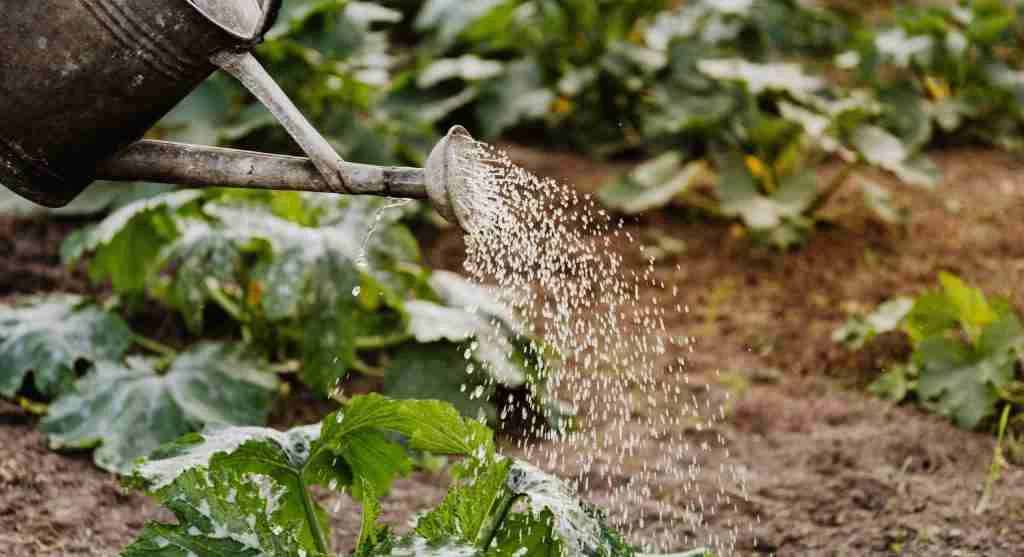
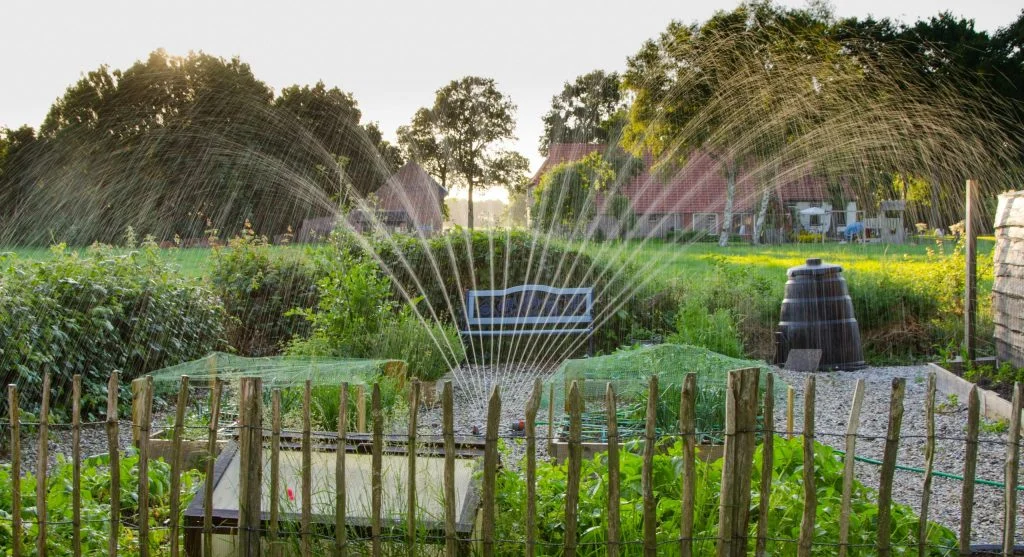

Useful water saving tips can help backyard garden beds stay more efficient during long summer heat, when soil dries out faster, crops need more moisture, and watering routines often become more demanding. Many gardeners respond by watering more often, but the best results usually come from helping the bed hold water better and making each watering session last longer. A few simple habits can reduce waste while still supporting healthy growth.
Water educators, soil specialists, and experienced home growers often explain that summer watering habits work best when they support the root zone instead of just cooling the surface. Efficient garden moisture usually comes from good timing, soil care, and bed protection rather than repeated rushed watering. These water saving tips focus on how to save water in garden beds while helping crops stay steadier through the hottest part of the season.
Why Water Saving Tips Matter During Long Hot Stretches
Short warm periods can often be managed with small routine changes, but long summer heat can change how the whole garden behaves. The soil surface may dry quickly, mulch may shift, and plants may start using water faster day after day. If the watering routine does not adjust with the season, crops may still look stressed even when the gardener is spending more time watering.
Researchers who study small-scale crop systems often note that roots perform best when moisture stays more balanced over time instead of shifting sharply between dry and soaked conditions. This is why water saving tips matter so much during longer hot stretches. Better moisture habits help the bed stay stable and help the gardener avoid extra effort that does not lead to better results.
To save water in garden spaces during intense summer use, it helps to think about how long moisture lasts, not just how often water is applied.
Water Early So Beds Begin the Day in Better Shape
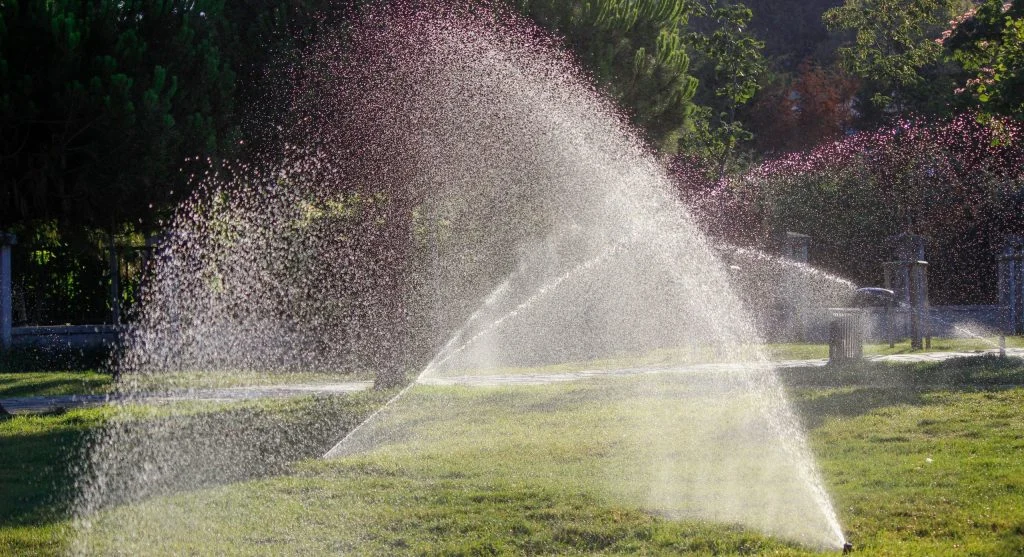
One of the strongest water saving tips is watering early in the morning before the strongest heat arrives. This helps more moisture move into the bed while the air is still cooler and before sun and wind increase evaporation. Crops often handle the day better when their root zone starts with a steadier supply.
Water educators often explain that morning watering also gives the gardener a clearer sense of what the bed needs. Leaves are easier to inspect, soil is easier to read, and the day’s moisture plan can be set before heat begins changing the surface too quickly. This often leads to better watering choices instead of reactive ones.
Summer watering habits usually become more efficient when the day starts with a calm, well-timed routine. Early watering often protects both the crop and the water supply at the same time.
Credit: Muhammed Zahid Bulut / Pexels
Keep the Soil Covered So Moisture Lasts Longer
Another one of the most practical water saving tips is protecting the soil surface with mulch. Bare soil loses water more quickly, especially after several hot days in a row. A mulch layer helps slow evaporation, protect the upper root zone, and keep the bed from drying out as quickly between waterings.
Soil specialists often recommend organic mulch such as straw, shredded leaves, or similar untreated material around vegetable crops. This layer can help reduce temperature swings at the soil surface and improve how long water stays useful after it is applied. It also helps reduce weeds, which lowers extra competition for moisture.
Efficient garden moisture usually starts with keeping water in the bed longer. Mulch is one of the most useful tools for that purpose during extended summer heat.
Check the Root Zone Instead of Trusting Surface Appearance
One of the smarter water saving tips is checking below the top layer before deciding the bed needs more water. In long hot weather, the surface often looks dry long before the root zone has fully lost its moisture. If watering decisions are based only on how the surface looks, the bed may be watered more often than necessary.
Water educators often suggest checking a few inches down with a finger or hand tool. If the deeper soil still feels cool and moist, the bed may be in better condition than it appears from above. If it is dry deeper down too, a slower root-zone watering is likely the better response.
To save water in garden beds, observation matters. During hot weather, the bed usually gives better answers below the surface than on top of it.
Use Slower Watering So More Moisture Sinks In
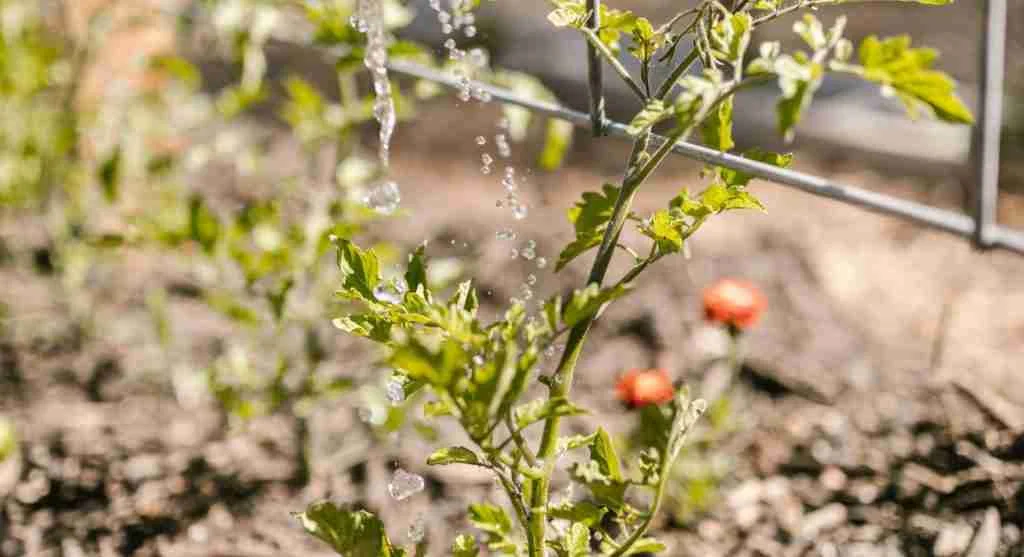
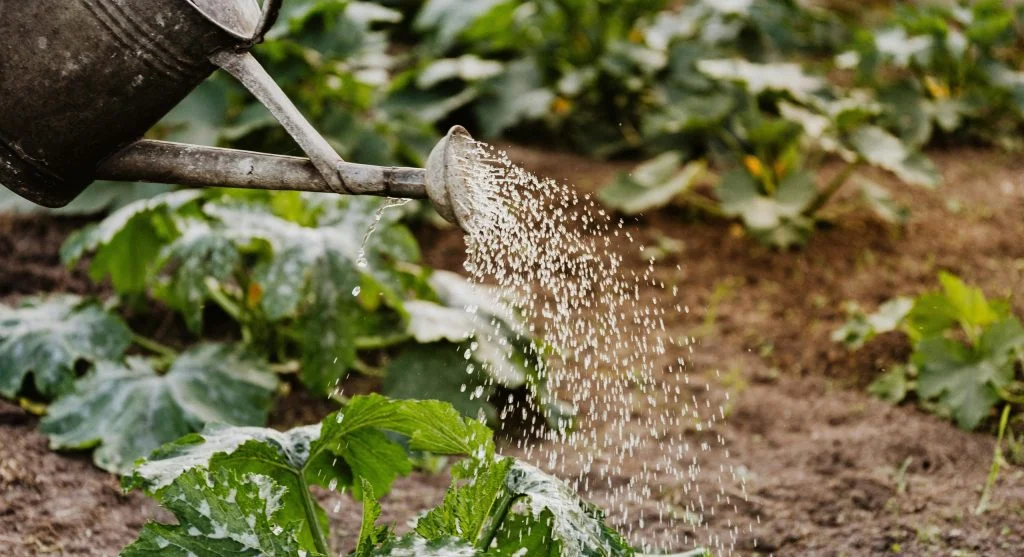
One of the most effective water saving tips is applying water slowly enough for the bed to absorb it. In hot conditions, gardeners sometimes water too quickly because the bed looks urgent. But quick heavy watering may run off, miss the deeper root zone, or leave only the top layer wet without supporting the lower soil as well as expected.
Water specialists often explain that slower watering supports deeper moisture movement and helps roots stay active lower in the bed. This often improves plant stability and makes the water last longer. It also reduces waste because more of the water reaches useful soil instead of disappearing from the surface.
Summer watering habits often become more successful when the pace slows down. Better absorption usually matters more than faster application.
Credit: www.kaboompics.com / Pexels
Group Thirstier Crops Together When Possible
One of the more useful water saving tips for active summer beds is grouping crops with similar water needs. If thirsty greens, herbs, and larger fruiting plants are scattered randomly, watering becomes less efficient because each section behaves differently. Better grouping helps the gardener respond to real needs instead of watering the whole bed the same way.
Garden planners often suggest placing moisture-sensitive crops together and separating tougher or lower-demand crops where possible. This makes the bed easier to read and often reduces wasted water because the gardener can focus support where it is needed most.
Efficient garden moisture often depends on layout as much as routine. A bed that is grouped thoughtfully is easier to water well during long hot weeks.
Reduce Extra Stress Around the Bed
One of the more overlooked water saving tips is limiting extra pressure on plants during sustained heat. Heavy pruning, repeated foot traffic near roots, and unnecessary disturbance may all make crops use more energy when they are already working hard to stay balanced. Water alone cannot fix stress that keeps being added in other ways.
Crop care specialists often explain that calmer beds often recover better between hot days. Protecting root zones, avoiding unnecessary digging, and keeping work gentle during intense weather may help plants use the available moisture more effectively.
To save water in garden spaces through long heat, it helps to support the whole growing system, not only the watering schedule. Lower stress often improves water use on its own.
Use Notes to Improve the Routine Through the Season
One of the strongest water saving tips for long-term improvement is keeping simple notes about how each bed responds during the hottest part of summer. Some areas may dry faster, some crops may need earlier attention, and some mulch zones may hold water better than others. These details are easy to forget unless they are written down.
Garden educators often recommend noting which beds dried first, which crops wilted fastest, and which watering times gave the best results. These records help future decisions become quicker and more accurate. Over time, the whole watering routine becomes more efficient because it is shaped by real patterns in the same yard.
Summer watering habits usually get stronger with experience. Notes help that experience stay useful instead of fading once the season changes.
Frequently Asked Questions
Q: What are the best water saving tips for long summer heat?
A: Some of the best water saving tips include watering early, keeping the soil mulched, checking the root zone before watering again, using slower watering, grouping crops by moisture need, and reducing extra stress on the bed. These steps help moisture last longer and reduce waste.
Q: How can gardeners save water in garden beds during extended hot weather?
A: Gardeners can save water in garden beds during extended hot weather by helping the soil hold moisture better, watering at more useful times, improving absorption, and focusing support on the crops and areas that need it most.
Q: Why are summer watering habits different from spring watering habits?
A: Summer watering habits are different because heat, longer dry periods, and faster plant growth change how quickly beds lose moisture. What worked in cooler weather may not stay effective once the season becomes more demanding.
Q: What does efficient garden moisture really mean?
A: Efficient garden moisture means water is reaching the root zone, staying useful for longer, and helping crops remain stable without unnecessary waste. It is about how well the bed uses water, not only how much water is added.