
Useful soil tips can help backyard beds stay more balanced during the long middle stretch of summer, when crops are growing hard, watering happens more often, and the soil has already carried weeks of active production. At this point, many beds begin to show quiet signs of stress. The surface may crust, one side may dry faster than the other, and roots may start working in soil that no longer feels as loose or steady as it did earlier in the season.
Soil educators, crop specialists, and experienced home growers often explain that summer soil care is not only about adding water. It is also about protecting structure, supporting root comfort, and keeping the bed from moving into extremes of dryness, compaction, or surface stress. These soil tips focus on how to improve garden soil during active summer growth and keep healthy garden beds working more steadily week after week.
Why Soil Tips Matter in the Middle of Summer
Early-season beds often start with good preparation, but long summer weeks slowly change the soil. Repeated watering, warm temperatures, active roots, harvest foot traffic, and exposed surfaces can all affect how the bed behaves. What felt soft and balanced in spring may begin to feel tighter, drier, or more uneven by midsummer.
Researchers who study soil systems often note that soil performance changes throughout the season because the bed is a living, active environment. Water movement, organic cover, root pressure, and weather exposure all shape how well roots continue to function. This is why soil tips matter so much during long summer growing periods. The bed usually needs support if it is expected to keep supporting strong crops.
Healthy garden beds are often built in spring, but they are protected in summer. That protection helps the season stay productive instead of slowly becoming harder to manage.
Keep the Soil Surface Covered So It Stays More Stable
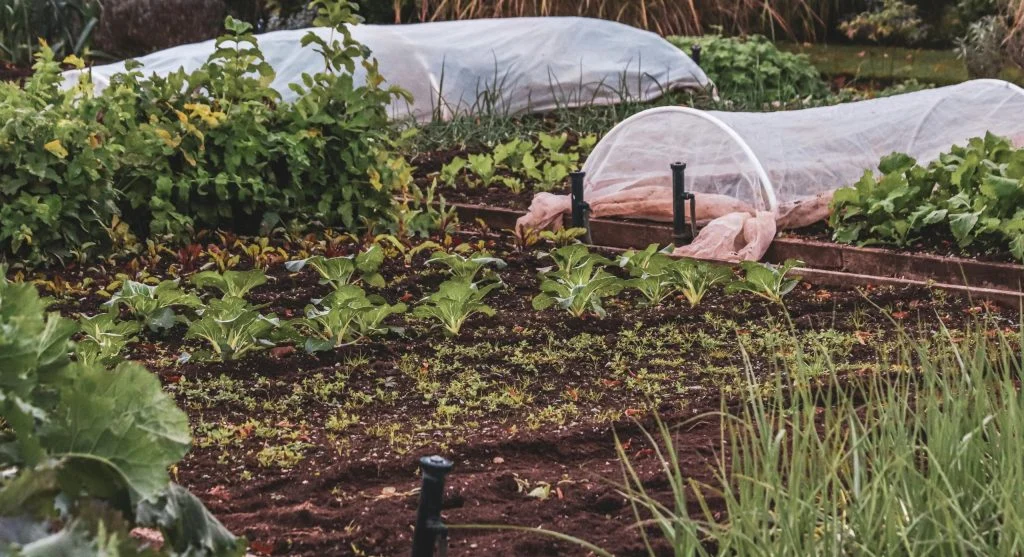
One of the strongest soil tips for summer is keeping the surface protected instead of leaving it bare. Exposed soil often becomes hotter, drier, and more likely to crust after repeated sun and watering cycles. Once the top layer starts to harden, water may move in less evenly, and the bed may become harder to keep balanced from one day to the next.
Soil care educators often recommend using organic mulch such as straw, shredded leaves, or similar untreated material to help protect the surface. This type of cover supports moisture balance, reduces heat pressure on the upper layer, and helps the bed stay more workable. It also lowers weed competition, which means fewer extra demands on the soil and root zone.
Summer soil care usually becomes easier when the upper layer is protected. Surface cover helps the rest of the bed stay calmer underneath, even when the weather remains demanding.
Credit: Boys in Bristol Photography / Pexels
Add Light Compost Support Instead of Waiting for the Bed to Decline
Another one of the most practical soil tips is giving the bed light support before it looks completely worn out. Gardeners sometimes wait until crops appear clearly weak before thinking about soil again, but midsummer often responds better to small, steady refreshes than to one late correction. A light compost layer can help restore balance without disturbing active roots too much.
Soil specialists often explain that compost supports both moisture holding and soil texture. It can help the bed stay more open in areas that are tightening and more stable in spots that dry too quickly. It also adds organic support that helps improve garden soil over time instead of asking the same bed to keep producing without renewal.
Healthy garden beds often stay productive because gardeners maintain them while they are still working, not only after they begin to struggle. Light summer support is often part of that success.
Avoid Working the Bed When It Is Too Wet or Too Tight
One of the more overlooked soil tips is knowing when to leave the bed alone. In summer, gardeners may feel the need to keep adjusting, digging, or fixing soil conditions after every watering or rain. But soil that is too wet or tightly settled can compact quickly if it is worked at the wrong time.
Garden educators often recommend checking the bed by hand before disturbing it. If the soil feels sticky, dense, or heavy, it may be better to wait. If it crumbles more easily and feels workable without smearing, then light maintenance is usually safer. This helps improve garden soil without damaging the structure already holding roots in place.
Summer soil care works best when timing supports the bed rather than adding more pressure. Not every moment is the right moment for hands or tools in the soil.
Water in Ways That Support Soil Balance, Not Just Plant Relief
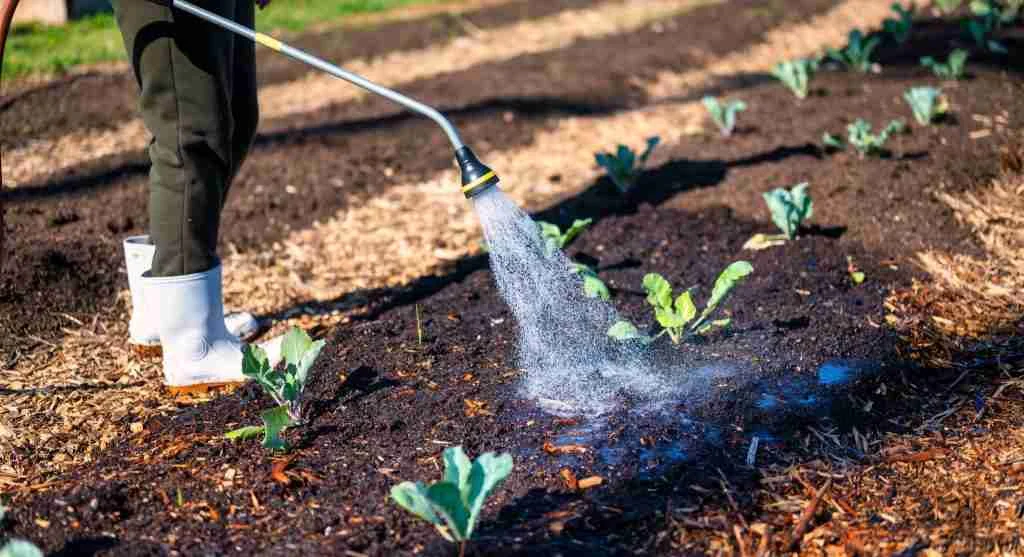
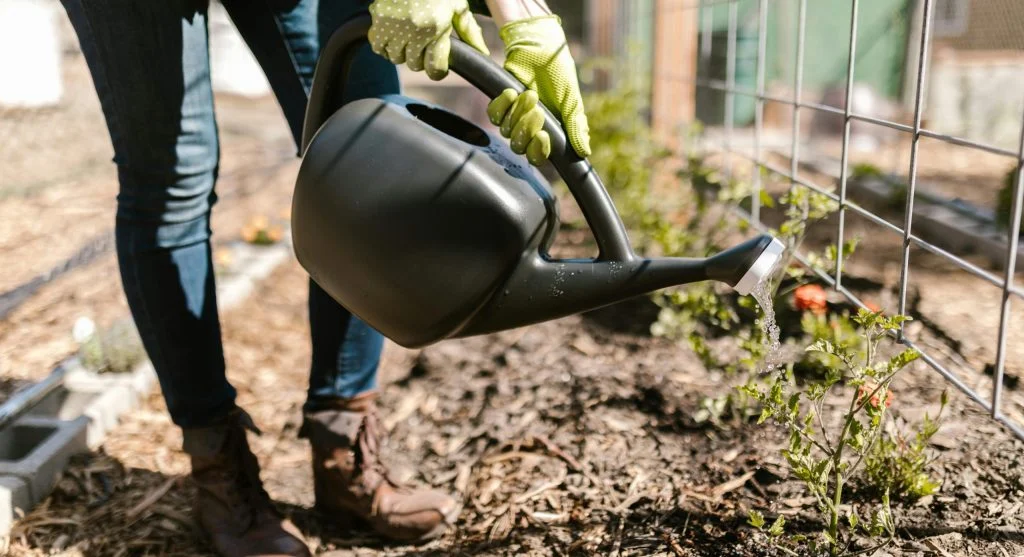
One of the smartest soil tips is paying attention to how watering changes the bed over time. Some gardeners focus only on how the plant looks after watering, but soil health also depends on what happens below the surface. Fast, shallow watering may briefly refresh leaves while causing the upper layer to dry and tighten again soon after.
Water educators often explain that slower watering near the root zone supports better moisture movement and helps the soil stay more evenly moist from the top layer down into deeper areas. This makes roots more comfortable and helps reduce sharp swings between dusty dryness and sudden saturation. Better watering often supports better soil behavior at the same time.
To improve garden soil during summer, it helps to treat watering as a soil-care practice, not only a plant-care task. The two usually work together.
Credit: RDNE Stock project / Pexels
Watch for Uneven Areas Before They Become Bigger Problems
Not every section of a bed handles summer in the same way. One edge may dry out first, one corner may stay compacted, and one row may look weaker even though the same crop is growing nearby. One of the best soil tips is noticing these patterns early instead of assuming the whole bed behaves like one even surface.
Soil specialists often suggest watching for differences in moisture, root resistance, leaf size, and how quickly the surface changes after watering. These signs may show where compost is needed most, where mulch is too thin, or where the bed may be getting more pressure from movement or heat. Small observations often lead to more accurate support.
Healthy garden beds usually improve faster when gardeners respond to specific weak areas instead of treating every part of the space exactly the same.
Protect the Bed From Unnecessary Foot Traffic
One of the simplest and strongest soil tips is keeping feet out of the growing area whenever possible. As summer gets busier, it becomes easier to step into the bed while harvesting or fixing supports, especially when the path is crowded. Over time, this repeated pressure can tighten the soil and reduce how well air and water move through it.
Garden planners often recommend beds narrow enough to reach from the side, along with clear paths that stay easy to use during busy weeks. This helps the grower finish daily tasks without standing where roots are trying to stay active. Protecting the bed from compaction is often easier than fixing compaction later.
To improve garden soil long term, it helps to protect the structure already built earlier in the season. Summer habits matter a great deal in that process.
Use Notes to Learn What Summer Does to Each Bed
One of the most practical soil tips is keeping short notes on how each bed changes through the season. Some beds may stay loose and balanced well into summer, while others may show crusting, fast drying, or weaker plant response much sooner. These patterns help gardeners decide where future soil support should begin earlier.
Garden educators often recommend simple records about watering response, mulch condition, compost timing, and which areas looked weakest under heat. These notes do not need to be detailed. Even a few lines can make next season’s soil care much more accurate and useful.
Summer soil care becomes smarter when each season teaches the next one. Notes help growers build that knowledge instead of starting fresh every year.
Frequently Asked Questions
Q: What are the best soil tips for long summer growing weeks?
A: Some of the best soil tips include keeping the surface covered with mulch, adding light compost support, avoiding work in overly wet beds, watering more thoughtfully, watching for uneven areas, and protecting the bed from foot traffic. These habits help keep summer soil more balanced.
Q: How can gardeners improve garden soil during the middle of summer?
A: Gardeners can improve garden soil during midsummer by supporting the surface, maintaining moisture balance, adding light compost, and avoiding compaction or unnecessary disturbance while crops are actively growing.
Q: Why do healthy garden beds sometimes become harder in summer?
A: Healthy garden beds may become harder in summer because of repeated sun, watering, exposed surface conditions, and foot traffic. Over time, these pressures can affect the upper layer and make the bed less balanced if it is not supported.
Q: Is summer soil care different from spring soil care?
A: Yes, summer soil care is often different because the bed is already active and supporting larger plants. The focus usually shifts from initial setup to protection, balance, and helping the soil continue performing well under ongoing pressure.