
Useful soil tips can help backyard beds handle heavy rain better without turning into soggy, compacted, hard-to-manage spaces. A strong rain can seem helpful at first, but too much water in a short time may leave soil tight, low in air, and difficult for roots to use well. Even healthy beds can struggle after storms if the soil surface seals up or water sits too long in the same places.
Soil educators, crop specialists, and experienced home growers often explain that rain management is really a soil-management issue. Beds that absorb and release water in a more balanced way usually recover faster and support better root health after wet weather. These soil tips focus on how to improve soil drainage naturally, prevent waterlogged beds, and keep heavy rain garden soil more stable through changing weather.
Why Soil Tips Matter After Heavy Rain
Rain affects more than moisture levels alone. It can press on the soil surface, collapse tiny air spaces, move mulch out of place, and leave one section of the bed far wetter than another. If the bed stays dense and saturated too long, roots may slow down even when the plants above still look mostly normal for a day or two.
Researchers who study soil systems often note that roots need both water and oxygen. When too much water fills the spaces where air usually moves, growth may pause and stress may begin below the surface long before leaves show a clear warning. This is why soil tips matter so much after storms. A bed that sheds excess water while keeping useful moisture often stays productive far longer.
Heavy rain garden soil usually performs best when it has structure that allows water to move through instead of collecting in one stressed layer. That kind of balance often comes from repeated care, not from one quick repair after the storm has already passed.
Protect the Surface With Mulch Before Rain Becomes a Problem
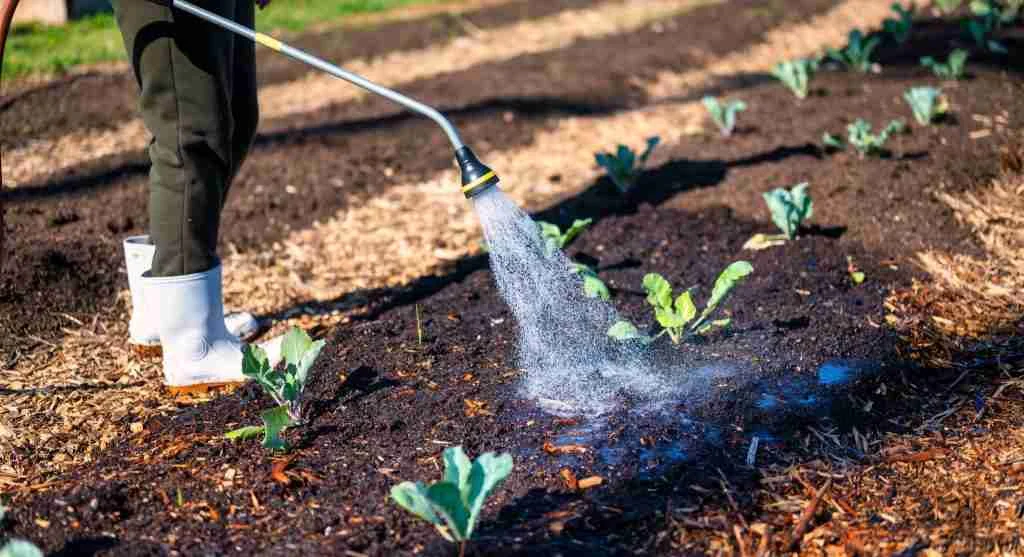
One of the strongest soil tips for rainy periods is keeping the soil surface protected with mulch. Bare soil often takes the full force of falling rain, which can break the surface apart and leave it more likely to crust or seal afterward. A mulch layer softens that impact and helps the bed stay more open.
Soil care educators often recommend organic mulch such as straw, shredded leaves, or similar untreated material because it helps reduce splash, slows runoff, and supports more even moisture movement. It can also reduce the muddy surface conditions that make later bed care harder. This simple layer often does a great deal of quiet work during bad weather.
To prevent waterlogged beds, gardeners often need to think ahead instead of responding only after puddles have formed. Surface protection is one of the easiest ways to support that effort.
Add Organic Matter So Water Can Move More Evenly
Another of the most useful soil tips is building beds with organic matter over time. Compost helps improve soil drainage naturally because it supports better structure instead of leaving the bed either too tight or too loose. This is especially helpful in soil that tends to hold water heavily after storms.
Soil specialists often explain that compost helps create a more workable balance in many kinds of backyard soil. In heavier ground, it may help open the structure so water moves more freely. In lighter soil, it may help hold useful moisture without making the bed collapse into extreme dryness right after rain passes. This kind of balance often supports stronger crops through both wet and dry periods.
To prevent waterlogged beds in the long run, it helps to keep building structure gradually. Beds usually handle storms better when they have been strengthened across the season, not only once trouble appears.
Avoid Stepping Into Wet Beds After Rain
One of the more overlooked soil tips is knowing when not to enter the bed. After heavy rain, the soil may look soft but still be extremely vulnerable to compaction. A few steps into the growing space at the wrong time can press the soil tighter and make drainage even worse the next time it rains.
Garden educators often recommend waiting until the bed feels more crumbly and less sticky before doing close work inside it. If the soil sticks heavily to shoes or tools, it usually needs more time. Paths should carry as much of the traffic as possible until the root zone has recovered from the storm.
Heavy rain garden soil often becomes harder to fix when gardeners rush back in too quickly. Patience after rain usually protects structure more than immediate cleanup does.
Notice Where Water Collects Every Time It Rains
One of the smartest soil tips is watching which parts of the bed hold water the longest. Not every section of a backyard garden behaves the same way. One corner may stay soggy, one edge may drain well, and another may receive runoff from a nearby path, fence, or roofline. These small patterns matter a great deal over time.
Soil and garden planners often suggest paying attention to where puddles form, where the soil stays dark longest, and where crops appear slower after wet weather. These observations help explain whether the issue is bed shape, organic matter, mulch coverage, foot traffic, or water movement from the surrounding space.
To improve soil drainage naturally, gardeners often need to understand how water moves through the whole area, not only what happens in the center of the bed. Good observation often leads to better soil decisions than quick guessing.
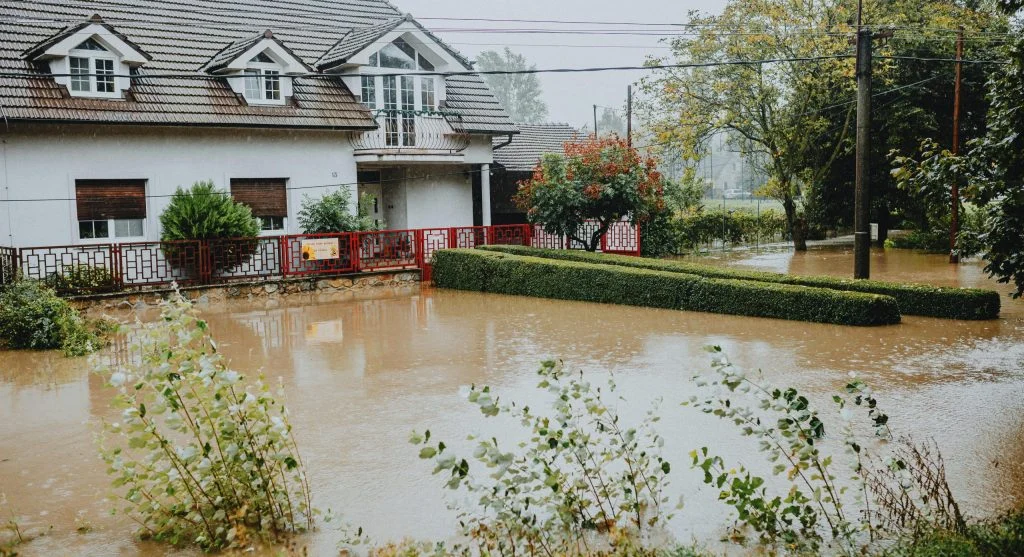
Keep Bed Edges and Paths Shaped So Water Moves Away Better
One of the more practical soil tips is paying attention to the shape of the bed and the nearby walking space. If a path slopes toward the growing area or if the bed edge traps water instead of guiding it away, the soil may stay wetter than it needs to. Small layout details often affect storm recovery more than gardeners expect.
Garden planners often explain that simple grading, cleaner edges, and well-maintained paths help direct excess rainwater more usefully. The goal is not to remove all water quickly, but to avoid the kind of trapped wetness that leaves roots struggling for too long. Even small improvements in flow can matter across repeated rainy weeks.
To prevent waterlogged beds, the growing area should work with the water instead of holding it in all the wrong places. A better edge or path often helps more than repeated emergency fixes.
Wait for the Right Moment Before Loosening or Reworking Soil
One of the best soil tips after heavy rain is not trying to fix the bed too soon. Wet soil may seem like it should be loosened right away, but turning it while it is still sticky often damages structure instead of improving it. Smearing or clumping the soil can make later drainage worse.
Soil educators often recommend letting the bed settle until it becomes workable again. If it breaks apart gently rather than pressing into dense wet lumps, then light correction is usually safer. At that point, a small compost addition or gentle top-layer refresh may help more effectively.
Improve soil drainage naturally by working with the bed at the right time. Correcting at the wrong time often creates a second problem while the first one is still healing.
Keep Notes on Which Beds Recover Fastest After Storms
One of the strongest soil tips for long-term improvement is recording which beds bounce back quickly after rain and which ones stay heavy for too long. Some spaces may recover in one day, while others still look stressed much later. These patterns are useful because they often point to deeper differences in soil care, layout, or structure.
Garden educators often recommend short notes on where water sat, how long the bed stayed wet, what mulch condition looked like, and which crops showed the most stress. These observations help improve future bed planning and make the next rainy period easier to handle.
Backyard soil care often gets stronger when gardeners learn from real weather instead of treating every storm like a separate surprise. Notes turn each wet week into better preparation for the next one.
Frequently Asked Questions
Q: What are the best soil tips for heavy rain in the garden?
A: Some of the best soil tips include protecting the surface with mulch, building organic matter with compost, avoiding foot traffic on wet beds, watching where water collects, improving bed edges and paths, and waiting until the soil is workable before reworking it.
Q: How can gardeners prevent waterlogged beds naturally?
A: Gardeners can prevent waterlogged beds naturally by improving soil structure over time with compost, using mulch, protecting beds from compaction, and noticing where runoff or low spots cause repeated wetness.
Q: Why does heavy rain garden soil sometimes stay soggy so long?
A: Heavy rain garden soil may stay soggy because of compaction, low organic matter, poor surface protection, runoff from nearby areas, or low spots that hold water longer than the rest of the bed.
Q: What is the safest way to improve soil drainage naturally after a storm?
A: The safest way is usually to wait until the soil becomes workable again, then add light organic support such as compost and protect the surface. Working the soil while it is too wet often causes more damage.
Key Takeaway
These soil tips show that backyard beds usually handle heavy rain better when the surface is protected, the structure is built with organic matter, and wet soil is not rushed back into use too soon. Mulch, compost, careful observation, better bed shape, and patience after storms all help improve soil drainage naturally and prevent waterlogged beds from slowing the whole garden. Simple notes make future rain management even better. For many gardeners, the best soil tips are the ones that help the bed recover from too much water without losing its balance.