
Useful pest control tips can help backyard gardeners catch night feeding before morning damage spreads across a whole bed. Some pest problems seem confusing because the plants look fine in the evening, then show fresh holes, ragged edges, or missing seedlings the next morning. In many cases, the feeding happened overnight, when the garden was cooler, calmer, and harder to watch closely.
Plant health educators, crop specialists, and experienced home growers often explain that hidden night activity can cause trouble quickly if gardeners only check the bed in broad daylight after the signs have already multiplied. These pest control tips focus on how to notice night feeding in garden beds, understand fresh morning pest damage, and protect backyard crops before a small overnight problem becomes a larger daytime surprise.
Why Pest Control Tips Matter for Night Feeding
Not all garden pests are easy to find in full daylight. Some feed most actively in cooler darker hours, then hide low in the bed, under mulch, around the base of stems, or in shaded cracks by morning. That makes the damage easier to see than the cause. Gardeners may notice fresh chewing, cut stems, or missing leaf edges but still feel unsure what happened.
Researchers who study crop damage often note that feeding patterns matter as much as the amount of feeding itself. A pest that works overnight may create repeated damage before the grower ever sees it directly. This is why pest control tips about timing matter so much. The earlier the gardener connects fresh morning signs to overnight activity, the easier it becomes to respond with small and accurate steps.
To protect backyard crops well, gardeners often need to understand not only what was damaged, but also when that damage most likely happened. Night feeding often changes the whole way a bed should be checked.
Check the Garden Early While the Clues Are Still Fresh
One of the strongest pest control tips is checking the bed early in the morning before heat, watering, or daily movement change the signs too much. Fresh overnight chewing is often easier to read at that time. Leaf edges may still look sharply damaged, small droppings may still be visible, and soft seedlings or stems may still show exactly where the problem began.
Garden educators often recommend using early morning as a detective stage, not only a work stage. Before harvesting, watering, or trimming, the grower can take a close look at what changed since the evening before. This often reveals whether the damage is fresh, whether it is growing, and which part of the bed was affected first.
Morning pest damage often tells the clearest story before the garden routine starts covering the evidence. A short quiet check can be more useful than a rushed reaction later in the day.
Look Low in the Bed, Not Only Across the Top
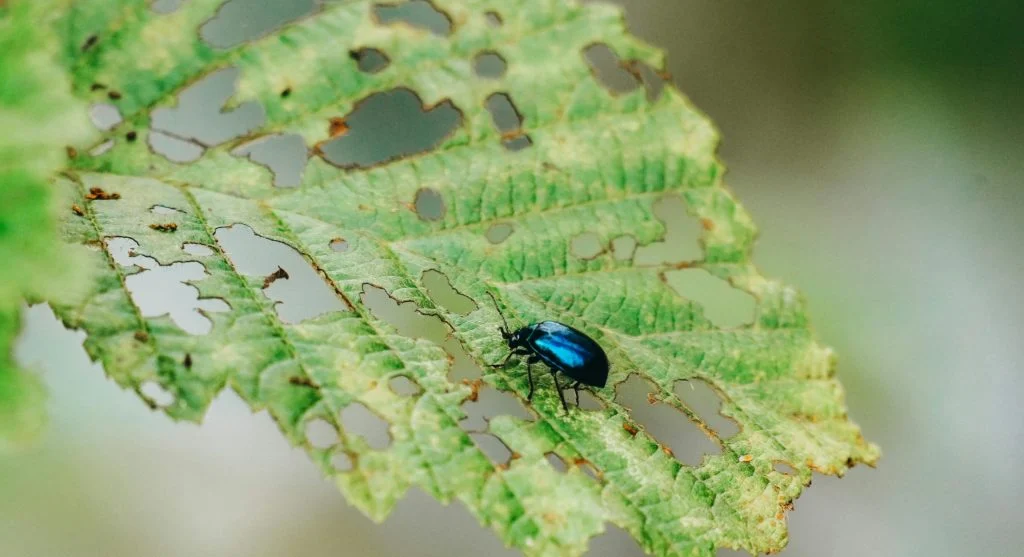
Another of the most useful pest control tips is checking below the first easy view. Night-feeding pests often leave clues near the base of the crop, under leaves, beneath mulch, or around the soil line. A quick look across the top of the plants may miss where the real activity is happening.
Plant health specialists often explain that fresh chewing near lower leaves, cut stems on seedlings, and damage close to the soil surface often point to a different kind of problem than damage high on the plant. This is why growers should inspect the lower canopy, the stem base, and the immediate soil surface before assuming the issue began higher up.
Night feeding in garden beds often stays hidden because the gardener checks where the leaves are easiest to see, not where the damage may have started. Lower and closer is usually better in the morning.
Notice the Type of Overnight Damage, Not Only the Amount
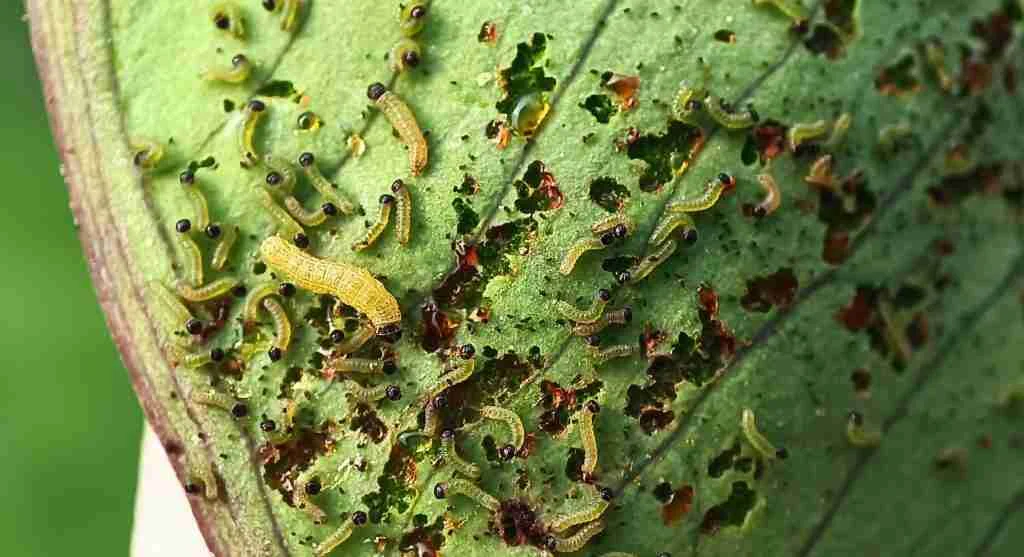
One of the smarter pest control tips is paying attention to the shape and style of fresh damage. Ragged chewing, neat holes, cut-off seedlings, skeletonized leaf areas, and half-eaten edges do not all suggest the same kind of feeding. The damage pattern often offers the first clue about whether the pest is climbing, crawling low, or working from hidden shelter nearby.
Garden educators often explain that some pests remove soft leaf edges first, some leave irregular tears, and others target very young growth or seedlings. Even when the exact pest is not identified immediately, the feeding style can help the gardener narrow the search and avoid reacting blindly. This usually leads to calmer and more accurate control decisions.
Morning pest damage becomes much more useful when it is read like a pattern instead of seen only as general destruction. The shape often matters as much as the size.
Check Mulch, Boards, Pots, and Edges Where Pests Hide After Feeding
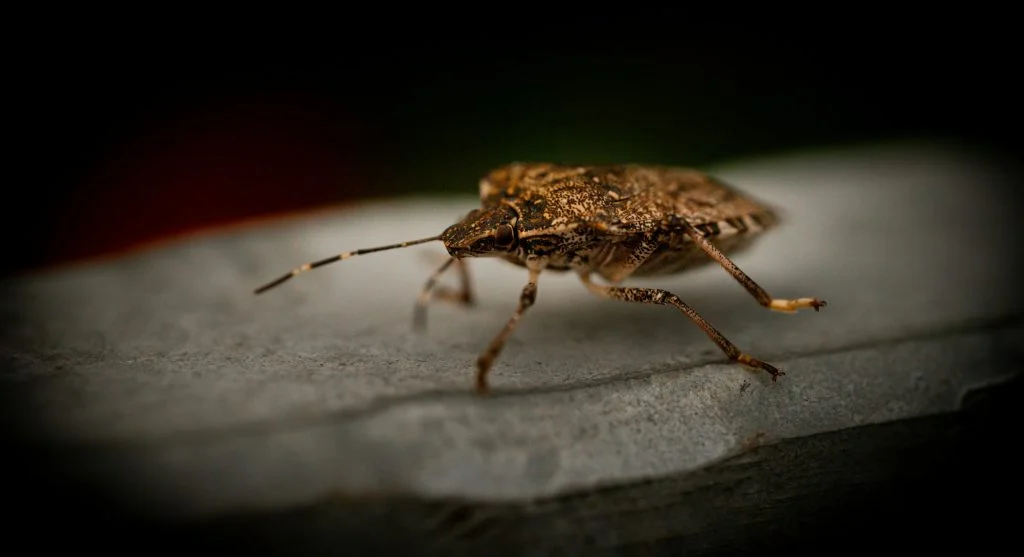
One of the most practical pest control tips for night problems is checking the nearby hiding places once daylight returns. After feeding, many pests do not stay exposed on the plant. They may move under mulch, around bed edges, beneath boards, near pot rims, or into cool shaded creases where they remain hidden until evening comes again.
Outdoor crop educators often recommend inspecting anything in or around the bed that creates a protected damp or shaded space. This does not mean tearing the garden apart. It means checking the most likely rest areas after fresh overnight signs appear. Hidden shelter often explains why the same damage returns again and again even when the plant itself looks empty by morning.
To protect backyard crops from repeat damage, it helps to look where the pest may have gone, not only where it was feeding hours earlier. The hiding place is often part of the problem.
Protect Seedlings and Tender Crops First
One of the strongest pest control tips is focusing first on the crops that have the least ability to recover. Tender seedlings, small transplants, new lettuce, herbs, and other soft young plants often suffer more from one night of feeding than an older stronger crop would. If the same bed contains both young and mature plants, the youngest ones usually deserve earlier protection.
Crop specialists often explain that older plants may recover from moderate overnight chewing, while a seedling or fresh transplant may be cut down or slowed badly. This is why the most vulnerable plants should be checked first and supported first if night activity is suspected. A small action taken early may save the whole row.
To reduce morning pest damage effectively, gardeners usually need to think about plant stage as much as plant type. The youngest crops often have the most to lose overnight.
Use Small Early Responses Before the Pattern Grows
One of the more useful pest control tips is acting while the damage still belongs to one section of one bed. Hand removal when possible, checking and clearing obvious hiding spots, using simple barriers around tender crops, and removing the most damaged leaves may be enough when the issue is still fresh and local. Waiting several more nights often makes the bed much harder to manage.
Garden educators often recommend matching the response to what is actually visible. A few freshly damaged seedlings need a different level of action than repeated chewing across several beds. Smaller responses often work best early because they are easier to repeat, less disruptive, and more likely to stay focused on the real area of trouble.
Night feeding in garden beds is often easiest to control when the first response happens after the first clear pattern, not after a full week of guessing. Early calm action often protects the crop better than a delayed larger response.
Keep Notes on Which Beds Show Morning Damage First
One of the smartest pest control tips for long-term improvement is recording where overnight damage appears first and under what conditions it shows up most often. One bed may be more vulnerable near a fence line, another may collect more activity near mulch, and one crop may repeatedly show fresh chewing after humid evenings or after rain. These patterns are easy to miss without notes.
Garden educators often suggest writing down crop type, weather, type of damage, and where in the bed it appeared. Even a few short records can reveal patterns that help the next morning check happen much faster and more accurately. Over time, this turns one strange overnight problem into a more predictable garden pattern.
To protect backyard crops better through the season, growers often need memory they can trust. Notes help turn each morning surprise into a smarter next check.
Frequently Asked Questions
Q: What are the best pest control tips for catching night feeding early?
A: Some of the best pest control tips include checking the garden early in the morning, looking low in the bed, reading the pattern of fresh damage, inspecting mulch and nearby hiding spots, protecting tender seedlings first, and using small early responses before the damage spreads.
Q: Why does morning pest damage appear suddenly in the garden?
A: Morning pest damage may seem sudden because some pests feed mostly at night, then hide by daylight. The damage is easy to see in the morning even when the pest itself is no longer exposed on the plant.
Q: How can gardeners protect backyard crops from overnight feeding?
A: Gardeners can protect backyard crops by checking fresh morning damage early, focusing on vulnerable young plants, inspecting likely hiding places, and responding before the same pattern repeats for several nights in a row.
Q: What part of the bed should be checked first after overnight damage?
A: The lower canopy, stem base, mulch surface, bed edges, and nearby protected spots should usually be checked first because many night-feeding pests hide there once daylight returns.
Key Takeaway
These pest control tips show that night feeding is easiest to manage when gardeners read the clues early the next morning and look beyond the most obvious leaf damage. Lower-bed checks, damage patterns, mulch inspection, protection of tender seedlings, and small early responses all help reduce hidden pest pressure before it grows. Notes make future morning checks even more useful. For many gardeners, the best pest control tips are the ones that turn overnight damage into an early warning instead of a repeating surprise.