
Useful pest control tips can help backyard gardeners protect new flowers and early fruit before a small hidden problem quietly reduces the harvest that would have followed later. Many growers focus on leaves because leaf damage is easy to see, but some of the most important crop stages happen around blossoms, forming fruit, and tender new growth. If pest pressure reaches those areas early, the plant may still look green and healthy while future harvest potential is already being reduced.
Plant health educators, crop specialists, and experienced home growers often explain that flower and fruit stages deserve their own close checks. Once a crop begins blooming or setting fruit, even light damage in the wrong place may matter more than a few chewed leaves somewhere lower in the bed. These pest control tips focus on how to protect garden flowers, notice young fruit damage early, and respond to early crop pest signs before later harvests begin falling behind.
Why Pest Control Tips Matter Around Flowers and Early Fruit
Leaves help power the plant, but flowers and tiny developing fruit represent what the grower is often waiting for most. A plant can recover from some leaf loss and still produce well. Damage around blossoms, fruit stems, or tiny new fruit often affects what will actually be harvested weeks later. This is why these stages deserve closer attention than many gardeners first expect.
Researchers who study crop loss often note that early reproductive stages are sensitive because stress at this point may reduce fruit set, weaken developing produce, or interrupt the next phase of growth before it becomes visible from a distance. This is why pest control tips matter so much once flowering begins. Gardeners are no longer only protecting green growth. They are protecting future yield.
To reduce later harvest loss, it helps to look where the crop is beginning to form instead of only where the plant looks easiest to inspect. The most important clues may be smaller and more delicate than the rest of the plant.
Check Blossoms and Tiny Fruit During Regular Morning Walks
One of the strongest pest control tips is building flower and young-fruit checks into the normal morning garden walk. This is often when blossoms are easiest to see clearly and when fresh damage around tiny fruit, petals, or soft stems may still stand out before the heat and daily work begin changing how the plant looks.
Garden educators often recommend moving slowly enough to inspect the crop stage that is just beginning, not only the larger parts already well established. Blossoms that look torn, dropped, chewed, or oddly weak may deserve more attention. The same is true for tiny fruit that appears scarred, misshaped, or damaged near the stem. Morning checks often make these details easier to notice.
Early crop pest signs often hide in the newest most delicate parts of the plant. A short quiet check at the right time of day often reveals much more than a quick afternoon glance.
Look for Damage at the Stem, Not Only on the Fruit Surface
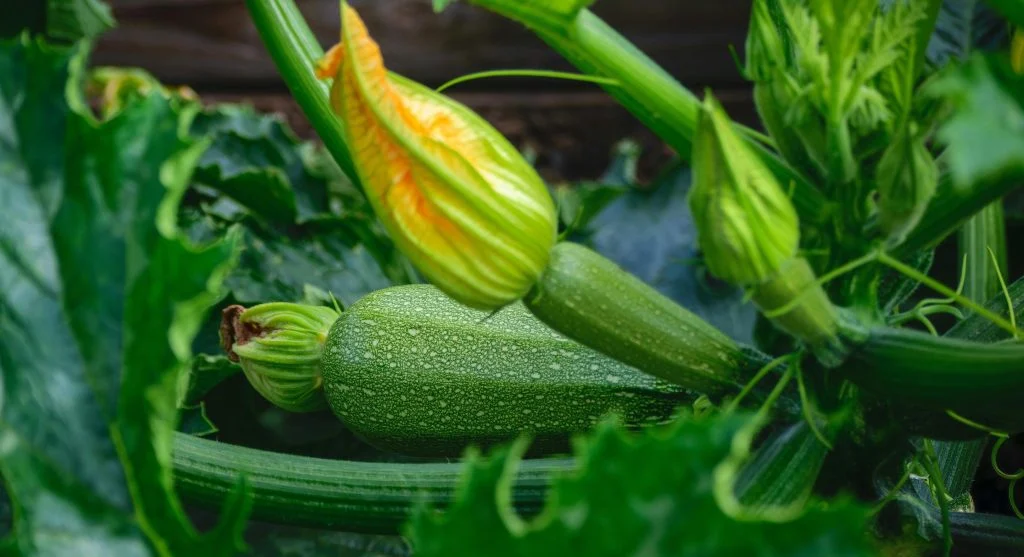
Another of the most useful pest control tips is checking the narrow areas that connect flowers and young fruit to the rest of the plant. Gardeners often notice the fruit itself first, but the tiny stem and surrounding attachment point may show trouble sooner. Weakening there may affect the crop even before the fruit surface shows obvious marks.
Plant health specialists often explain that a young fruit can appear mostly fine while still being under stress if the supporting tissue around it has been damaged. A flower may also look slightly off without the problem being obvious until it drops early. This is why careful checking of the small connecting areas matters as much as checking the larger visible fruit body.
Young fruit damage often begins in subtle places. The point where growth is held and fed is often one of those places, which makes close inspection there especially valuable.
Notice When Flowers or Tiny Fruit Are Dropping More Than Expected
One of the smarter pest control tips is paying attention to how much new flower or fruit drop is happening and whether it looks consistent with the crop’s normal stage. Some drop is natural in many plants, but unusual loss in one section of the bed or repeated loss from the youngest growth may suggest that something more is happening than normal plant adjustment.
Garden educators often suggest comparing several plants of the same crop. If one section is holding flowers and young fruit much better than another, the weaker section may deserve closer checking. This is especially useful when the plant still looks healthy from a distance but the next stage of crop development keeps failing quietly.
To protect garden flowers well, growers often need to notice what is disappearing as much as what is still present. Repeated early drop may be one of the first useful warning signs.
Check New Growth Near Flowers for the First Pressure Signs
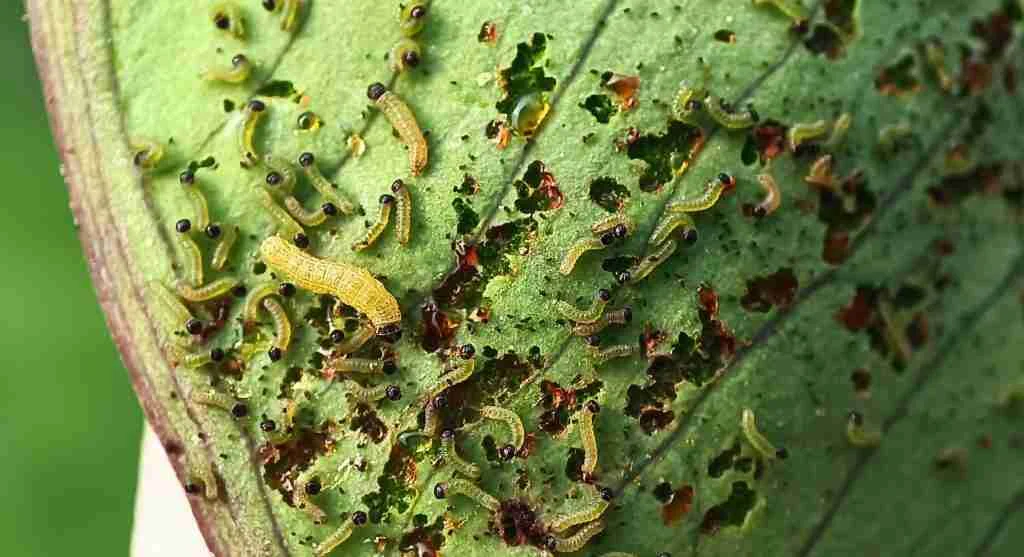
One of the more practical pest control tips is inspecting the tender new growth nearest the flowering points. Pests often begin on the softest youngest tissue because it is easier to feed on and often sits near the same areas where blossoms and early fruit are forming. If the new growth there becomes distorted or stressed, the rest of that fruiting zone may also be affected.
Crop specialists often explain that new tips, soft side shoots, and fresh clusters should be watched closely once flowering starts. Curling, roughness, stickiness, uneven surface texture, or weakened fresh growth near blossoms may all signal trouble before the fruit itself clearly shows it. These small signs are often easier to respond to than later full fruit damage.
Early crop pest signs often appear just beside the place where the next harvest begins. The new growth near blossoms often deserves more attention than gardeners first assume.
Keep Flowering Areas Easy to See and Reach
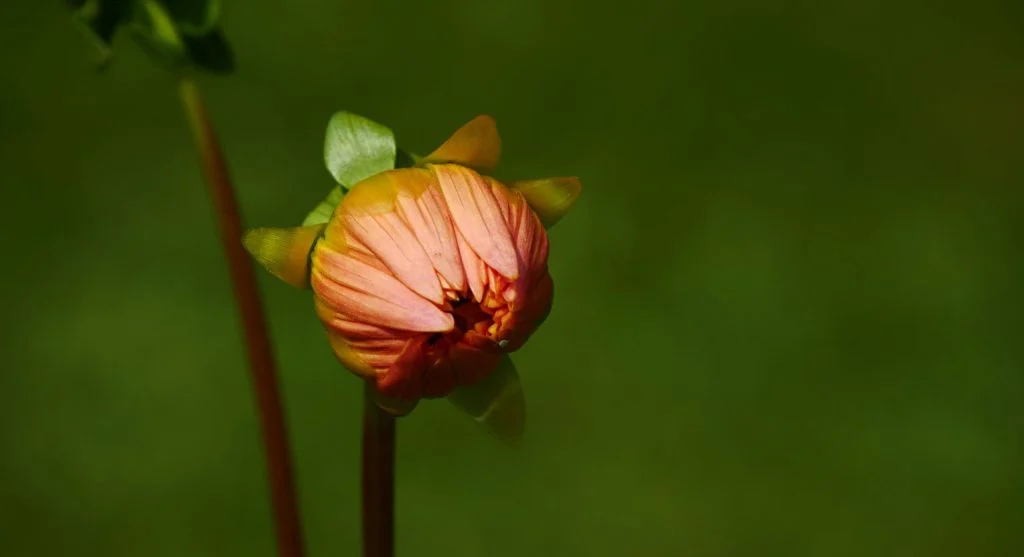
One of the best pest control tips is making sure dense growth does not completely hide the parts of the plant that are flowering or setting fruit. If blossoms and tiny fruit are buried in tangled leaves, gardeners may miss the early signs that matter most. Better visibility often leads to earlier and calmer action.
Garden planners often recommend small steps that improve access without overcutting healthy growth. This may mean guiding stems more neatly, removing clearly spent lower material, or keeping the plant from collapsing into a crowded mass. The goal is not heavy pruning. It is keeping the most important crop stage visible enough to inspect well.
To protect garden flowers and forming fruit, the grower often needs to see them clearly in the first place. Better visibility often becomes better pest awareness very quickly.
Focus on the Most Valuable Fruiting Crops First
One of the more overlooked pest control tips is deciding which crops deserve first attention once flowering and early fruit stages begin. Tomatoes, peppers, cucumbers, squash, beans, and other productive summer crops may all need checks, but the grower may benefit from focusing first on the plants where a small early problem would cause the biggest harvest loss.
Harvest educators often note that not every flowering crop carries the same level of urgency at the same moment. A limited time check becomes more useful when it begins with the crops most likely to suffer real yield loss if damage is missed for several more days. This helps the routine stay practical as well as careful.
To reduce later harvest loss, gardeners often need to match their attention to the crops that are entering the most important production phase first. Priority helps the whole routine stay stronger.
Keep Notes on Which Crops Show Early Flower or Fruit Trouble First
One of the strongest pest control tips for long-term improvement is recording which crops, rows, or bed sections seem to show blossom or early fruit trouble first. Some crops may be more vulnerable at flowering time, while some bed locations may repeatedly show more pressure near tender new fruiting growth. These patterns are easy to miss without notes.
Garden educators often suggest writing down the crop, growth stage, kind of damage, and where on the plant or bed it first appeared. These simple records help the next inspection happen sooner and more accurately. Over time, the gardener learns which flowers and fruiting zones need the closest early attention each season.
Protecting future harvests usually gets easier once the first warning patterns are known. Notes help turn one season’s quiet losses into next season’s earlier awareness.
Frequently Asked Questions
Q: What are the best pest control tips for protecting flowers and young fruit?
A: Some of the best pest control tips include checking blossoms and tiny fruit during morning walks, inspecting stems and attachment points closely, noticing unusual flower or fruit drop, watching nearby new growth, keeping flowering areas easy to see, and focusing first on the crops where early damage would reduce later harvest most.
Q: Why do early pest signs around flowers matter so much?
A: Early pest signs around flowers matter because this is often the stage where future harvest is being formed. Damage at this point may reduce fruit set or weaken young fruit before the crop loss becomes obvious later.
Q: How can gardeners reduce later harvest loss from young fruit damage?
A: Gardeners can reduce later harvest loss by checking flowers and forming fruit regularly, catching small problems early, keeping these areas visible, and responding before damage spreads through a full fruiting section of the plant.
Q: What should gardeners check first when fruit is just beginning to form?
A: Gardeners should check blossoms, tiny fruit, the small stems that support them, and the soft new growth nearby, because these areas often reveal the earliest useful signs of trouble.
Key Takeaway
These pest control tips show that gardeners often protect future harvests best by watching flowers and early fruit as closely as they watch leaves. Morning checks, careful inspection of tiny stems and fruiting points, better visibility, and attention to repeated drop or soft-growth stress all help reduce hidden damage before later harvest loss becomes obvious. Simple notes make those checks even sharper over time. For many gardeners, the best pest control tips are the ones that protect the crop while it is still only beginning to form.