
Useful pest control tips can help backyard gardeners catch leaf damage early, before one small problem spreads across a whole bed. Many garden pests leave their first signs on leaves, not on the fruit or stems. Tiny holes, pale spots, curling edges, and sticky patches may seem minor at first, but they often reveal that something has already started feeding or resting on the plant.
Plant health educators, crop specialists, and experienced home growers often explain that early pest signs are easier to manage than larger outbreaks. The sooner a gardener notices unusual leaf changes, the better the chance of protecting the crop with simple action. These pest control tips focus on how to identify leaf damage in garden beds, reduce pest pressure, and protect vegetable plants before stress spreads further.
Why Pest Control Tips Matter When Leaf Damage First Appears
Leaf damage often acts like an early warning system. Plants may still look mostly healthy from a distance even while the first insect feeding has already begun. By the time a whole section of the bed looks weak or patchy, the original problem may have already moved from one plant to several others.
Researchers who study crop health often note that early attention reduces the size of later corrections. A few insects on one plant usually require less action than a wider problem affecting an entire row. This is why pest control tips matter so much at the first sign of damage. Small clues usually offer the best chance to respond early and calmly.
To protect vegetable plants well, gardeners often need to notice changes before they look dramatic. Leaf damage is often where that process begins.
Check Both the Top and Bottom of the Leaf
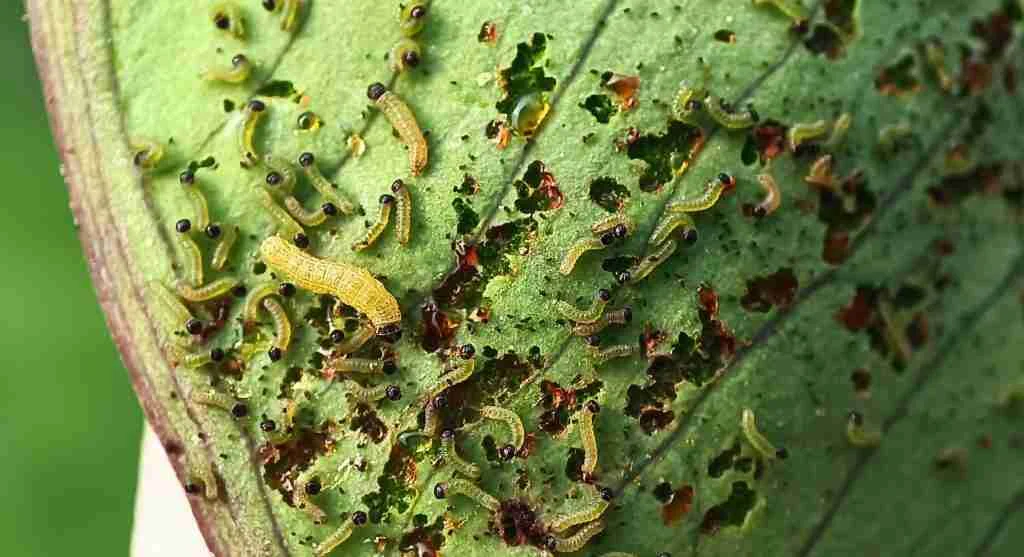
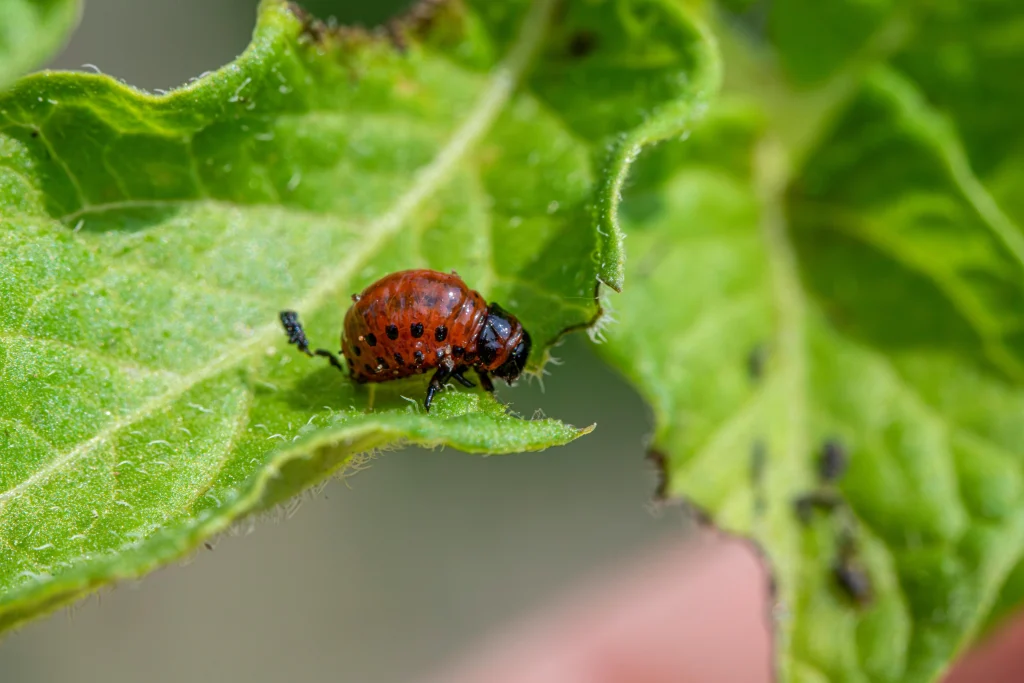
One of the strongest pest control tips is remembering that the first sign on the top of the leaf may not show where the pest is actually hiding. Many insects rest or feed underneath leaves where the surface is cooler, more sheltered, and harder to see during a quick walk through the bed.
Garden educators often recommend lifting leaves gently and inspecting the undersides whenever chewing, spots, or curling appear. Eggs, clusters of insects, sticky residue, or fine webbing may be easier to spot there than on the upper side. This helps the gardener move from guesswork to a clearer understanding of what may be happening.
Leaf damage in garden beds becomes easier to manage when the whole leaf is part of the inspection. Many small problems remain small only if they are seen where they begin.
Credit: Erik Karits / Pexels
Notice the Pattern of Damage, Not Only the Damage Itself
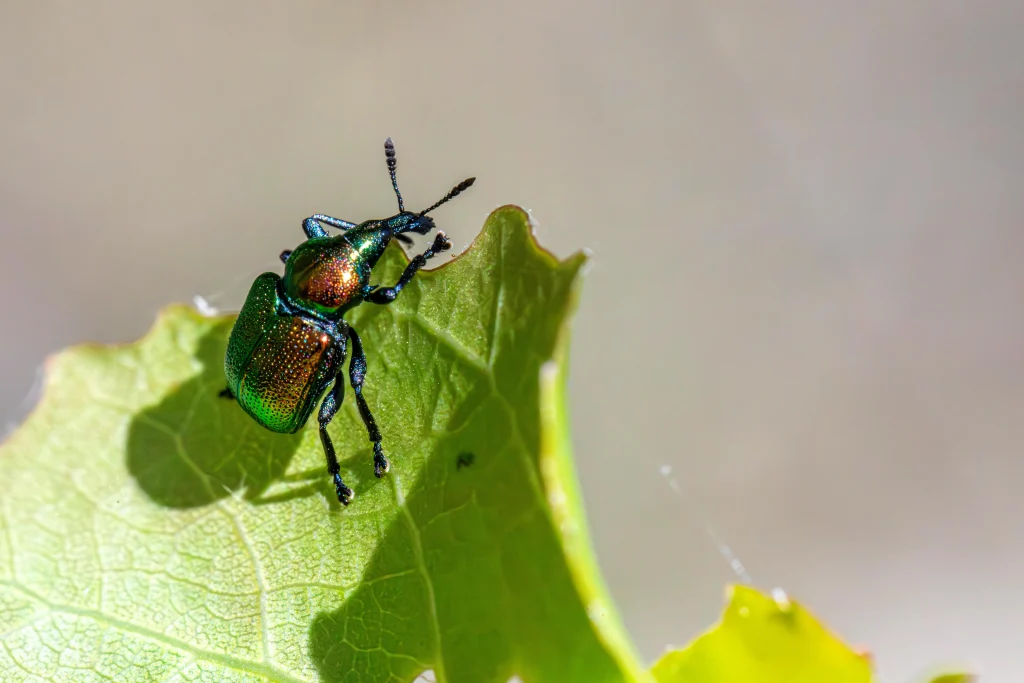
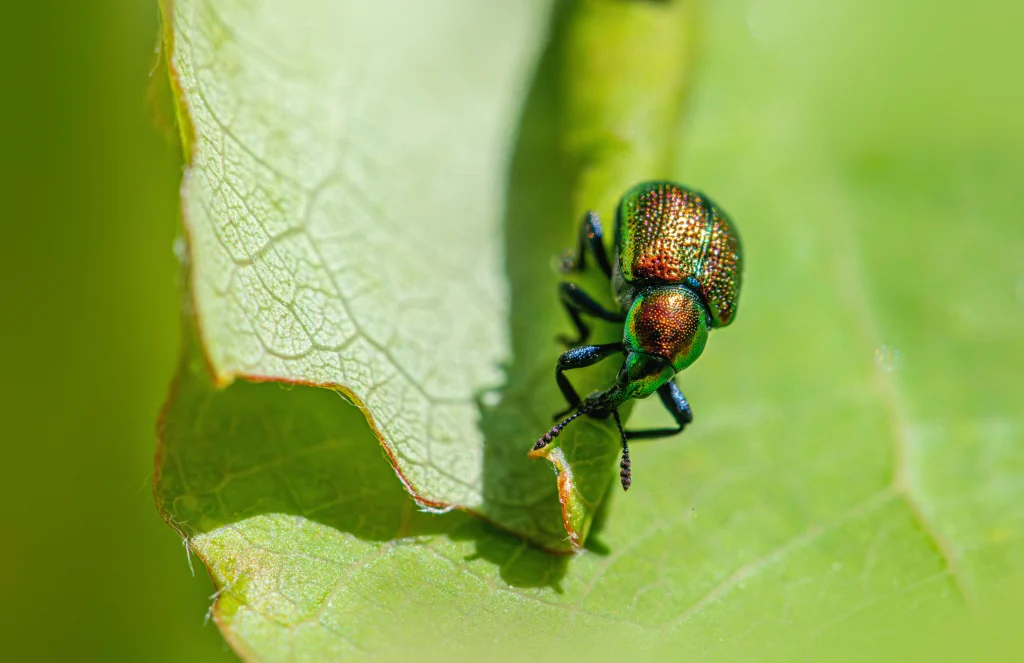
Another of the most useful pest control tips is paying attention to how the damage looks across the plant. Clean round holes, ragged chewing, pale stippling, edge damage, and curled leaves do not all suggest the same kind of problem. The pattern often gives the first clue about whether the issue is local, spreading, or connected to one type of pest behavior.
Plant health specialists often explain that pattern matters because it helps gardeners avoid treating every leaf mark as the same issue. Damage on only the newest leaves may suggest something different than chewing across the lower leaves. A few holes on one side of the bed may also mean something very different from fine marking across many plants.
Early pest signs often become easier to interpret when the gardener asks not only what happened, but how it is showing up across the crop.
Keep Damaged Leaves From Blending Into Bed Clutter
One of the more practical pest control tips is keeping the bed clean enough that damaged leaves stand out quickly. Heavy weeds, fallen produce, crowded stems, and old debris make it harder to notice fresh leaf changes. In a cluttered bed, pests often get more time before anyone realizes they are active.
Garden care educators often recommend removing broken plant material and clearing around the base of the crop so the remaining leaves are easier to inspect. This does not mean stripping the bed bare. It means creating enough order that changes in leaf color, texture, or chewing are easier to see during normal care.
To protect vegetable plants, visibility matters. A tidier bed usually makes leaf damage easier to catch while it is still limited.
Check the Leaves During Watering and Harvest Instead of Separately
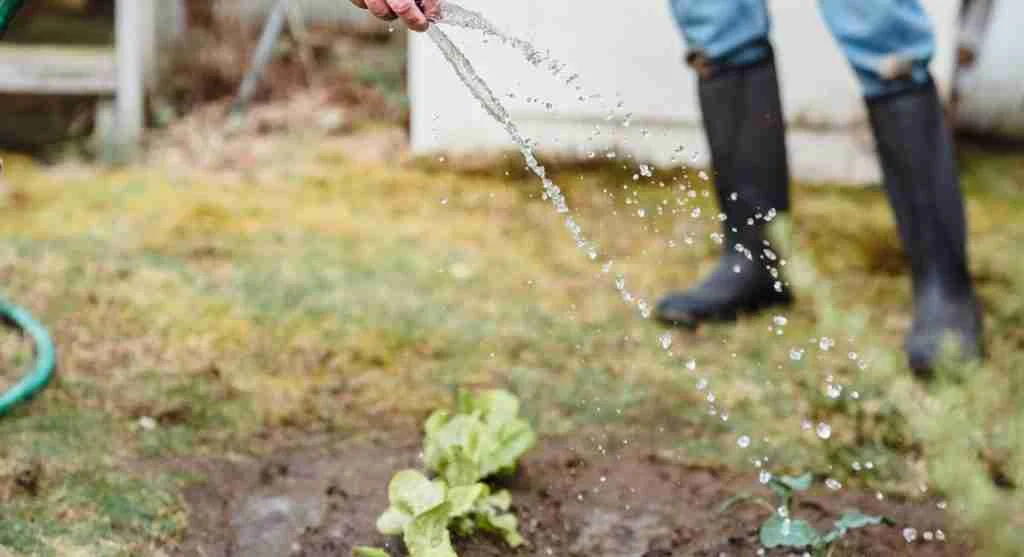
One of the smartest pest control tips is adding leaf inspection to jobs that already happen often. Watering and harvest bring the gardener close to the crop, which makes them ideal times to look for small holes, color changes, curled edges, or insects moving across the leaf surface.
Harvest educators often explain that regular picking creates natural close-up moments with the plant. Watering does the same, especially when done by hand or with a slower routine. This means leaf checks do not always need a separate time block. They can become part of the garden’s normal rhythm.
Leaf damage in garden spaces is easier to catch when observation is woven into daily work instead of saved for later and forgotten.
 Credit: Erik Karits / Pexels
Support Strong Plants So Minor Feeding Causes Less Stress
Some of the best pest control tips are not about the insect directly. A plant with steady moisture, healthy soil, and enough space often handles light feeding better than a weak or crowded one. That does not remove the pest, but it can reduce how quickly small leaf damage turns into wider decline.
Soil and crop educators often explain that healthier plants recover faster from chewing and usually continue producing more steadily under mild pressure. Compost, mulch, steady watering, and airflow all support this strength. These habits make it easier to protect vegetable plants before damage becomes more serious.
Early pest signs are often easier to manage in strong beds. Plant health and pest control usually work best when treated as parts of the same system.
Start With Small Corrections Before Heavy Action
One of the wisest pest control tips is starting with the smallest helpful response once damage is found. Hand removal, trimming a badly damaged leaf, washing some insects away with water, or isolating the worst section for closer watching may be enough when the issue is still small. Bigger action is not always necessary at the first sign.
Crop educators often recommend matching the response to the amount of actual spread. One damaged plant needs a different approach than five affected beds. Smaller corrections often work better when the problem is young, because they disturb the rest of the bed less while still protecting the crop.
To protect vegetable plants well, gardeners often need calm decisions more than quick aggressive ones. Early action works best when it is accurate.
Keep Notes on Which Crops Show Damage First
One of the strongest pest control tips for long-term improvement is writing down where leaf damage starts and what it looked like. Some crops attract attention sooner than others, and some beds show repeated trouble in similar weather or at the same growth stage. Those patterns are easier to use when they are recorded.
Garden educators often suggest simple notes on crop type, date, kind of leaf change, and what helped reduce it. These records help gardeners catch future problems sooner because they begin looking in the right places first. Notes turn one season’s leaf damage into next season’s earlier awareness.
Leaf damage in garden beds often becomes less surprising over time when gardeners keep track of what shows up, where it begins, and how quickly it changes.
Frequently Asked Questions
Q: What are the best pest control tips for early leaf damage?
A: Some of the best pest control tips include checking both sides of the leaf, watching the pattern of damage, keeping beds tidy, inspecting during watering and harvest, supporting plant health, and using small corrections first. These habits help stop small problems from spreading.
Q: Why is leaf damage in garden beds important to notice early?
A: Leaf damage in garden beds is important to notice early because it often appears before a pest problem spreads widely. Early action is usually easier and less disruptive than waiting until several plants are affected.
Q: How can gardeners recognize early pest signs on leaves?
A: Gardeners can recognize early pest signs by looking for holes, curling, pale spots, sticky patches, edge damage, or unusual texture changes. Checking the underside of leaves often helps reveal the cause more clearly.
Q: How do these pest control tips help protect vegetable plants?
A: These pest control tips help protect vegetable plants by improving early detection, reducing bed clutter, supporting stronger plant health, and allowing the gardener to respond before minor leaf damage becomes a larger issue.
Key Takeaway
These pest control tips show that leaf damage is often one of the first chances gardeners have to stop a problem before it spreads. Checking both sides of the leaf, reading damage patterns, keeping the bed visible, inspecting during daily chores, and using calm early corrections all help protect vegetable plants more effectively. Strong plant health and simple notes make future checks even better. For many gardeners, the best pest control tips are the ones that turn small leaf changes into early action instead of late surprise.