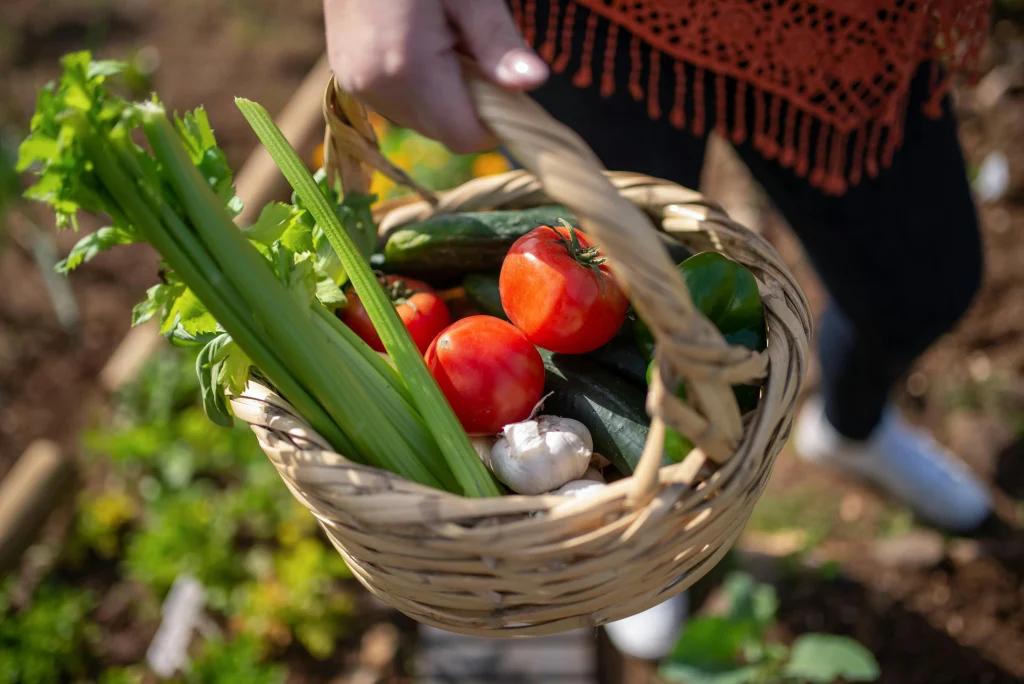

Useful harvest tips can help backyard garden produce stay fresher, cleaner, and easier to manage during heavy picking days. Once several crops begin coming in at the same time, it becomes easy to toss everything into one container and sort it later. That may feel faster in the moment, but mixed harvests often lead to bruising, extra dirt, and more kitchen work than necessary.
Harvest educators, food handling specialists, and experienced home growers often explain that a careful harvest routine begins before the first crop is picked. When produce is sorted early and handled with a little more structure, freshness usually holds better and later cleanup becomes much simpler. These harvest tips focus on how to sort garden produce, reduce handling damage, and keep fresh backyard vegetables easier to use after a busy day in the garden.
Why Harvest Tips Matter on Busy Picking Days
Some harvest days are simple and focused on one crop. Others bring tomatoes, cucumbers, beans, herbs, greens, peppers, and other vegetables all at once. On those busier days, the biggest quality problems often happen after harvest begins rather than before. Crops get stacked together, dirt moves from one item to another, and tender produce gets crushed under heavier items.
Researchers who study produce handling often note that sorting and container choice affect storage life almost immediately. Freshness is not only about when a crop was picked. It is also about what happened in the minutes after picking. This is why harvest tips matter so much during active harvest periods. A little structure often protects the quality already built in the garden.
Fresh backyard vegetables usually stay in better condition when sorting begins right away. That one change often makes the rest of the process feel calmer and more efficient.
Prepare Separate Containers Before You Start Picking
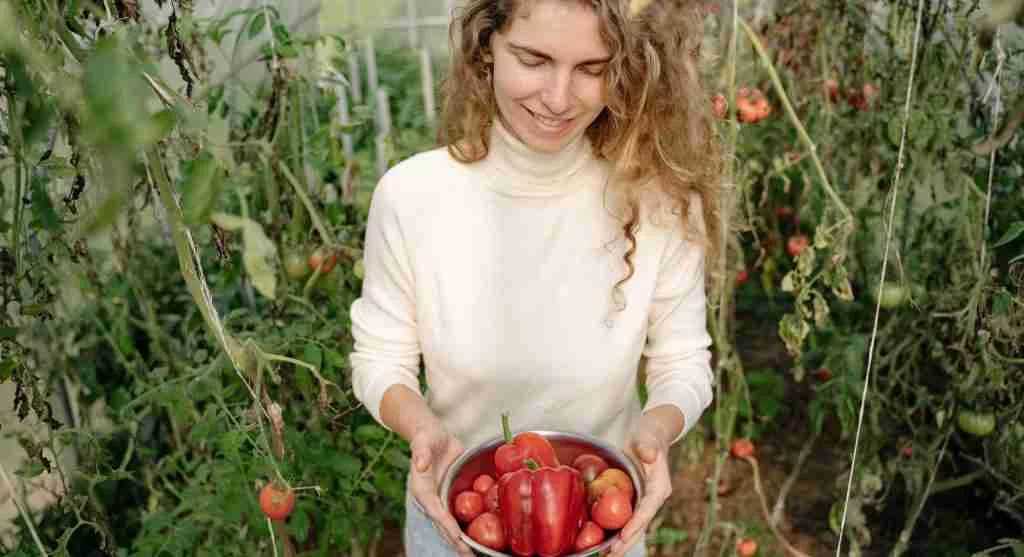
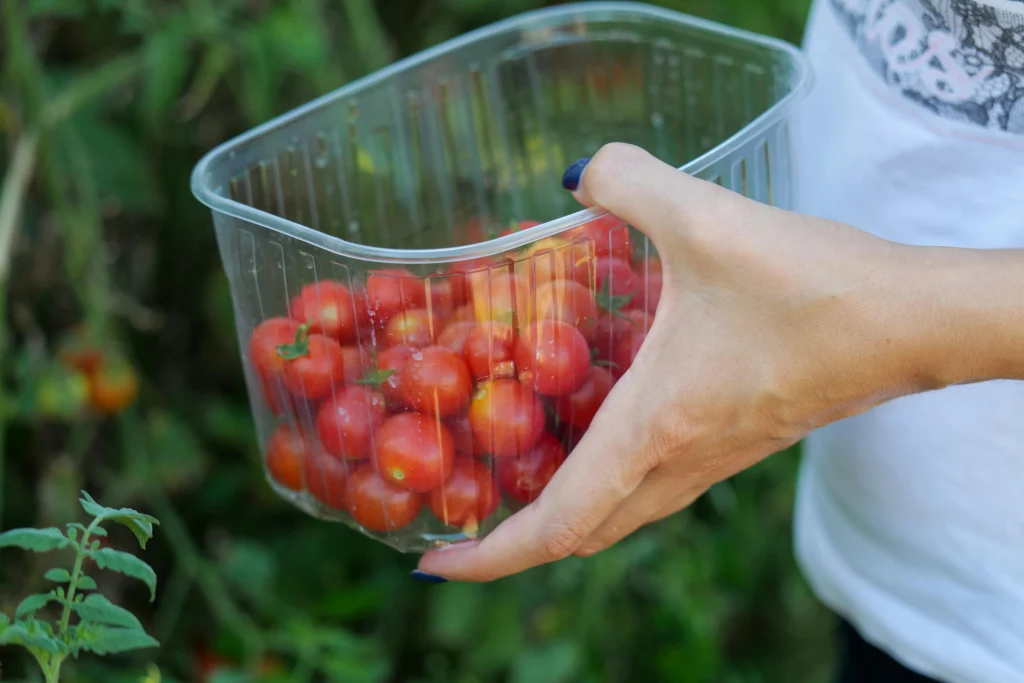
One of the strongest harvest tips is getting containers ready before entering the bed. A gardener who starts with only one basket often ends up mixing everything together because there is no better option nearby. A few clean shallow baskets, trays, or crates make it much easier to keep crops separate from the first moment.
Food handling specialists often recommend shallow containers because they reduce pressure on tender produce. This matters even more when several crops are being picked at once. Separate containers allow herbs, greens, beans, tomatoes, and sturdier vegetables to stay in conditions that fit them better.
A careful harvest routine often begins with preparation, not speed. When the container plan is ready first, the harvest itself becomes more organized with very little extra effort.
Credit: Vladimir Srajber / Pexels
Keep Tender Crops Separate From Heavier Ones
Another of the most practical harvest tips is separating delicate produce from anything dense or bulky. Herbs, leafy greens, ripe tomatoes, and some soft vegetables usually suffer quickly when heavier crops are laid on top of them. Even gentle weight can reduce freshness and cause bruising that shows up later indoors.
Harvest educators often explain that tender crops benefit from their own basket or tray, even if the harvest is small. Potatoes, onions, squash, or firm root crops may tolerate more pressure, but soft crops usually do not. Keeping them apart helps protect texture, appearance, and storage life.
To sort garden produce well, gardeners often need to think about how each crop behaves after picking. The best container is usually the one that protects the weakest produce first.
Sort by Cleaning Needs as Well as by Crop Type
One of the more overlooked harvest tips is separating produce by how much cleaning it will need later. Crops pulled from soil or growing close to the ground may carry more dirt than fruits or peppers picked from cleaner upper growth. When these are mixed together, the whole harvest often becomes messier.
Food quality specialists often note that keeping dirtier items apart reduces extra cleanup later and helps cleaner produce stay in better condition. This is especially useful during heavy picking days when the harvest may not go inside immediately. A little separation in the garden usually saves more time in the kitchen.
A careful harvest routine works best when it considers what comes next. Sorting by cleaning needs is one of the simplest ways to make later handling easier.
Pick Only What You Can Handle Well That Day
One of the smartest harvest tips is avoiding the urge to pick everything just because it looks ready at once. A very large harvest may create piles of produce that sit too long, warm too quickly, or become harder to sort well. In many cases, two smaller picking sessions protect quality better than one rushed oversized haul.
Harvest planners often explain that timing and handling capacity should shape the harvest as much as crop readiness does. If the gardener only has enough containers, shade, or kitchen time for a moderate amount, it may be wiser to pick the best crops first and return for the rest soon after. This often keeps the whole process more controlled.
Fresh backyard vegetables usually stay better sorted when the harvest size matches the gardener’s ability to handle it carefully. Quality often improves when the pace stays realistic.
Credit: BenWithLana 小豆包妈妈 Lana / Pexels
Move Sorted Produce Into Shade as Soon as Possible
One of the strongest harvest tips for busy days is protecting sorted crops from heat right away. Produce may be well separated and still lose quality if it sits in direct sun while the rest of the harvest continues. Heat softens herbs, wilts greens, and shortens the freshness of many tender vegetables.
Harvest educators often recommend a shaded bench, porch, or covered work area as a holding spot. This helps each sorted basket stay in better condition while the next crops are picked. Shade is especially important on warm or windy days when moisture loss happens faster than expected.
To keep fresh backyard vegetables in stronger shape, sorting should be paired with protection from heat. These two habits work best together.
Label or Mentally Group the Harvest for Faster Kitchen Work
One of the more practical harvest tips is creating a simple system for what each basket or tray is meant to hold. It does not need formal labels every time, but the gardener should know which one is for quick-use herbs, which one is for washing later, and which one is for sturdier produce. This helps the indoor step begin faster.
Food handling specialists often explain that kitchen sorting becomes much easier when the harvest already has a structure before it comes inside. It reduces mixing, saves time, and helps the grower decide what should be used first. During busy harvest weeks, that kind of clarity is especially useful.
A careful harvest routine often supports the kitchen as much as the garden. Better grouping outside often means less confusion later indoors.
Keep Notes on Which Crops Need the Most Careful Handling
One of the best harvest tips for long-term improvement is noticing which crops lose quality fastest after picking. Some vegetables handle a mixed basket fairly well, while others need their own space, faster shade, or quicker kitchen use. These patterns become clearer with experience and are easy to record.
Garden educators often suggest simple notes about what bruised easily, what stayed firm longest, and which crops needed separate containers most. These records help future harvest days run more smoothly because the gardener knows where extra care matters most.
To sort garden produce better over time, gardeners often need to learn from the harvest itself. Notes make that learning easier to repeat the next time the beds are full again.
Frequently Asked Questions
Q: What are the best harvest tips for sorting produce on busy days?
A: Some of the best harvest tips include preparing separate shallow containers, keeping tender crops apart from heavy ones, sorting by cleaning needs, picking only what can be handled well, and moving produce into shade quickly. These habits help preserve freshness and reduce damage.
Q: Why is it important to sort garden produce right away?
A: It is important to sort garden produce right away because early separation reduces bruising, keeps cleaner crops from getting dirtier, and makes kitchen handling much easier later. Sorting early also protects freshness on warm days.
Q: How does a careful harvest routine help fresh backyard vegetables last longer?
A: A careful harvest routine helps fresh backyard vegetables last longer by reducing crushing, keeping tender crops cooler, and making sure each type of produce is handled in a way that fits its condition and storage needs.
Q: Should all harvested crops go into the same basket?
A: No, not usually. Different crops have different weights, textures, and cleaning needs. Separate baskets or trays often protect quality much better than mixing everything together.
Key Takeaway
These harvest tips show that busy picking days are much easier when sorting begins before the harvest even starts. Separate containers, gentler handling, smart grouping, realistic harvest size, quick shade, and simple records all help sort garden produce more clearly and protect fresh backyard vegetables from damage. A careful harvest routine often saves time later as well. For many gardeners, the best harvest tips are the ones that keep busy harvest days organized from bed to kitchen.