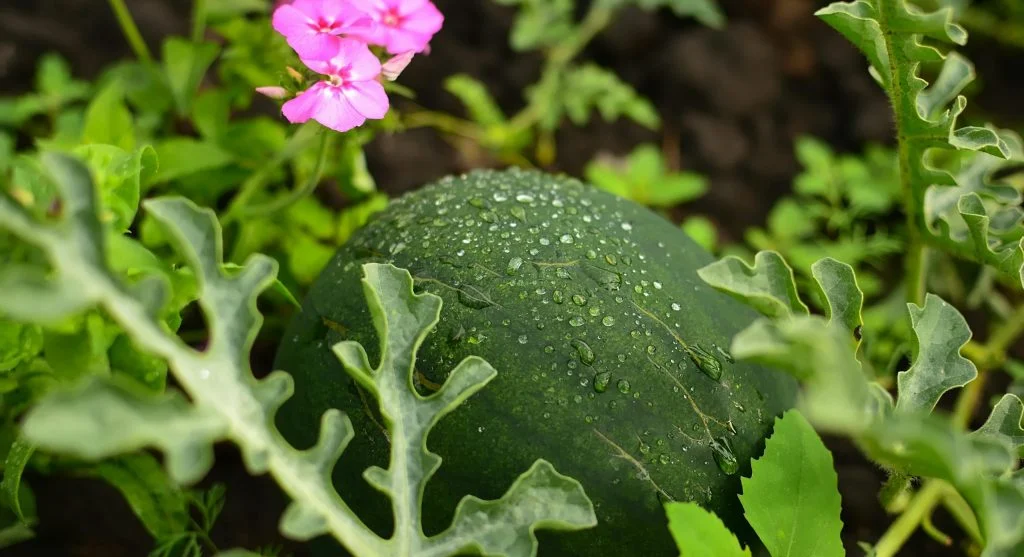

Harvest educators, produce handling specialists, and experienced home growers often explain that wet conditions change the way harvest should be handled from the first step onward. Picking after rainfall is not always wrong, but it usually requires more care than a dry-weather harvest. These harvest tips focus on how to manage harvest after rain, reduce problems with wet garden produce, and keep a clean backyard harvest more organized from bed to kitchen.
Why Harvest Tips Matter More After Rain
Rain changes both the crop and the space around it. Leaves may bend lower, soil may cling to roots or fruits, and wet paths may make movement slower and less stable. A gardener who rushes through a normal harvest routine in those conditions may spread mud, bruise produce, or step into beds that are too soft to handle extra pressure well.
Researchers who study produce handling often note that wet harvest conditions increase the risk of surface damage, extra mess, and lower storage quality if crops are piled, packed, or left damp too long. This is why harvest tips matter so much after rain. Good handling protects produce quality and also helps prevent the harvest itself from causing more trouble in the garden.
Wet garden produce often needs a little more patience than dry-weather produce. A careful routine usually protects both the crop and the bed far better than a fast one.
Wait for the Right Crops, Not Always for the Whole Garden to Dry
One of the strongest harvest tips is understanding that not every crop needs the same timing after rain. Some vegetables can often wait a little longer for better conditions, while others may already be at the right picking stage and should not be left too long. The goal is not to harvest everything immediately or delay everything equally. It is to make a better decision crop by crop.
Harvest educators often explain that sturdy crops and tender crops may respond differently to wet conditions. A gardener may choose to leave one area alone while gathering only the crops that are fully ready and less likely to lose quality by waiting. This selective approach often works better than treating the whole garden as one single harvest decision.
Harvest after rain is often easiest when it is narrowed to what truly needs attention first. Better judgment usually creates a cleaner and calmer result.
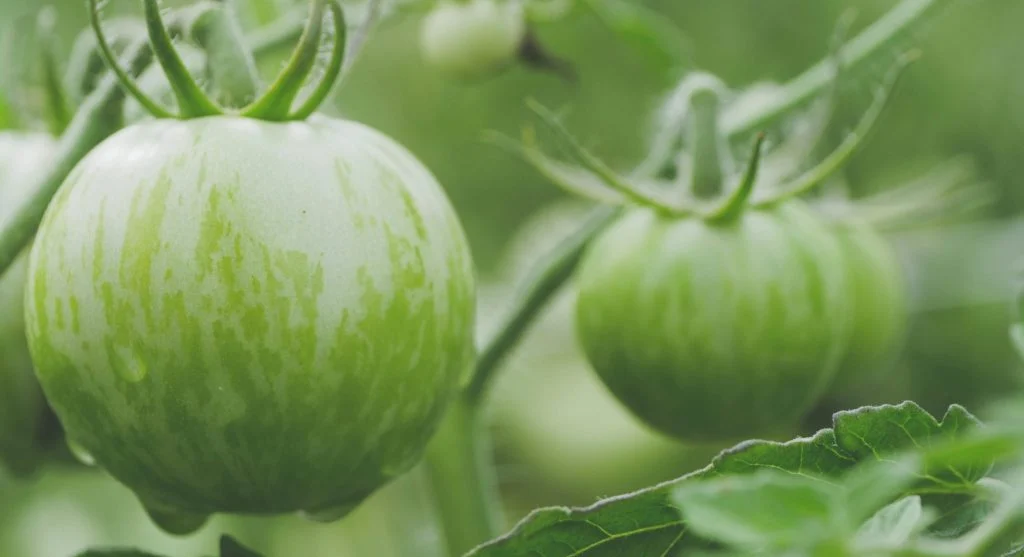
Use Cleaner Paths and Careful Footing to Protect the Bed
Another of the most useful harvest tips is watching where each step lands. After rain, a bed may compact more easily and a muddy path may become slippery enough to make carrying produce harder. If the grower steps into the growing area too often, the harvest may protect the produce but damage the soil at the same time.
Garden planners often recommend staying on the clearest paths possible and limiting close entry into soft beds unless it is truly necessary. This may mean harvesting from the side, using narrower baskets, or making shorter repeated trips instead of one overloaded trip. Better footing often improves both safety and crop handling.
A clean backyard harvest after rain often begins with movement. If the gardener can move steadily without slipping or stepping into wet root zones, the rest of the work usually becomes easier too.
Carry Separate Containers for Clean and Dirty Harvests
One of the smarter harvest tips for wet conditions is separating crops that come in clean from those that come in muddy. Produce picked from higher plants may stay fairly clean, while lower-growing vegetables or items close to splashed soil may bring in extra moisture and dirt. Mixing them together often spreads the mess through the whole basket.
Produce handling specialists often explain that early separation saves time later and protects cleaner crops from extra washing, bruising, and dirt transfer. A simple two-basket method often works well: one for cleaner items and one for produce that clearly needs more drying or cleaning later. This small change can make indoor handling much easier.
Wet garden produce usually stays more manageable when the gardener sorts it early instead of carrying one muddy mixed harvest into the kitchen all at once.
Avoid Overfilling Baskets When Produce Is Damp
One of the more overlooked harvest tips is using smaller harvest loads after rain. Damp produce often bruises more easily when packed tightly, and wet leaves or stems may press against one another in ways that trap moisture and reduce freshness. A basket that would work on a dry day may feel too full in wet conditions.
Harvest specialists often recommend shallower loads and more frequent trips when crops are wet. This helps air move around the produce better and reduces pressure on softer items. It also lowers the chance of slipping or dropping a basket while walking through damp areas.
Harvest after rain often becomes smoother when the gardener carries less at one time and protects the condition of the produce instead of chasing speed.
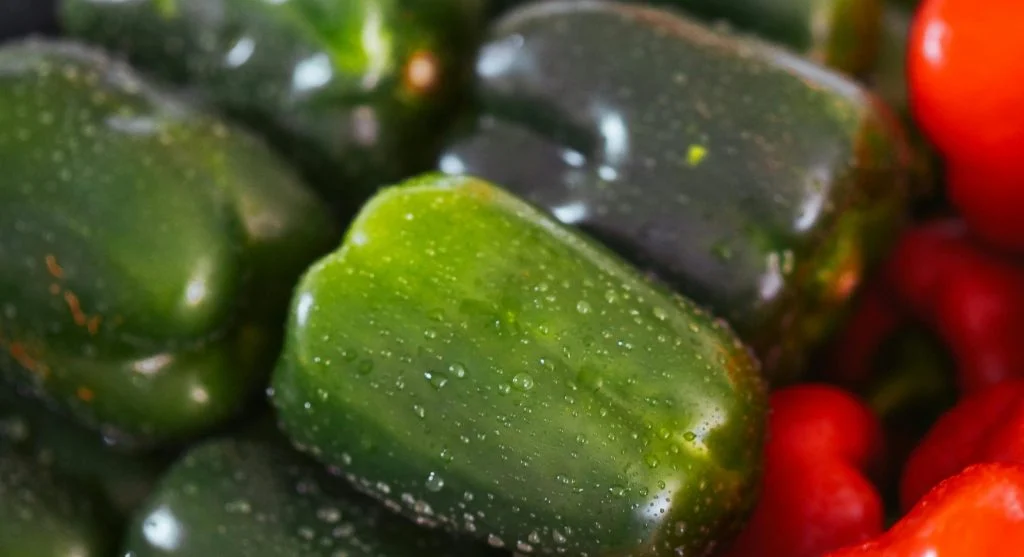
Let Wet Produce Dry Gently Before Full Storage
One of the best harvest tips after rain is avoiding the urge to put wet produce straight into closed storage. Surface moisture often shortens storage life, especially if vegetables or herbs are packed too quickly without time to dry gently first. A little extra patience at this stage often protects quality later.
Food handling educators often recommend a clean shaded area with airflow where produce can rest briefly after harvesting. The goal is not to leave crops in heat, but to let excess moisture leave the surface before the produce is fully packed, cooled, or stored. This is especially useful for leafy crops, herbs, and tender vegetables.
Wet garden produce often needs a transition step between bed and storage. That simple pause can make the harvest much more useful later.
Remove Muddy Outer Material Early
One of the more practical harvest tips is removing obviously muddy or damaged outer leaves before they spread more mess to the rest of the harvest. This is especially useful with greens, brassicas, or any crops close to splash zones. A few quick removals can keep the rest of the basket much cleaner.
Produce handling specialists often explain that one muddy outer layer can affect the condition of several other items in the same basket. Early cleanup reduces later washing time and helps the better-quality produce stay easier to sort and handle.
A clean backyard harvest often comes from small early decisions rather than one large cleanup later. Removing the worst of the mess at the start is often one of those decisions.
Keep Notes on Which Crops Handle Rainy Harvests Best
One of the strongest harvest tips for future planning is writing down which crops still handled rainy harvest conditions well and which ones seemed to lose quality faster. Some vegetables may hold up well after rain, while others may become harder to store, wash, or sort. These patterns become more useful once the gardener records them.
Garden educators often suggest simple notes about crop type, weather, how wet the bed was, and how well the produce held up afterward. These notes do not need to be detailed to help. Over time, they improve harvest timing and help growers know which crops can wait and which should be handled first when the weather turns wet.
Harvest after rain gets easier when each wet-weather harvest teaches the next one. Notes help turn that experience into a better system instead of a repeated guess.
Frequently Asked Questions
Q: What are the best harvest tips for picking after rain?
A: Some of the best harvest tips include harvesting only the crops that truly need picking, using careful footing, separating clean and muddy produce, carrying lighter basket loads, letting wet produce dry gently before storage, and removing muddy outer material early.
Q: Why is wet garden produce harder to handle after rain?
A: Wet garden produce is harder to handle because moisture makes it more likely to bruise, collect dirt, trap surface water, and lose storage quality if it is packed or stored too quickly.
Q: How can gardeners keep a clean backyard harvest in rainy conditions?
A: Gardeners can keep a clean backyard harvest by staying on clear paths, using separate containers for muddy and cleaner produce, removing dirty outer material early, and using a shaded drying step before storage.
Q: Should all crops be picked right after rain?
A: Not always. It is often better to harvest only the crops that are fully ready or most time-sensitive, while allowing other crops and wetter beds to wait until conditions improve.
Key Takeaway
These harvest tips show that rainy harvests usually go better when gardeners slow down and adjust the routine to match wet conditions. Careful crop choice, safer movement, early sorting, lighter basket loads, gentle drying, and quick removal of muddy outer material all help protect produce quality after rain. Simple notes improve the next wet-weather harvest even more. For many gardeners, the best harvest tips are the ones that turn a messy rainy picking day into a cleaner and more useful harvest.