

Useful harvest tips can help backyard gardeners keep fast-maturing crops from slipping past their best stage while the bed still looks healthy and productive. Some crops move from small to ready very quickly. Beans, cucumbers, squash, herbs, leafy greens, and many tender vegetables can change noticeably in only a day or two during warm active weather. If the gardener misses that short window, the bed may still look full, but the quality of the harvest may already be dropping.
Harvest educators, crop specialists, and experienced home growers often explain that timely garden harvest is one of the most important habits in a productive backyard space. Picking on time protects tenderness, flavor, and future production. These harvest tips focus on how to track fast-maturing crops, avoid overgrown vegetables, and keep beds working steadily instead of becoming crowded with produce that stayed on the plant too long.
Why Harvest Tips Matter More for Fast-Maturing Crops
Not every crop ripens slowly. Some vegetables and herbs move quickly from early growth to ideal harvest size, especially during warm weather when sun, moisture, and active roots are all pushing growth forward. A gardener may feel in control of the bed one day and return the next to find that several crops are already larger, firmer, or less tender than expected.
Researchers who study produce quality often note that harvest timing affects not only taste and texture, but also how long the plant continues producing well afterward. This is why harvest tips matter so much for fast-maturing crops. A missed picking window does not only affect one harvest. It may also slow the next round of useful production.
To avoid overgrown vegetables, gardeners often need to think ahead of the bed instead of reacting after the produce already looks too large. Fast crops usually reward earlier attention, not later rescue.
Learn Which Crops Change Fastest in Your Garden
One of the strongest harvest tips is identifying which crops in the yard move from “almost ready” to “must pick now” the fastest. Many backyard growers know this in a general way, but the most useful routine begins when those crops are named clearly and treated like high-attention harvests. Not every bed needs the same level of urgency.
Harvest educators often recommend paying close attention to cucumbers, beans, summer squash, herbs, leafy greens, and other crops that often mature quickly under strong growing conditions. Once the gardener knows which plants tend to outrun the rest, daily checks become more focused and more valuable. That often prevents good produce from being left too long simply because another bed seemed more obvious.
Fast-maturing crops often deserve first place in the harvest routine because they change the quickest. Knowing where those crops are and how they behave often protects the whole rhythm of the garden.
Use Small Frequent Checks Instead of Waiting for One Big Harvest Day
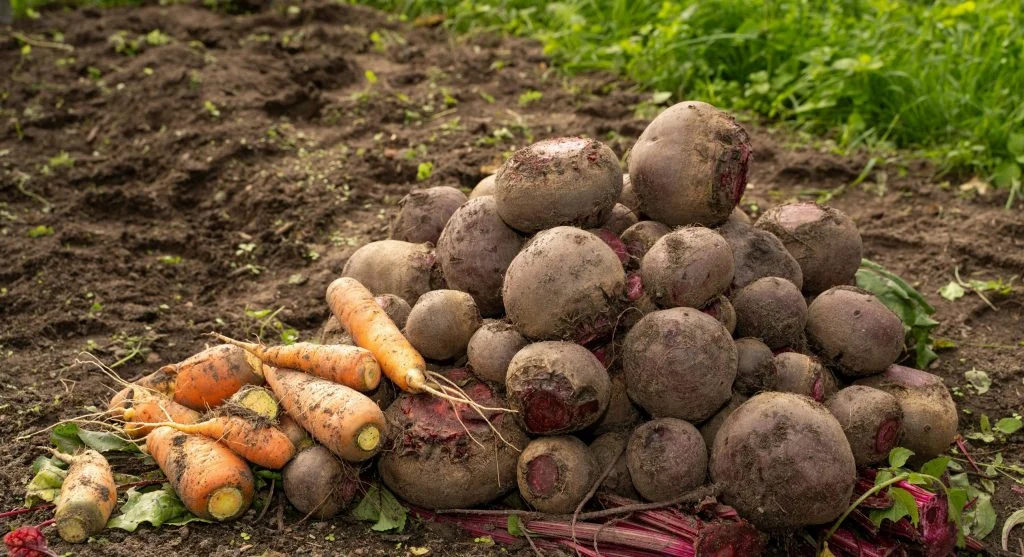
Another of the most useful harvest tips is breaking the harvest habit away from the idea of one large picking day. Fast crops often do better with shorter, more frequent checks because they may reach peak size between bigger scheduled harvest sessions. A few minutes of regular attention often protect more quality than one long delayed visit.
Garden planners often explain that small repeated harvests help the gardener keep pace with crops that mature quickly. This does not mean every bed must be harvested daily. It means the quick beds should be visited often enough that the gardener stays ahead of them. This usually reduces waste and improves the quality of what comes inside.
Timely garden harvest often depends more on rhythm than on effort. Small regular passes usually work better than waiting until the whole garden seems ready for attention.
Pick at the Best Use Stage, Not Only at the Biggest Size
One of the smarter harvest tips is deciding what stage makes the crop most useful instead of assuming bigger means better. Many fast-growing vegetables lose tenderness once they become oversized. Others may still be edible but become less versatile, less flavorful, or harder to store and prepare. A good harvest routine often follows usefulness rather than size alone.
Produce specialists often explain that some crops are best when small and tender, others when firm and well-shaped, and others when leaves are still soft and young. Once the gardener starts thinking in terms of best-use stage, it becomes easier to pick confidently before the crop passes its most valuable point. This usually helps both kitchen use and continued plant production.
To avoid overgrown vegetables, gardeners often need to change the question from “Can this get bigger?” to “Is this already at its best stage?” That small change often improves the whole harvest.
Do Not Let Hidden Produce Stay Behind the Main Harvest
One of the more practical harvest tips is looking underneath, behind, and inside the plant after the first visible produce has been gathered. Fast crops often hide additional ready harvests under leaves or deeper in the bed. If those are missed, they may become oversized while the gardener believes the plant was already harvested properly.
Harvest educators often recommend gently lifting leaves and checking the lower or inner parts of the plant after the first easy pick. This is especially helpful with cucumbers, beans, squash, and certain leafy crops where one hidden item can mature much faster than expected. A more complete check usually protects both quality and bed order.
Fast-maturing crops often reward patience in inspection. The first produce seen is not always the only produce ready, and the hidden pieces are often the ones most likely to get too old too fast.
Use Harvest to Keep the Bed Open and Productive
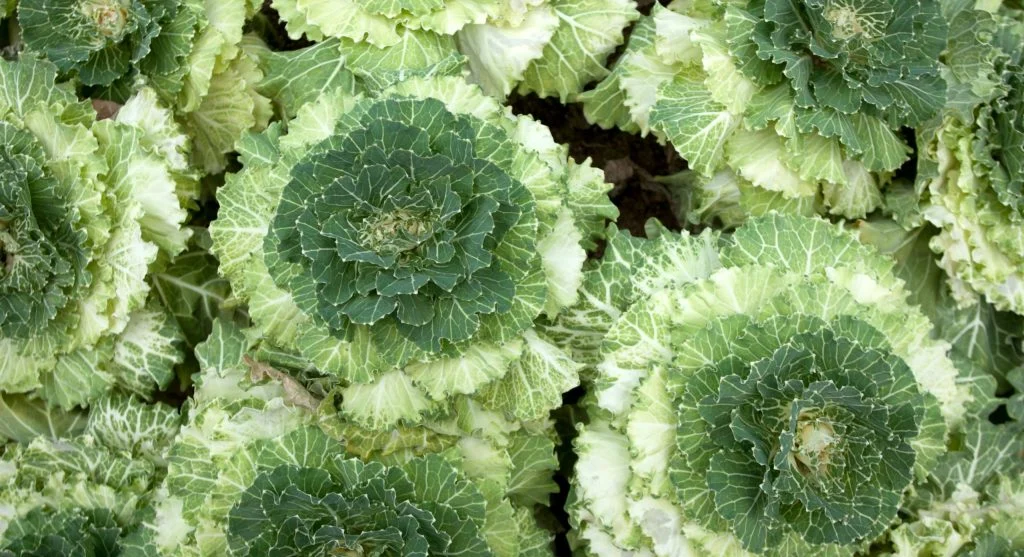
One of the best harvest tips is recognizing that picking on time helps the whole bed stay easier to manage. Overgrown produce often adds extra weight, encourages crowding, and makes it harder to see what is happening in the plant. A timely harvest does more than remove food. It often keeps the crop open enough for better airflow, easier inspection, and steadier next growth.
Garden educators often note that some crops continue producing more steadily when mature produce is removed on time. This makes harvest part of overall bed management rather than a separate kitchen task. A plant that is picked regularly often stays more active than one asked to carry oversized produce for too long.
Timely garden harvest usually protects both current quality and future output. The best harvests often keep the whole plant moving forward instead of slowing it down.
Keep a Quick Harvest Container Ready Near Fast Beds
One of the more overlooked harvest tips is making it easy to harvest the moment the crop is ready. If baskets or containers are far away, growers may postpone a quick pick because it feels like too much trouble for just a few items. That delay often leads to produce staying on the plant longer than it should.
Outdoor planners often suggest keeping one small basket or harvest tray near the beds that need the fastest attention. This makes short harvests feel worthwhile and practical. It also encourages the kind of small repeated picking that fast crops usually need most.
To avoid overgrown vegetables, it helps to remove excuses as well as missed timing. A ready container often turns “later” into “now,” and “now” is often the better choice.
Keep Notes on Which Crops Outgrow Their Best Stage Fastest
One of the strongest harvest tips for long-term improvement is recording which crops and varieties in the yard move past their best stage the fastest. Some beans may stay tender longer than others, some cucumbers may become oversized quickly, and some herbs may need tighter cutting schedules than expected. These patterns are easier to use once they are written down.
Garden educators often recommend brief notes about crop type, best harvest stage, how quickly it changed, and how often it needed checking during active periods. These notes make future seasons easier to manage because the grower already knows which beds need closer timing. Over time, this turns guesswork into a much stronger harvest routine.
Fast-maturing crops often become easier to manage once the gardener knows their speed. Notes help that understanding stay useful instead of being relearned every season.
Frequently Asked Questions
Q: What are the best harvest tips for fast-maturing crops?
A: Some of the best harvest tips include learning which crops change fastest, checking them in shorter repeated visits, picking at the best-use stage instead of the biggest size, looking for hidden ready produce, and keeping a small harvest container near the bed for quick picking.
Q: Why do fast-maturing crops often become overgrown so quickly?
A: Fast-maturing crops often become overgrown quickly because warm weather and active growth can push them from nearly ready to oversized in a short time. Missing even a day or two may lower tenderness, flavor, and usefulness.
Q: How can gardeners keep a timely garden harvest routine without spending all day in the garden?
A: Gardeners can keep a timely garden harvest routine by doing short focused checks of the fastest crops, keeping tools or baskets nearby, and treating quick repeated harvests as part of normal bed care rather than waiting for one large harvest day.
Q: What helps avoid overgrown vegetables in productive beds?
A: Avoiding overgrown vegetables usually comes from checking fast crops often, understanding their best-use stage, harvesting hidden produce too, and removing mature items before they begin slowing the plant or crowding the bed.
Key Takeaway
These harvest tips show that fast-maturing crops usually stay at their best when gardeners check them often, pick at the most useful stage, and do not let hidden produce remain behind the main visible harvest. Small frequent harvests, quicker access to baskets, and simple notes all help protect quality and keep productive beds from becoming crowded with oversized vegetables. For many gardeners, the best harvest tips are the ones that help the grower stay one step ahead of the crop instead of one step behind it.