
Useful water saving tips can help a backyard garden recover more steadily after very hot days without wasting water on rushed or shallow watering. Intense heat often makes beds look dry and stressed very quickly, but the best response is not always to add as much water as possible all at once. Better results usually come from helping the soil return to balance and making sure moisture reaches the root zone where plants can actually use it.
Water educators, soil specialists, and experienced home growers often explain that heat-stressed garden care works best when gardeners slow down and read the bed carefully. Some sections may need deeper support, while others may still hold useful moisture below the surface. These water saving tips focus on helping backyard bed recovery, reducing water waste, and supporting steadier crop performance after intense summer heat.
Why Water Saving Tips Matter After Extreme Heat
Hot days often affect more than the leaves. Soil surfaces may dry quickly, mulch may shift, and roots may face stronger pressure than they did even a few days earlier. A bed that looked balanced in the morning may feel very different by evening if heat and wind were strong for many hours.
Researchers who study small-scale crop systems often note that plants recover best when moisture is restored in a steady way instead of through sharp swings. A bed that goes from severely dry to heavily soaked may still leave roots under stress. This is why water saving tips matter after extreme heat. Good recovery depends on balanced moisture, not only on more water.
To save water in garden spaces during hot weather, gardeners often need to think about recovery as a process rather than a one-time response. Better timing and better observation usually improve results.
Check the Root Zone Before Watering Heavily
One of the strongest water saving tips after very hot days is checking below the surface before assuming the whole bed is dry. Leaves may droop and the top layer may feel dusty, but some root zones may still hold enough moisture to help the plant recover overnight. Watering heavily without checking may waste time and water.
Water educators often recommend using a finger or small hand tool to inspect the soil a few inches down. If the deeper layer still feels cool or slightly moist, the bed may need less water than it appears from above. If the dryness runs deeper, then a steadier watering session is more appropriate. This simple check helps the gardener respond to real conditions rather than appearance alone.
Backyard bed recovery becomes more accurate when the root zone leads the decision. Surface stress often tells only part of the story after intense heat.
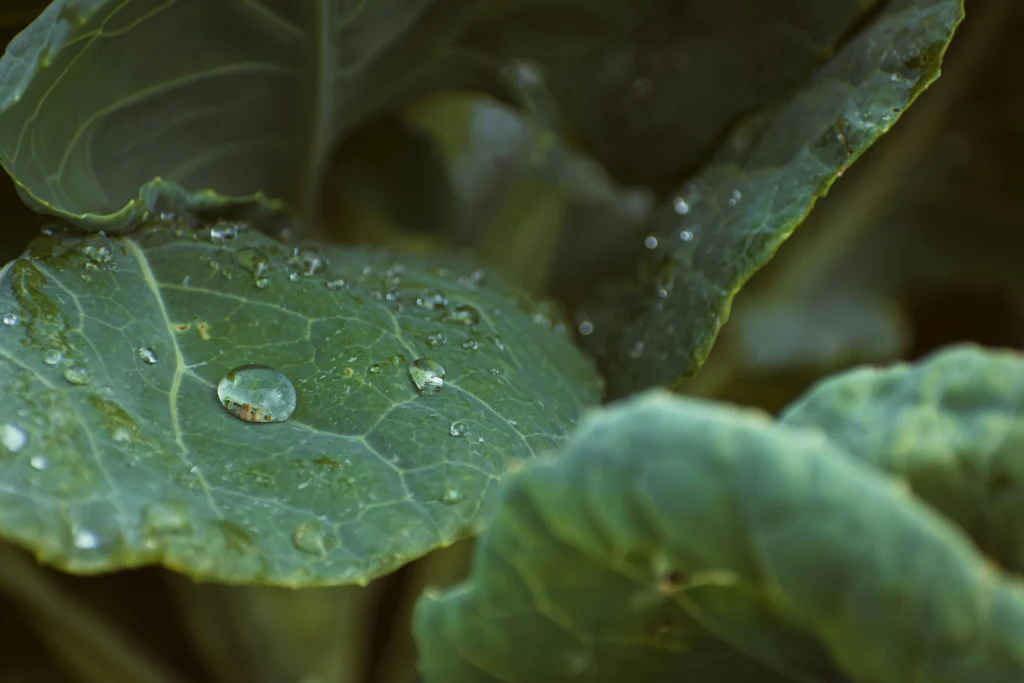
Credit: Nikolett Emmert / Pexels
Water Slowly So Moisture Has Time to Move In
Another of the most practical water saving tips is using slower watering after very hot conditions. Dry soil may repel water at first if it is flooded too quickly, especially when the surface has tightened or crusted. Slow watering gives the bed more time to absorb what it receives instead of losing part of it to runoff.
Water specialists often explain that a slower flow supports better root-zone recovery because moisture can sink lower instead of sitting only near the surface. This is especially important when beds have been exposed to several hot hours in a row. A patient watering session often does more good than several rushed ones.
To save water in garden beds, it often helps to think about absorption before quantity. Water that enters the soil well is more useful than water that disappears quickly or runs away.
Keep Mulch in Place So Recovery Moisture Lasts Longer
One of the most useful water saving tips after hot weather is checking the mulch layer itself. Wind, watering, and daily movement may leave some areas exposed, and that exposure often speeds moisture loss once the bed begins to recover. A light adjustment to the mulch can help protect the water that was just added.
Soil and moisture educators often note that mulch acts like a protective shield between sun and soil. After intense heat, it becomes even more important because it helps prevent the next day’s warmth from quickly undoing the bed’s recovery. It also keeps the surface more even and helps reduce future crusting.
Heat-stressed garden care often improves when gardeners protect the moisture they add instead of assuming watering alone solved the problem. Mulch helps hold that progress in place.
Water at the Most Helpful Time for Recovery
One of the smarter water saving tips is choosing the right recovery window. Early morning is often ideal for giving the bed moisture before the next hot period begins, but evening can also help when the bed has clearly dried and needs support before overnight recovery. The key is choosing a time that helps roots use the moisture rather than lose it quickly.
Water educators often explain that timing affects how much of the water remains useful in the soil. Late midday watering may cool the surface briefly but often loses more moisture to heat and evaporation. A better watering window supports deeper use and steadier plant response.
Backyard bed recovery often becomes stronger when gardeners respond at a time that matches soil and air conditions instead of watering only because the bed looked stressed in the hottest hour.
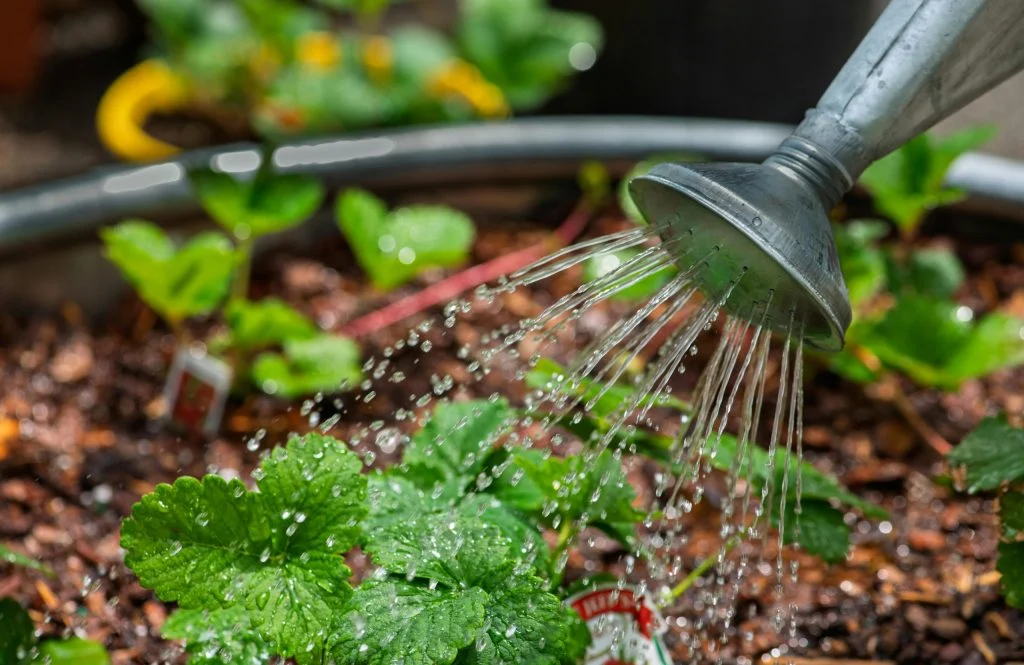
[IMAGE PLACEMENT]
Description: Early morning watering at the base of backyard vegetable plants with mulch and calm light after a hot day
Orientation: Landscape (horizontal)
Suggested Search Query: early morning watering backyard vegetable plants mulch calm light
Source: Pexels / Unsplash / Pixabay — user to verify and paste actual URL
Group Recovery Efforts Around the Most Affected Crops
Some sections of the garden usually suffer more during extreme heat than others. Shallow-rooted greens, new seedlings, container crops, and exposed bed edges may show more stress than deeper-rooted or more established plants. One of the best water saving tips is focusing recovery where the need is highest instead of treating every bed exactly the same.
Garden planners often suggest paying attention to which crops wilt earliest, dry fastest, or slow down most after hot weather. This helps gardeners use water more accurately and protect the most vulnerable areas first. A targeted response usually reduces waste and improves results.
To save water in garden spaces, it helps to let crop type guide recovery. Some plants need extra attention right away, while others may recover with only minor support.
Reduce Extra Stress While the Bed Recovers
One of the more overlooked water saving tips is protecting the bed from extra strain after a very hot day. Heavy pruning, unnecessary digging, and repeated stepping near roots may make recovery slower because plants and soil are already under pressure. Calm conditions usually help the moisture already added do more good.
Crop care specialists often explain that steady recovery works better when the bed is left as undisturbed as possible for a short time. Once moisture begins moving back into the root zone, the crop needs a chance to respond without added shock. This often improves plant recovery and helps the bed return to a steadier rhythm.
Heat-stressed garden care is not only about adding water. It is also about reducing the number of things that force the crop to use more energy while it is already trying to recover.
Keep Notes on Which Beds Struggle Most After Heat
Every garden has sections that respond differently to intense heat. Some beds may recover quickly, while others may dry out deeper or show repeated stress after every hot stretch. One of the smartest water saving tips is keeping notes on which areas struggle most and what helped them recover faster.
Garden educators often recommend simple records about soil checks, crop response, mulch condition, and timing of watering. These notes help gardeners improve future recovery and may show which beds need more compost, better mulch, or different crop placement later in the season.
Backyard bed recovery becomes easier to manage when gardeners learn from each heat event instead of treating every hot day like a new surprise.
Frequently Asked Questions
Q: What are the best water saving tips after very hot days?
A: Some of the best water saving tips include checking the root zone first, watering slowly, keeping mulch in place, choosing a better watering time, focusing on the most affected crops, and avoiding extra disturbance while the bed recovers. These habits help restore balance without wasting water.
Q: How can gardeners help backyard bed recovery after intense heat?
A: Gardeners can help backyard bed recovery by restoring moisture steadily, protecting the surface with mulch, targeting the crops that suffered most, and allowing the bed time to recover under calmer conditions.
Q: Why is heat-stressed garden care not just about watering more?
A: Heat-stressed garden care is not only about watering more because roots also need balanced moisture, protected soil, and fewer extra stresses. Too much rushed watering may not help as much as slower, better-timed watering.
Q: How can gardeners save water in garden beds after extreme heat?
A: Gardeners can save water in garden beds after extreme heat by checking soil before watering, applying water slowly to the root zone, protecting the bed with mulch, and using notes to improve future responses.
Key Takeaway
These water saving tips show that beds usually recover better after very hot days when moisture is restored carefully instead of quickly. Root-zone checks, slower watering, mulch adjustment, better timing, targeted recovery, and fewer extra disturbances all help support steadier backyard bed recovery. Simple notes also improve the next response to extreme heat. For many gardeners, the best water saving tips are the ones that help the bed regain balance without wasting water on rushed decisions.