
Useful soil tips can help backyard beds recover faster between one planting cycle and the next. After a crop finishes, many beds look tired, uneven, and partly dried out, but that does not mean they need to sit empty for long. A few steady steps can help restore balance and make the space ready for healthy new growth without starting from zero.
Soil educators, crop specialists, and experienced home growers often explain that the period between crops matters more than many gardeners realize. Beds that are refreshed with care usually support better roots, steadier moisture, and more reliable second plantings. These soil tips focus on how to refresh garden soil, improve soil structure, and keep healthy garden beds more useful through repeated planting cycles.
Why Soil Tips Matter Between Planting Cycles
A bed that has just finished supporting one crop has already done a lot of work. It may have lost some organic cover, dried unevenly, or become tighter in places where roots, watering, and harvest activity were most intense. If the next crop goes in without any recovery step, that stress often carries forward.
Researchers who study soil systems often note that repeated use does not harm a bed when recovery is handled well. Problems usually appear when the soil is expected to keep producing without being refreshed. This is why soil tips matter so much between planting cycles. Small improvements during this stage often shape the success of the next one.
Healthy garden beds usually stay productive because gardeners treat recovery as part of the system, not as wasted time between harvests.
Clear Finished Crops Without Overworking the Bed
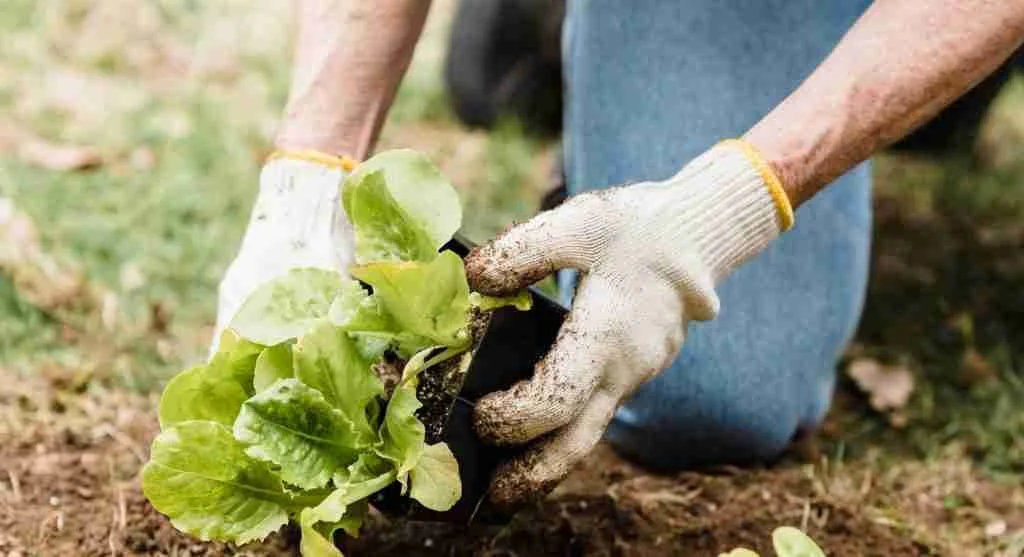
One of the strongest soil tips is removing finished plants carefully instead of turning the whole bed roughly. Old stems, worn roots, and damaged leaves should come out, but the goal is not to disturb every part of the soil at once. Too much digging may damage structure that still supports the next crop well.
Soil and crop educators often recommend selective cleanup. Pull out spent plants, remove diseased or broken material, and leave the bed open enough to read clearly, but avoid aggressive turning when it is not needed. This helps the soil keep some of its existing balance while still creating space for fresh planting.
To refresh garden soil well, it helps to protect what is already working. A lighter reset usually supports better long-term structure than a harsh one.
Credit: Gutjahr Aleksandr / Pexels
Add Compost to Support the Next Round of Root Growth
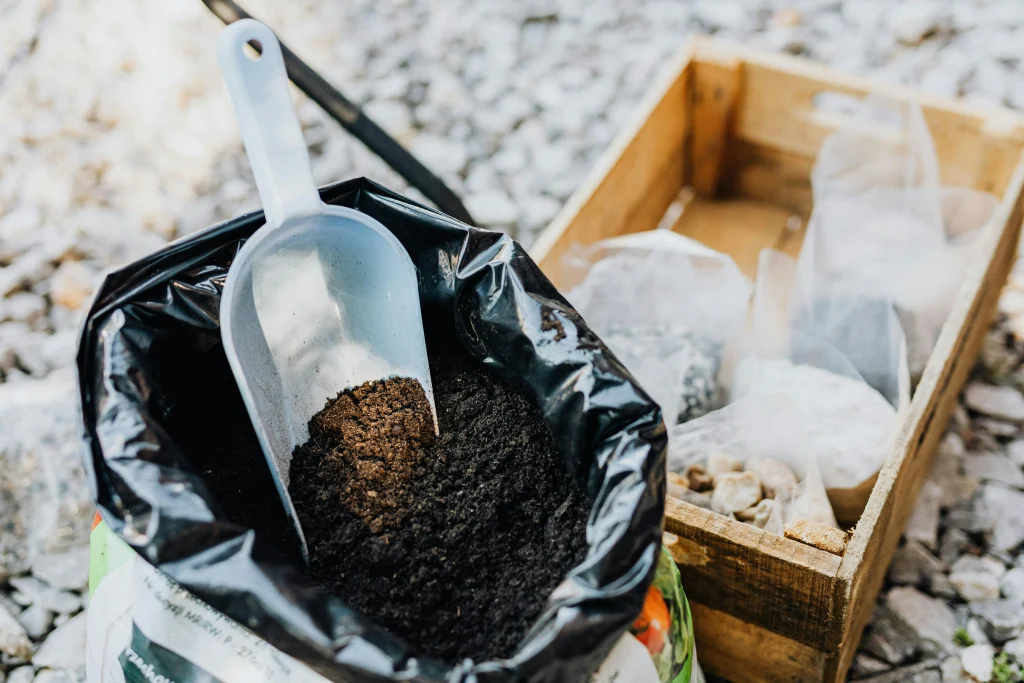
Another of the most practical soil tips is adding compost before replanting. Compost helps refresh garden soil by replacing organic matter, improving soil texture, and supporting better moisture balance. A used bed often responds quickly to this kind of steady support.
Soil educators often explain that compost does more than feed crops. It helps improve soil structure so roots can move more freely and so water can stay available without making the bed heavy. A light layer added after cleanup often creates a better starting surface for the next crop.
Healthy garden beds usually recover more smoothly when new growth does not enter tired soil conditions. Compost helps close the gap between one planting cycle and the next.
Check Moisture Before Doing More Work
One of the more overlooked soil tips is checking whether the bed is actually ready to be worked. A recently used bed may be dry on top but still wet deeper down, or it may hold extra moisture after irrigation or rain. Replanting too quickly into poorly balanced soil can slow the next crop before it begins.
Garden educators often recommend a simple hand check. If the soil feels muddy and sticks together heavily, it may need more time. If it breaks apart more easily and feels workable, the bed is often ready for gentle refreshing and planting. That timing helps protect the structure already in place.
To improve soil structure, it helps to work with the bed at the right moment instead of rushing simply because space has opened.
Keep the Surface Protected Instead of Leaving It Bare
One of the smartest soil tips between crops is avoiding long periods of bare exposed soil. Bare beds lose moisture quickly, may crust after heat or rain, and often become harder to manage if the next planting is delayed even a little. A little surface protection can help the bed stay more stable while it waits for the next crop.
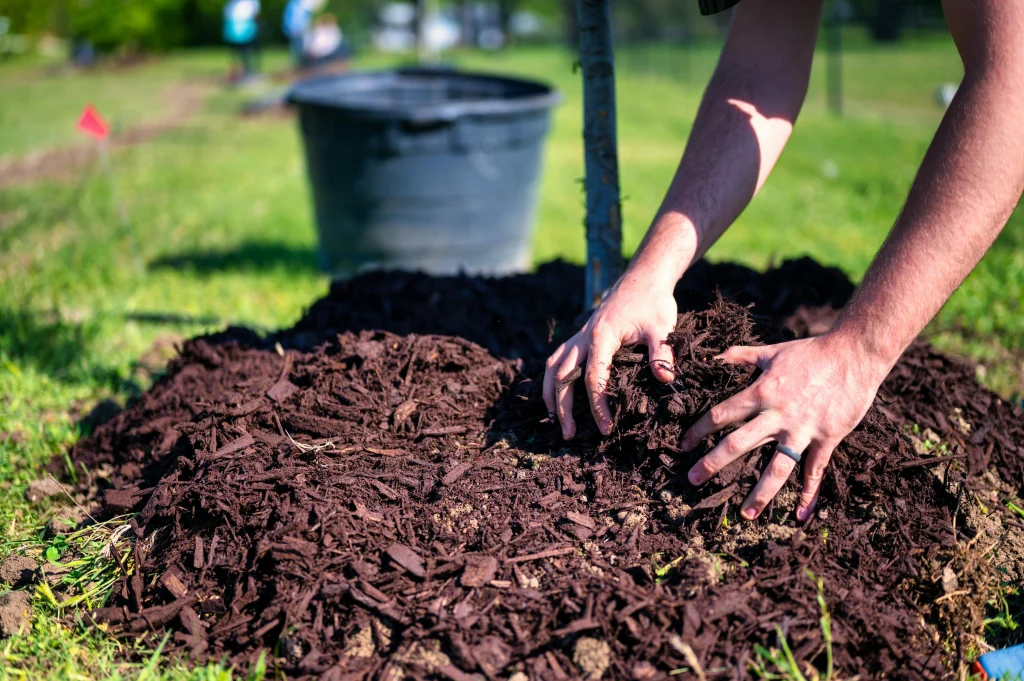
Soil care specialists often recommend light mulch, compost cover, or another simple organic layer while the bed is between active crops. This helps reduce moisture swings and protects the upper layer from weather stress. Even short-term surface care can make a noticeable difference.
Refresh garden soil not only with added material, but also by shielding it from unnecessary stress while it recovers from the last crop cycle.
Credit: Alfo Medeiros / Pexels
Notice Which Parts of the Bed Grew Weaker Than Others
Not every part of a bed performs the same way during one planting cycle. One section may dry faster, another may feel tighter, and another may support weaker plants than the rest. One of the best soil tips is using the gap between crops to study those patterns and respond to them before the next planting begins.
Soil specialists often suggest noting where growth seemed slower, where roots were harder to pull, and where moisture stayed uneven. These observations help gardeners decide where compost is needed most, where mulch should be deeper, or where the next crop may need different placement. This improves soil structure through more accurate care rather than guesswork.
Healthy garden beds get better when gardeners learn from each crop cycle. The bed itself often shows where it needs the most support next.
Adjust Watering for a Bed That Has Changed Shape
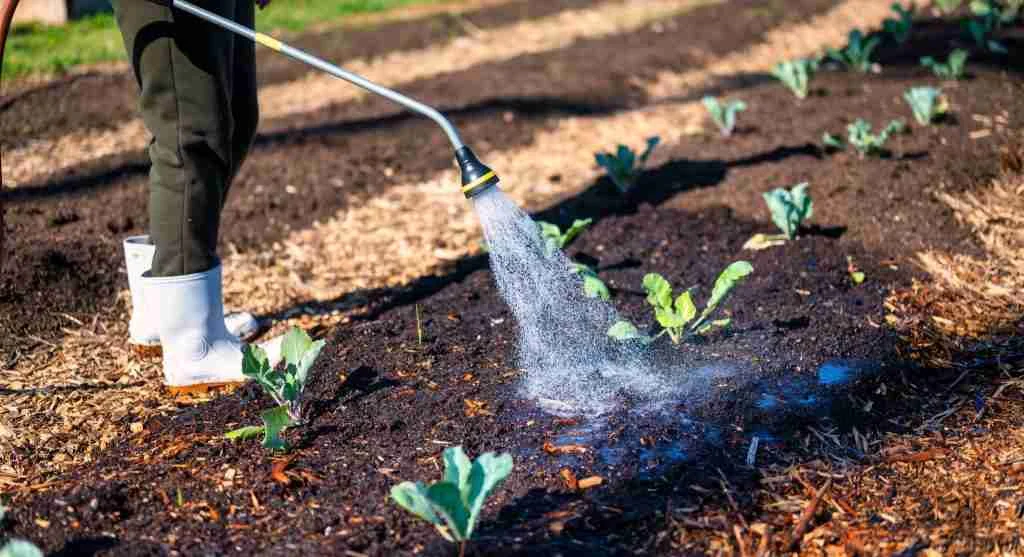
Once a crop is harvested, the bed often behaves differently than before. Open patches may dry faster, remaining plants may still need steady moisture, and the surface may respond differently to watering now that root pressure has changed. One of the most useful soil tips is adapting the watering routine to fit the bed’s new condition.
Water educators often explain that a partly cleared bed should not always be watered the same way as a fully planted one. A slower, more thoughtful approach usually helps the soil recover instead of creating sharp wet and dry shifts. This is especially important if the next crop is about to go in soon.
Refresh garden soil more effectively by treating it as a new stage of use. Watering should reflect what the bed is now, not only what it was during the last full crop.
Use Notes to Improve Each Replanting Step
One of the strongest soil tips for long-term success is writing down what helped a bed recover well between crops. Some beds may need more compost, some may need more surface protection, and others may simply need a little more time before replanting. Without notes, those differences are easy to forget.
Garden educators often recommend simple records such as what crop came out, what condition the soil was in, what was added back, and how well the next crop established. These notes make future choices quicker and help each planting cycle become more efficient.
Healthy garden beds often stay strong because growers keep learning from them. Notes make that learning easier to use from one planting round to the next.
Frequently Asked Questions
Q: What are the best soil tips between planting cycles?
A: Some of the best soil tips include clearing finished crops carefully, adding compost, checking moisture before working the bed, protecting the surface, and adjusting watering for the bed’s new condition. These habits help beds recover faster and stay more productive.
Q: How can gardeners refresh garden soil after one crop ends?
A: Gardeners can refresh garden soil by removing spent plants, adding a light compost layer, protecting the surface with mulch or compost cover, and checking soil texture before replanting. These steps help prepare the bed for the next crop.
Q: Why is it important to improve soil structure before replanting?
A: It is important to improve soil structure before replanting because roots establish better in balanced soil that holds moisture well and still allows air movement. A refreshed bed often supports a stronger next planting.
Q: Do healthy garden beds need rest between every crop?
A: Not always long rest, but they do usually need some recovery care. Many healthy garden beds can keep producing well when they are refreshed properly between crops instead of being replanted without attention.
Key Takeaway
These soil tips show that beds usually recover better between planting cycles when gardeners support the soil before expecting new growth. Careful cleanup, compost, surface protection, better timing, and adjusted watering all help refresh garden soil and improve soil structure for the next crop. Observing weak spots and keeping simple notes also strengthen future decisions. For many gardeners, the best soil tips are the ones that turn one finished planting cycle into a healthier start for the next one.