
Useful farm life tips can make busy weeks in a backyard growing space feel more manageable and less overwhelming. Some parts of the season bring planting, watering, harvesting, cleanup, and problem-solving all at once. When that happens, even a small space can feel harder to control than expected unless the work is organized in a simple and repeatable way.
Homestead educators, small-scale growers, and outdoor work planners often explain that the busiest weeks are not always solved by working longer. They are usually handled better by working more clearly. These farm life tips focus on how to improve backyard farm organization, simplify seasonal chores, and keep a busy garden routine moving more smoothly during active parts of the year.
Why Farm Life Tips Matter Most During Busy Weeks
Some garden weeks bring more tasks than others. A harvest may arrive at the same time weeds begin to spread, new beds need planting, and tools need to be moved from one area to another. If the yard already lacks clear routines, these stacked jobs can create clutter, delays, and missed steps very quickly.
Researchers who study small-scale production often note that regular systems become most valuable when pressure increases. A grower who already has a clear order for daily work, tool storage, and seasonal priorities is more likely to stay calm and consistent when several jobs overlap. That is why farm life tips matter so much during busy periods.
Backyard farm organization is not only about neatness. It is also about reducing friction when the season becomes active. A smoother system helps the grower keep up with important tasks before small delays turn into bigger problems.
Start Each Busy Week With a Short Priority List
One of the strongest farm life tips is beginning the week with a short list of the most important jobs rather than carrying everything in memory. When many seasonal chores overlap, it becomes easy to spend time on smaller tasks while urgent work waits too long. A short written list helps keep the week focused.
Outdoor planners often suggest limiting this list to a few high-value priorities. These may include watering checks, one planting task, harvest timing, supply replacement, or cleanup in a problem area. A short list works better than a long one because it is easier to return to during a busy garden routine.
Backyard farm organization improves when the grower knows what must be done first and what can wait. That clarity often makes the whole week feel more manageable from the start.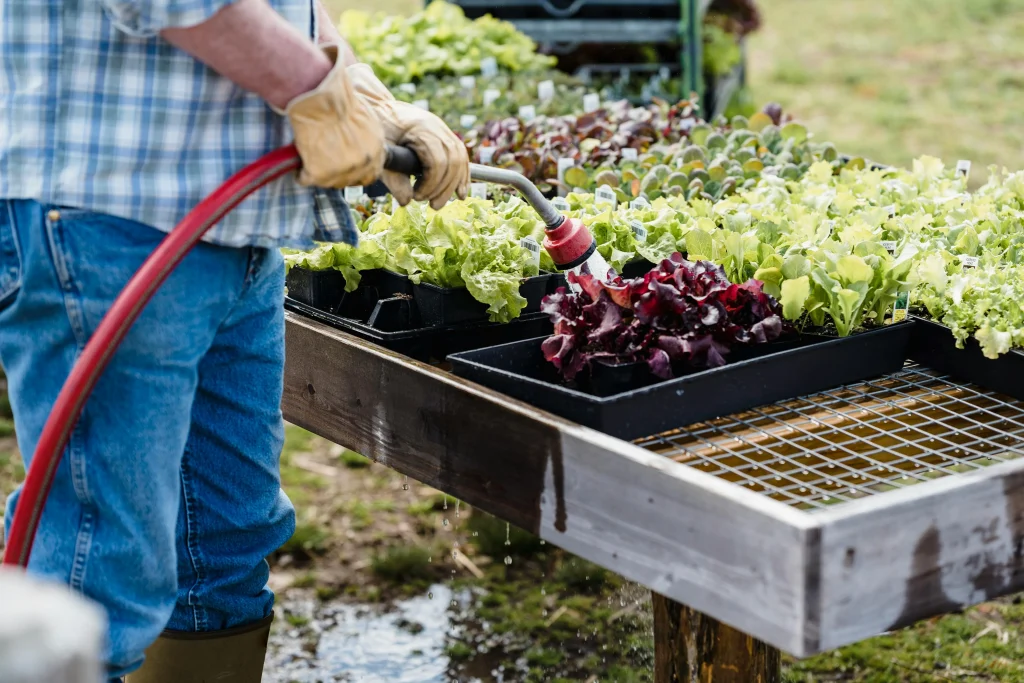
Credit: Greta Hoffman / Pexels
Keep Tools Returned to the Same Places Every Day
During busy weeks, lost time often comes from misplaced tools rather than difficult garden work. Gloves left near one bed, pruners set down in another corner, and empty baskets forgotten along the path can slow down simple tasks all week. One of the most practical farm life tips is returning commonly used tools to the same place every day.
Work-flow educators often explain that consistent tool placement saves time and reduces mental clutter. When growers already know where their essential tools are, it becomes much easier to start the next task without delay. Small storage spots close to main work areas are often more helpful than keeping everything in one distant location.
A busy garden routine runs more smoothly when tools don’t need to be searched for again and again. Simple storage habits often save more time than people expect.
Group Similar Seasonal Chores Together
Another useful farm life tip is to group similar tasks instead of spreading them out across the day. Watering checks, harvesting, seed-starting setup, and bed cleanup often go more efficiently when done in one focused block. This reduces repeated movement and helps maintain concentration.
Garden planners often point out that grouping tasks reduces the stop-and-start feeling that can make outdoor work seem more overwhelming than it really is. When all harvest baskets are collected at once and bed labels are checked in a single round, the workload feels more organized. It also helps prevent partially finished tasks from piling up in different areas.
Backyard farm organization tends to work best when tasks are handled in simple batches. Grouping chores can turn a busy week into a sequence that feels easier to manage and complete.
Use Work Zones So Busy Days Feel Less Scattered
One of the most effective farm life tips is setting up clear work zones before the busiest part of the season begins. A growing area, harvest zone, tool space, compost corner, and potting area can help separate tasks that might otherwise overlap and create clutter. Even smaller gardens benefit from having defined zones.
Outdoor work specialists often explain that zones reduce unnecessary movement and repeated setup. If harvest baskets always start in one spot and compost materials always go to another, fewer decisions are needed in the moment. This helps maintain a smoother routine during busy periods.
Seasonal tasks tend to stay simple when the space itself guides the workflow. Clear zones create that structure, making the entire garden feel more organized and easier to manage.
Credit: Barbara Olsen / Pexels
Protect Time for Quick Daily Checks Even on Heavy Weeks
One of the strongest farm life tips is keeping a few minutes for daily observation even when the week is already full. It may feel easier to skip the walk-through and jump straight into the biggest visible task, but short checks often prevent larger problems from building in the background.
Crop educators often recommend a quick pass through the garden to look for moisture issues, leaning supports, harvest-ready produce, or early signs of stress. This habit helps the grower notice what changed overnight and decide whether the week’s priorities need to shift. A five-minute check may save far more time later.
A busy garden routine becomes safer and clearer when observation stays part of it. The busiest weeks are often exactly when those small checks matter most.
Leave a Little Flex Time for Problems You Did Not Plan
One of the more overlooked farm life tips is leaving room in the week for the work that cannot be predicted in advance. Sudden heat, a broken support, a fast harvest, or one patch of unexpected stress can quickly change the plan. If every hour is already full, even a small surprise can push the whole system off balance.
Outdoor planners often explain that flexibility is part of good organization, not a sign of poor planning. A short open block in the week gives growers room to adjust when the garden asks for something different than expected. This makes backyard farm organization more realistic and more resilient.
Simple seasonal chores rarely stay perfectly simple all season long. A little space for change helps the week keep moving even when the garden does not follow the original plan exactly.
Keep Notes on Which Weeks Felt Hardest and Why
Every season has pressure points. Some weeks may feel heavy because harvest and planting overlap, while others may become difficult because tools were not ready or one bed took more time than expected. One of the most practical farm life tips is writing down what made a week hard so next time can be planned more clearly.
Homestead educators often suggest noting the main cause of pressure rather than recording every detail. A short note about a supply shortage, a crowded task list, or a path that slowed movement may be enough to improve the next busy week. These small notes help turn experience into a better system.
Backyard farm organization often gets stronger from season to season because the grower learns which weeks need more support. Notes make that learning easier to use.
Frequently Asked Questions
Q: What are the best farm life tips for managing busy weeks?
A: Some of the best farm life tips include making a short priority list, returning tools to the same place, grouping similar chores, using clear work zones, and protecting time for daily checks. These habits help busy weeks feel more manageable.
Q: How can growers improve backyard farm organization during active seasons?
A: Growers can improve backyard farm organization by simplifying weekly priorities, batching similar seasonal chores, and keeping the work space arranged so tools, baskets, and supplies are easy to reach.
Q: Why does a busy garden routine need flexibility?
A: A busy garden routine needs flexibility because weather, crop timing, and sudden small problems may change the plan quickly. Leaving room for adjustment helps the whole week stay on track.
Q: Are simple seasonal chores easier with a weekly plan?
A: Yes, simple seasonal chores are often easier with a weekly plan because the grower can see which tasks matter most and avoid spending too much time on smaller jobs first.
Key Takeaway
These farm life tips show that busy weeks often become easier when the work is simplified before pressure builds. Short priority lists, steady tool habits, grouped chores, clear work zones, daily checks, and a little flexible time all help support better backyard farm organization. Simple notes also make the next busy period easier to manage. For many growers, the best farm life tips are the ones that keep heavy weeks from feeling more complicated than they need to be.
[INTERNAL LINKING SUGGESTIONS]
- Farm Life Tips That Help Backyard Growers Keep Daily Work More Simple
- Garden Tips That Help Backyard Growers Notice Small Problems Before They Spread
- Water Saving Tips That Help Backyard Beds Stay Productive During Dry Weeks