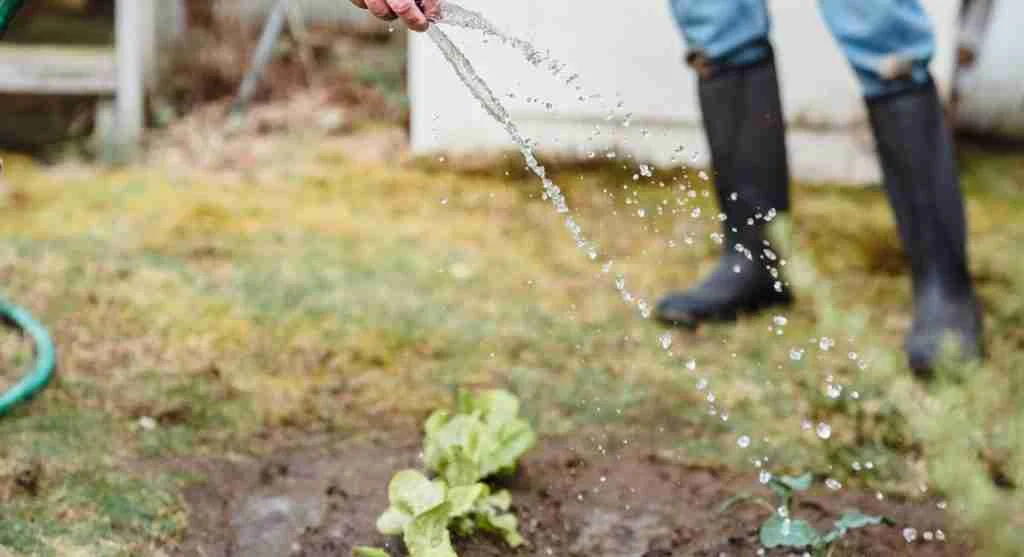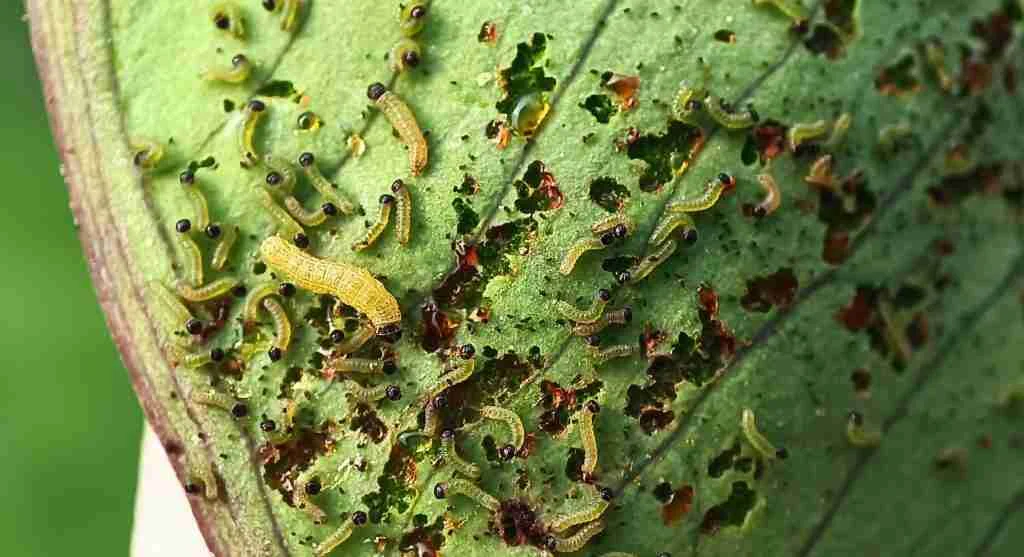


Useful pest control tips can help a backyard garden stay healthier when warm weather creates better conditions for insects to multiply and spread more quickly. Many pest issues seem small at first, but heat, dense plant growth, and fast-moving summer cycles can turn minor chewing or leaf damage into a wider problem sooner than many gardeners expect. A few steady habits can help keep the bed stronger and more manageable through active growing months.
Plant health educators, crop specialists, and experienced home growers often explain that backyard pest care works best when observation, spacing, cleanup, and timing all work together. Strong garden beds are usually easier to defend than stressed ones. These pest control tips focus on how to reduce warm weather garden pests, protect vegetable plants earlier, and support more balanced crop growth through the busiest part of the season.
Why Pest Control Tips Matter More in Warm Weather
Warm months often increase the speed of garden change. Plants grow faster, insects reproduce more actively, and small areas of damage may spread before the gardener has time to notice if routine checks are weak. Beds that looked clean and healthy a week ago may suddenly show chewing, curling leaves, or stressed new growth after a short shift in weather.
Researchers who study home crop health often note that plant stress and pest pressure frequently work together. A crop weakened by heat, uneven watering, or crowding may become more vulnerable, while a healthy crop often tolerates minor feeding better. This is why pest control tips matter so much during warm growing months. Better habits often protect the whole bed before damage becomes widespread.
To protect vegetable plants well, gardeners need more than a reaction after problems appear. They need a routine that makes early warning signs easier to catch and easier to correct.
1. Inspect the Garden More Often as Temperatures Rise
One of the strongest pest control tips is increasing inspection frequency during warm weather. A quick daily look or a careful check every couple of days often reveals damage while it is still small and limited. This is especially helpful during periods when plants are producing fresh soft growth that attracts insects more easily.
Garden educators often recommend checking under leaves, around growing tips, near flowers, and along the lower stems first. These areas often show the earliest signs of trouble. Small holes, sticky residue, leaf curl, clusters of insects, or pale new growth may all point to the start of a larger issue if ignored.
Backyard pest care becomes much easier when inspection is treated as part of the normal garden walk. A few careful minutes often prevent much larger work later in the week.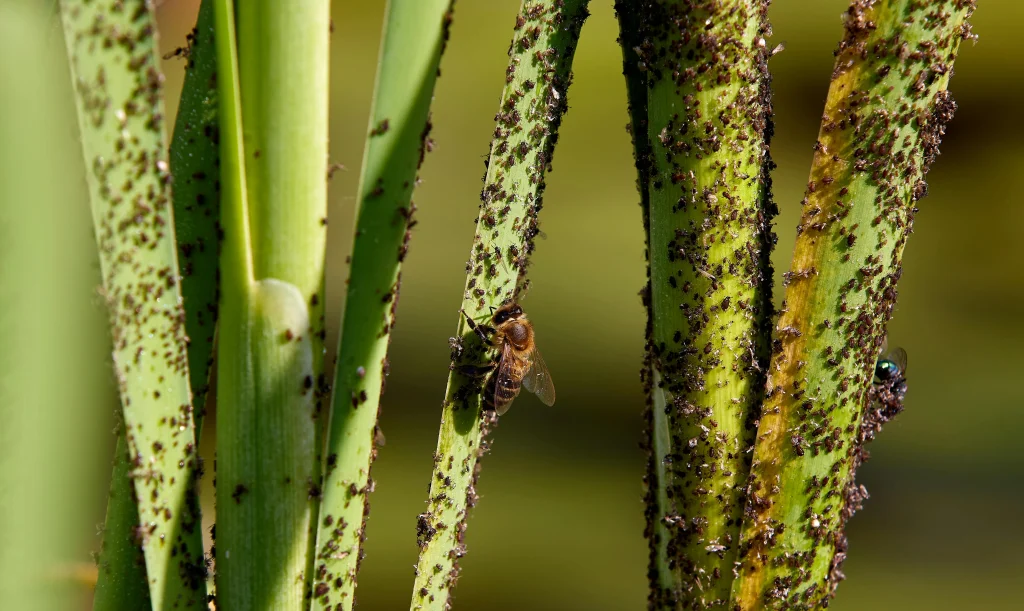
Credit: Philipp Fahlbusch / Pexels
2. Keep Beds Clean So Pests Have Fewer Places to Hide
One of the most practical pest control tips is keeping warm-season beds clear of damaged leaves, fallen produce, heavy weeds, and crowded debris. These materials often create cover where insects can remain unnoticed while conditions stay favorable. A cleaner bed is usually easier to inspect and easier to manage.
Garden care specialists often explain that cleanliness does not mean removing every natural material from the bed. It means taking away what is broken, crowded, rotting, or clearly interfering with healthy growth. Regular cleanup also supports airflow, which may reduce some of the stress that makes crops more vulnerable.
Warm weather garden pests often gain an advantage when the bed is difficult to read. A clear, tidy space helps gardeners notice changes sooner and respond more accurately.
3. Space Plants Well Enough for Air and Visibility
Another of the most useful pest control tips is proper spacing. Crowded plants may trap heat and moisture, limit visibility, and make it easier for insects to move across connected foliage. In warm weather, those conditions often create more pressure than gardeners expect.
Plant health specialists often note that spacing supports not only crop growth but also pest awareness. When leaves are easier to separate and stems are easier to see, the grower can check the crop more carefully and act sooner. Better airflow also helps reduce the extra strain that comes with crowded summer growth.
To protect vegetable plants, it helps to make the bed easier to inspect. Space is often one of the simplest support tools available in a backyard garden.
4. Support Strong Plants So They Handle Light Pressure Better
Some of the best pest control tips have less to do with the insect and more to do with the crop. Warm weather often stresses plants through dry soil, uneven watering, and rapid growth demands. A crop already under pressure is usually less able to recover from even small feeding damage.
Soil and crop educators often explain that steady moisture, mulch, compost, and sensible care help plants stay more resilient. These habits do not remove every insect from the bed, but they often reduce how much damage minor pest activity can cause. A stronger plant is usually easier to protect than a weak one.
Backyard pest care usually works best when plant health remains part of the plan. A healthier bed often responds more calmly and more successfully when pest pressure rises.
5. Start With Small and Gentle Responses First
One of the smartest pest control tips is not overreacting too early. Hand removal, trimming heavily damaged leaves, washing certain pests off with water, or adjusting plant covers may be enough when the issue is still small. Larger responses are not always necessary when the problem is caught early.
Crop educators often recommend matching the response to the amount of actual damage. A few insects on one crop do not need the same action as a fast-moving issue across several beds. Smaller steps followed by close observation often work well in a home garden setting.
To protect vegetable plants, gardeners often need calm judgment more than speed. Gentle early responses may solve the problem without adding extra stress to the bed.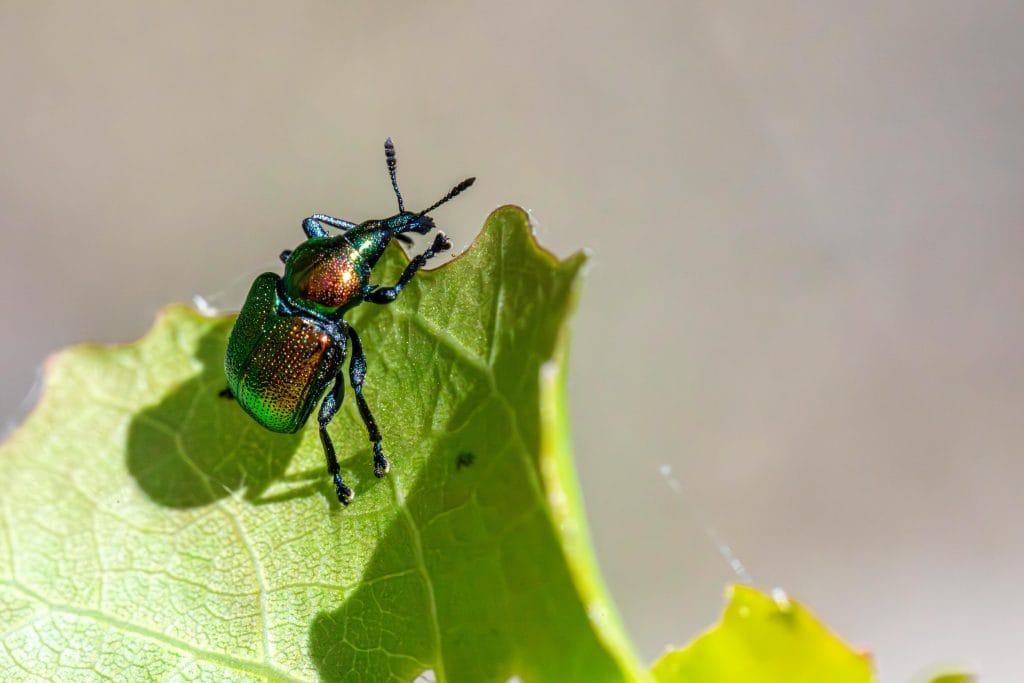
Credit: Erik Karits / Pexels
6. Watch Repeated Trouble Spots in the Same Bed
Not all pest issues appear everywhere equally. One corner may stay more humid, one crop may always attract chewing first, or one bed may show repeated stress during the same stage each year. One of the more practical pest control tips is paying attention to where problems begin again and again.
Garden planners often suggest noting which crops attract the first signs of damage, which bed edges are hardest to inspect, and which areas stay more crowded or warm than the rest. These patterns help gardeners decide where to focus cleanup, improve spacing, or check more closely during future weeks.
Warm weather garden pests often follow patterns. Once those patterns are noticed, garden care becomes more accurate and more preventive.
7. Use Harvest Time as Part of Pest Monitoring
One of the most effective pest control tips is using harvest as a chance to inspect plants more closely. While picking beans, herbs, peppers, cucumbers, or greens, the gardener is already touching stems and leaves. This often makes harvest one of the best times to notice insects, damage, or unusual plant stress.
Harvest educators often explain that repeated picking gives the grower a natural close-up view of the bed. It becomes easier to spot missing leaves, new clusters of damage, or changes in plant health while gathering food. This saves time because one task supports another.
Backyard pest care often improves when observation is built into everyday work instead of treated as a separate chore that may be forgotten on busy days.
8. Keep Notes on What Shows Up and When
One of the strongest pest control tips for long-term improvement is simple record-keeping. Warm weather garden pests often appear at similar times, on similar crops, or under similar conditions each season. A few notes can make next year’s response much quicker and more accurate.
Garden educators often suggest recording the crop, the type of damage, the timing, and what action helped most. These notes do not need to be detailed. Even short records can help reveal useful patterns and improve decisions later in the same season or in the next one.
To protect vegetable plants better over time, gardeners often need memory they can trust. Notes turn one year’s pest trouble into better readiness for the next.
Frequently Asked Questions
Q: What are the best pest control tips for warm weather gardens?
A: Some of the best pest control tips include checking plants more often, keeping beds clean, spacing crops well, supporting plant health, using gentle early responses, and watching repeated trouble spots. These habits help reduce pest pressure during warm months.
Q: How can gardeners protect vegetable plants during summer pest pressure?
A: Gardeners can protect vegetable plants during summer pest pressure by combining closer inspection with cleaner beds, better airflow, stronger watering and soil routines, and quick small corrections when early damage appears.
Q: Why do warm weather garden pests spread faster?
A: Warm weather garden pests often spread faster because heat supports quicker life cycles, rapid plant growth gives them more fresh material to feed on, and crowded beds may hide damage longer if checks are irregular.
Q: Is backyard pest care mostly about treatment?
A: No, backyard pest care is often more about observation, bed condition, and early prevention than about heavy treatment. Strong routine habits usually make direct action smaller and more effective.
Key Takeaway
These pest control tips show that warm-month garden care works best when growers combine close observation with healthier bed conditions. Frequent checks, cleaner beds, better spacing, stronger plant support, gentle early action, and simple notes all help reduce warm weather garden pests and protect vegetable plants more effectively. Harvest time can also double as a monitoring tool. For many gardeners, the best pest control tips are the ones that keep small problems from gaining speed during the hottest part of the season.