
Useful planting tips can help a backyard garden bed fill in more evenly instead of becoming crowded in one section and sparse in another. Many uneven beds begin with small early mistakes such as rushed spacing, uneven seed depth, poor crop placement, or planting into soil that was not prepared consistently across the whole area. A few thoughtful steps at the beginning often make the rest of the season easier.
Garden educators, crop planners, and experienced home growers often explain that even growth is not only about appearance. It also makes watering, harvesting, and problem solving much more manageable. These planting tips focus on how to create better planting setup, improve backyard bed spacing, and support more even garden growth from the start.
Why Planting Tips Matter for Bed Balance
When a bed grows unevenly, every routine task becomes harder. One side may shade the other, one patch may dry faster than the rest, and some crops may become hard to reach while others still look too small. This often leads to extra correction later in the season.
Researchers who study crop establishment often note that early uniformity supports better use of light, water, and root space. A bed that fills in more evenly is usually easier to inspect and easier to manage week after week. This is why planting tips matter before the bed looks full. Good balance begins long before maturity.
Better planting setup helps gardeners work with the bed as one system instead of constantly fixing one corner at a time. That often saves time and improves crop quality later.
Prepare the Whole Bed Before Any Planting Begins
One of the strongest planting tips is preparing the entire bed before placing a single seed or transplant. If one area is clumpy, one section is compacted, and another is loose and rich, the crops often start at different speeds from the first week. A more even surface usually supports a more even result.
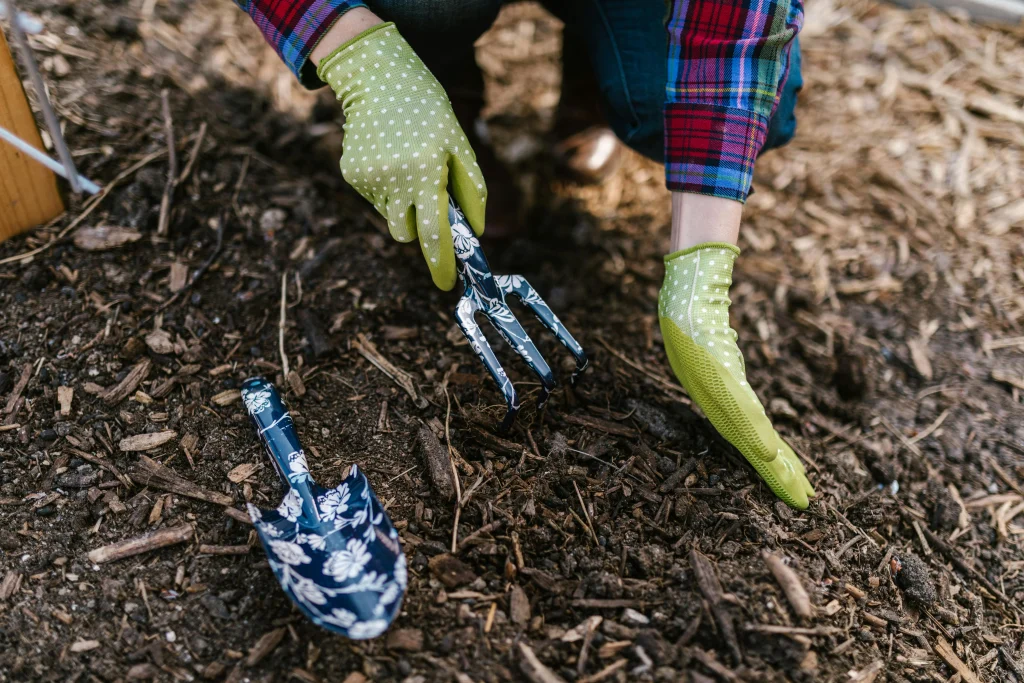
Soil educators often recommend loosening the upper layer gently, removing large clumps, and working in compost where needed before any spacing lines or planting holes are made. This helps roots enter more stable conditions and makes the whole bed easier to mark clearly for crop placement.
Even garden growth often begins with even soil preparation. When the bed feels more consistent from one end to the other, the crop has a better chance to establish in a balanced way.
Credit: RDNE Stock project / Pexels
Match Crop Size to the Right Part of the Bed
Another of the most useful planting tips is choosing bed positions based on future plant size, not only on how small the crop looks on planting day. Tall or spreading plants placed in the wrong area may quickly overwhelm smaller neighbors and create uneven light across the bed.
Garden planners often suggest placing larger crops where they will not block access or heavy sunlight from lower ones. This may mean keeping climbing plants toward the back, taller fruiting crops to one side, or lower-growing herbs and greens closer to the front or path edges. Better placement usually makes backyard bed spacing easier to maintain over time.
Better planting setup is often about planning for growth that has not happened yet. A little foresight early on can prevent major crowding later.
Use Clear Spacing Instead of Filling Every Open Spot
One of the most practical planting tips is resisting the urge to pack the bed too tightly. A newly planted bed often looks sparse at first, which makes some gardeners add extra seeds or transplants to fill every gap. But that early fullness usually becomes a later problem when plants mature.
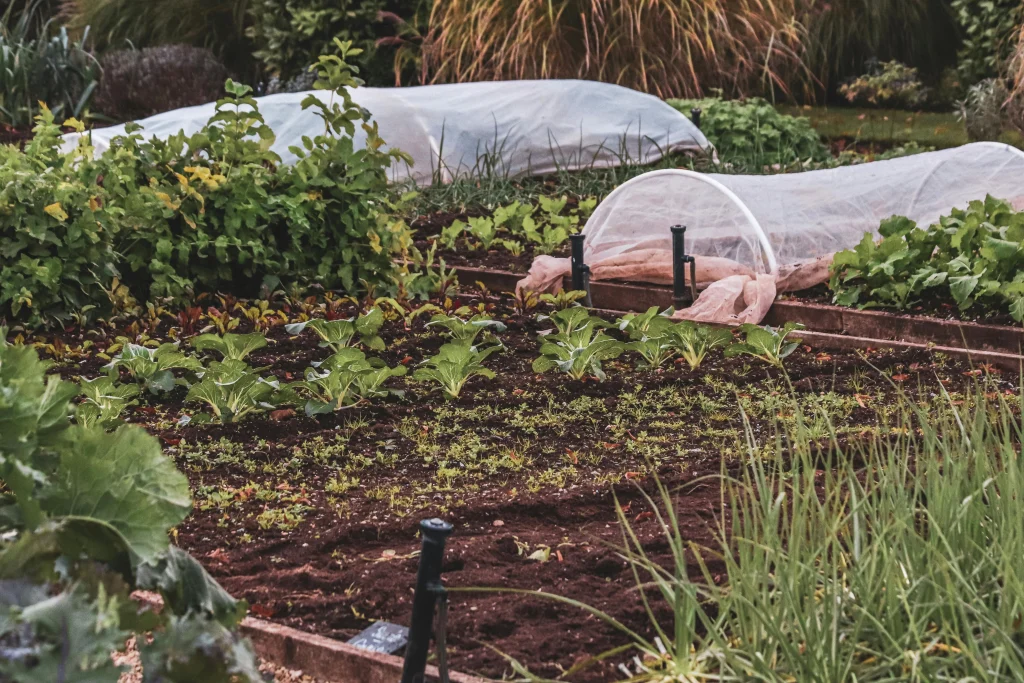
Crop educators often explain that correct backyard bed spacing supports airflow, root development, and easier maintenance. A bed that seems slightly open in the beginning often fills in naturally much faster than expected. Crowding tends to make watering, harvesting, and pest inspection harder once the season moves forward.
Even garden growth depends on giving plants room to develop in a balanced way. Open space at the beginning is often a sign of good planning, not wasted ground.
Keep Seed Depth and Planting Depth Consistent
One of the more overlooked planting tips is consistency in depth. Seeds buried too deeply may emerge later or not at all, while seeds placed too shallow may dry out or shift during watering. The same idea applies to seedlings, which usually establish better when planted at a steady and appropriate depth across the bed.
Seed and transplant educators often recommend checking crop-specific guidance and then keeping that depth as even as possible from one section to the next. This helps emergence happen more uniformly and makes the bed easier to thin, water, and observe.
Better planting setup often depends on small repeated details like this. Consistency across the row or bed usually matters more than speed during the first stage of growth.
Credit: Frank Schrader / Pexels
Water Newly Planted Beds Gently and Evenly
Watering habits matter just as much as spacing during the early stage. One of the smarter planting tips is watering the bed gently enough that seeds stay in place and moisture reaches the full planting zone instead of only one section. Uneven watering often leads to uneven emergence and uneven root development.
Water educators often recommend a softer spray or slower watering pattern immediately after planting. This helps avoid washing seeds into low spots or leaving one side of the bed much drier than the other. Even moisture helps the crop respond as one bed instead of several small separate patches.
Even garden growth often depends on even early moisture. A steady start under the soil usually leads to a steadier pattern above it later.
Thin Early So Stronger Plants Can Fill the Bed Properly
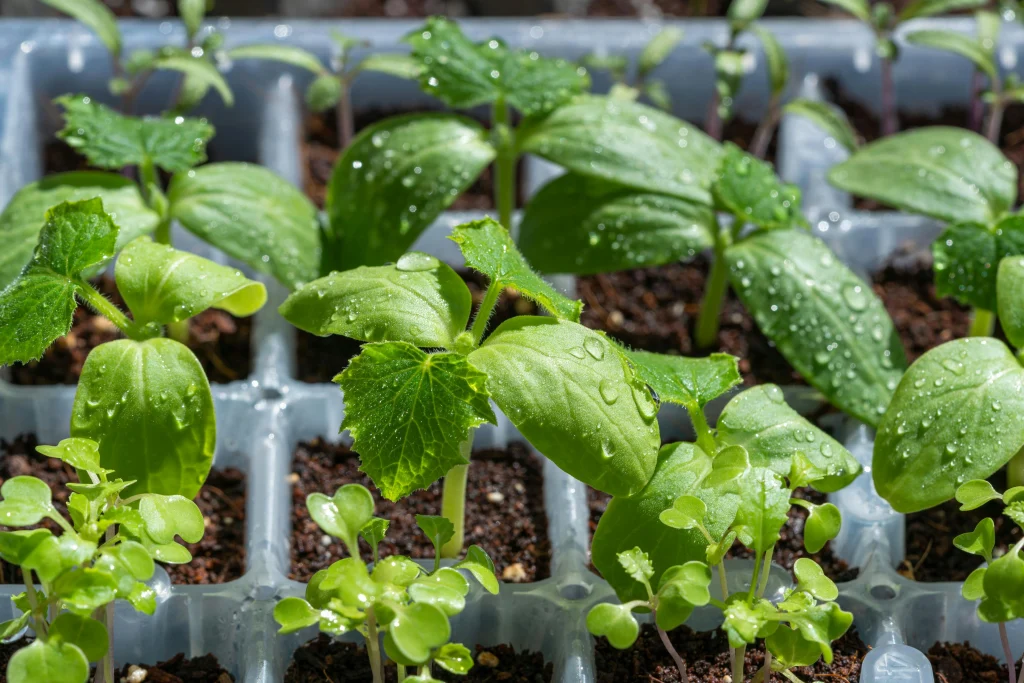
One of the strongest planting tips after emergence is thinning at the right time. Crowded seedlings often compete for the same light and root space, which can leave the bed looking patchy even though many plants are present. Thinning helps the remaining seedlings grow with more strength and better balance.
Plant educators often explain that thinning should happen before crowding becomes severe. It may feel wasteful at first, but it usually creates a healthier bed with better airflow and more uniform growth. The remaining plants often fill in better than a dense row of weak seedlings ever would.
Backyard bed spacing is not only decided on planting day. It also depends on follow-up decisions made once the crop starts to emerge.
Observe the Bed and Correct Small Imbalances Early
No planting plan stays perfect without observation. One corner may dry faster, one section may emerge slower, or one crop may begin shading another sooner than expected. One of the best planting tips is checking the bed early enough to make small corrections while they are still easy.
Garden educators often recommend simple notes about which rows emerged best, where spacing felt tight, and which crops filled in faster than expected. These notes help improve the next planting round and make future bed planning more accurate.
Better planting setup becomes easier over time because gardeners learn what their own beds do well and where adjustments help most. Observation turns one season into better structure for the next one.
Frequently Asked Questions
Q: What are the best planting tips for more even garden growth?
A: Some of the best planting tips include preparing the whole bed evenly, matching crop size to the right area, using clear spacing, planting at consistent depth, watering gently, and thinning seedlings on time. These habits help the bed fill in more evenly.
Q: Why does backyard bed spacing matter so much?
A: Backyard bed spacing matters because it affects airflow, light access, root development, and how easy the bed is to water and maintain. Good spacing supports more balanced growth over time.
Q: How can gardeners improve better planting setup in small beds?
A: Gardeners can improve better planting setup in small beds by preparing the bed fully before planting, placing larger crops carefully, avoiding overcrowding, and correcting small imbalances as soon as they appear.
Q: Is even garden growth possible if the first planting was not perfect?
A: Yes, even garden growth can still improve with early thinning, better watering, and small layout corrections. Quick action usually helps more than waiting for the bed to sort itself out later.
Key Takeaway
These planting tips show that balanced beds usually begin with thoughtful setup instead of later correction. Even preparation, careful backyard bed spacing, crop placement, consistent depth, gentle watering, and early thinning all help support more even garden growth. Small observations and quick corrections strengthen the result even more. For many gardeners, the best planting tips are the ones that help the whole bed fill in steadily instead of becoming crowded in one area and weak in another.