
Useful growing hacks can help backyard gardeners get more from the same bed by pairing fast and slow crops together instead of planting each area for only one harvest speed. Many garden beds look partly empty during the early weeks of the season because larger vegetables need time to spread. At the same time, smaller and quicker crops could be growing in that open space if the layout is planned more carefully from the start.
Garden educators, crop planners, and experienced home growers often explain that better timing can make a small garden feel much more productive. A bed does not always need to hold only one kind of crop at one growth speed. These growing hacks focus on how to pair fast and slow crops, use garden space better, and keep steady backyard harvests moving through more of the season without making the bed feel crowded or confusing.
Why Growing Hacks Matter When Garden Space Is Limited
Many backyard beds spend part of the season in an in-between stage. Newly planted tomatoes, peppers, cabbages, or squash may need weeks before they fully occupy the area around them. During that time, open soil often sits unused even though it receives light, water, and attention just like the rest of the bed. In a small garden, that unused space can matter a lot.
Researchers who study home food growing often note that timing and spacing strongly affect total productivity. A bed that produces only one slow crop may still be useful, but a bed that also carries one quick early crop often gives more harvest from the same footprint. This is why growing hacks around crop timing matter so much. Better timing can increase usefulness without requiring a larger yard.
To use garden space better, it helps to think about when each crop needs room, not only how much room it needs on planting day. That shift often changes the whole way a backyard bed is planned.
Choose One Main Slow Crop First
One of the strongest growing hacks is deciding which slower crop will be the main long-term crop in the bed. Tomatoes, peppers, eggplant, cabbage, broccoli, and similar plants often take longer to mature and need their space later in the season even if they look small at first. Once that main crop is chosen, the faster crop can be planned around it more intelligently.
Garden planners often recommend starting with the crop that will stay in the bed longest and grow largest. This helps prevent the faster crop from being treated as the main event when it is really only meant to fill early open space. Clear priority makes the later transition easier and helps avoid crowding once the slower crop begins to expand.
Steady backyard harvests usually begin with good structure. The slower crop often provides that structure, while the quicker crop adds early value around it.
Use Quick Crops That Finish Before Crowding Begins
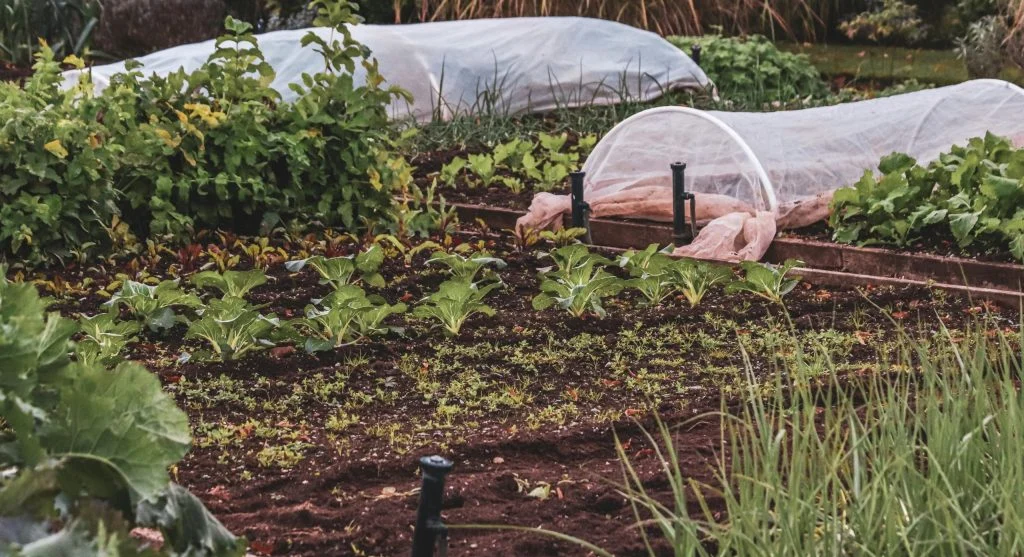
Another of the most useful growing hacks is choosing quick crops that will be harvested before the slower crop truly needs the space. Leaf lettuce, radishes, arugula, baby greens, green onions, cilantro, and some herbs often work well for this purpose because they grow fast and can be removed early without disrupting the bed too much.
Crop educators often explain that the best quick crops for pairing are the ones that grow, harvest, and clear out before the larger plant reaches its widest stage. This allows the bed to stay productive in its early phase without causing trouble in its later phase. Timing matters more than simple plant size.
To pair fast and slow crops well, gardeners usually need crops that respect each other’s timeline. A quick crop that stays too long may become part of the problem instead of part of the solution.
Think in Stages Instead of Planting Everything for the Same Week
One of the smarter growing hacks is planning the bed as a sequence instead of one fixed moment. In the first stage, the quick crop uses the extra light and open soil. In the second stage, the quick crop is harvested or thinned out. In the third stage, the slower crop takes full control of the bed as its roots and leaves expand.
Garden educators often note that this staged thinking helps gardeners see the bed more clearly. The bed is not failing because it looks open at the start, and it is not overcrowded later if the faster crop has already done its job. Instead, the bed is moving through a planned sequence. That makes the layout easier to understand and easier to manage.
Growing hacks often work best when they help the gardener think in time as well as in space. A small bed can be much more useful when its stages are planned in advance.
Keep Watering and Harvest Access Simple
One of the more practical growing hacks is making sure the quick crop does not interfere with the care needs of the slower one. If early greens or herbs make it hard to water the base of tomatoes or reach the root zone of peppers, the pairing may not be helping the bed as much as expected.
Water educators and garden planners often recommend leaving clear access points around the slower crop from the beginning. This may mean planting quick crops in strips, clusters, or front sections rather than filling every gap randomly. A bed that is hard to water or inspect loses much of the benefit of mixed timing.
To use garden space better, it helps to keep the layout simple enough that harvest and watering still feel natural. Extra production should not create extra confusion.
Harvest the Fast Crop on Time So the Slow Crop Can Expand
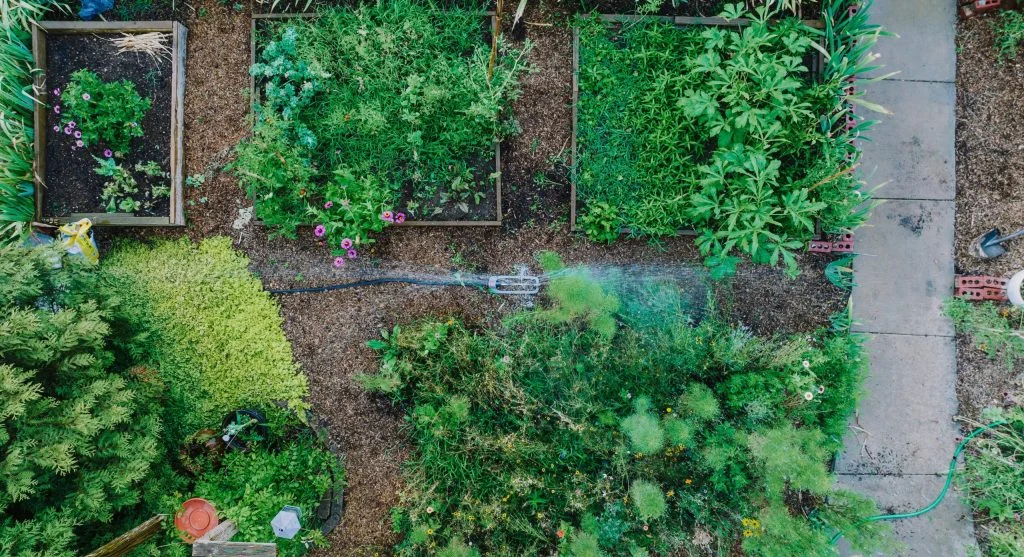
One of the strongest growing hacks in this system is knowing when the quick crop has finished its role. If fast greens, herbs, or roots remain in place too long, they may begin competing with the larger crop just as it enters its most important growth stage. What helped at first may then begin slowing the main crop down.
Harvest educators often explain that timing the harvest well is what makes this method succeed. The quick crop should leave while it is still useful, not after it becomes oversized or neglected. That gives the slower crop the space it was always meant to have and keeps the bed moving cleanly from one stage to the next.
Steady backyard harvests often depend on knowing not only when to plant but also when to get out of the way. A fast crop succeeds when it finishes before crowding begins.
Match Crop Height and Light Needs Carefully
One of the better growing hacks is choosing combinations that make sense above the soil as well as below it. Quick crops that stay low and mature early often work well around slower upright crops. But if both crops need the same space or if the quicker crop shades the slower one too much at the wrong time, the pairing may become less useful.
Garden planners often suggest keeping low quick crops around taller developing plants rather than pairing crops that will compete for the same layer of light. This helps maintain order in the bed and protects the slower crop while it is still building strength. Light planning can matter just as much as harvest speed.
To pair fast and slow crops wisely, gardeners often need to think about timing, height, and final size together. Good combinations usually look simple because they were planned carefully.
Keep Notes on Which Pairings Worked Best
One of the most useful growing hacks for future seasons is writing down which crop pairings worked and which ones felt awkward. Some beds may do very well with lettuce around peppers, while others may work better with radishes around tomatoes or herbs beside slower brassicas. Without notes, these small successes are easy to forget.
Garden educators often recommend recording the slow crop, the quick crop, planting time, harvest timing, and whether the transition felt smooth. These notes help improve later bed planning and make future plantings more efficient. Over time, the gardener builds a stronger list of combinations that fit that yard and routine well.
Backyard growing ideas often become more practical when they are based on what truly worked before. Notes help turn one good pairing into a reliable system.
Frequently Asked Questions
Q: What are the best growing hacks for pairing fast and slow crops?
A: Some of the best growing hacks include choosing one main slow crop first, using a quick crop that finishes early, planning the bed in stages, keeping watering access clear, and harvesting the quick crop before crowding starts. These steps help the bed stay productive longer.
Q: How can gardeners use garden space better with mixed crop timing?
A: Gardeners can use garden space better by planting fast early crops in the open areas around slower long-season crops, then clearing those quick crops before the larger plants need full room to expand.
Q: Why does pairing fast and slow crops help steady backyard harvests?
A: Pairing fast and slow crops helps steady backyard harvests because the fast crop gives an earlier return from the bed while the slow crop is still developing. This keeps the same bed productive across more of the season.
Q: What kinds of fast crops usually work best for this method?
A: Quick leafy greens, radishes, green onions, baby herbs, and other small early crops often work well because they are usually harvested before the larger main crop begins to dominate the bed.
Key Takeaway
These growing hacks show that a backyard bed can often produce more when fast and slow crops are planned together instead of separately. A strong main crop, a quick early crop, clear staging, good access, timely harvest, and smart crop matching all help use garden space better and support steadier backyard harvests. Notes make future combinations even stronger. For many gardeners, the best growing hacks are the ones that let one bed do useful work in more than one phase of the season.