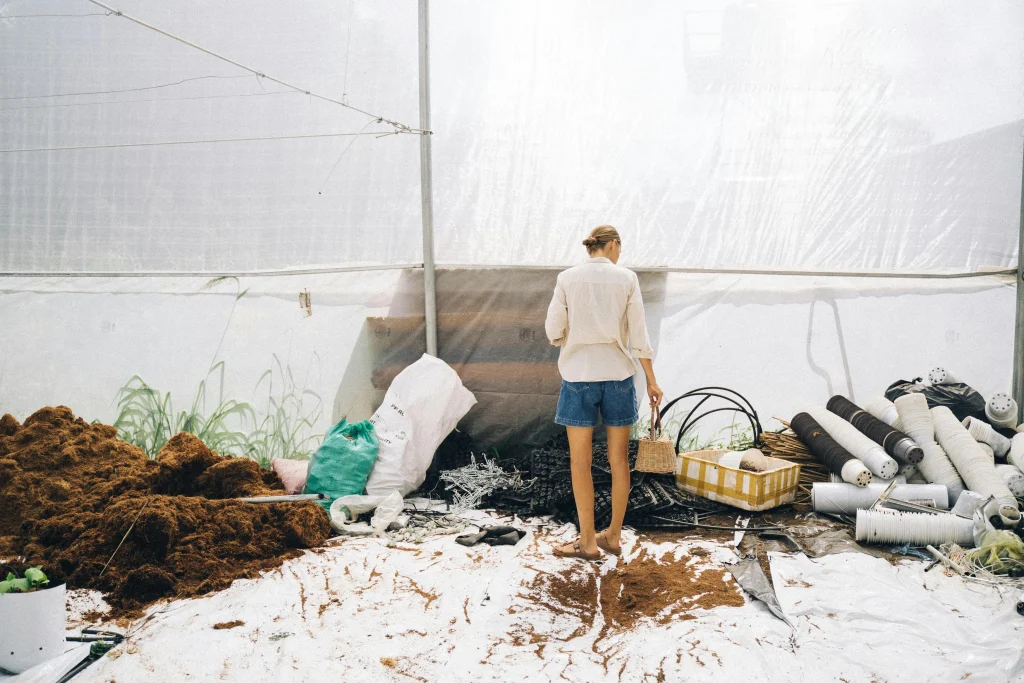

Useful farm life tips can make a backyard growing space feel easier to use every single day. Many delays in outdoor work do not come from difficult gardening tasks. They come from cluttered tables, missing tools, crowded paths, and work areas that are never quite ready when the next job begins. A few small systems can help the whole space stay more practical and less tiring.
Homestead educators, outdoor planners, and experienced backyard growers often explain that daily flow matters more than perfection. A growing space does not need to look fancy to work well. It simply needs to be set up in a way that supports the tasks that happen again and again. These farm life tips focus on how to improve backyard work area setup, simplify daily outdoor chores, and build a more organized garden workspace through steady habits.
Why Farm Life Tips Matter in Work Areas
Even a small backyard growing setup can involve many repeated actions. Watering cans need filling, harvest baskets need carrying, gloves need storing, and hand tools need to stay easy to find. If the work area is disorganized, every one of those tasks takes longer than it should.
Researchers who study small-scale outdoor work often note that better organization improves follow-through. When work spaces are ready to use, gardeners are more likely to complete short tasks on time instead of postponing them. That often leads to better crop care and less weekly stress overall.
Farm life tips matter because they make the space support the work instead of slowing it down. A ready work area often helps a whole garden run more smoothly through the season.
1. Keep the Main Work Surface Clear Enough to Use Quickly
One of the strongest farm life tips is keeping at least one work surface ready for immediate use. Seed trays, extra pots, old labels, broken ties, and scattered tools often pile up on the first available table. Once that surface is blocked, every later task becomes less convenient.
Outdoor work educators often recommend treating one bench, table, or flat surface as an active work zone instead of a storage shelf. This gives gardeners a reliable place for potting, sorting, trimming, labeling, or setting down a harvest basket during busy days. A clear surface saves time in small but repeated ways.
An organized garden workspace often begins with one ready spot where work can start without first clearing a mess. That simple habit can improve daily flow more than people expect.
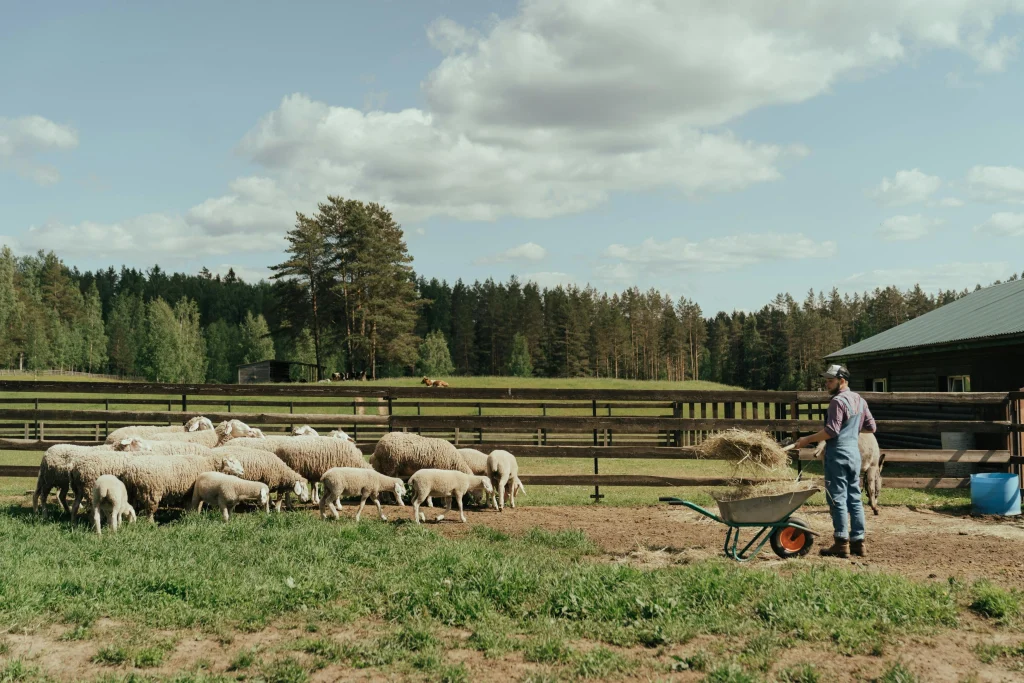
Credit: cottonbro studio / Pexels
2. Store the Most Used Tools Near the Jobs They Support
Another of the most practical farm life tips is keeping common tools close to where they are used most often. Pruners, gloves, small trowels, twine, harvest scissors, and markers often travel around the yard and disappear at the exact moment they are needed next. Better storage cuts that problem down quickly.
Garden planners often suggest small storage points instead of one crowded place for everything. A weather-safe bin near the beds, hooks beside the work table, or a basket near the door may keep tools much easier to reach. This reduces repeated searching and helps the grower move through daily outdoor chores with less interruption.
Backyard work area setup often improves when the tools match the zone. When items live near the jobs they support, the whole routine feels lighter.
3. Use Baskets or Bins for Task-Based Supplies
One of the smartest farm life tips is organizing supplies by task instead of by random type. A harvest basket, a seed-starting tray, a support-ties container, or a cleanup bin often makes more sense than mixing all small items together in one crowded drawer or box.
Outdoor organization experts often explain that task-based storage saves time because the gardener grabs one group of useful items instead of gathering them piece by piece. A simple basket for harvest, one for bed maintenance, and one for seed-starting can keep the yard much easier to work through on busy days.
An organized garden workspace becomes more useful when supplies are grouped by real activity. This kind of setup helps small jobs start faster and finish with less confusion.
4. Keep Paths Around Work Areas Easy to Move Through
One of the more overlooked farm life tips is keeping the space around the work area open as well. A table may be neat, but if buckets, trays, or stacked pots block the path beside it, the space still becomes awkward to use. Good movement matters just as much as good storage.
Outdoor work planners often explain that open paths reduce accidental spills, dropped harvests, and repeated frustration during busy times. A clear route between the work surface, water source, and growing beds supports faster and safer movement during the day. It also makes cleanup easier at the end of a work session.
Backyard work area setup works best when the gardener can move through it comfortably. Easy access often matters more than having more equipment or more surfaces.
5. Reset the Space at the End of the Day Instead of the End of the Week
One of the strongest farm life tips is doing a short reset after work rather than waiting until everything has built up for days. A few minutes of returning tools, emptying baskets, stacking containers, and clearing the table often prevents a much bigger cleanup later.
Garden educators often explain that end-of-day resets protect momentum. The next morning starts more smoothly when the work area already feels ready. This helps daily outdoor chores feel lighter because the grower does not spend the first part of the session undoing yesterday’s clutter.
An organized garden workspace often stays organized not because it never gets messy, but because it is reset before the mess becomes normal.
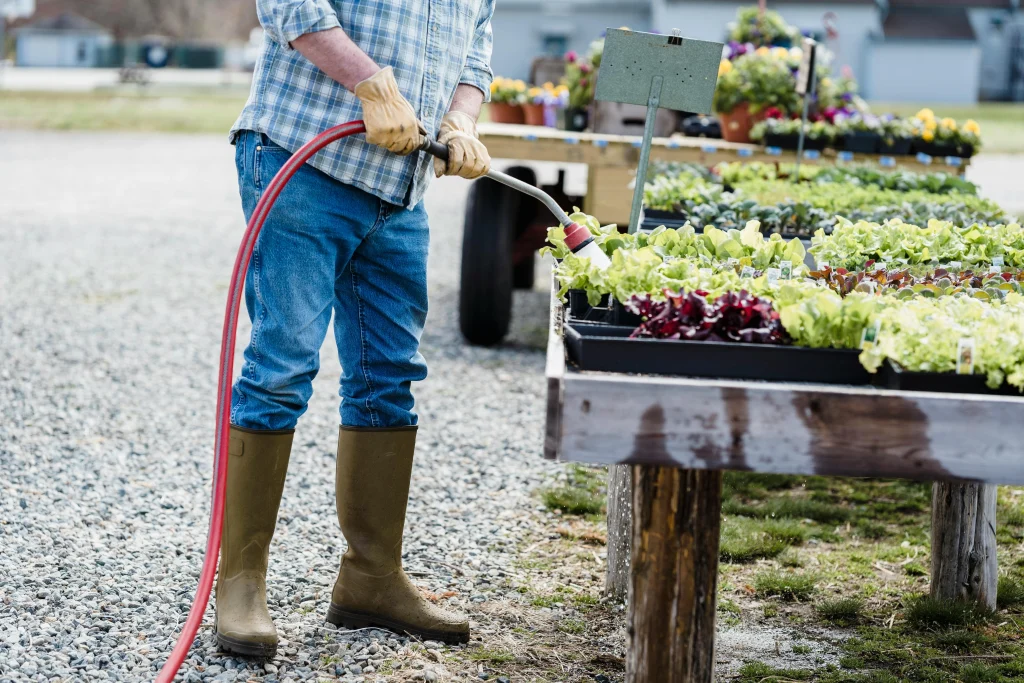
Credit: Greta Hoffman / Pexels
6. Keep One Area Ready for Harvest Handling
Harvest weeks become easier when there is a clear place to set baskets, sort produce, and prepare crops to move indoors. One of the more useful farm life tips is treating this as its own work zone rather than placing harvests wherever there happens to be room that day.
Harvest and storage educators often note that produce quality improves when the space used for handling is clean, shaded, and ready before the picking starts. Even a small bench or table can work if it stays available and is not already covered in unrelated tools or materials.
Daily outdoor chores often become less stressful when harvest does not interrupt every other task. A dedicated spot helps the flow stay clearer from bed to kitchen.
7. Make the Work Area Comfortable Enough to Use Often
One of the simplest farm life tips is making the work space pleasant enough that it encourages regular use. A small shade spot, a place to set a drink, dry storage for gloves, or a stable seat can make longer or repeated chores feel much easier. Practical comfort often supports better routine.
Outdoor health guidance often shows that small comforts reduce fatigue and help workers stay focused longer. In a backyard setting, this may also make the grower more willing to do short jobs right away instead of postponing them. The more usable the work area feels, the more consistent the routine often becomes.
Backyard work area setup does not need to be elaborate. It simply needs to support the person doing the work as well as the tools and supplies being used.
8. Use Notes to Improve the Setup Over Time
No work area is perfect from the beginning. Some tools may belong in a different spot, some bins may be too small, and some surfaces may fill too quickly. One of the most practical farm life tips is keeping short notes on what keeps slowing the work down.
Garden educators often recommend recording repeated small annoyances such as blocked paths, missing gloves, crowded tables, or awkward harvest flow. These notes help growers make better changes week by week instead of living with the same delays all season.
An organized garden workspace often becomes stronger through simple adjustments rather than one complete redesign. Notes help those adjustments happen more clearly and more quickly.
Frequently Asked Questions
Q: What are the best farm life tips for organizing backyard work areas?
A: Some of the best farm life tips include keeping one work surface clear, storing common tools near the job zones, using task-based baskets, keeping paths open, and doing short daily resets. These habits help the space stay ready to use.
Q: How can gardeners improve backyard work area setup?
A: Gardeners can improve backyard work area setup by clearing clutter from the main work surface, placing common tools closer to the beds, making space for harvest handling, and keeping movement around the work zone easy.
Q: Why do daily outdoor chores feel harder in a messy work area?
A: Daily outdoor chores often feel harder in a messy work area because tools are harder to find, paths are blocked, and every task begins with extra cleanup or searching. Better order reduces that repeated friction.
Q: What makes an organized garden workspace more useful?
A: An organized garden workspace is more useful when it has a clear work surface, easy tool access, open paths, task-based storage, and a simple reset habit that keeps it ready each day.
Key Takeaway
These farm life tips show that daily garden work becomes easier when the work area is ready before each task begins. Clear surfaces, nearby tools, task-based bins, open paths, daily resets, and a simple harvest zone all help improve backyard work area setup and support an organized garden workspace. Comfort and simple notes also make the space more useful over time. For many growers, the best farm life tips are the ones that reduce small daily delays before they turn into bigger frustrations.