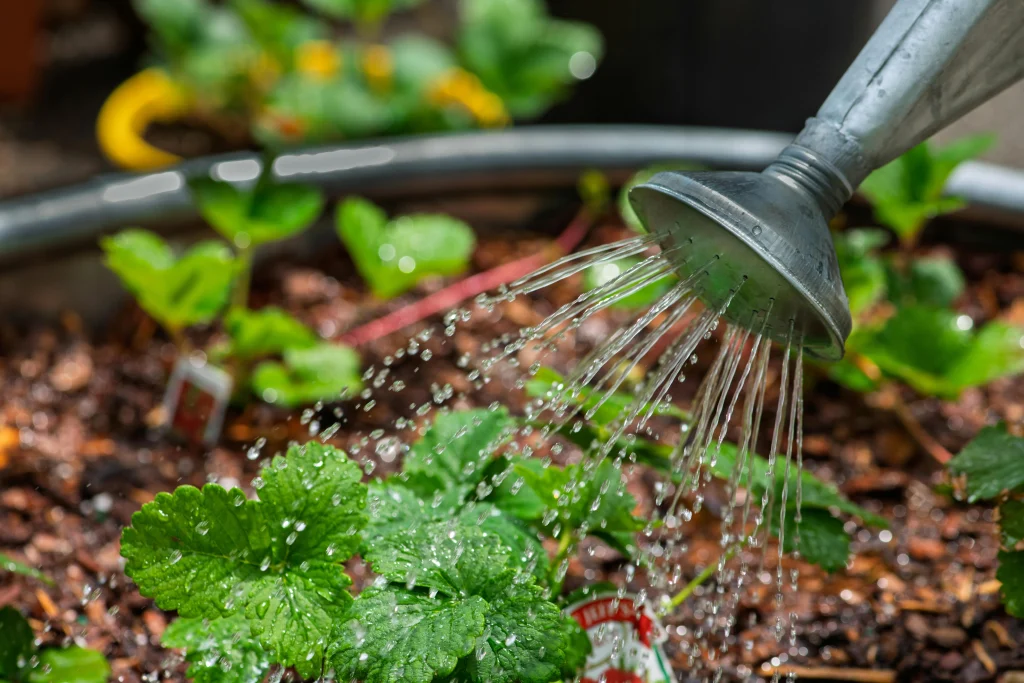

Practical water-saving tips can help backyard gardeners get more value from spring rain instead of losing moisture too quickly or adding extra watering before it is needed. Spring often brings mixed weather, with rain followed by wind, sun, or quick temperature changes. A few smart habits can help beds hold water longer and support steadier plant growth without wasting time or resources.
Water educators, soil specialists, and experienced home growers often explain that saving water in garden spaces begins with observation. Rain alone does not guarantee that every bed is evenly supplied, and not every wet surface means the root zone is fully supported. These water-saving tips focus on how to reduce water waste, use spring moisture more effectively, and build better habits before summer heat increases demand.
Why Water Saving Tips Matter in Spring
Many gardeners think water saving becomes important only in summer, but spring is often when the foundation for better moisture habits is built. Beds may receive rain, yet still lose water quickly if the soil surface stays bare, if wind dries the top layer fast, or if gardeners begin watering again without checking what the bed already holds.
Researchers who study home garden systems often note that moisture balance matters more than repeated heavy watering. Plants grow better when water is held steadily in the root zone rather than swinging from very wet to very dry. This is why water-saving tips matter early in the season. Better spring habits often shape the way the garden handles warmer months later.
Spring garden watering works best when it responds to actual conditions. Rain can help the whole yard, but only careful use of that moisture helps it last long enough to reduce extra work later.
Check the Soil After Rain Instead of Assuming the Bed Is Fully Watered
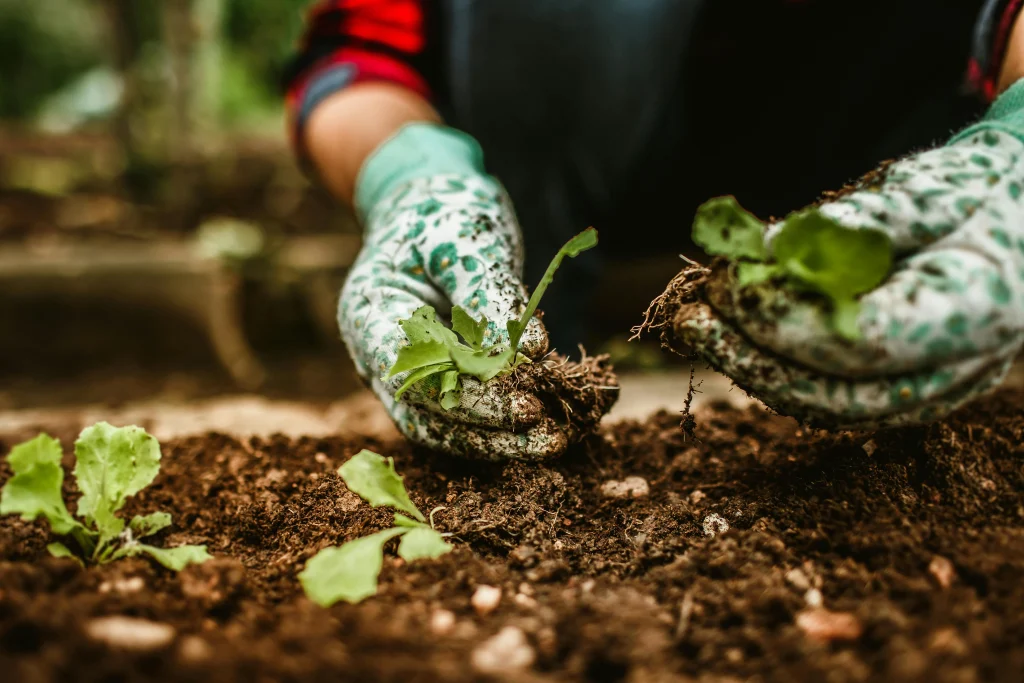
One of the most useful water-saving tips is checking soil moisture after a spring rain before deciding what the garden needs next. A wet-looking surface does not always mean water reached the full root zone, especially in beds with uneven structure or mulch gaps. On the other hand, some beds may hold enough moisture for several days after a good rain.
Water educators often recommend checking below the surface with a finger or a small hand tool. This gives a better sense of whether the bed is only damp on top or truly supplied deeper down. A simple check can prevent unnecessary watering and help gardeners reduce water waste early in the season.
To save water in garden beds, observation matters as much as action. Better checking often means fewer guess-based watering sessions and more accurate care overall.
 Credit: Helena Lopes / Pexels
Use Mulch Early to Hold Spring Moisture Longer
Mulch is one of the strongest water-saving tips because it helps keep spring rain in the bed instead of letting it disappear quickly through the sun and wind. Many gardeners wait until the heat arrives before mulching, but an earlier mulch layer often helps protect moisture from the start of the active season.
Soil and moisture specialists often recommend organic mulch such as straw, shredded leaves, or similar untreated material for vegetable beds. This layer helps reduce evaporation, soften the impact of heavy rain, and keep the soil surface more stable between wet and dry periods. It also supports efforts to reduce water waste later in the season.
Spring garden watering often becomes easier when mulch is already in place. With the soil protected, gardeners can usually respond to actual plant needs more calmly rather than trying to correct fast moisture loss after each sunny day.
Guide Rainwater Into the Bed Instead of Letting It Run Away
Another helpful set of water-saving tips involves paying attention to how water moves through the yard. Some beds receive rain well, while others lose part of it to runoff because the surface is sloped, exposed, or uneven. A few small adjustments can help more spring moisture stay where plants can use it.
Garden planners often explain that defined bed edges, light surface shaping, and healthy soil structure all help slow water movement and allow better absorption. The goal is not to trap standing water, but to help rain soak in rather than slide away too quickly. This is especially useful in compact gardens where every watering advantage matters.
To save water in garden spaces, it helps to work with rainfall instead of assuming it always falls where it is needed most. Better bed design often improves moisture use without adding equipment.
Delay Extra Watering When Cool Weather Slows Drying
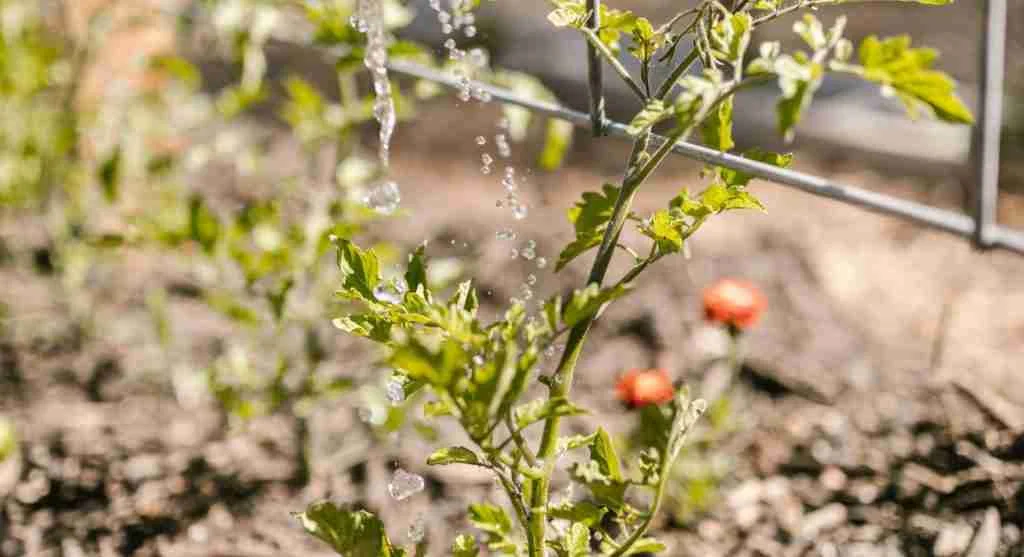
Spring can be misleading because a few bright hours may make the surface look dry even while cool nights and recent rain keep the root zone moist. One of the more practical water-saving tips is delaying extra watering until the soil has truly begun to dry, where roots are active.
Water educators often note that cool-season conditions slow moisture loss compared with summer heat. Beds may not need the same watering frequency, even if plant growth is increasing. Gardeners who keep watering on a fixed schedule may add more than the bed needs during these cooler periods.
Reducing water waste often comes down to patience. Waiting one more day, checking the soil again, and responding to the real condition of the bed can prevent unnecessary watering and protect root health.
Improve Soil Structure So Spring Rain Stays More Useful
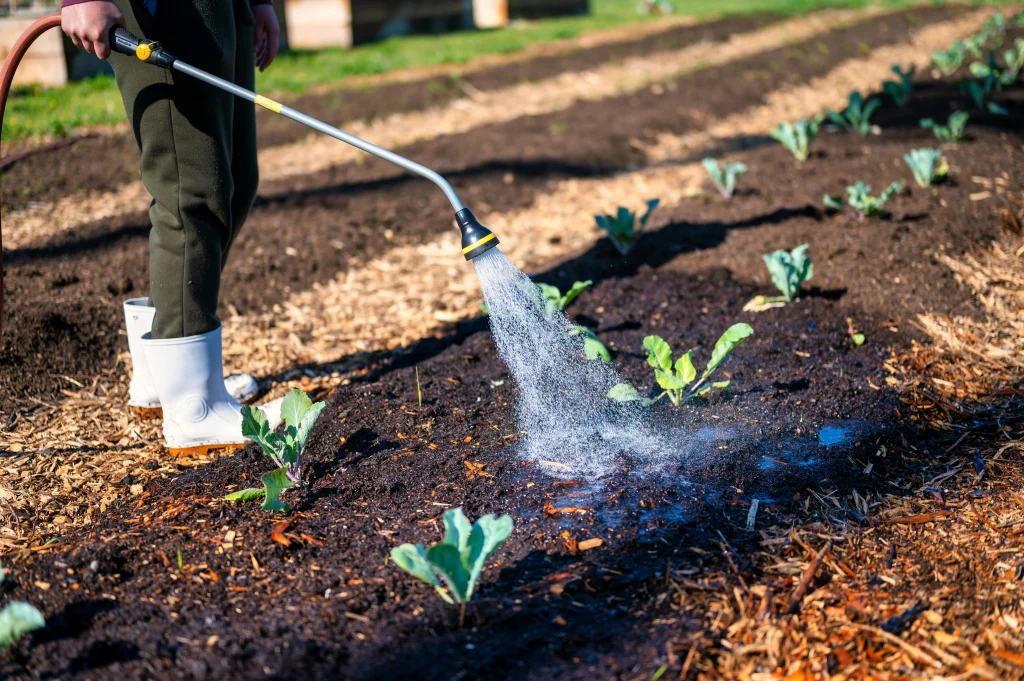
Water saving tips work better when the soil can absorb and hold moisture in a balanced way. Compacted ground may shed rain from the surface, while weak soil low in organic matter may not keep moisture stable for long. Compost and gentle bed care can help improve these conditions over time.
Soil specialists often explain that better structure allows water to move into the bed more evenly and remain available to roots for longer. This is an important part of spring garden watering because rain is most useful when the bed can actually store it well. Healthy soil also helps reduce the sharp swings between mud and dryness.
To reduce water waste, gardeners should think beyond the watering can or hose. Stronger soil often makes every rain event more valuable and every future watering session more effective.
 Credit: Alfo Medeiros / Pexels
Group Crops by Moisture Need as the Season Develops
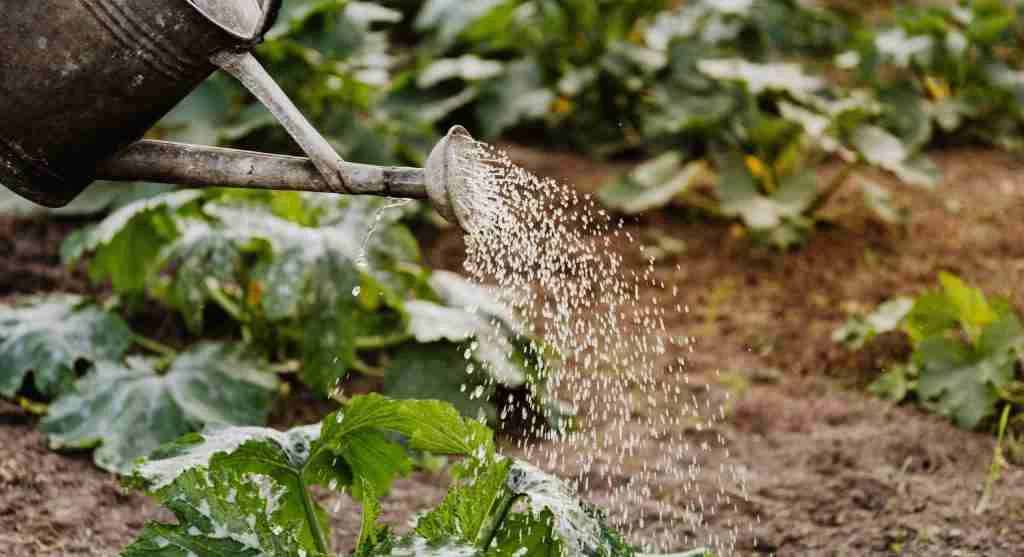
Spring beds may hold a mix of crops that do not all use water at the same rate. One of the more useful water saving tips is grouping plants with similar moisture needs as much as possible. This helps gardeners avoid overwatering one section while trying to support another.
Garden planners often suggest placing thirsty greens and fast-growing crops together while keeping lower-demand plants in separate sections when possible. This makes it easier to decide when spring garden watering is truly needed. It also helps gardeners notice which crop groups are still using spring rain effectively and which are drying faster.
To save water in garden spaces over time, crop layout should support smarter decisions. Better grouping often reduces repeated guesswork across the whole yard.
Watch Wind and Sun as Closely as Rainfall
Rain is only part of the moisture picture. Strong spring wind and sudden sun can dry the top layer of a bed much faster than expected, especially if the soil is bare. One of the smarter water-saving tips is noticing how quickly these conditions change the bed after rain has passed.
Environmental planners and crop care educators often explain that two beds receiving the same rain may dry at very different speeds depending on exposure. One may stay cool and shaded, while another faces direct afternoon sun and open wind. These patterns affect how long natural moisture remains useful.
Reducing water waste requires more than watching the sky. It means understanding what the yard does with the water once the rain has stopped. This makes future watering decisions more accurate and more efficient.
Keep Notes on Which Beds Hold Spring Moisture Best
Each backyard has its own moisture patterns. Some beds hold spring rain well, while others dry out quickly or stay too wet after storms. One of the most practical water-saving tips is keeping notes on what the beds actually do so future watering decisions become easier.
Garden educators often suggest recording rainfall, soil checks, mulch use, and which beds needed extra watering first. These notes do not need to be long. Even a few observations can help improve spring garden watering and reduce water waste more effectively later in the season.
To save water in garden spaces year after year, it helps to learn from the yard itself. Notes turn spring weather into useful information for better garden care.
Frequently Asked Questions
Q: What are the best water-saving tips for spring gardens?
A: Some of the best water-saving tips for spring gardens include checking soil after rain, using mulch early, improving soil structure, delaying unnecessary watering, and watching how wind and sun affect moisture loss. These habits help make spring rain more useful.
Q: How can gardeners save water in garden beds after spring rain?
A: Gardeners can save water in garden beds after spring rain by checking moisture below the surface before watering again, keeping beds mulched, and helping rain soak in rather than run off. Better soil care also helps the bed hold water longer.
Q: Why does spring garden watering still matter if it rains often?
A: Spring garden watering still matters because rainfall is not always even, and not every bed absorbs or holds moisture in the same way. Observation helps gardeners respond to real bed conditions instead of assuming rain solved everything.
Q: Does mulch really help reduce water waste in spring?
A: Yes, mulch often helps reduce water waste in spring by protecting the soil surface, slowing evaporation, and helping the bed hold natural moisture longer after rain.
Key Takeaway
These water saving tips show that spring rain becomes more valuable when gardeners help the soil hold and use it wisely. Soil checks, early mulch, better bed design, improved soil structure, and patient watering decisions can all reduce water waste and support steadier plant growth. Watching wind and sun patterns also helps save water in garden spaces more effectively. For many gardeners, the best water saving tips are the ones that make natural spring moisture last longer before extra watering is needed.
[INTERNAL LINKING SUGGESTIONS]
- Soil Tips That Help Backyard Gardens Recover Better After Winter
- Farm Life Tips That Help Backyard Growers Prepare Better for Spring Work
- Planting Tips That Help Backyard Seeds and Seedlings Start More Strongly