
Garden Tips That Help Backyard Growers Plan Better Beds Before Planting

Garden tips for planning backyard beds with clear pathways and practical growing space

Useful garden tips can make a backyard garden easier to manage before a single seed goes into the soil. Many growing problems start with layout, not care. Beds that are hard to reach, placed in poor light, or designed without clear access often create extra work all season.

Garden planners and experienced growers often point out that a practical setup saves time later. When the layout supports watering, harvesting, and regular checks, the garden tends to stay healthier and easier to manage. These tips focus on planning beds, improving layout, and building a setup that works from the start.

Why garden tips matter before planting begins

It’s natural to focus first on what to grow, but the structure of the garden often decides how easy those plants will be to care for. A bed that’s too wide, a path that’s too tight, or crops placed in the wrong light can turn simple tasks into ongoing frustrations.

Researchers studying home gardens often find that layout shapes routine more than expected. Good access makes inspection easier, proper placement improves growth, and clear organization reduces missed tasks. That’s why planning matters before planting—not just after.

A good layout supports both the plants and the person caring for them. When the space is set up well, the garden usually feels calmer, cleaner, and easier to maintain throughout the season.

Study sunlight before you plan garden beds

One of the most important steps is observing how sunlight actually moves across the yard. A spot that seems bright in the morning may be shaded later, while another area may become hotter and drier than expected by afternoon.

Garden educators often suggest watching sunlight at different times over several days. Fruiting crops like tomatoes and peppers usually need full sun, while leafy greens and herbs can handle partial shade. Planning beds around real light conditions helps prevent many problems before planting even begins.

Sunlight also affects how quickly soil dries, how much watering is needed, and how plants handle heat. A better understanding of light patterns helps the entire garden function more smoothly from the start.

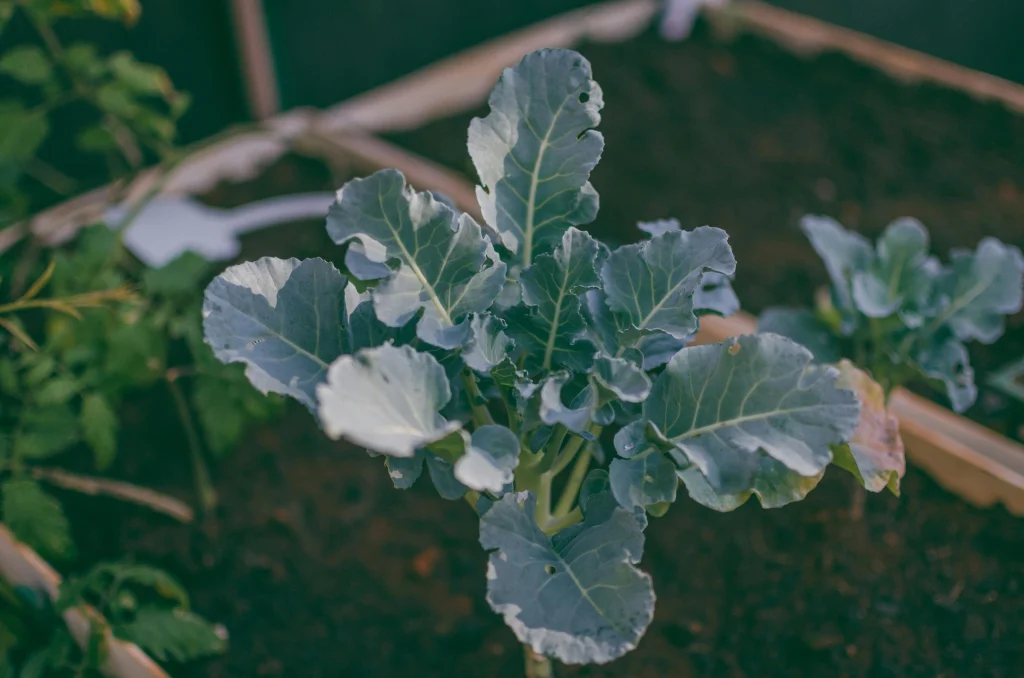
Garden tips for backyard bed layout based on sunlight and shade patternsCredit: Helena Lopes / Pexels

Create clear paths before beds fill with growth

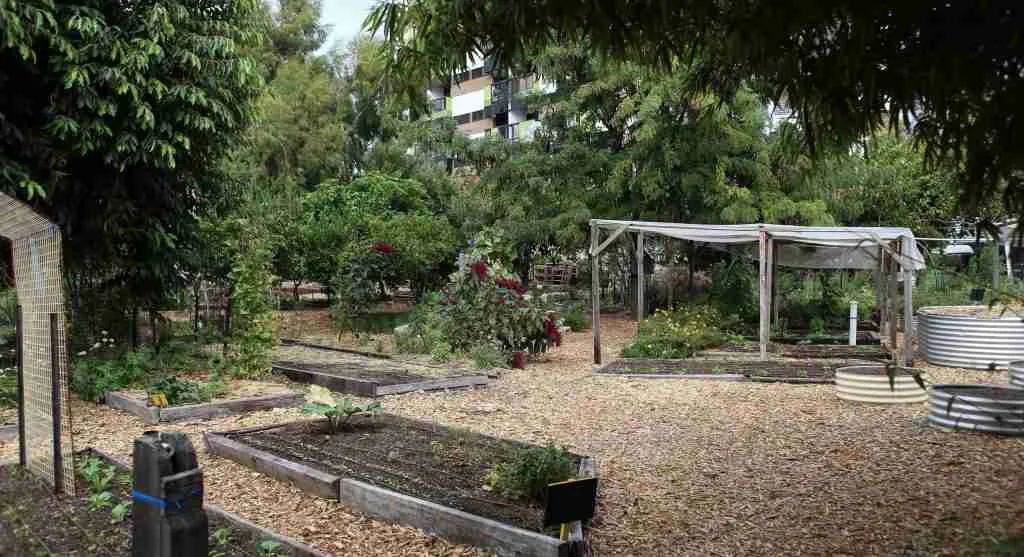
One of the most practical garden tips is planning access just as carefully as the planting space. Paths are often treated as leftover areas, but they determine how easy the garden is to use once plants begin to spread. If movement feels awkward, even simple tasks can become slow and tiring.

Garden layout specialists often recommend making paths wide enough for comfortable walking, carrying tools, and reaching beds without stepping into the soil. Clear pathways help protect root zones, keep the space organized, and make it easier to notice weeds, pests, or changes in plant health.

A functional garden depends on easy movement. Beds may produce well, but they’re far more useful when the space around them is designed with the same attention.

Keep beds narrow enough to reach from both sides

Bed width plays a bigger role than many gardeners expect. Very wide beds can seem efficient at first, but they often become harder to manage without stepping into the soil. That extra pressure can compact the surface and reduce the benefits of good soil preparation.

Garden educators often suggest designing beds so the center can be reached comfortably from either side. This helps maintain soil structure and makes routine care—like weeding, planting, and harvesting—more consistent.

A slightly narrower bed may look like less space, but it often performs better because it’s easier to maintain properly.

Group crops by care needs for an easier routine

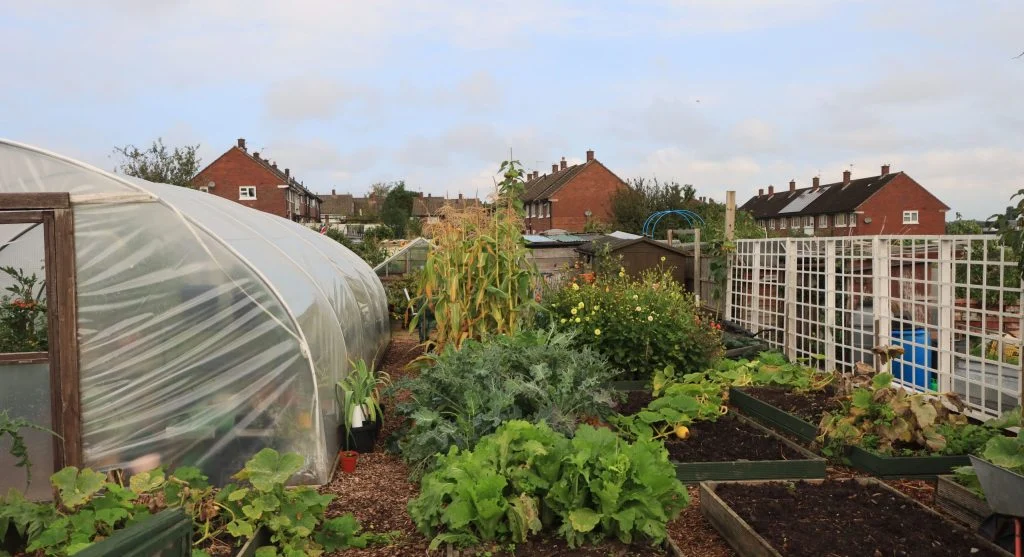
Another strong planting habit is grouping crops based on similar needs. Plants that require the same watering schedule, harvest timing, or support systems are easier to manage when they’re close together.

Crop planners often suggest keeping leafy greens in one area, climbing plants near supports, and frequently used herbs close to paths or entrances. This reduces repeated decisions and helps daily tasks flow more smoothly.

When planning beds, it helps to think beyond appearance and focus on how the garden will be used week to week. A layout that supports routine usually leads to better care and a more manageable growing space over time.

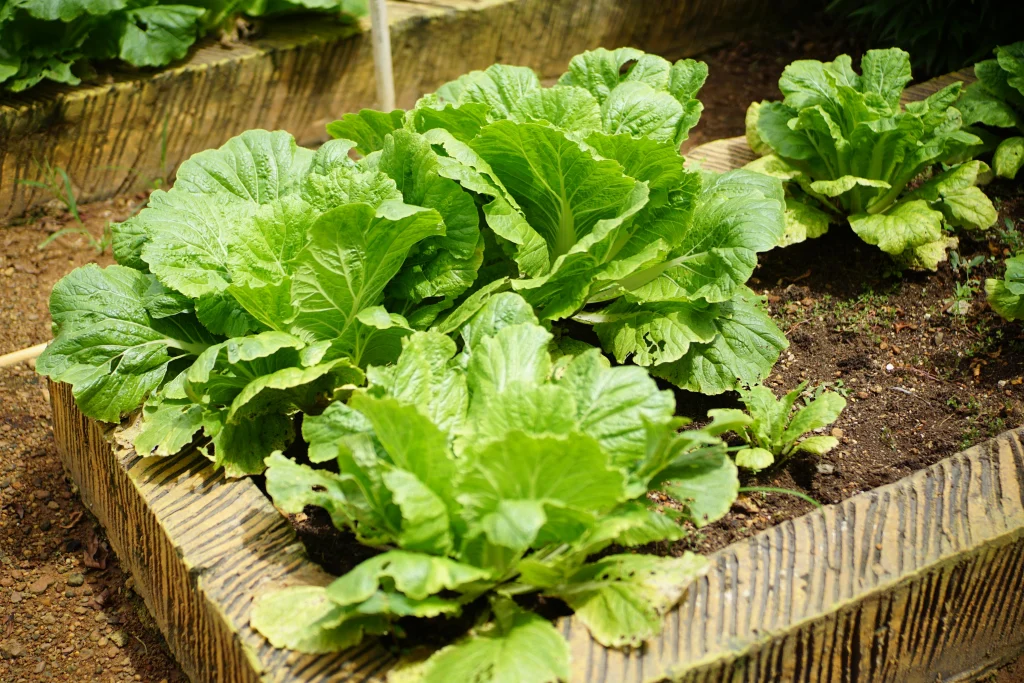
Garden tips showing grouped crops in a practical backyard bed layoutCredit:  MESSALA CIULLA / Pexels

Leave Space for Tools, Watering, and Harvest Work

Some of the most useful garden tips have little to do with planting itself. A garden works better when there is a place to set tools, carry a watering can, rest a harvest basket, or stage small materials during routine work. If every job requires walking back and forth across the whole yard, the system becomes less practical.

Outdoor work planners often explain that functional space helps small gardens feel more manageable. A corner for tools, a nearby water point, or a simple clean surface for trays and baskets can improve how the whole area operates. These additions do not need to be large, but they should be considered while planning instead of added only after problems appear.

An easy garden setup often comes from small working details. These spaces support the gardener directly and help daily routines stay smoother as the season becomes busier.

Use Bed Edges and Markers to Keep the Layout Clear

One of the more overlooked garden tips is making the layout easy to read. Simple bed edges, markers, or visual boundaries help show where planting ends and paths begin. This makes the space easier to maintain and reduces accidental stepping, misplacement of crops, or confusion when several beds are active at once.

Garden planners often recommend markers because they support better crop memory and cleaner maintenance. A clear line between sections also makes mulch, compost, and watering more controlled. Over time, this can make the whole backyard bed layout feel less messy and more deliberate.

To plan garden beds successfully, it helps to support memory and movement as much as crop growth. Simple structure usually creates better long-term order.

Observe the Yard and Adjust the Layout Over Time

No garden plan is perfect from the beginning. Some beds may prove easier to reach than others, some corners may stay too wet, and some paths may need to be wider once the season becomes active. One of the smartest garden tips is treating the layout as something that can improve with use.

Garden educators often suggest keeping short notes on which bed shapes worked best, which paths stayed useful, and which crop groups made care easier. These notes do not need to be detailed. Even a few observations can improve the easy garden setup in the next round of planning.

Backyard bed layout often becomes more effective with each season. Observation helps turn one year of effort into a better and more manageable plan for the next one.

Frequently Asked Questions

Q: What are the best garden tips for planning backyard beds?
A: Some of the best garden tips include checking sunlight first, creating clear paths, keeping beds narrow enough to reach easily, grouping crops by care needs, and leaving space for tools and harvest work. These steps make the layout easier to manage.

Q: Why is backyard bed layout so important before planting?
A: Backyard bed layout is important because it affects access, watering, harvesting, and crop health throughout the season. A better layout often prevents daily problems before they begin.

Q: How can gardeners plan garden beds for easier care?
A: Gardeners can plan garden beds for easier care by matching beds to sunlight, using clear paths, grouping similar crops, and creating a layout that supports regular movement and inspection.

Q: What makes an easy garden setup work well?
A: An easy garden setup usually works well when the layout supports both plant needs and gardener access. Clear structure, useful spacing, and simple working zones often make the biggest difference.

Key Takeaway

These garden tips show that a better garden often begins with a smarter layout before planting starts. Good sunlight planning, clear paths, reachable beds, grouped crops, and useful work space all support a stronger backyard bed layout and a more practical easy garden setup. Simple markers and observation also help improve the system over time. For many growers, the best garden tips are the ones that make the whole garden easier to care for from the very beginning.

[INTERNAL LINKING SUGGESTIONS]

  • Planting Tips That Help Backyard Seeds and Seedlings Start More Strongly
  • Farm Life Tips That Help Backyard Growers Prepare Better for Spring Work
  • Soil Tips That Help Backyard Gardens Recover Better After Winter

Comments

Leave a Reply

Your email address will not be published. Required fields are marked *