Growing Hacks That Help Backyard Crops Recover Faster After Weather Stress

Useful growing hacks can help backyard crops recover more steadily after wind, heavy rain, sudden heat, or a sharp drop in temperature. Weather stress is common in home gardens, and even strong plants can look weak for a short time after rough conditions. In most cases, the best response is simple and steady, focused on helping roots and leaves return to balance.

Plant health educators, crop specialists, and experienced home growers often explain that stressed plants do not always need major intervention. In fact, they often recover better when gardeners avoid adding extra pressure and instead support stable growing conditions. These growing hacks focus on practical ways to protect plants after stress and help growth continue without turning a short setback into a longer problem.

Why growing hacks matter after weather stress

Rough weather can affect plants in different ways. Heavy rain may compact the soil or weigh plants down. Strong wind can tear leaves or loosen roots. Intense heat may cause wilting, flower drop, or slower growth. While these signs can look serious at first, many plants recover well when conditions settle.

Researchers who study crop stress often note that recovery depends on restoring stability around the roots and leaves. A plant that has just experienced stress usually benefits from consistency, not sudden changes. That’s why these growing hacks matter—they focus on simple adjustments instead of overcorrecting.

Backyard growing ideas are often most effective when they reduce stress rather than add more. A calm, measured approach usually gives plants the best chance to recover and continue producing through the season.

Check the bed before changing the whole routine

One of the most useful steps after rough weather is to pause and inspect the garden before taking action. Plants may appear wilted, bent, or covered in mud, but not every visible issue requires immediate correction. Many will recover on their own once the weather improves and the roots settle again.

Crop educators often suggest looking for a few key signs first: exposed roots, broken stems, standing water, compacted soil, or plants that have been completely flattened. This helps separate temporary stress from actual damage that needs attention. A quick inspection can prevent unnecessary pruning, overwatering, or replanting.

Plant recovery works best when decisions are based on the real condition of the bed, not just how it looks at first glance. A few minutes of careful observation can guide better choices for the days ahead.

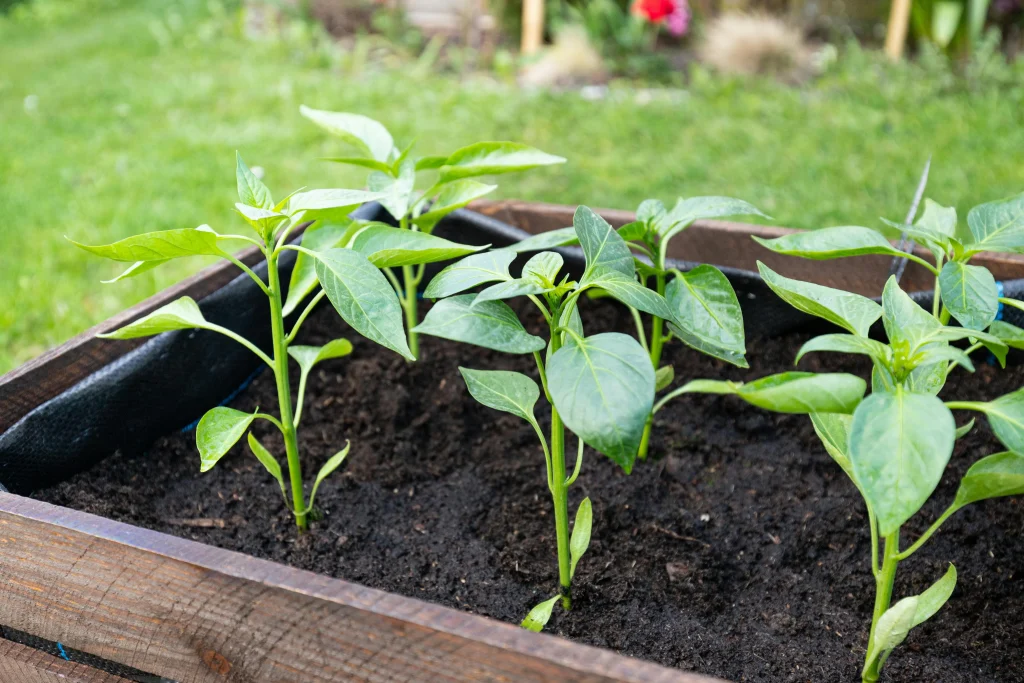
Growing hacks for inspecting weather-stressed plants and soil in a backyard garden

Credit:  Greta Hoffman / Pexels

Support roots first instead of focusing only on leaves

It’s natural to notice torn leaves or bent stems first, but one of the most effective growing hacks is to protect the root zone before anything else. Plants usually recover better when soil moisture, airflow, and structure stay stable. If the roots remain healthy, the plant has a much better chance of repairing damage above the surface.

Soil specialists often suggest simple steps like adding mulch, watering gently, and avoiding extra pressure on the soil after rough weather. If the surface has hardened, a light loosening around unaffected areas can help—but only if the soil is not overly wet. When the bed is still saturated, it’s usually better to wait and let it settle.

Backyard growing becomes more effective when the focus stays on root health. Even if leaves are damaged, strong roots often mean the plant can recover over the next few days.

Use simple supports to reduce ongoing strain

Another helpful approach is stabilizing plants that have been weakened or pushed over by wind. Crops like tomatoes, peppers, and beans often benefit from gentle support while they recover. The goal isn’t to force them upright perfectly, but to reduce strain so they can regain strength.

Plant support educators often advise checking the extent of damage first. A plant that’s leaning can often recover with light support, while a snapped stem may not. Handling plants carefully at this stage helps avoid making the damage worse.

Simple stakes, ties, or cages can make a big difference, especially if more wind is expected. They give plants time to recover without losing more energy trying to stay upright.

Do not rush to prune every damaged leaf

One of the most overlooked growing hacks is knowing when to leave a plant alone. Even damaged leaves can still help produce energy during recovery. Removing too much too quickly can weaken the plant further.

Plant health specialists often recommend only removing what is clearly broken, rotting, or severely crushed at first. Leaves with minor damage or discoloration may still be useful. Waiting a short time often makes it easier to see which parts are truly failing and which are recovering.

Good recovery often comes from minimizing additional stress. Light cleanup can help, but it’s usually best done after the plant has had time to stabilize.

Adjust watering to match the new soil conditions

After extreme weather, normal watering routines may no longer apply. One of the most practical growing hacks is checking soil conditions again before watering as usual. Heavy rain may leave the bed wetter than expected, while heat and wind may dry it out faster.

Water educators often emphasize steady moisture over extremes. If the soil is already saturated, adding more water can increase stress. If the surface is dry but deeper soil still holds moisture, it may be better to wait.

Backyard growing works best when watering decisions are based on actual conditions rather than routine. Careful observation helps plants recover with fewer setbacks.

Give plants a few days before judging recovery

Not all plants bounce back immediately after stress. One of the most useful habits is waiting a few days before deciding whether a plant is truly failing. Leaves may stay limp for a while, and growth may pause as the plant redirects energy to recovery.

Crop specialists often note that stressed plants can look worse before they improve. New growth, stronger stems, and better color are more reliable signs of recovery than the condition of older leaves.

Patience plays a key role here. Acting too quickly can lead to removing or replacing plants that might have recovered on their own.

Use notes to improve your next weather response

Every garden reacts differently to weather stress. Some areas collect water, others face stronger wind, and certain crops recover more slowly. One of the smartest growing hacks is keeping simple notes about what happened and what helped.

Garden educators often suggest recording the weather conditions, affected crops, soil condition, and any recovery steps taken. These notes don’t need to be detailed—even a few lines can be useful later.

Over time, these observations help shape better decisions. Backyard growing becomes more predictable when it’s based on patterns you’ve already seen in your own space.
Frequently Asked Questions

Q: What are the best growing hacks after rough weather?
A: Some of the best growing hacks after rough weather include checking the bed first, supporting roots, using simple plant supports, adjusting watering, and waiting a few days before making major decisions. These steps help plants recover more steadily.

Q: How can gardeners help weather-stressed plants recover?
A: Gardeners can help weather-stressed plants recover by keeping soil conditions stable, reducing extra strain on stems, and avoiding unnecessary pruning or watering. Calm observation often leads to better recovery decisions.

Q: Should damaged leaves always be removed after a storm?
A: No, not always. Lightly damaged leaves may still help the plant while it recovers, so many gardeners remove only what is clearly broken or failing at first.

Q: Why is soil checking important after heavy rain or heat?
A: Soil checking is important because weather can change moisture levels quickly. Better watering decisions depend on what is happening below the surface, not only on how the top layer looks.

Key Takeaway

These growing hacks show that recovery after rough weather often depends on stability, not big correction. Careful inspection, root support, simple plant supports, smarter watering, and patience can all help weather-stressed plants recover more steadily. Selective cleanup and note-taking also improve future responses. For many gardeners, the best growing hacks are the ones that help backyard crops regain balance after stress without adding new problems.


[INTERNAL LINKING SUGGESTIONS]

  • Planting Tips That Help Backyard Seeds and Seedlings Start More Strongly
  • Water Saving Tips That Help Raised Beds Hold Moisture More Effectively
  • Garden Tips That Help Backyard Beds Stay Neat and Easier to Manage

Comments

Leave a Reply

Your email address will not be published. Required fields are marked *