

Useful planting tips can help backyard gardeners set up staggered planting rows without turning later harvest timing into a confusing mix of half-ready crops and hard-to-read beds. Staggered planting is often a smart way to spread out harvests, avoid one large rush, and keep produce coming over a longer period. But when the rows are not planned clearly, the bed can become harder to manage than expected. One strip may be ready, another may still be young, and the whole bed can start feeling more confusing than helpful.
Garden educators, crop planners, and experienced home growers often explain that staggered planting works best when the grower can still understand the sequence later. The goal is not only to delay planting in stages. The goal is to make those stages easy to follow during watering, checking, and harvest. These planting tips focus on how to create staggered planting rows, improve harvest timing, and keep organized backyard planting easier to manage through the season.
Why Planting Tips Matter in Staggered Rows
Staggered planting usually starts with a good idea. Instead of planting every seed or transplant on the same day, the grower spreads the timing across smaller rounds. This can help avoid one short harvest window and may make the garden more productive over time. But once the plants begin growing, the bed may hold several different crop ages at once. If the layout is unclear, the grower may lose track of which section should be harvested soon and which section still needs more time.
Researchers who study home garden timing often note that planting sequence affects later garden work almost as much as crop choice does. This is why planting tips matter so much in staggered rows. A strong system should make later harvest decisions easier, not harder.
To keep better harvest timing in a small garden, growers often need to think ahead to what the bed will look like weeks later, not just how it looks on planting day.
Keep Each Staggered Section Easy to Recognize
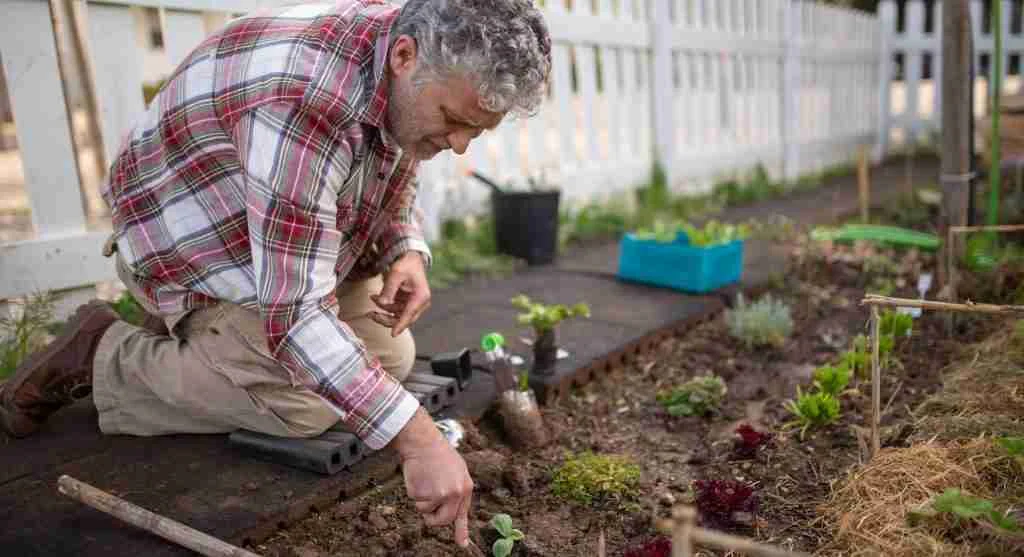
One of the strongest planting tips is making each planting round visually clear from the beginning. If the second row blends too closely into the first, the gardener may struggle later to remember which section is newer. This becomes especially common in small beds where crops are close together and the difference in planting dates matters more than the distance between them.
Garden educators often recommend using short separate strips, small row breaks, or visible markers so each planting stage stays easy to recognize. The goal is not to make the bed look empty. It is to make the sequence easy to follow later. A bed that can still be read clearly usually stays easier to harvest and manage well.
Organized backyard planting often depends on making the pattern visible enough that memory does not have to carry the whole system alone.
Choose Stagger Intervals That Match the Crop Speed
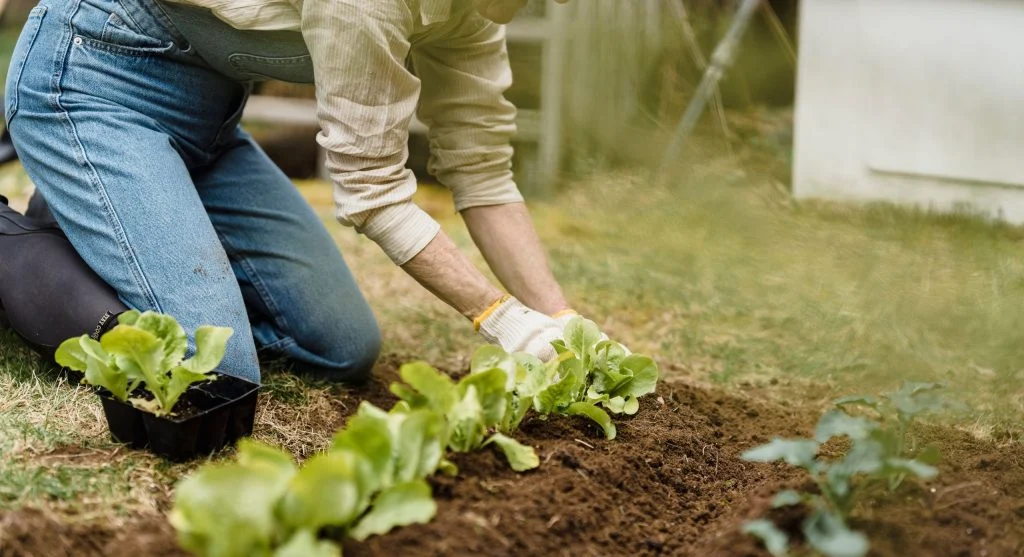
Another one of the most useful planting tips is choosing a planting gap that fits how quickly the crop grows. Some vegetables grow fast enough that a very short delay may still create almost the same harvest window. Other crops need more space between planting dates before the difference becomes useful. If the interval is too small, the rows may mature together anyway and defeat the purpose of staggering.
Crop planners often explain that the planting rhythm should match the crop’s natural pace. A quick crop may need a slightly longer gap than the gardener first expects if the goal is a meaningful harvest spread. A slower crop may need a different approach altogether. This is why the sequence should be planned with the crop in mind, not only the calendar.
Better harvest timing usually comes from matching the spacing of planting dates to the speed of the crop itself. One timing pattern does not fit every bed.
Do Not Scatter the Sequence Randomly Across the Bed
One of the smarter planting tips is keeping the planting sequence in a logical order instead of placing later rounds wherever open space happens to appear. A scattered pattern may seem efficient at first, but it often creates confusion later. The gardener may forget which patch was planted last and which patch is now closest to harvest.
Garden planners often suggest keeping the sequence moving in one clear direction across the bed or within one dedicated section. This helps the eye understand the planting order quickly during harvest checks. A simple direction also makes it easier to water, thin, and observe the row stages without constant second-guessing.
Staggered planting rows usually stay easier to manage when the layout tells a simple story. Random placement often makes that story harder to read.
Leave Room to Work Between the Different Growth Stages
One of the more practical planting tips is making sure the youngest section can still be reached without crushing or disturbing the older section beside it. In staggered plantings, one part of the bed may already be fuller while the newer section still needs close care. If working space is too tight, the older crop may make it difficult to water, thin, or inspect the younger one properly.
Garden educators often explain that spacing in staggered beds should support movement as well as growth. Even a small strip of access or a better row direction can make a big difference later. The goal is for each stage to remain workable until its turn comes, not to become trapped beside a stronger earlier planting.
Organized backyard planting often succeeds when the bed is planned for repeated access, not only for neat appearance on the first day.

Use Markers That Still Make Sense Weeks Later
One of the best planting tips is choosing row markers that will still be useful after several weeks of weather, watering, and growth. A label that disappears, fades, or becomes hidden under leaves can make the whole staggered plan harder to follow. Once the planting order is forgotten, harvest timing often turns back into guesswork.
Garden educators often recommend simple markers with the planting date or planting round clearly shown. These do not need to be complicated. They only need to stay visible enough to guide later decisions. A small marker can save a surprising amount of confusion once the rows start looking more alike.
To keep better harvest timing, the grower often needs a system that lasts longer than memory during busy seasonal work. Clear markers usually help a great deal.
Check Each Planting Round by Stage, Not as One Shared Bed
One of the more overlooked planting tips is resisting the habit of treating the whole staggered bed as if it were all the same age. The earliest section may need harvest, the middle section may need simple growth checks, and the youngest section may still need lighter watering or thinning. If the whole bed is handled the same way, one or more stages may receive the wrong care.
Water and harvest educators often note that mixed-age beds need mixed attention. The grower usually gets the best result by asking what each section needs right now instead of what the whole bed seems to need in general. This keeps the staggered system useful instead of turning it into a management problem.
Better harvest timing often depends on seeing each round as its own crop stage inside a shared space. That distinction keeps later work much clearer.
Keep Notes on Which Stagger Pattern Actually Worked Best
One of the strongest planting tips for long-term improvement is writing down which staggered pattern created the clearest harvest flow and which one became too confusing. Some crops may work well with two rounds, while others may benefit from three smaller rounds or wider gaps between sowings. These results become much easier to repeat once they are recorded.
Garden educators often suggest noting the crop type, planting dates, how clearly the stages stayed separated, and whether harvest timing felt smoother or more complicated than expected. Even short notes can help future plantings become more accurate. Over time, the grower builds a better stagger system for each crop instead of using one general approach for everything.
Staggered planting rows often become more productive once the grower learns which sequence creates a useful harvest rhythm and which one only looks organized at the start.
Frequently Asked Questions
Q: What are the best planting tips for staggered planting rows?
A: Some of the best planting tips include keeping each planting section easy to recognize, choosing planting gaps that match the crop’s growth speed, using a clear row order, leaving room to work around different growth stages, using durable markers, and checking each stage separately instead of treating the bed as one age.
Q: Why can staggered planting rows become confusing later?
A: They can become confusing when the sections are not clearly marked, the planting order is scattered, or the time gap between plantings is too small to create a visible difference in harvest stages.
Q: How can gardeners improve harvest timing with staggered planting?
A: Gardeners can improve harvest timing by using clearly separated planting rounds, matching the stagger interval to the crop speed, and keeping markers and layout patterns simple enough to read weeks later.
Q: What helps organized backyard planting stay useful through the season?
A: Organized backyard planting stays useful when the row sequence remains visible, access is protected, and each planting stage is checked according to its own age and needs instead of being managed as one mixed group.