
 Credit: Boys in Bristol Photography / Pexels
2. Use Clear Garden Row Spacing Instead of Guessing
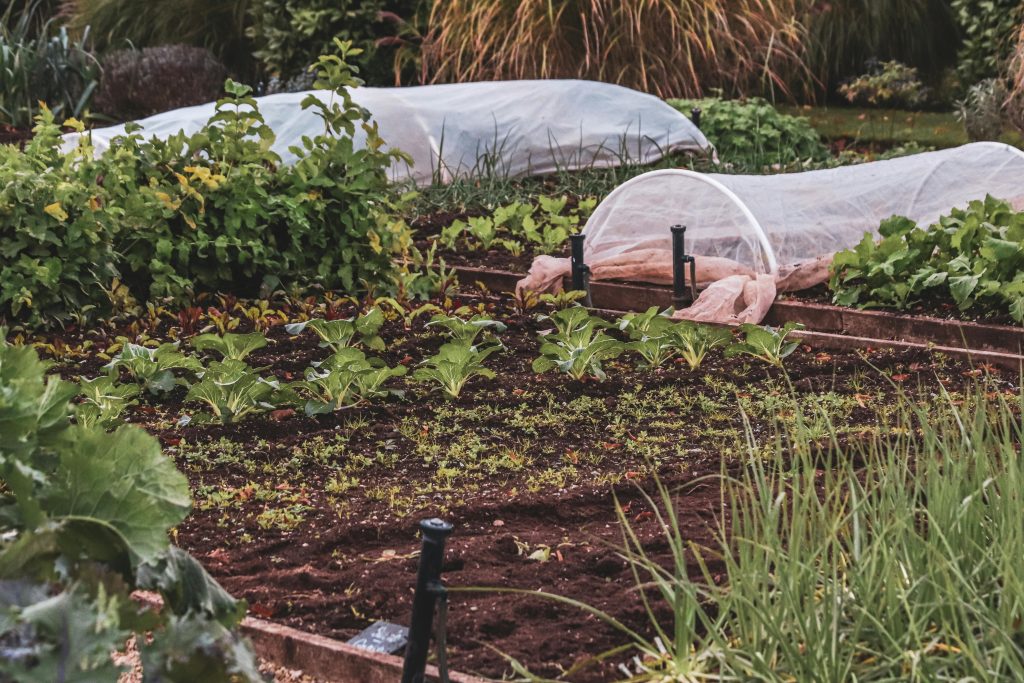
Another practical group of planting tips focuses on spacing. Rows placed too close together can make watering and weeding more difficult, while rows placed too far apart may waste growing space that could be used better. Clear garden row spacing helps balance access with productivity.
Crop planners often suggest marking rows with a string, stick, or simple guide before planting. This helps keep lines more even and gives the gardener a clear visual plan. Straight, consistent rows are not only easier to look at. They also help with mulch placement, thinning, and later inspection.
Backyard vegetable planting becomes easier to manage when spacing decisions are made calmly before planting starts. Guesswork often leads to uneven layouts that create extra correction later.
3. Keep Seed Depth Consistent Across the Row
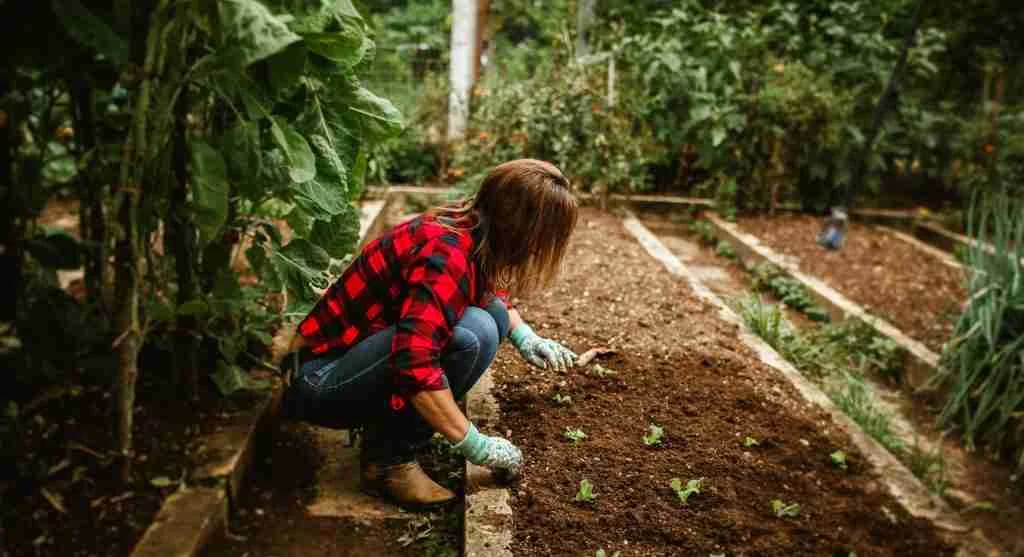
One of the most important planting tips for direct seeding is keeping the seed depth as consistent as possible. Seeds placed too deep may emerge slowly or not at all, while those left too close to the surface may dry out quickly. Variation in depth is a common reason rows emerge unevenly.
Seed starting educators often explain that different crops need different depths, but consistency matters within each row. A shallow, evenly formed planting line often produces a more uniform result than a rushed row with uneven pressure and depth. A light covering of soil is usually better than pressing too hard after sowing.
Even seed growth depends on seeds facing similar conditions across the bed. Consistent depth helps create that shared starting point.
4. Water Seeded Rows Gently So Placement Stays Intact
Freshly planted rows can be disturbed easily if the first watering is too forceful. One of the more practical planting tips is watering gently enough that seeds stay where they were placed. Heavy spraying may wash some seeds deeper, move others out of line, or expose parts of the row unevenly.
Water educators often recommend a fine spray or a gentle watering can setting for newly planted rows. The aim is to moisten the bed without disturbing the seed line. This is especially useful in lighter soil or in beds where small seeds were planted close to the surface.
Backyard vegetable planting often looks more even when early watering protects the pattern already created. Gentle moisture supports better emergence and reduces the need for later correction.
5. Thin Seedlings Early So Stronger Plants Have Room
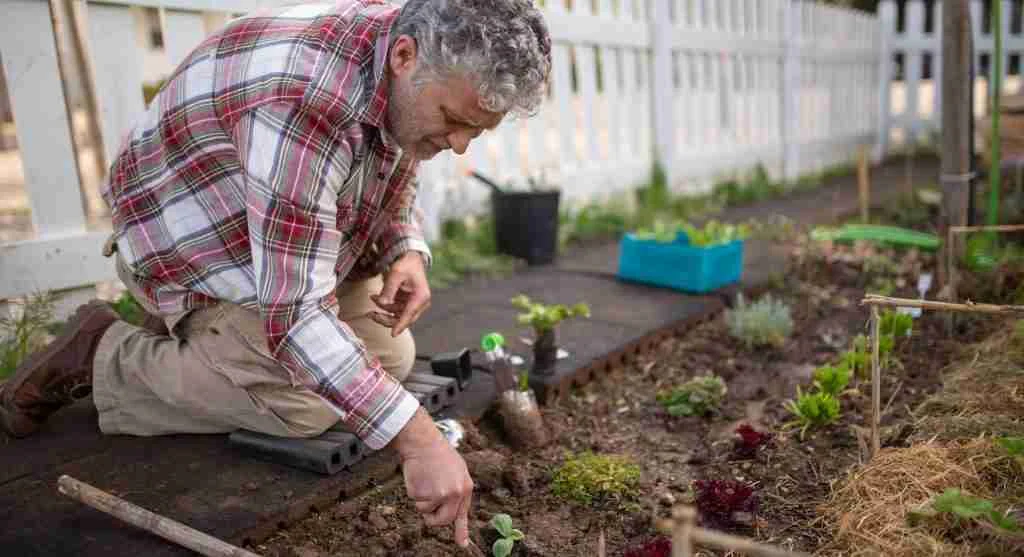
Even well-seeded rows may emerge too thick in some areas. One of the strongest planting tips is thinning seedlings before crowding begins to slow growth. Keeping too many small plants in one tight section often leads to weak stems, poor airflow, and uneven development along the row.
Plant educators often explain that thinning feels wasteful at first, but it usually improves the strength of the remaining crop. Proper spacing gives roots and leaves the room they need to develop more evenly. It also makes later watering, harvesting, and pest checks much easier.
Garden row spacing is not only about the lines between rows. It also matters within the row itself. Thinning helps support more balanced growth from plant to plant.
6. Match Crop Type to the Right Part of the Bed
Some areas of a bed warm faster, stay drier, or receive stronger sunlight than others. One of the more useful planting tips is placing crops where their needs match those conditions. Faster-draining areas may suit some crops better, while cooler or slightly shaded zones may fit others more naturally.
Garden planners often note that even seed growth improves when crops are not fighting unsuitable conditions from the start. A row of greens may perform differently from a row of root crops if both are planted in the same place without considering the bed’s real patterns. Better placement often supports more consistent emergence and development.
To plan rows well, gardeners should think about the bed as a set of small conditions rather than one flat surface. This helps backyard vegetable planting feel more intentional and more successful over time.
7. Label Rows Clearly So Early Care Stays Accurate
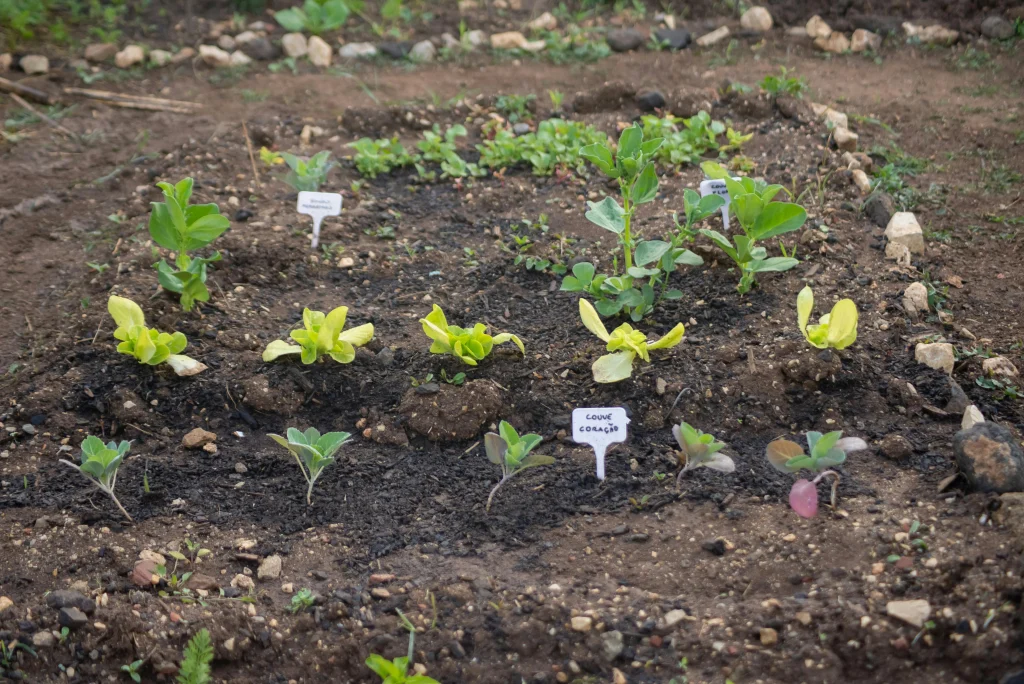
One of the simpler planting tips is also one of the most useful: label rows clearly right after planting. When several crops are planted close together, it can become harder to remember what was sown where, especially before seedlings fully emerge. Clear labels help avoid confusion during watering, thinning, and early cleanup.
Garden educators often recommend basic labels with crop name and planting date. These details help gardeners track how long emergence should take and notice which rows are ahead or behind. Labels also reduce the chance of disturbing a slow row by mistake while working nearby.
Even seed growth is easier to manage when the gardener can quickly understand the layout. Simple labeling supports better decisions from the first week onward.
8. Keep Notes on Which Rows Emerged Best
Every backyard bed has its own patterns. Some rows may emerge evenly, while others show gaps, slower growth, or uneven moisture. One of the smartest planting tips is recording which row setups worked best and what might need to change in the next planting cycle.
Garden specialists often suggest noting seed depth, spacing, watering pattern, weather, and how evenly the crop emerged. These notes do not need to be detailed. Even a few lines can help explain why one row performed better than another and improve the next round of planting.
Backyard vegetable planting becomes stronger when gardeners learn from the bed itself. Notes help turn one season of trial into better row planning for the next one.
Frequently Asked Questions
Q: What are the best planting tips for even garden rows?
A: Some of the best planting tips include preparing the whole bed evenly, using clear row spacing, keeping seed depth consistent, watering gently after planting, and thinning seedlings on time. These steps help support more even growth.
Q: Why does garden row spacing matter so much?
A: Garden row spacing matters because it affects access, airflow, watering, and how evenly crops develop. Good spacing helps gardeners care for the bed more easily throughout the season.
Q: How can gardeners improve even seed growth in backyard beds?
A: Gardeners can improve even seed growth by preparing smooth soil, planting at consistent depth, protecting the seed row during watering, and keeping moisture more even as seeds germinate.
Q: Should seedlings always be thinned after they emerge?
A: Not every row needs heavy thinning, but crowded sections often benefit from it. Thinning usually helps the remaining plants grow stronger and more evenly.
Key Takeaway
These planting tips show that even rows usually begin with careful setup rather than luck. Better bed preparation, clearer garden row spacing, consistent seed depth, gentle watering, early thinning, and simple labels all help support even seed growth. Notes also make future backyard vegetable planting more accurate and easier to improve. For many gardeners, the best planting tips are the ones that make early growth steadier from one end of the row to the other.
[INTERNAL LINKING SUGGESTIONS]
- Garden Tips That Help Backyard Growers Plan Better Beds Before Planting
- Planting Tips That Help Backyard Seeds and Seedlings Start More Strongly
- Soil Tips That Help Backyard Gardens Recover Better After Winter