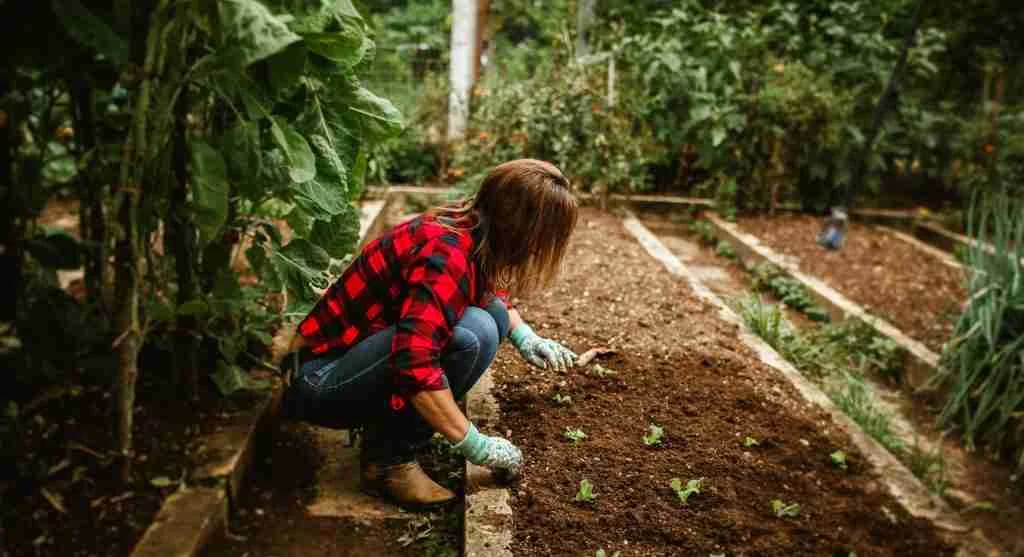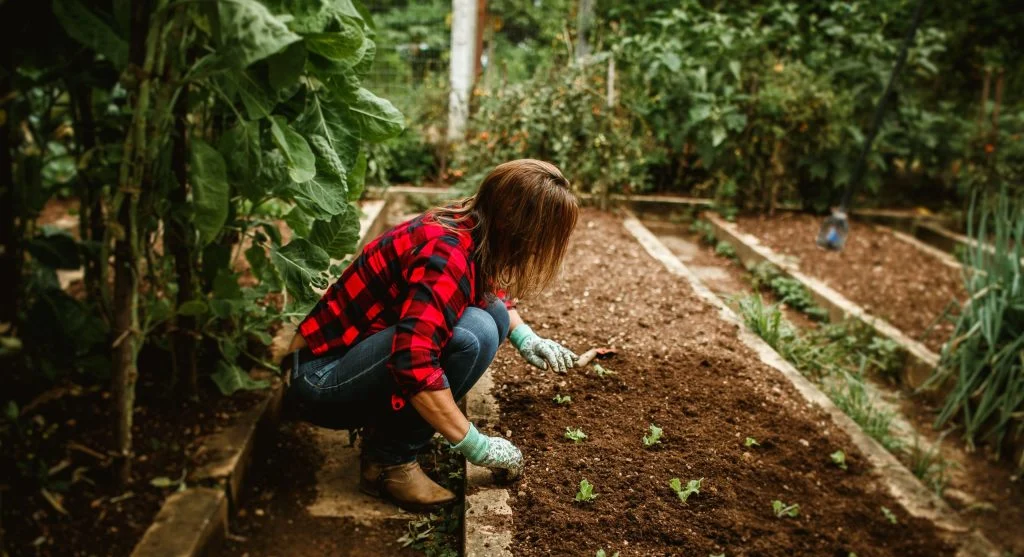
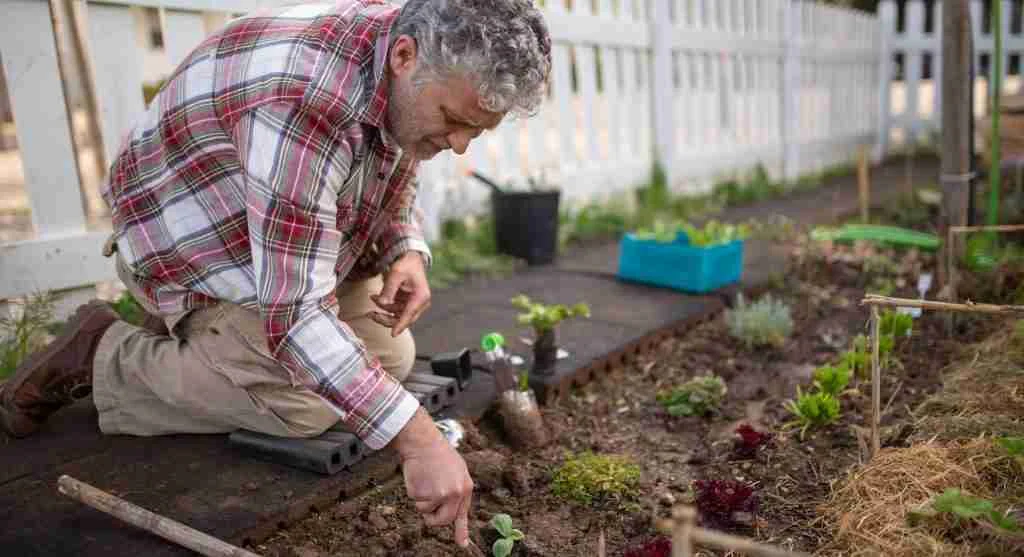

Useful planting tips can help backyard gardeners handle a moment that often looks simple but creates lasting layout problems: starting a new row beside one that is already established. The open strip beside the first row may seem like a clear opportunity. The soil is there, the bed still has room, and the season may still support another planting. But adding that second row changes more than one narrow line of space. It changes how the whole section will be watered, walked, read, and harvested later.
This is why second-row planting deserves more thought than many growers first give it. The original row already has height, root activity, leaf spread, and a working pattern of care. A new row added too quickly or too closely can turn one tidy section into two competing ones. These planting tips focus on how to start a second garden row beside an established planting, how to protect spacing and access, and how to keep both rows useful instead of letting them make each other harder to manage.
An Established Row Already Owns More Space Than It Looks Like It Does
One of the most important planting ideas to remember is that an existing row rarely occupies only the visible strip where the stems stand. It also influences the space beside it through future leaf spread, root use, shade, and airflow. A gardener who only judges by the visible gap often ends up planting too close because the first row appears smaller than its true working footprint.
This is why strong planting tips begin with respect for the older row. The empty strip may not actually be free in the simple way it seems. Part of that strip may already belong to the future shape of the crop that is there now.
The New Row Should Match the Life Stage of the Space, Not Just the Calendar
Adding a second row is not only about whether there are enough weeks left in the season. It is also about what stage the first row has reached. A young modest row leaves a different kind of neighboring space than a row that is already thickening, leaning, or expanding into its full form. The later the first row has progressed, the more carefully the second one needs to be chosen.
This helps prevent a common mistake. Gardeners often think, “There is still time to plant,” when the better question is, “What kind of space does this row leave beside it now?” Good timing depends on both season length and row maturity.
Compact Crops Usually Make Better Second Neighbors
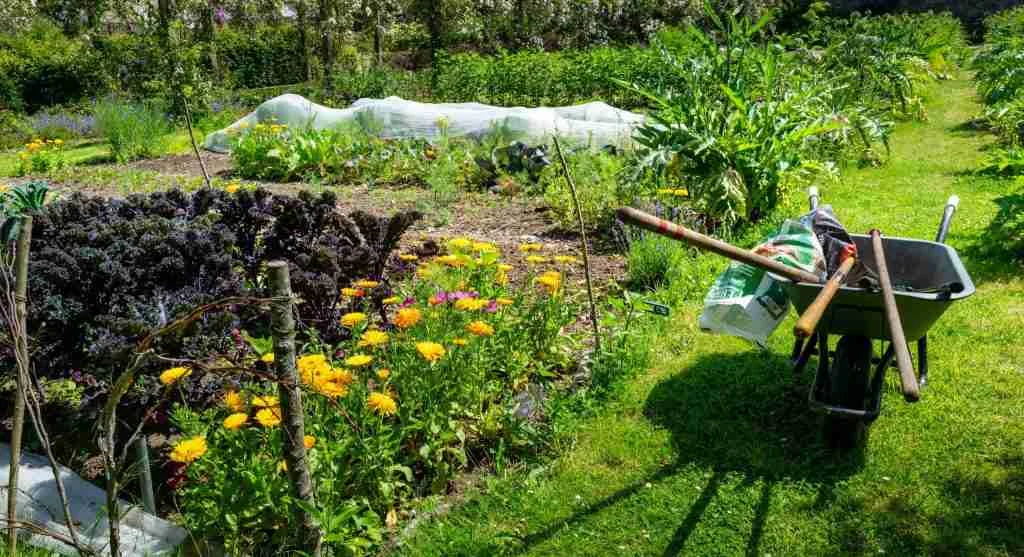
One of the safest ways to keep garden rows manageable is to choose a second crop that stays compact, readable, and easier to remove or harvest without disturbing the older row. A narrow upright planting often works better than something sprawling or bulky. The second row should feel like a respectful neighbor, not a plant that is trying to turn the space into a contest.
This matters because the established row already controls part of the environment. A second crop that asks for too much width or too much presence usually turns the space between rows into the most frustrating part of the bed. Smaller, clearer crops often protect both productivity and order.
The Space Between the Two Rows Is Working Space, Not Wasted Space
Many row problems begin because the gardener sees the gap only as unused soil. In reality, the space between two rows often functions as working space. It helps water reach the root zone, lets the eye track what is happening, and provides room for hands during harvest or inspection. Once that gap becomes too narrow, both rows may still grow, but neither remains easy to care for.
That is why some of the best planting tips are really spacing discipline tips. The goal is not to eliminate every open strip. The goal is to preserve just enough room for the bed to keep making sense after both rows become active.
Second Rows Should Not Break the Watering Pattern of the First Row
Before a new row is added, it helps to ask how the first one is currently watered. If the second row will block the easy path of a hose, crowd the base of the existing crop, or turn a simple watering routine into a narrow awkward motion, the new planting may cost more than it adds. Watering becomes one of the earliest tasks to expose a poor second-row decision.
Practical planting tips always include the future routine. A good second row should join the watering pattern, not force the whole bed into a new uncomfortable one.

Light and Shade Belong to the First Row Too
The established row does not only take physical space. It also changes the light pattern beside it. Depending on crop height and sun direction, one side of the gap may receive less consistent light than the gardener expects. A second row planted there should match the actual light conditions created by the first row, not the general light conditions of the bed earlier in the season.
This is especially important once the older row begins gaining height. A second crop that would have done well in open sun may become slower and less useful if its new neighboring row turns part of the day into a shaded period. Good planting tips read the bed as it is now, not as it looked before the first row matured.
Rows That Mature at Different Speeds Need Different Expectations
One of the smartest planting habits is understanding that two nearby rows do not need to behave like twins. The older row may be in active harvest while the newer row is still establishing. That difference is manageable as long as the gardener expects it. Trouble starts when the second row is planted as though both rows will ask for the same care at the same time.
A clear second-row plan allows for that mismatch. It accepts that one row may be older, larger, and more demanding now while the second row is still building. The better the gardener understands that staged relationship, the easier both rows remain to manage.
Keep Notes on Which Second-Row Pairings Worked Cleanly
Some row pairings feel smooth all season. Others create crowding, shade, awkward harvests, and confused watering almost every time. One of the most useful long-term habits a gardener can build is recording which combinations stayed readable and which ones turned the gap between rows into a problem area.
Over time, those notes make future layout decisions much easier. The gardener stops guessing whether a second row will fit and starts remembering which pairings truly respected each other in that particular garden.
Frequently Asked Questions
Q: What are the best planting tips for adding a second row beside an established row?
A: The best planting tips include respecting the older row’s full working space, choosing a compact second crop, preserving enough gap for watering and harvest access, and matching the new row to the current light and maturity conditions of the bed.
Q: Why do second rows sometimes make both rows harder to manage?
A: They often reduce working space too much, block watering paths, create shade problems, and turn two useful rows into a crowded section where both crops interfere with each other.
Q: What kinds of crops work best as a second row?
A: Crops that stay compact, upright, and easier to read usually work best because they place less pressure on the existing row and keep the shared space between them more usable.
Q: Should gardeners use every open strip beside an older row?
A: No. Some open strips function better as working space than as planting space. A gap that helps watering, harvest, and airflow may add more value than a second row that creates crowding later.
Key Takeaway
These planting tips show that a second row should be added beside an established one only with full respect for the first row’s future space, light, and care pattern. Backyard gardeners usually get the best results when the new row stays compact, the gap stays functional, and the older row remains easy to water, read, and harvest. A smart second row supports the bed instead of making two good rows compete with each other.